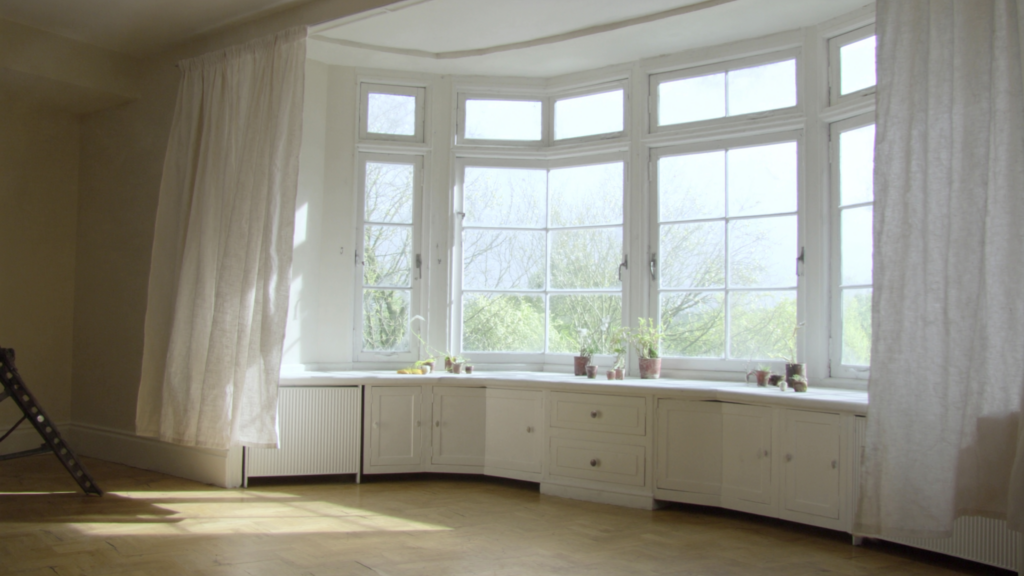
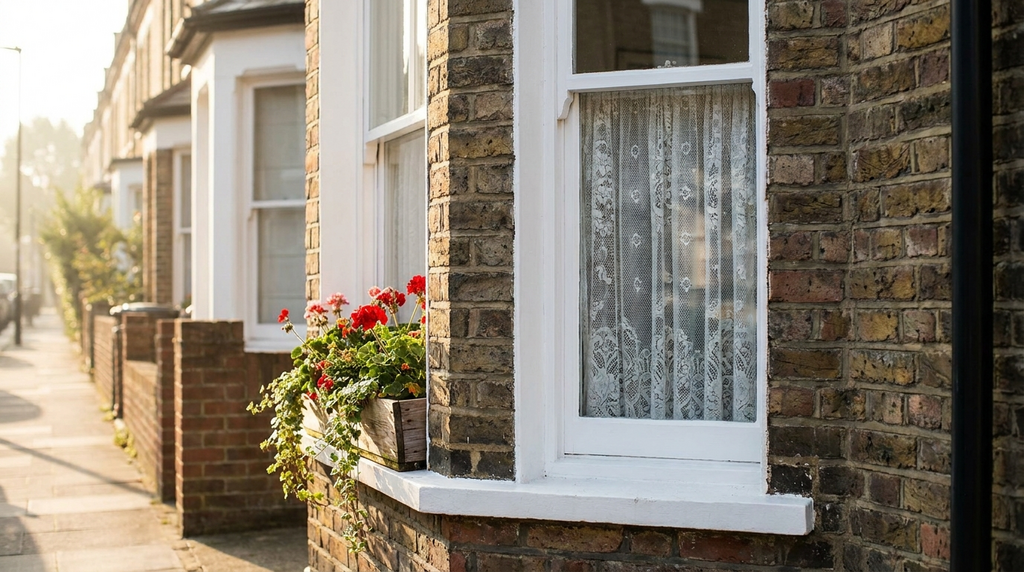
Triple glazed windows cost between £500 and £1,600 per window installed in the UK in 2026, with a typical three-bedroom semi-detached house averaging £4,200 to £7,500 for a full replacement. The Energy Saving Trust notes that triple glazing can reduce heat loss by up to 30% compared to standard double glazing (Energy Saving Trust, 2026).
The final cost depends on window size, frame material, and opening style. uPVC frames are the cheapest option, while timber and aluminium composite frames cost more. Listed buildings or homes in conservation areas may require bespoke designs, pushing costs higher. The figure assumes standard casement or tilt-and-turn windows; large bay windows or sliding doors cost significantly more.
uPVC triple glazing costs £500 to £900 per window
uPVC frames are the most affordable choice for triple glazing. A standard 1200mm x 1200mm casement window with uPVC triple glazing typically costs between £500 and £900 installed, according to industry data from the Glass and Glazing Federation. This price includes the frame, triple-pane glass, and fitting. A full set for a three-bedroom semi-detached house (around 10 windows) averages £5,000 to £6,500. uPVC frames offer good insulation and low maintenance, with a U-value of around 0.8 W/m²K for triple glazing (BRE, 2026).
Timber and aluminium frames cost £900 to £1,600 per window
Timber frames start at £900 per window and can reach £1,600 for larger sizes. Aluminium composite frames range from £1,000 to £1,500 per window. These materials offer better thermal performance and durability, but come at a premium. A full replacement for a three-bedroom semi-detached house with timber frames costs £8,000 to £12,000. Aluminium frames have a U-value as low as 0.7 W/m²K when triple glazed. The Energy Saving Trust confirms that triple glazing in high-performance frames can cut heating bills by £95 to £165 per year for a typical home (Energy Saving Trust, 2026).
Installation and grant options affect final cost
Installation adds £100 to £250 per window, included in the figures above. FENSA-registered installers must certify fitting to comply with Building Regulations Part L. The Great British Insulation Scheme closed on 31 March 2026. It funded insulation measures only and never covered windows or glazing. The average payback period for triple glazing is 15 to 20 years, though it adds value to a home and reduces condensation. Always obtain at least three quotes from TrustMark-registered installers (TrustMark, 2026).
A worked example
Glazing is standard-rated for VAT at 20%. The zero rate for energy-saving materials covers insulation, heat pumps and solar panels; HMRC names secondary and double glazing as excluded (VAT Notice 708/6). This figure assumes standard 1200mm x 1200mm windows and excludes any listed building or conservation area premiums. The Energy Saving Trust estimates that triple glazing on this type of property saves around £195 per year on heating bills compared to modern double glazing, or up to £395 if upgrading from single glazing. Glazing is standard-rated for VAT at 20%. The zero rate for energy-saving materials covers insulation, heat pumps and solar panels; HMRC names secondary and double glazing as excluded (VAT Notice 708/6). Over a 25-year lifespan, the total savings reach approximately £4,875, though this figure rises significantly if fuel prices increase faster than inflation. The Energy Saving Trust confirms that triple glazing reduces heat loss by up to 30% compared to standard double glazing. That makes it a solid long-term investment for homeowners planning to stay put.
| Item | Figure |
|---|---|
| Upfront cost after grants | £6,000 |
| Yearly savings | £195 |
| Payback period | 15 years |
| 25-year lifetime savings | £4,875 |
What homeowners often get wrong
The most common mistake is assuming triple glazing is always better than double glazing for every home. Here are three frequent errors that cost homeowners money or void their warranties.
- Thinking triple glazing saves more on every house A well-installed double glazing set with a U-value of 1.2 W/m²K only saves around £10–£20 per year compared to triple glazing with a U-value of 0.8 W/m²K, according to the Energy Saving Trust. The extra £2,000–£3,000 upfront cost for triple glazing on a typical semi-detached house would take over 100 years to recover. That makes it a poor financial choice unless you live in a very cold area or next to a noisy road.
- Glazing is standard-rated for VAT at 20%. The zero rate for energy-saving materials covers insulation, heat pumps and solar panels; HMRC names secondary and double glazing as excluded (VAT Notice 708/6). This can cost you up to £1,000 in backdated VAT and potentially £500–£1,000 to fix non-compliant work later, as the work must be signed off by building control before you sell the property.
- Believing triple glazing never needs maintenance Even uPVC triple glazing requires periodic seal and gasket checks every 5–7 years. Neglecting this voids the manufacturer warranty, which typically covers the glass for 10 years and the frame for 20 years, leaving you with a £500–£800 repair bill for a failed seal that causes condensation between the panes.
Quick reference
- Triple glazing costs £500 to £1,600 per window installed in 2026, with uPVC being the cheapest option at £500–£900 per window.
- A full replacement for a three-bedroom semi-detached house averages £4,200 to £7,500 depending on frame material and window style.
- Glazing is standard-rated for VAT at 20%. The zero rate for energy-saving materials covers insulation, heat pumps and solar panels; HMRC names secondary and double glazing as excluded (VAT Notice 708/6).
- The Energy Saving Trust estimates annual savings of £195 for a semi-detached house upgrading from double glazing, or up to £395 from single glazing.
- Never install triple glazing on a north-facing room in a conservation area without checking local planning rules, as bespoke timber frames can cost £1,400–£1,600 per window and may require Listed Building Consent.
Frequently Asked Questions
Between £500 and £1,600 per window installed, depending on frame material and size. The Energy Saving Trust confirms triple glazing reduces heat loss by up to 30% over double glazing.
A full replacement for a three-bedroom semi-detached house averages £4,200 to £7,500. uPVC frames for 10 windows typically cost £5,000 to £6,500.
Yes, if you prioritise energy efficiency and noise reduction. The Glass and Glazing Federation notes triple glazing achieves a U-value of around 0.8 W/m²K, outperforming standard double glazing.