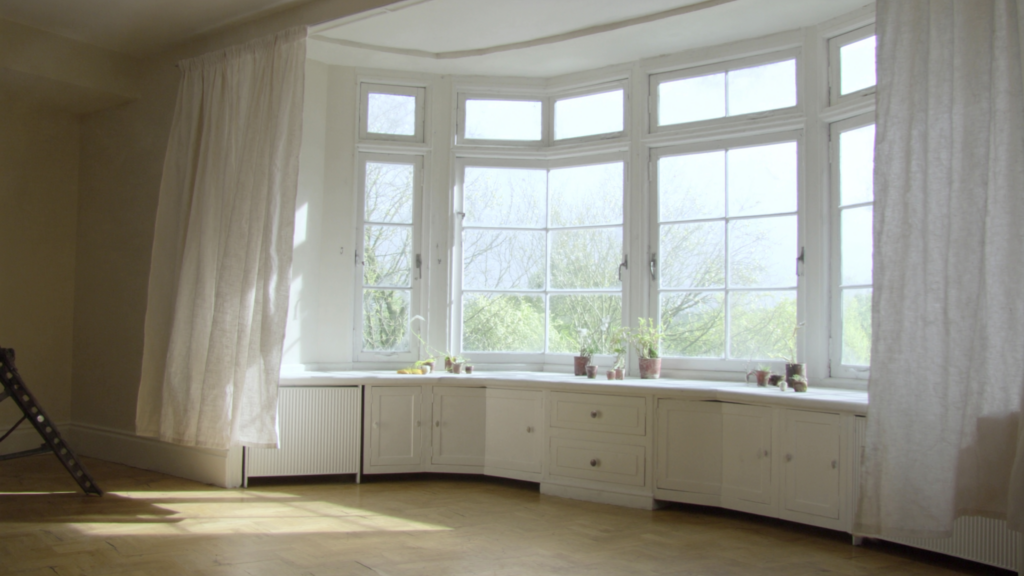
Why Walsall Homeowners Are Rushing Towards Double Glazing Right Now
There’s something of a quiet revolution happening on the streets of Walsall. From the Victorian terraces of Pleck to the post-war semis of Bloxwich and Aldridge, homeowners are finally tackling those draughty single-glazed windows that have been costing them a small fortune every winter. And honestly, it’s hard to blame them.
Walsall sits at the heart of the Black Country, and while it doesn’t face the battering that coastal towns endure, those damp, grey West Midlands winters still push heating bills sky-high, especially in the older housing stock that dominates so much of this town. With the average Walsall home sitting at EPC Band D, there’s real, tangible money to be saved, and double glazing is one of the most impactful upgrades you can make.
The West Midlands Combined Authority has also been making serious noise about retrofit programmes, which means Walsall Council is increasingly pointing residents towards energy efficiency improvements. Fuel poverty is a genuine concern in parts of this town, and double glazing, combined with available grant funding, is finally within reach for many families who assumed it wasn’t.
What Double Glazing Actually Involves for a Typical Walsall Home
Most homes in Walsall were built between the 1890s and the 1970s, a mix of Edwardian and Victorian terraces around the town centre and inner suburbs, and a large swathe of 1930s to 1960s semis spreading out through areas like Streetly, Pelsall, and Great Barr. Each era brings its own quirks for window replacement.
If you live in a pre-war terrace around Caldmore or Palfrey, you likely have original timber frames with single-glazed sash or casement windows. These aren’t just inefficient, they can be structurally awkward to replace because the brickwork and lintels were built around a specific frame size. A good installer will assess whether the existing frame can be overboarded or whether a full removal is needed.
For 1930s and 1950s semis, which make up a huge chunk of Walsall’s housing, the windows are usually larger bay-fronted casements. These are actually quite straightforward to replace with uPVC or aluminium double glazing, and the results are dramatic. Many homeowners report an immediate, noticeable difference in background noise from nearby roads.
A few things to be ready for specifically in Walsall:
- Terraced rows with limited access, On some of the tighter streets near the town centre and around Blakenall, there’s minimal space for installer vehicles. This can add slightly to your quote as teams work manually rather than with powered equipment.
- Older brickwork, Some of the town’s older Victorian and Edwardian properties have soft or aging mortar around window reveals. Installers may flag this and recommend minor remedial work before fitting.
- Bay windows, Common across the inter-war semis, bays require more careful measuring and often three-panel configurations. They take longer to fit and cost more than standard flat-fronted windows.
- Existing uPVC from the 1990s, A significant number of Walsall homes had double glazing installed during the 1990s boom. If that’s you, it may be reaching end-of-life. Replacing ageing sealed units (rather than entire frames) is sometimes an option and is considerably cheaper.
How Much Double Glazing Costs in Walsall and the West Midlands Area in 2026
Labour costs in the West Midlands sit comfortably below London and the South East, which is genuinely good news. Walsall benefits from strong local competition, installers from across the Black Country, including those who cover Wolverhampton, Dudley, and Cannock, all actively quote in this area, keeping prices competitive.
Here’s what you can realistically expect to pay in 2026:
| Property Type | Number of Windows | Standard uPVC Double Glazing | Premium uPVC or Aluminium | Triple Glazing Upgrade |
|---|---|---|---|---|
| 2-bed mid-terrace | 5–6 | £2,800 – £3,800 | £4,200 – £5,500 | £5,500 – £7,000 |
| 3-bed semi-detached | 8–10 | £4,200 – £5,800 | £6,000 – £8,500 | £8,000 – £11,000 |
| 3-bed end-terrace | 9–11 | £4,500 – £6,200 | £6,500 – £9,000 | £8,500 – £11,500 |
| 4-bed detached | 12–15 | £6,500 – £9,000 | £9,000 – £13,000 | £12,000 – £16,000 |
| Sealed unit replacement only (per unit) | – | £85 – £150 | £150 – £220 | £180 – £280 |
Walsall prices typically run around 5–10% below the national average, and you’ll generally pay less here than in Sutton Coldfield (where premium fitters serve a wealthier demographic and price accordingly). Wolverhampton and Dudley are broadly comparable. Cannock and the northern fringes of the Black Country tend to be slightly cheaper still due to lower overheads.
Always get at least three quotes. Given that multiple installers serve the Walsall–Wolverhampton–Dudley triangle, there’s no shortage of competition, use it to your advantage.
How Walsall’s Weather and Location Affect Your Double Glazing Choices
Walsall doesn’t get battered by coastal storms or extreme cold snaps, but don’t let that lull you into thinking any old window will do. The town’s climate has its own specific demands that are worth understanding before you spend thousands.
Rainfall here runs between 700mm and 900mm per year, not dramatic, but persistent. That consistent moisture means window seals and frames need to handle sustained damp rather than periodic downpours. Poorly specified units can see seal failure within five to eight years in these conditions. Always ask about the manufacturer’s warranty on sealed unit integrity, ten years should be a minimum expectation.
Wind exposure is moderate. You’re not on a hillside or a coastal plain, but Walsall’s open suburban areas, particularly around Rushall, Shelfield, and the northern parts towards Brownhills, can catch a decent breeze. A mid-range energy rated window (at minimum a Window Energy Rating of Band B) is perfectly adequate for most of the town.
The heating season here runs to roughly 1,600–1,800 degree days per year, squarely in the middle of England’s range. You’re not in a climate that demands the ultra-high-performance triple glazing you’d consider in northern Scotland, but there’s a strong case for argon-filled double glazed units with low-emissivity (Low-E) coatings as a sweet spot between cost and performance.
One often-overlooked factor in Walsall is road noise. The A34, A454, and the network of arterial roads through the Black Country mean many homes deal with persistent traffic noise. A good double glazed unit with a 16mm or 20mm gap between panes delivers meaningful acoustic improvement, this is one case where spending a little more genuinely pays off in day-to-day comfort, not just energy bills.
The Products and Options That Actually Perform Well in Walsall Homes
Given the housing stock and climate here, here’s an honest steer on what to buy, not just what salespeople tend to push.
For the majority of Walsall terraces and semis
White uPVC casement windows with argon-filled Low-E glazing remain the best value option for most homeowners. Look for a U-value of 1.2 W/m²K or lower, this is achievable in standard double glazing and is a significant step up from single glazing’s typical 5.0+ W/m²K. A Window Energy Rating of at least Band A is worth insisting on.
For bay windows on inter-war semis
Three-panel uPVC bays are the norm here. Flush casement styles tend to suit the 1930s aesthetic better than the chunkier standard styles. If budget allows, a slim sightline aluminium frame can look genuinely impressive on these properties without sacrificing thermal performance, modern thermally broken aluminium achieves U-values around 1.4 W/m²K.
For Victorian and Edwardian terraces in character areas
If you’re in a non-conservation street but have a period property, timber-effect or heritage-style uPVC is worth considering. It’s more expensive than standard white uPVC (add roughly 15–20% to your quote) but looks far more sympathetic and adds to kerb appeal.
Triple glazing, is it worth it in Walsall
Honestly, for most homes here, it’s marginal. The payback period stretches out compared to double glazing, and Walsall’s climate doesn’t push you into territory where triple glazing’s additional performance is transformative. The exception is if you’re on a very noisy road, or building a new extension, in those cases, the acoustic and thermal benefits stack up better.
- Minimum U-value to aim for, 1.2 W/m²K
- Gas fill, Argon as standard, krypton for premium performance
- Glass coating, Low-E (low emissivity) on inner pane as standard
- Frame colour, Anthracite grey has become hugely popular across the Black Country, but white remains cheapest and easiest to source locally
- Pane gap, 16mm to 20mm is the sweet spot for both thermal and acoustic performance
How to Find a Trustworthy Double Glazing Installer Near Walsall
The double glazing industry has historically had a reputation problem, but things have improved substantially, especially in a competitive market like Walsall where installers know you can walk down the road and call someone else. Still, there are things to check.
FENSA registration is non-negotiable. FENSA (Fenestration Self-Assessment Scheme) means the installer can self-certify the work complies with Building Regulations and registers the installation with your local council. Without this, you’ll need to apply for a Building Regulations completion certificate separately, a hassle when you come to sell your home.
TrustMark accreditation is a strong positive sign, it’s government-endorsed and means the company has been vetted for quality and trading standards.
Ask specifically whether the installer operates in both Walsall and the surrounding area, companies covering Wolverhampton, Dudley, and Cannock tend to be well-established, larger operations with proper warranties and insurance. Smaller one-person operations aren’t necessarily bad, but check they have public liability insurance and a physical business address.
Red flags to watch for:
- High-pressure same-day pricing, “this offer expires tonight” is a classic tactic, walk away
- No physical address or only a mobile number
- Quotes with no itemised breakdown
- Warranties that are underwritten by the company itself rather than an independent insurance-backed scheme
- Installers who can’t tell you their FENSA registration number on the spot
Lead times in the West Midlands area currently run to around four to eight weeks for standard uPVC, and eight to twelve weeks for bespoke colours or aluminium frames. Plan ahead, especially heading into autumn.
Grants and Funding That Could Cut Your Costs in 2026
This is where it’s worth paying close attention, because Walsall residents have access to several funding streams that can dramatically reduce what you actually pay.
ECO4 (Energy Company Obligation)
The ECO4 scheme requires large energy suppliers to fund energy efficiency improvements for eligible households. If you’re on a qualifying benefit (such as Universal Credit, Pension Credit, or Child Tax Credit) and your home is EPC Band D or below, you could qualify for fully funded or heavily subsidised double glazing as part of a wider retrofit package. Given that Walsall’s average EPC is Band D, a significant proportion of local households sit right at this threshold. Contact Walsall Council’s housing team or check directly with your energy supplier.
Great British Insulation Scheme (GBIS)
The Great British Insulation Scheme closed on 31 March 2026. It funded insulation measures only and never covered windows or glazing. Many Walsall properties fall into bands A, B, and C, if yours does, it’s worth checking eligibility. The Great British Insulation Scheme closed on 31 March 2026. It funded insulation measures only and never covered windows or glazing.
West Midlands Combined Authority Retrofit Programme
The WMCA has been running its own retrofit funding streams, and Walsall Council participates in these. The focus tends to be on whole-house retrofits rather than individual measures, but double glazing can qualify as part of a broader upgrade. Check with Walsall Council’s housing energy team directly, or visit the WMCA’s dedicated retrofit hub online.
Walsall Council Local Authority Retrofit Schemes
Walsall Council has historically partnered with housing associations and energy suppliers to deliver funded improvements to private homes, particularly in areas with higher fuel poverty rates like Blakenall Heath, Birchills, and Caldmore. These schemes come and go, so it’s worth calling the council’s housing services line to ask what’s currently active.
Even if you don’t qualify for a full grant, some schemes offer interest-free or low-interest loans that make the upfront cost more manageable.
Planning Permission and Building Regulations in Walsall, What You Need to Know
For most Walsall homeowners, the good news is that replacing windows with double glazing falls under permitted development rights, meaning you don’t need planning permission, as long as the work meets certain conditions.
The key requirements under permitted development are that replacement windows must be of a similar appearance to the originals, and must comply with current thermal performance standards under Part L of the Building Regulations. Your FENSA-registered installer handles the Building Regulations side automatically.
However, there are important exceptions in Walsall:
- Conservation areas, Parts of Walsall town centre and some historic neighbourhoods fall under conservation area status, overseen by Walsall Council’s planning department. In these areas,