Why Eco Home Improvements Matter So Much in Shetland
Shetland sits further north than most people realise, closer to Bergen in Norway than to London, perched out in the North Atlantic where the weather does exactly what it wants. It’s a remarkable place to live, with a fiercely independent character, striking landscapes, and a strong sense of community. But those same features that make Shetland special also make keeping your home warm genuinely challenging and genuinely expensive.
With around 7,000 residents spread across the islands and centred on Lerwick, Shetland is one of the most compact counties in Scotland, but also one of the most exposed to the elements. The combination of long, dark winters, persistent Atlantic winds, and older housing stock means the average Shetland household uses significantly more energy than homes further south.
That’s actually good news for eco home improvements. The colder your climate and the less efficient your home, the bigger the difference that proper insulation, better heating systems, and renewable energy can make. Shetland homeowners who invest in eco improvements often see some of the most dramatic savings anywhere in the UK, and that’s before you factor in the generous Scottish Government funding available to help with upfront costs.
This guide covers everything you need to know about eco home services across Shetland in 2026, from what’s available and what it costs, to the grants you might be entitled to and the planning rules you need to be aware of.
Understanding Energy Performance Across the Shetland Islands
The average home in Shetland sits at EPC Band D, which puts it broadly in line with the UK national average. But that headline figure hides quite a lot. In Shetland’s context, a Band D home in a northern island climate is working much harder, and costing much more to run, than a Band D home in, say, the south of England.
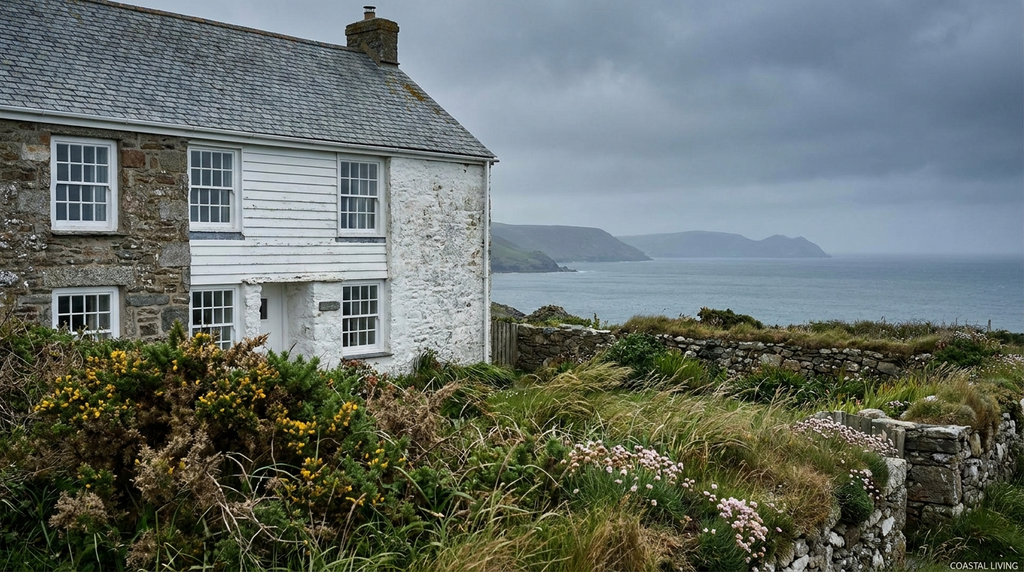
Shetland’s housing stock is a genuine mix. You’ll find solid stone-built croft houses and older cottages that predate modern insulation standards, alongside post-war semi-detached and detached properties that have had varying levels of improvement over the decades. Lerwick itself has a range of property types, from older town centre terraces to more recent detached builds on the outskirts.
The islanders who tend to feel it most are those in older detached stone properties without cavity walls. These homes are harder to insulate and often rely on oil-fired central heating, which has become increasingly expensive. With the average Shetland household using around 15,000 kWh of gas (or heating fuel) per year, well above the UK median of roughly 12,000 kWh, annual heating bills can easily reach £1,800 to £2,400 depending on the fuel type and tariff.
Electricity use runs at around 3,500 kWh per year on average, which translates to roughly £840 to £1,000 annually at current rates. Combined, many Shetland households are spending £2,500 to £3,500 per year on energy, sometimes more if the home is poorly insulated or if oil is the primary heating fuel.
The good news is that even modest improvements, proper loft insulation, draught-proofing, or upgrading an old boiler, can push a Band D home up to Band C, cutting bills by £400 to £700 per year in many cases. Bigger upgrades like heat pumps and solar panels can push savings significantly further.
The Eco Home Services Available to Shetland Residents
The full range of eco home improvements is available across Shetland, though the island geography does affect which installers can reach you and how quickly. Here’s a practical overview of what’s on the table.
Solar Panels
Shetland gets 700 to 900 sunshine hours per year, less than the UK average, but the long summer days compensate considerably. A south-facing roof in Lerwick can generate a meaningful amount of electricity from late spring through early autumn. A typical 4kW system costs £5,000 to £7,500 installed and could generate around 2,800 to 3,200 kWh annually in Shetland conditions.
Adding battery storage (typically £2,500 to £4,000 extra) makes a lot of sense here, storing daytime summer generation for use in evenings and through darker months. Solar thermal panels for hot water are also worth considering, particularly if you’re already replacing a roof or hot water cylinder.
Heat Pumps
Air source heat pumps are particularly well-suited to Shetland. Modern units work efficiently even in sub-zero temperatures, and they’re a natural replacement for oil-fired heating systems, which are common across the islands given the absence of a mains gas network in most areas. A typical air source heat pump costs £8,000 to £13,000 installed, and ground source systems (which can work very well in rural Shetland properties with land) run from £18,000 to £28,000.
The Boiler Upgrade Scheme provides a £7,500 grant toward an air source heat pump. That makes this a realistic option for many households.
Insulation
In Shetland’s climate, insulation delivers the fastest and most reliable returns of any eco improvement. Loft insulation, wall insulation (cavity or solid), and underfloor insulation all have significant impact. Many older Shetland properties have solid stone walls, so external wall insulation is often the most practical route, though it requires careful specification to suit the exposed coastal environment.
Windows and Glazing
Upgrading to triple glazing rather than double is worth serious consideration in Shetland. The additional thermal performance genuinely matters at these latitudes, and the reduction in draughts and condensation makes a real difference to comfort. Expect to pay £600 to £900 per window for quality triple-glazed units.
Draught-Proofing and Ventilation
In a place as windy as Shetland, draught-proofing is one of the highest-value, lowest-cost improvements you can make. Professional draught-proofing of an average home costs just £200 to £400 and can save £100 to £200 per year in heating costs. Heat recovery ventilation systems work well alongside draught-proofing to maintain air quality.
Typical Costs and Savings for Shetland Properties
Here’s a practical breakdown of what common eco improvements typically cost across Shetland’s most common property types, with realistic savings estimates based on the local climate and energy usage patterns.
| Improvement | Semi-Detached, Typical Cost | Detached, Typical Cost | Estimated Annual Saving | Approximate Payback Period |
|---|---|---|---|---|
| Loft Insulation (top-up) | £300 – £500 | £400 – £700 | £150 – £300 | 2 – 4 years |
| Cavity Wall Insulation | £700 – £1,200 | £900 – £1,600 | £200 – £400 | 3 – 5 years |
| External Wall Insulation (solid walls) | £8,000 – £14,000 | £12,000 – £22,000 | £400 – £700 | 15 – 25 years |
| Air Source Heat Pump (after BUS grant) | £2,000 – £6,000 | £3,000 – £7,000 | £400 – £900 | 5 – 10 years |
| Solar PV (4kW system) | £5,000 – £7,000 | £5,500 – £7,500 | £350 – £600 | 9 – 14 years |
| Triple Glazing (full house) | £6,000 – £10,000 | £8,000 – £15,000 | £200 – £400 | 15 – 25 years |
| Draught-Proofing | £200 – £350 | £300 – £450 | £100 – £200 | 1 – 3 years |
Practical tip, in Shetland’s climate, always prioritise insulation and draught-proofing before investing in renewable generation. A leaky, under-insulated home wastes energy regardless of how it’s generated. Get the envelope right first, then look at heat pumps and solar.
Grants and Funding Available to Shetland Homeowners in 2026
Shetland residents benefit from both UK-wide and Scotland-specific funding schemes, and the combination is genuinely generous. Here’s what’s available right now.
Home Energy Scotland
This is Scotland’s flagship advice and funding service, and it’s free to use. Home Energy Scotland advisors can assess your home, help you prioritise improvements, and connect you with funding. Importantly, they administer interest-free loans of up to £15,000 for energy efficiency improvements, a huge help when upfront costs are the main barrier. Call them or go online to get started, there’s no cost and no obligation.
Warmer Homes Scotland
If you’re on a qualifying benefit, a low income, or your home is particularly energy inefficient, you may be eligible for free improvements through Warmer Homes Scotland. This scheme can fund insulation, heating system upgrades, and draught-proofing at no cost to you. Given Shetland’s higher-than-average energy costs, this scheme is particularly impactful here, it’s worth checking your eligibility even if you’re not sure you qualify.
ECO4 (Energy Company Obligation)
ECO4 is the UK-wide scheme that obliges large energy companies to fund improvements in low-income and vulnerable households. Shetland homeowners on certain benefits or with an EPC below Band D may qualify for funded insulation, heating upgrades, or solar installations. Your energy supplier or Home Energy Scotland can help you check eligibility.
Boiler Upgrade Scheme
The Boiler Upgrade Scheme (BUS) provides a £7,500 grant toward the cost of an air source heat pump and a £7,500 grant toward a ground source heat pump. Given how many Shetland properties rely on oil heating and could benefit from switching, this is one of the most practically useful grants available right now. It’s applied directly by your MCS-certified installer, so you don’t need to handle the paperwork yourself.
Great British Insulation Scheme
The Great British Insulation Scheme closed on 31 March 2026. It funded insulation measures only and never covered windows or glazing. With Shetland’s average at Band D, many households are in scope. The scheme covers loft insulation, cavity wall insulation, and in some cases solid wall insulation.
Comparison of Key Funding Options
| Scheme | Maximum Funding | Who Is Eligible | Administered By |
|---|---|---|---|
| Home Energy Scotland Loan | £15,000 interest-free | Most Scottish homeowners | Home Energy Scotland |
| Warmer Homes Scotland | Free improvements (no cap stated) | Low income, benefits, poor EPC | Home Energy Scotland |
| Boiler Upgrade Scheme | £7,500 per heat pump | Owner-occupiers replacing fossil fuel heating | Ofgem via installer |
| ECO4 | Varies by measure | Low income, benefits, EPC D or below | Energy suppliers |
| Great British Insulation Scheme | Varies by measure | EPC D–G, lower council tax bands | Energy suppliers |
The single best first step for any Shetland homeowner is to call Home Energy Scotland. They can tell you exactly which schemes you’re eligible for, help you avoid mistakes, and point you toward trusted local installers.
Planning Permission and Local Authority Rules in Shetland
Planning for eco home improvements in Shetland is handled by Shetland Islands Council, which is the single local authority for the entire archipelago. Understanding what does and doesn’t need planning permission can save you time and money.
Most standard eco improvements fall under permitted development rights, meaning you don’t need formal planning permission. This typically includes loft insulation, cavity wall insulation, most heat pumps (subject to conditions), and solar panels on rear-facing roof slopes. However, Shetland has some particular considerations worth being aware of.
Lerwick town centre has areas with conservation designations, and if your property falls within one of these, or if it’s a listed building, the rules are stricter. External wall insulation, changes to window styles, and solar panels on front elevations may require consent in these areas. Always check with Shetland Islands Council’s planning department before proceeding.
For heat pumps, Scotland’s permitted development rules allow most air source installations without planning permission, provided the unit meets noise level requirements and isn’t installed on a listed building or within a designated area. Your installer should confirm this as part of the survey process.
Scotland’s Section 6 building regulations apply to all energy-related building work, and they set standards for insulation, heating systems, and ventilation that are separate from (and sometimes stricter than) the permitted development rules. Any reputable installer will handle the building warrant process if required, but it’s worth asking about this upfront.
Practical tip, if you’re at all uncertain, contact Shetland Islands Council’s planning and building standards team before you commission any work. A quick call can prevent costly mistakes, especially with older or listed