The forecast landed this week: the UK energy price cap could reach almost £2,200 a year from October. The Times reports the figure as almost £2,200; The Independent carries the same number and names the cause: the Iran war driving up gas prices. The Financial Times had already modelled a cap close to £2,000 at the end of September, when the gas spike was younger.
That is a forecast, not a confirmed cap. Ofgem will publish the formal figure in late August. But the direction is clear, and the arithmetic is unforgiving: a typical 3-bed semi using 2,900 kWh of electricity and 12,000 kWh of gas would pay roughly £183 a month at £2,200 a year, before standing charges and any regional variation.
Why the forecast moved, and why the outlets differ
The trigger is not UK policy. It is the gas price. Iran-related disruption has pushed European gas benchmarks higher, and the UK still burns gas for roughly a third of its electricity and for most home heating. The Times and The Independent both put the cap at almost £2,200; the FT’s earlier figure of nearly £2,000 reflects a lower gas curve at the time of writing. The gap of about £200 is the cost of a few weeks of market movement, and a reminder that any forecast published before Ofgem’s August announcement is a moving target.
For a household on a standard variable tariff, the difference between £2,000 and £2,200 is roughly £17 a month. That is not trivial, but it is smaller than the gap between a well-insulated home and a leaky one. A 3-bed semi with uninsulated cavity walls and a 15-year-old boiler can use 30–40% more gas than the same house upgraded to EPC C. At £2,200 a year, that is £600–£800 of avoidable cost.
What it costs a typical 3-bed semi
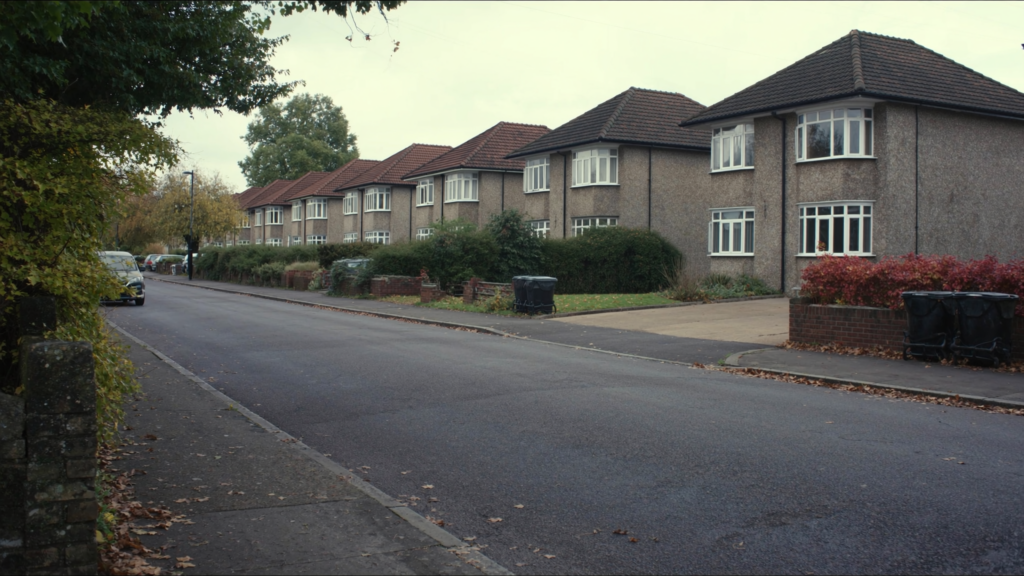
Take a gas-heated 3-bed semi in the Midlands, EPC D, using 12,000 kWh of gas and 2,900 kWh of electricity. At the forecast cap, the annual bill is about £2,200. Add water and standing charges and the monthly direct debit lands near £200. The same house after cavity wall insulation (£500–£1,000), 270 mm of loft insulation (£300–£600) and a smart thermostat (£150–£250) typically cuts gas use by 20–25%, about £250–£350 a year at this cap.
Solar is the other lever. A 4 kWp array with a battery costs £6,000–£8,000 installed and generates roughly 3,600 kWh a year in southern England. At 24.5p/kWh, that is about £880 of avoided electricity, plus export payments. The payback is 7–9 years at current prices, shorter if the cap stays near £2,200.
Grants and the EPC threshold
The Boiler Upgrade Scheme offers £7,500 towards an air-source heat pump in England and Wales. The grant is upfront and does not depend on income, but the installer must be MCS-certified and the property must have a valid EPC. The Energy Company Obligation (ECO4) funds insulation and heating upgrades for households on means-tested benefits or with a low EPC rating; the Great British Insulation Scheme covers cavity and loft insulation for a wider group. The Home Upgrade Grant (HUG2) is administered by councils and targets off-gas-grid homes in bands D–G.
None of these grants requires you to wait for the October cap. In practice, the bottleneck is installer availability: heat pump lead times are typically 6–12 weeks, and insulation crews are booking into autumn. Households that start now will have the work done before the coldest quarter.
The catch in the forecast
But the £2,200 figure assumes the gas spike holds through the August cap announcement. It may not. The FT’s earlier £2,000 forecast shows how quickly the number moves with the wholesale market. If gas retreats, the cap could land closer to £2,050, still high, but £150 lower than the headline. The risk is asymmetric: a household that spends £8,000 on solar and insulation based on a £2,200 forecast will still see a payback if the cap falls to £2,000, but the case is weaker.
What the forecasts miss is the regional and payment-method gap. Prepayment customers pay a premium; direct-debit customers in Scotland and northern England pay more for distribution than those in London. The £2,200 is a national average, not a bill. A 3-bed semi in Aberdeenshire could see £2,400; a flat in inner London, £1,700.
What to do before October
Check your EPC first, it is the gate to most grants and green mortgages. If you are band D or below, book a retrofitting assessment; many councils offer them free through HUG2. Then apply for the Boiler Upgrade Scheme through an MCS-certified installer if your boiler is nearing end of life; the £7,500 grant is confirmed for the current scheme year. If you are on a standard variable tariff, ask your supplier about a fixed deal, but only if the standing charge and exit fees are clear.
Finally, treat the £2,200 forecast as a planning number, not a promise. The formal cap arrives in late August. Households that act between now and then will pay for the work once and benefit for a decade; those that wait will pay the cap instead.
Frequently Asked Questions
No. It is a forecast based on wholesale gas prices. Ofgem will publish the formal cap in late August, and the figure could move if gas prices fall or rise before then.
The £7,500 grant is set for the current scheme year and is not linked to the price cap. However, demand for installers tends to rise when bills spike, so lead times may lengthen.
Most grants require a valid EPC. ECO4 and HUG2 target homes in bands D–G; the Boiler Upgrade Scheme requires an EPC but has no minimum band. A band C or better also unlocks green mortgages.