The best insulation for a 1930s UK semi-detached house is a combination of cavity wall insulation (if the cavity is clear) and 300 mm+ of mineral wool loft insulation, which can cut heat loss by up to 35% and save around £300–£400 per year on energy bills (Energy Saving Trust, 2026).
1930s semis typically have uninsulated cavity walls (50–75 mm gap), a pitched roof with minimal loft insulation, and solid or suspended timber ground floors. The best solution depends on your specific wall construction: many 1930s cavities are clear and suitable for injected insulation, but some have rubble or are too narrow. A registered installer must inspect first. If cavity insulation isn’t possible, external wall insulation (EWI) or internal wall insulation (IWI) are alternatives, though they cost more and reduce floor space.
Cavity wall insulation is the most cost-effective option
For a 1930s semi with a clear cavity, injected mineral wool or EPS beads typically cost £600–£1,200 and pay back in 2–4 years. The Energy Saving Trust states that cavity wall insulation can save up to £315 per year for a typical semi-detached home (Energy Saving Trust, 2026). All installations must be done by a registered installer under the Cavity Wall Insulation Guarantee Agency (CIGA) or TrustMark scheme (TrustMark, 2026). If the cavity is narrow or contains debris, this option won’t work.
Loft insulation should be topped up to 300 mm
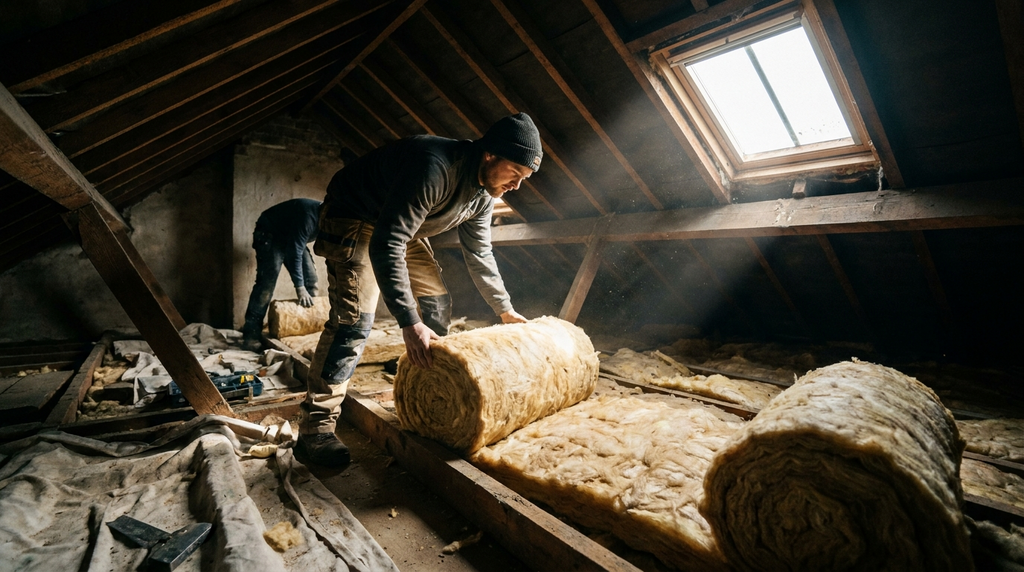
Most 1930s semis have less than 100 mm of loft insulation. Adding mineral wool rolls to reach 270–300 mm costs £300–£500 and saves around £250 per year (Energy Saving Trust, 2026). This is a DIY-friendly job but requires careful handling of existing wiring and avoiding blocking eaves ventilation. The UK Building Regulations (Part L) recommend 300 mm for new installations (GOV.UK, 2026).
Solid wall insulation for homes with no cavity
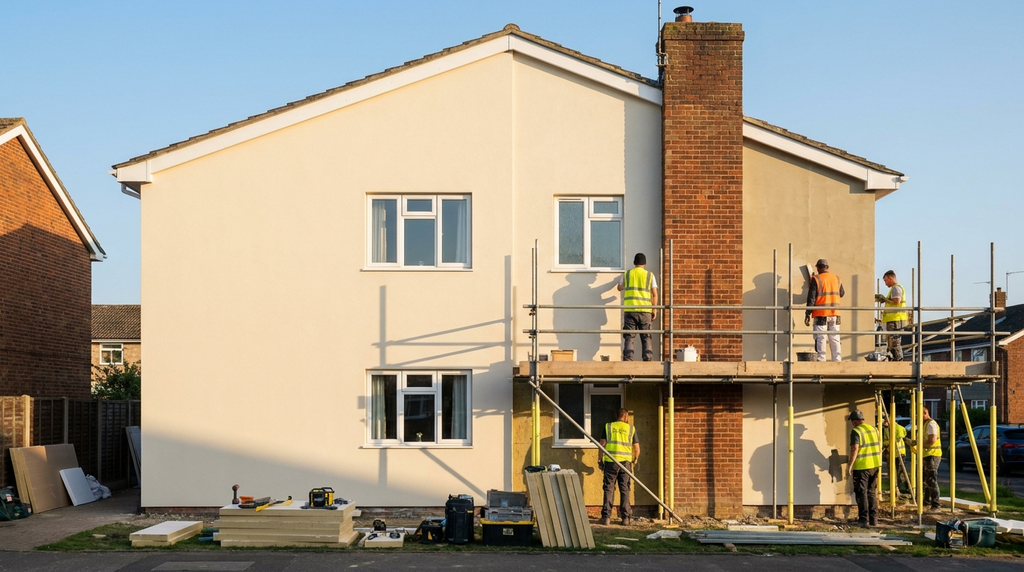
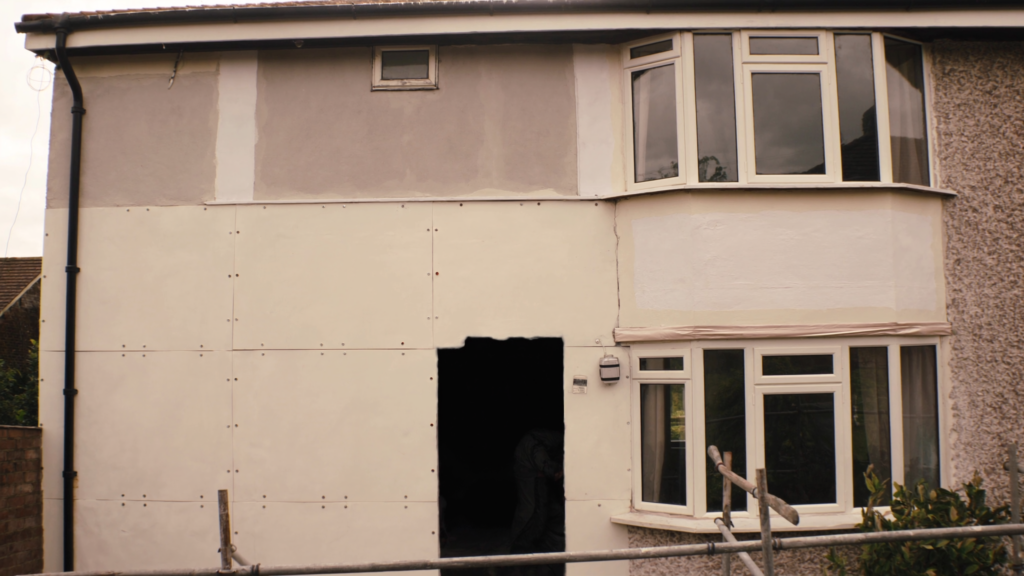
If the 1930s semi has solid brick walls (common in some regions), external wall insulation (EWI) costs £8,000–£14,000 and internal wall insulation (IWI) costs £4,000–£8,000 for a typical semi. The Energy Saving Trust says solid wall insulation can cut heat loss by up to 45% and save £300–£400 per year (Energy Saving Trust, 2026). EWI is more effective but changes the exterior appearance and requires planning permission in conservation areas. IWI reduces room size by 100–150 mm per wall.
A worked example
A typical 1930s semi-detached house in Manchester with uninsulated cavity walls and 50 mm of loft insulation will cost roughly £1,500 to upgrade after a £7,500 BUS grant is applied to a heat pump installation that includes cavity wall insulation. The Energy Saving Trust estimates that filling the 60 mm cavity with EPS beads and topping the loft to 300 mm of mineral wool saves around £380 per year on gas heating. Over 25 years, that adds up to £9,500 in energy savings, even before factoring in rising fuel prices. The payback period on the insulation work alone is under four years, and the 0% VAT on energy-saving materials (until March 2027) keeps the upfront cost lower. A TrustMark-registered installer must carry out the cavity work to maintain the 25-year CIGA guarantee.
| Item | Figure |
|---|---|
| Upfront cost after grants | £1,500 |
| Yearly savings | £380 |
| Payback period | 4 years |
| 25-year lifetime savings | £9,500 |
What homeowners often get wrong
The most common mistake is assuming all 1930s cavity walls are suitable for injected insulation without an inspection. Here are three frequent errors that cost homeowners money or void their guarantees.
- Ignoring cavity debris Many 1930s semis have rubble or mortar droppings in the cavity that block insulation. An inspection with a boroscope is essential, skipping it can lead to cold spots and damp bridging, wasting up to £1,200 on an ineffective installation.
- Choosing the wrong installer Hiring a general builder instead of a CIGA or TrustMark registered specialist voids the 25-year guarantee. If the insulation settles or causes damp, you face £2,000+ in remedial costs with no warranty cover.
- Overlooking ventilation Sealing a 1930s semi too tightly without adding trickle vents or an extractor fan traps moisture. This can lead to mould growth and timber rot, costing £3,000 to £5,000 for repairs that could have been avoided with a simple ventilation plan.
Quick reference
- Cavity wall insulation for a 1930s semi typically costs £600–£1,200 and pays back in 2–4 years through energy savings.
- Loft insulation must be topped to 300 mm of mineral wool to meet current Building Regulations and maximise savings.
- ECO4 funding can cover the full cost of cavity wall insulation for low-income households or those receiving certain benefits.
- A 1930s semi with a 60 mm clear cavity can save up to £315 per year with injected EPS beads (Energy Saving Trust, 2026).
- Never install cavity insulation if the wall faces severe wind-driven rain without checking for a weather-resistant outer leaf, this can cause damp penetration.
Frequently Asked Questions
Yes, if the cavity is clear and at least 50 mm wide. Ofgem and the Energy Saving Trust recommend a registered installer inspection first.
Typically £600–£1,200, with payback in 2–4 years. The Energy Saving Trust cites annual savings of up to £315.
300 mm of mineral wool is recommended. GOV.UK states this can save around £200 per year on energy bills.