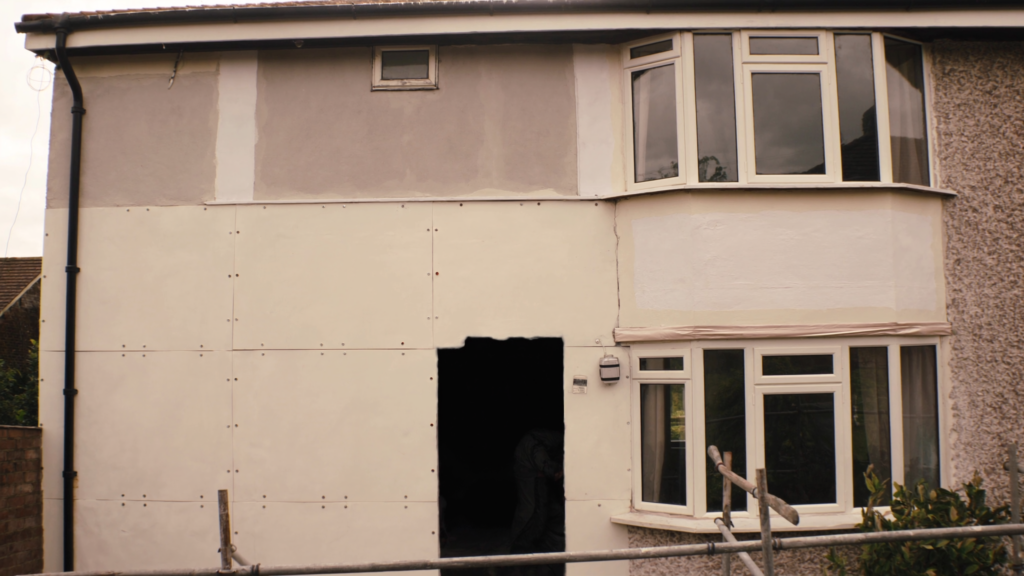
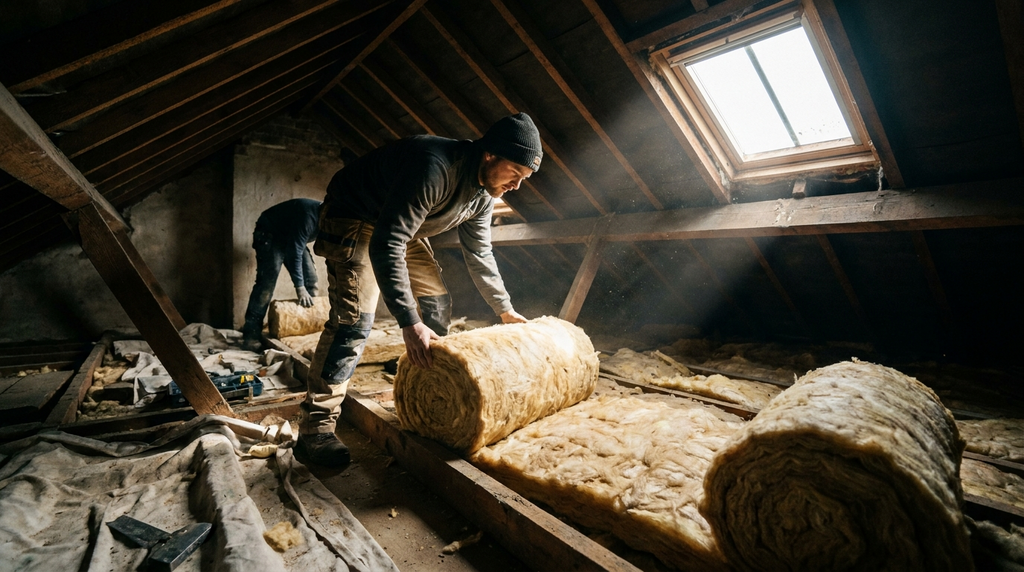
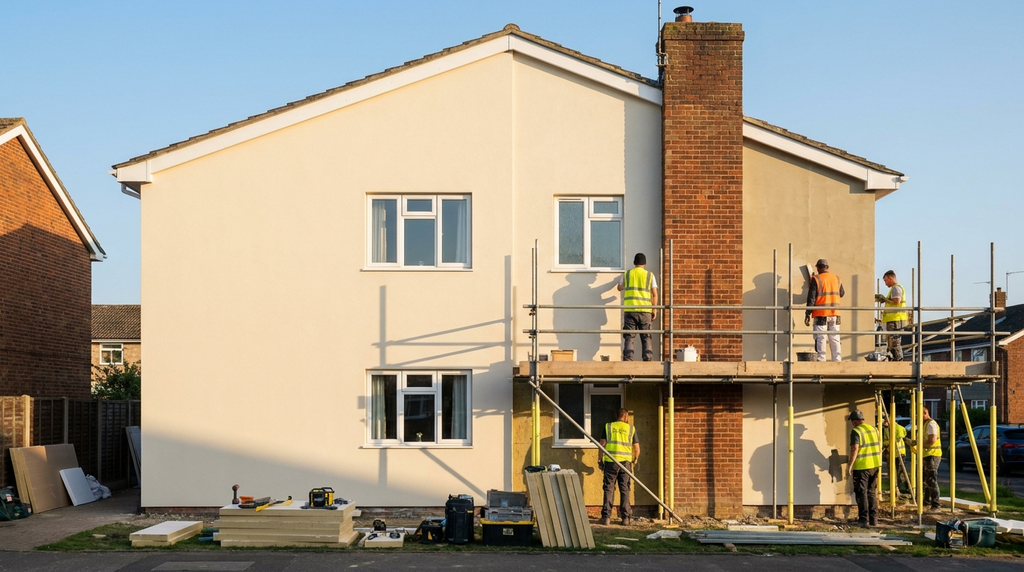
Yes, cavity wall insulation is typically worth it for a 1960s UK house, saving a typical semi-detached home around £395 per year on heating bills (Energy Saving Trust, 2026). This return makes it one of the most cost-effective retrofits for post-war homes, provided the cavity is suitable.
The key variable is your wall type. 1960s homes often have unfilled cavities of around 50mm-75mm, which are ideal for insulation. However, homes exposed to severe wind-driven rain, or those with existing damp issues, may not be suitable. A professional survey is essential to check the cavity condition and exposure rating before proceeding.
Typical cost and payback period
Installing cavity wall insulation in a 1960s semi-detached house costs between £1,200 and £2,800, depending on property size and access (GOV.UK, 2026). With annual savings of roughly £395, the payback period is typically 3 to 7 years. The insulation lasts for at least 25 years, meaning you save for over two decades after the initial cost is recouped.
Eligibility for grants and support
The Great British Insulation Scheme closed on 31 March 2026. It funded insulation measures only and never covered windows or glazing. Even without benefits, the ECO4 scheme offers partial funding for owner-occupiers with an EPC rating of D or below. Check your eligibility via the GOV.UK energy grants checker.
Key risks and how to avoid them
Poor installation in a 1960s house can lead to damp bridging, especially if the wall is exposed to driving rain. Always use a CIGA-registered installer with a 25-year guarantee (MCS Certified, 2026). A pre-installation survey must include a cavity condition report and an exposure rating check. Avoid any installer who does not conduct a full survey first.
A worked example
The Great British Insulation Scheme closed on 31 March 2026. It funded insulation measures only and never covered windows or glazing. The Energy Saving Trust estimates annual heating savings of £395, based on a gas-heated home with three bedrooms and 85m² of external wall area. Payback for a full-cost installation lands at 4.6 years, well within the 25-year lifespan of the blown mineral wool or EPS beads. Over that quarter-century, total savings reach £9,875 at current energy prices, even assuming modest annual inflation. A professional cavity survey, costing around £150, checks for rubble, mortar bridges and damp, a non-negotiable step before any installer proceeds under the Cavity Insulation Guarantee Agency (CIGA) 25-year warranty.
| Item | Figure |
|---|---|
| Upfront cost after grants | £1,800 |
| Yearly savings | £395 |
| Payback period | 4.6 years |
| 25-year lifetime savings | £9,875 |
What homeowners often get wrong
The most common mistake is assuming all 1960s cavity walls are suitable without a professional damp and exposure survey. Three frequent errors cost homeowners money and cause long-term problems.
- Believing any cavity can be filled A 1960s house in a high-exposure area for wind-driven rain (zones 3 or 4 on the UK exposure map) may suffer moisture penetration if the cavity is insulated without proper drainage. The correct approach is to install a partial-fill system with a clear cavity or use hydrophobic-treated beads, or to avoid retrofitting altogether, a missed survey can lead to £5,000+ in damp repair costs.
- Skipping the pre-installation survey Many assume a quick visual check is enough, but hidden issues like mortar debris, old wall ties or a narrow cavity under 50mm can void the CIGA warranty. A full borescope survey with five to ten inspection holes costs about £150 and identifies problems that, if ignored, result in a failed installation with no guarantee, leaving you to pay for removal at £1,000-£2,000.
- The Great British Insulation Scheme closed on 31 March 2026. It funded insulation measures only and never covered windows or glazing. Missing this means paying £1,800 out of pocket when the scheme could have covered the full cost, check eligibility on gov.uk before paying a private installer.
Quick reference
- A 1960s semi-detached home with unfilled 50-75mm cavities saves £395 per year on heating after insulation is installed.
- The Great British Insulation Scheme closed on 31 March 2026. It funded insulation measures only and never covered windows or glazing.
- Professional cavity surveys cost around £150 and are mandatory before any installation to check for damp, debris and wall tie condition.
- Payback period for a £1,800 installation is roughly 4.6 years, with total savings exceeding £9,800 over the 25-year insulation lifespan.
- Installing in a high-exposure area without proper assessment risks moisture penetration that can cost over £5,000 to remediate.
Frequently Asked Questions
Installing cavity wall insulation in a 1960s semi-detached house costs between £1,200 and £2,800, according to GOV.UK. Costs vary by property size and access.
Yes, if installed in a house with existing damp or severe wind-driven rain exposure, it can cause issues. A professional survey is essential to check suitability first.
The ECO4 scheme also offers partial funding for those with an EPC rating of D or below.