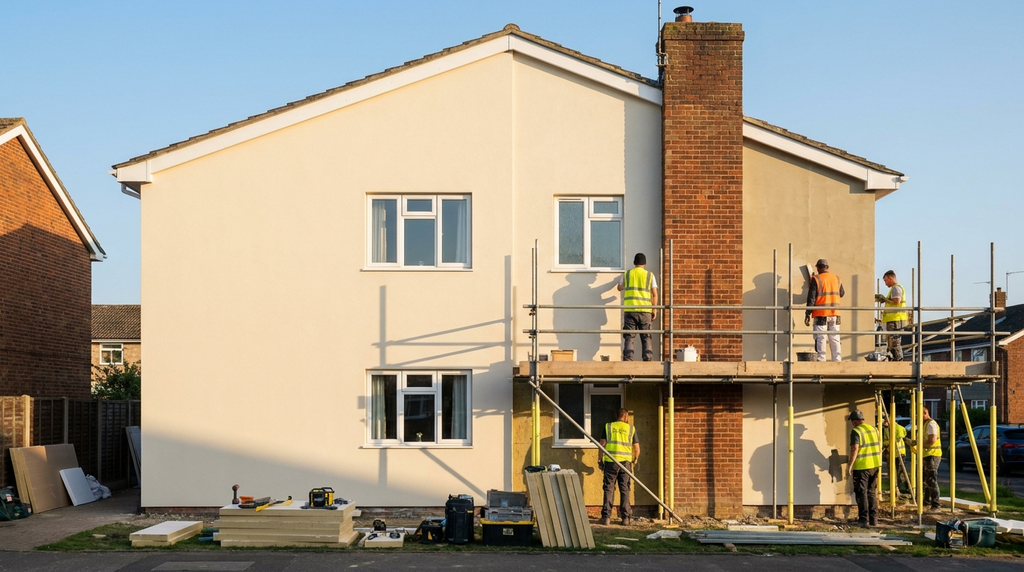
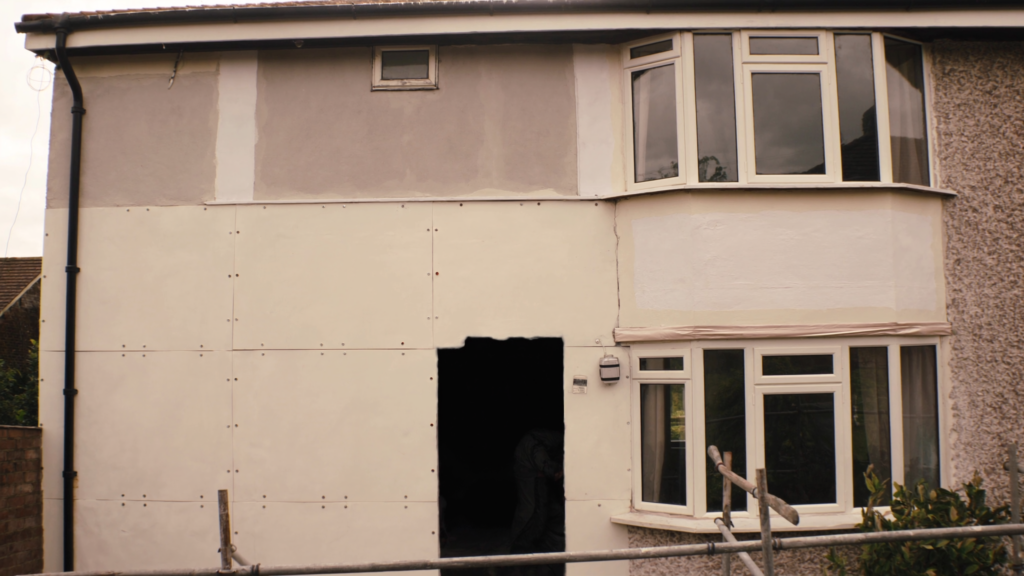
The single most important thing to know cavity wall insulation does not inherently cause damp, but it can if installed incorrectly or in the wrong property
Damp from cavity wall insulation is almost always a result of improper installation, unsuitable property type, or pre-existing structural defects, not the insulation material itself. The risk is real but preventable: an estimated 5–10% of cavity wall installations lead to damp issues, mainly in homes exposed to severe wind-driven rain (DESNZ, 2026). The key to avoiding damp is correct eligibility assessment and installation by an MCS-certified or CIGA-registered installer.
Homeowners should never assume their property is suitable without a professional survey, visible signs like damp patches or mould inside may indicate existing problems that insulation can worsen. The direct answer is that cavity wall insulation itself is not the cause; the cause is almost always a combination of installation error, pre-existing defects, or an unsuitable building type.
Damp risk is highest in homes with south-west or west-facing walls exposed to wind-driven rain
Properties in exposure zones 3 or 4 are at greatest risk, these are homes on exposed hills, coastal areas, or open countryside (BRE, 2026). Wind-driven rain can saturate the outer leaf of a cavity wall, and if the insulation bridges the cavity or is poorly installed, moisture transfers to the inner leaf. The UK Government’s Standard Assessment Procedure (SAP) and the Domestic Buildings Services Compliance Guide recommend cavity wall insulation only for walls with a minimum cavity width of 50mm and no existing damp (GOV.UK, 2026).
If your home has pebbledash rendering, a south-west facing elevation, or is in a high-exposure postcode, you may be ineligible for grant-funded installation. The exposure zone is determined by postcode and local topography, and an installer should check this before any work begins.
Quick numbers damp risk, grant eligibility, and installation costs
| Item | Value | Source |
|---|---|---|
| Estimated proportion of cavity wall installations that develop damp | 5–10% | DESNZ, 2026 |
| Maximum cavity wall insulation grant available under ECO4 | £4,000 per property | Ofgem, 2026 |
| Minimum cavity width required for safe installation | 50mm | GOV.UK, 2026 |
| Typical homeowner contribution for cavity wall insulation (if ineligible for grant) | £1,500–£3,000 | Energy Saving Trust, 2026 |
| Annual energy bill saving from cavity wall insulation (average UK home) | £200–£300 | Energy Saving Trust, 2026 |
Who qualifies for cavity wall insulation grants (and who is automatically excluded)
The ECO4 scheme funds cavity wall insulation for homeowners on means-tested benefits, with no upfront cost if the property is suitable (Ofgem, 2026). Automatic exclusions include properties with cavity widths under 50mm, walls with existing damp, homes in exposure zone 4, or buildings with timber-framed inner leaves (GOV.UK, 2026). The Great British Insulation Scheme closed on 31 March 2026. It funded insulation measures only and never covered windows or glazing.
Even if you qualify for a grant, the installer must complete a pre-installation survey and submit a CIGA Guarantee, if they skip this, you risk voiding your warranty and increasing damp risk.
The direct answer cavity wall insulation damp risk is caused by three specific factors, not the insulation itself
Factor 1 is installation defects, insulation material bridging the cavity, blocking weep holes, or being packed too tightly (CIGA, 2026). Factor 2 is pre-existing damp, rising damp, leaking gutters, or failed damp-proof courses that insulation then traps (BRE, 2026). Factor 3 is unsuitable property, homes in high-exposure zones, with narrow cavities, or with south-west facing walls (DESNZ, 2026).
If your home has none of these three factors, insulation poses negligible damp risk, the material itself (mineral wool, EPS beads, or polyurethane foam) is water-resistant when correctly installed. The vast majority of damp complaints trace back to one of these three issues, not to the insulation material.
How to verify your installer and guarantee your work is safe from damp
Only use installers registered with the Cavity Insulation Guarantee Agency (CIGA), all ECO4 and Great British Insulation Scheme installations must carry a 25-year CIGA guarantee (CIGA, 2026). Installers must also be registered with MCS (Microgeneration Certification Scheme) or TrustMark for grant-funded work (Ofgem, 2026). Before work begins, insist on a written cavity wall suitability survey that includes cavity width measurement, exposure zone assessment, and damp-probe readings (GOV.UK, 2026).
After installation, check that weep holes are clear and that no insulation is visible on the inner leaf, if you see insulation bridging the cavity, the installer must rectify it immediately or you can claim under your CIGA guarantee.
What to do if you suspect cavity wall insulation has caused damp in your home
First, document all visible damp patches, mould, or musty smells, take photos and note the affected walls’ orientation (north/south/west). Contact your original installer and request a re-inspection, under CIGA guarantee terms, they must investigate and rectify any installation defect within 30 days (CIGA, 2026). If the installer is unresponsive or the guarantee is expired, contact the CIGA claims team directly, they will arrange an independent survey and, if the damp is proven to be insulation-related, fund removal and reinstallation.
Do not remove insulation yourself, improper removal can worsen damp and void any remaining guarantee; always use a CIGA-registered contractor for removal (GOV.UK, 2026). The key is to act quickly, as trapped moisture can lead to timber decay and structural issues over time.