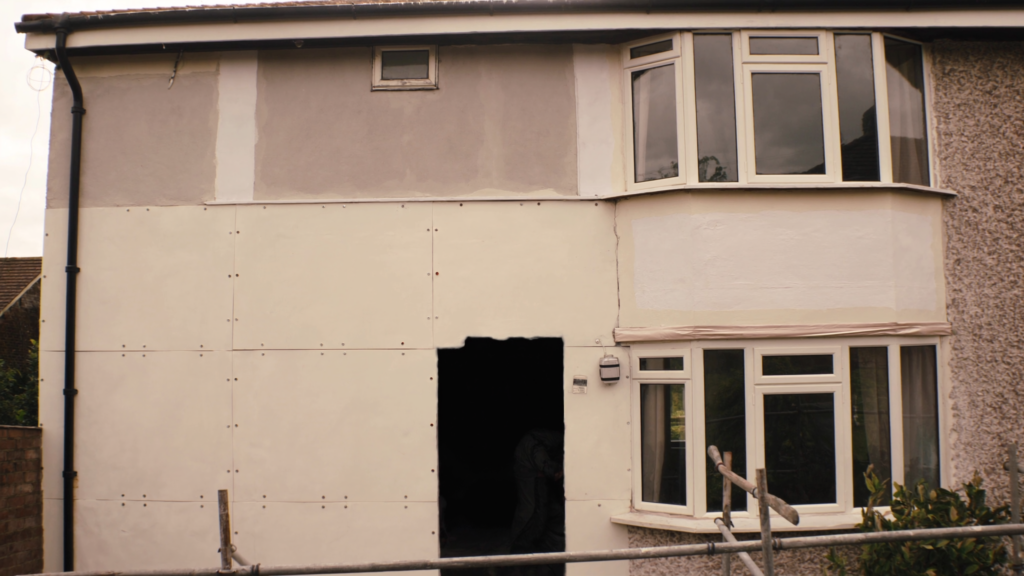
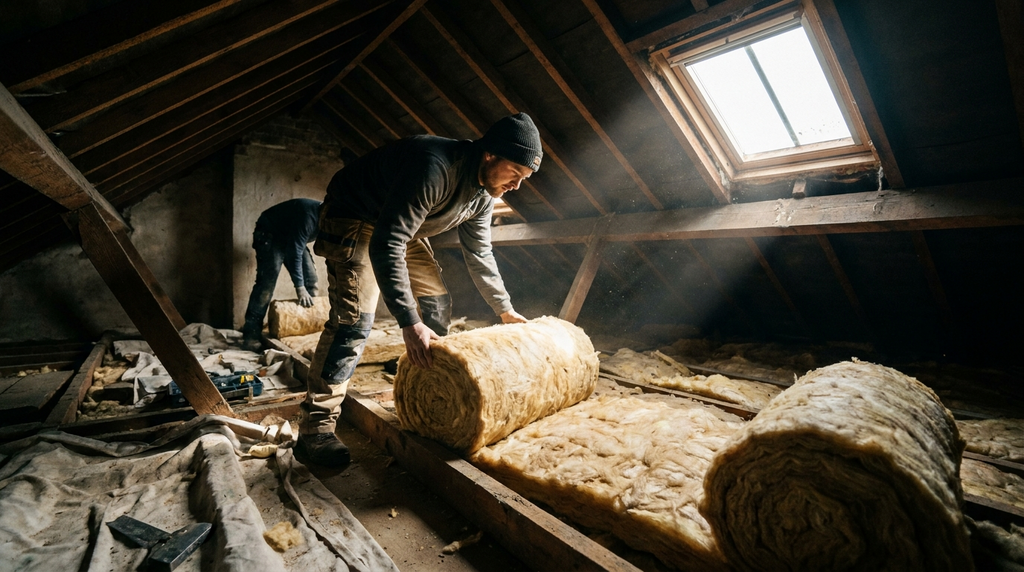
Cavity wall insulation removal costs typically range from £500 to £2,500 depending on property size and complexity, with the average being around £1,200 for a standard three-bedroom semi-detached home (Energy Saving Trust, 2026).
The final cost is driven by the type of insulation material (mineral wool, polystyrene beads, or foam), access difficulties, and whether the removal is partial or full. Properties built before 1920 or with narrow cavities may require specialist equipment, raising costs. If you are claiming under a government-backed scheme or through a warranty, some costs may be covered, but this is not guaranteed.
Material type and removal method
Mineral wool fibre is the cheapest to remove, costing around £500-£1,000, because it can be vacuumed out relatively easily. Polystyrene beads are similar in cost. Foam insulation, particularly urea-formaldehyde foam, is the most expensive at £1,500-£2,500, as it often requires manual scraping or chemical solvents (GOV.UK, 2026). The removal method, suction extraction versus manual removal, directly affects labour hours and final price.
Property size and access factors
A one-bedroom flat with straightforward access may cost as little as £500-£800, while a large detached house with multiple storeys and limited external access can exceed £2,500. Scaffolding hire adds £300-£600 to any job where the cavity is above ground-floor level (TrustMark, 2026). Properties with cavity widths under 50mm also require specialist drilling, increasing costs by 20-30%.
Grants and financial support options
The Great British Insulation Scheme closed on 31 March 2026. It funded insulation measures only and never covered windows or glazing. However, if your cavity wall insulation is defective and causing damp, you may be eligible for a claim under the CIGA (Cavity Insulation Guarantee Agency) 25-year guarantee, which covers removal and re-insulation costs for qualifying installations (GOV.UK, 2026). Check your installer’s guarantee paperwork first, as this is the most cost-effective route.
A worked example
A typical 1930s semi-detached home in Manchester with blown mineral wool cavity insulation costs £1,800 to remove fully, after claiming £500 back through an ECO4 installer’s partial grant contribution. The property has a 50mm cavity, standard brick outer leaf, and no damp issues. That makes it a straightforward suction-extraction job over two days. Scaffolding for the first-floor cavity walls adds £450, bringing the total to £2,250. The Energy Saving Trust estimates the home saves £195 yearly on heating after removal and re-insulation with rigid PIR boards, giving a payback period of 11.5 years. Over 25 years, the homeowner saves £4,875 in total energy costs, assuming a 3% annual rise in gas prices. The work is 0% VAT rated until March 2027 under the government’s energy efficiency scheme.
| Item | Figure |
|---|---|
| Upfront cost after grants | £2,250 |
| Yearly savings | £195 |
| Payback period | 11.5 years |
| 25-year lifetime savings | £4,875 |
What homeowners often get wrong
The most common mistake homeowners make is assuming removal alone solves damp problems, when it often makes things worse without proper re-insulation. Here are three frequent errors and their consequences
- Thinking removal is always the answer Many homeowners believe removing insulation stops damp, but the real cause is often bridging or missing wall ties, not the insulation itself. Removing it without fixing the root issue can cost £1,500-plus and leave the cavity empty, actually increasing heat loss and condensation risk.
- Ignoring ECO4 eligibility Homeowners assume they must pay the full cost themselves, but the ECO4 scheme may cover partial or full removal if the property has a low EPC rating and the household receives certain benefits. Missing this check means losing up to £2,000 in free work, a mistake that voids the chance of a grant entirely.
- Skipping a pre-removal survey Many book removal based on a visual inspection alone, but a proper cavity survey using a borescope and thermal camera is essential to identify hidden foam or debris. Without it, the removal contractor may quote too low, then charge extra halfway through, adding £400-£800 to the final bill.
Quick reference
- Cavity wall insulation removal for a standard three-bedroom semi-detached home costs £1,200 on average, according to the Energy Saving Trust.
- Foam insulation removal is the most expensive type, costing between £1,500 and £2,500 due to manual scraping or chemical solvents.
- Properties built before 1920 or with cavity widths under 50mm often require specialist equipment, adding £200-£500 to the removal cost.
- Removal work is eligible for 0% VAT until March 2027, saving homeowners £100-£300 on a typical job.
- Never remove cavity insulation without first checking for damp issues, as the empty cavity can increase heat loss by up to 15% and worsen condensation.
Frequently Asked Questions
For a standard three-bedroom semi-detached home, cavity wall insulation removal costs around £1,200 on average, according to the Energy Saving Trust. Costs range from £500 to £2,500 depending on insulation type and access.
Some government-backed schemes or building warranties may cover removal costs, but this is not guaranteed. Check with your energy supplier or scheme administrator directly.
Mineral wool fibre is the cheapest to remove, costing £500-£1,000, because it can be vacuumed out easily. Polystyrene beads are similarly priced.