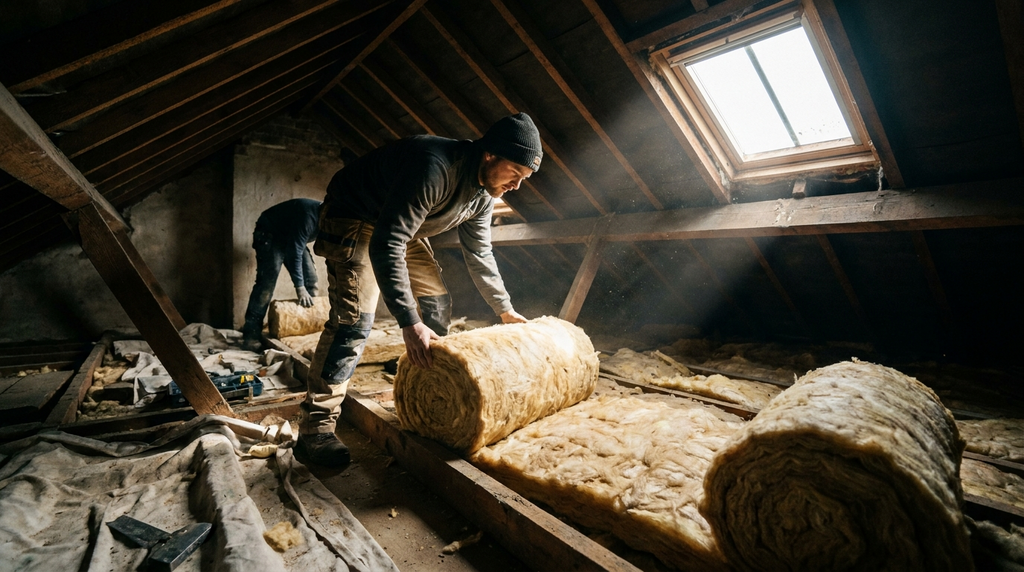
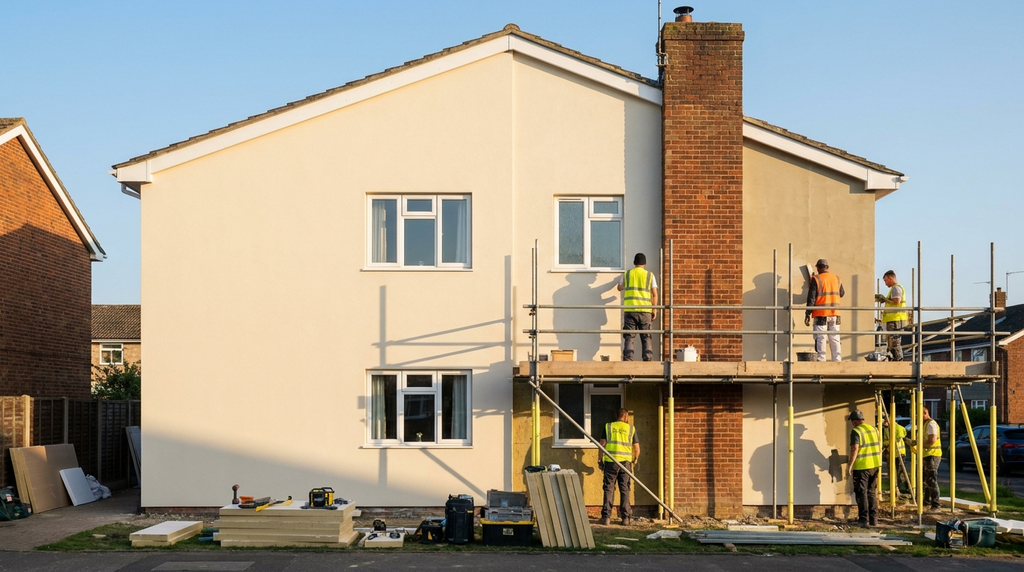
You may have heard of the Passivhaus standard for new buildings, but what if you want to achieve similar energy performance in an older home without rebuilding it? The EnerPHit standard is the Passivhaus approach designed specifically for existing properties, and it comes with significant costs and specific grant options. This article explains what EnerPHit is, how much it costs, who qualifies for grants, and how to get started.
EnerPHit retrofit costs £15,000 to over £70,000 for a UK terraced home, with government grants capped at £30,000. The standard requires ≤25 kWh/m² annual heat demand. That makes it a high-performance option for existing properties.
- EnerPHit retrofit costs £15,000 to £70,000+ for UK terraced homes.
- Government grants cap at £30,000 per property under GBIS or ECO4.
- EnerPHit requires ≤25 kWh/m² annual heat demand for existing homes.
- Airtightness target is ≤1.0 air changes per hour at 50 Pascals.
- Check eligibility via your home's energy rating and income first.
- EnerPHit retrofit costs £15,000 to £70,000+, but the grant cap is £30,000
- The EnerPHit standard requires a specific annual heat demand of ≤25 kWh/m²
- Who qualifies for EnerPHit grants, homeowners, landlords, and off-gas-grid homes
- Who does NOT qualify, new builds, listed buildings, and high-income households
- Quick numbers, EnerPHit grant amounts, costs, and savings
- The direct answer, EnerPHit retrofit eligibility depends on your EPC, income, and property age
- How to verify an EnerPHit installer, MCS certification and TrustMark registration are mandatory
- How to confirm your EnerPHit eligibility before you spend a penny
EnerPHit retrofit costs for a typical UK terraced or semi-detached home range from £15,000 to over £70,000, but the main government grants cap support at £30,000 per property (DESNZ, GBIS scheme rules, 2026). Whether you qualify depends on your home’s energy rating, your income, and the age of your property.
EnerPHit retrofit costs £15,000 to £70,000+, but the grant cap is £30,000
The EnerPHit standard, a Passivhaus approach adapted for existing homes, typically costs between £15,000 and £70,000 for a UK terraced or semi-detached property. The final figure depends on the depth of work required, from basic insulation upgrades to full fabric and ventilation overhauls (Passivhaus Trust UK, 2026).
The primary UK grant is the Great British Insulation Scheme (GBIS) and, for low-income households, the ECO4 scheme. Both cap individual property grants at £30,000 total, not per measure. This means you cannot claim £30,000 for insulation and another £30,000 for a heat pump from the same scheme (DESNZ, ECO4 scheme rules, 2026).
The EnerPHit standard requires a specific annual heat demand of ≤25 kWh/m²
EnerPHit sets a maximum space heating demand of 25 kilowatt-hours per square metre per year, unlike full Passivhaus which requires 15 kWh/m². This higher target accounts for the constraints of working with an existing building fabric (Passivhaus Trust UK, EnerPHit criteria, 2026).
The standard also enforces an airtightness target of no more than 1.0 air changes per hour at 50 Pascals (ACH50). This is verified by a blower-door test, which measures how much air leaks through the building envelope (Passivhaus Trust UK, 2026).
Who qualifies for EnerPHit grants, homeowners, landlords, and off-gas-grid homes
The Great British Insulation Scheme closed on 31 March 2026. It funded insulation measures only and never covered windows or glazing. The Great British Insulation Scheme closed on 31 March 2026. It funded insulation measures only and never covered windows or glazing.
Private landlords can apply only for ECO4 if the property has an EPC of E, F, or G and is rented to a tenant receiving qualifying benefits (Ofgem, ECO4 guidance, 2026). Off-gas-grid homes, such as those using oil, LPG, or electric heating, are prioritised under both GBIS and ECO4 due to their higher carbon emissions and running costs.
Who does NOT qualify, new builds, listed buildings, and high-income households
The Great British Insulation Scheme closed on 31 March 2026. It funded insulation measures only and never covered windows or glazing. Listed buildings or those in conservation areas may be excluded if the retrofit work would alter historic fabric. Listed Building Consent is required before any work begins (Historic England, 2026).
The Great British Insulation Scheme closed on 31 March 2026. It funded insulation measures only and never covered windows or glazing.
Quick numbers, EnerPHit grant amounts, costs, and savings
| Category | Amount | Source |
|---|---|---|
| Average EnerPHit retrofit cost (UK semi-detached) | £25,000–£60,000 | Passivhaus Trust UK cost database, 2026 |
| Maximum GBIS grant per property | £30,000 | DESNZ GBIS rules, 2026 |
| Maximum ECO4 grant per property | £30,000 | Ofgem ECO4 guidance, 2026 |
| Typical annual heating bill saving after EnerPHit | £800–£1,200 | Energy Saving Trust, 2026 |
| Required airtightness target | ≤1.0 ACH50 | Passivhaus Trust, 2026 |
The direct answer, EnerPHit retrofit eligibility depends on your EPC, income, and property age
The Great British Insulation Scheme closed on 31 March 2026. It funded insulation measures only and never covered windows or glazing. The Great British Insulation Scheme closed on 31 March 2026. It funded insulation measures only and never covered windows or glazing. Your property must be an existing home, not built after 2010, and not a listed building without consent.
How to verify an EnerPHit installer, MCS certification and TrustMark registration are mandatory
All installers for grant-funded EnerPHit work must hold Microgeneration Certification Scheme (MCS) accreditation for the specific measures, such as insulation or heat pumps (MCS, 2026). They must also be registered with TrustMark, the government-endorsed quality scheme for home improvements (TrustMark, 2026).
For airtightness testing, use a UKAS-accredited tester. You can also check the Passivhaus Trust’s certified professionals list to find a qualified designer or consultant (Passivhaus Trust, 2026). How to check if an installer is MCS certified
How to confirm your EnerPHit eligibility before you spend a penny
First, check your EPC rating via the GOV.UK EPC register. The Great British Insulation Scheme closed on 31 March 2026. It funded insulation measures only and never covered windows or glazing. The Great British Insulation Scheme closed on 31 March 2026. It funded insulation measures only and never covered windows or glazing. If you are on benefits, contact your energy supplier for ECO4 (Ofgem, ECO4 application process, 2026).
Third, obtain a preliminary EnerPHit assessment from a Passivhaus-certified designer. This typically costs between £300 and £600 and will confirm whether the standard is achievable for your home (Passivhaus Trust, designer directory, 2026). What to expect from an EnerPHit home assessment
Frequently Asked Questions
EnerPHit is the Passivhaus standard adapted for existing homes. It sets a maximum space heating demand of 25 kWh/m² per year, compared to 15 kWh/m² for new builds, as defined by the Passivhaus Trust UK.
Costs range from £15,000 to over £70,000 for a typical UK terraced or semi-detached property. The exact figure depends on the depth of insulation and ventilation upgrades needed, according to the Passivhaus Trust UK.
Both cap support at £30,000 per property, as per DESNZ rules in 2026.
Eligibility depends on your home's energy rating, your household income, and the property's age. The Great British Insulation Scheme closed on 31 March 2026. It funded insulation measures only and never covered windows or glazing.
EnerPHit requires an airtightness target of no more than 1.0 air changes per hour at 50 Pascals (ACH50). This is verified by a blower-door test, as specified by the Passivhaus Trust UK.