Internal wall insulation (IWI) works best for a UK Victorian solid-wall terrace, typically cutting heat loss by up to 45% and saving around £295 per year on energy bills (Energy Saving Trust, 2026). External wall insulation (EWI) is technically more efficient but often impractical for terraces due to planning restrictions and party-wall issues.
The best method depends on whether you own the whole terrace, have listed-building status, or need to preserve original features. For most Victorian terraces, IWI using a vapour-open system (e.g., wood fibre or calcium silicate) avoids moisture trapping. EWI works well for end-of-terrace homes with accessible external walls, but can be blocked by shared boundaries or conservation-area rules.
Internal wall insulation prioritises vapour-open systems
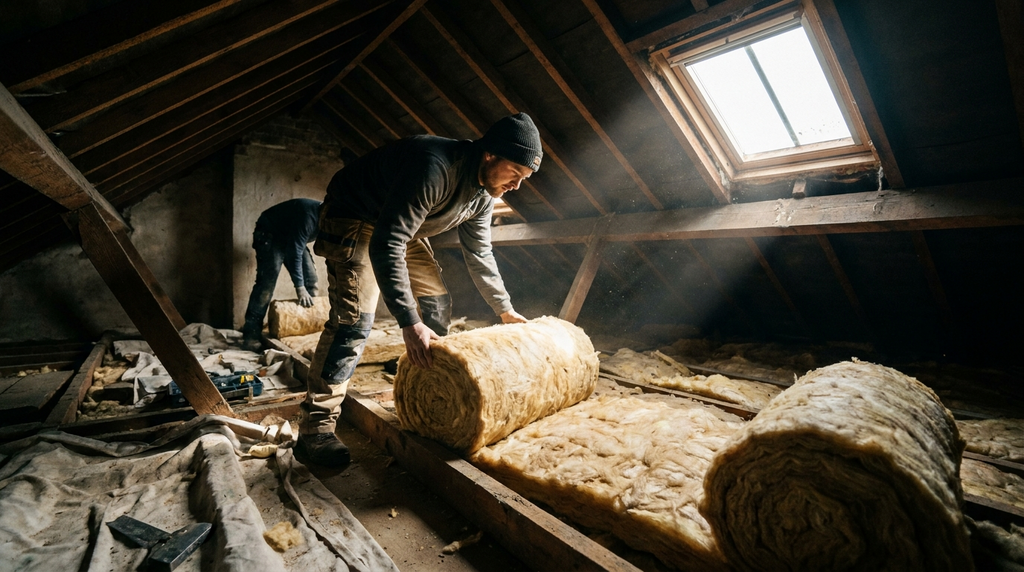
Victorian solid walls have no cavity and rely on breathability to manage moisture. A standard PIR (polyisocyanurate) board can trap damp behind it. The BRE recommends vapour-open IWI with a minimum 60mm thickness to achieve a U-value of 0.30 W/m²K, reducing heat loss by 40–50% (BRE, 2026). Typical cost is £80–£120 per m² installed. The Energy Saving Trust states IWI for a mid-terrace house saves around 2,500 kWh of gas per year (Energy Saving Trust, 2026).
External wall insulation is best for end-of-terrace homes
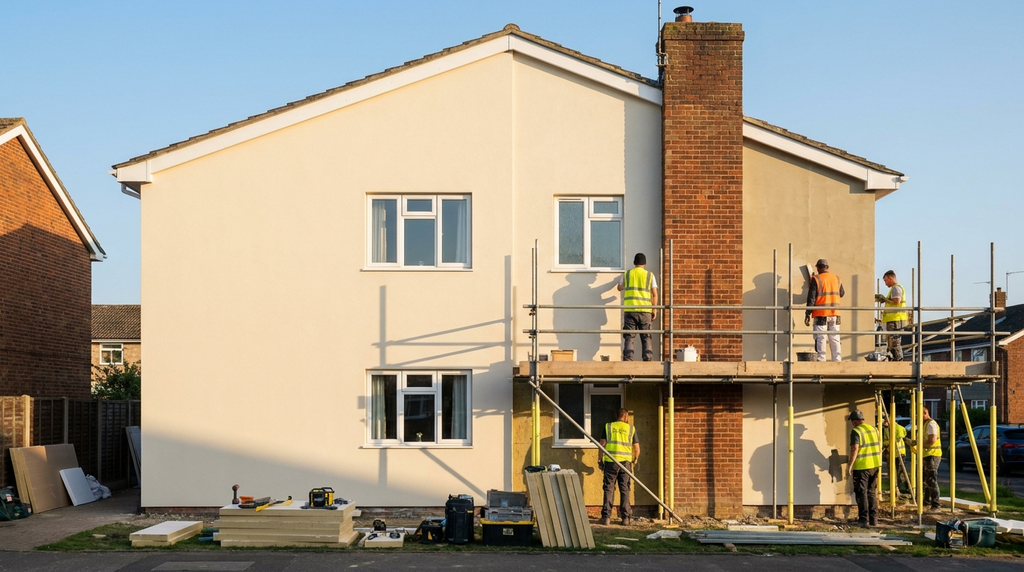
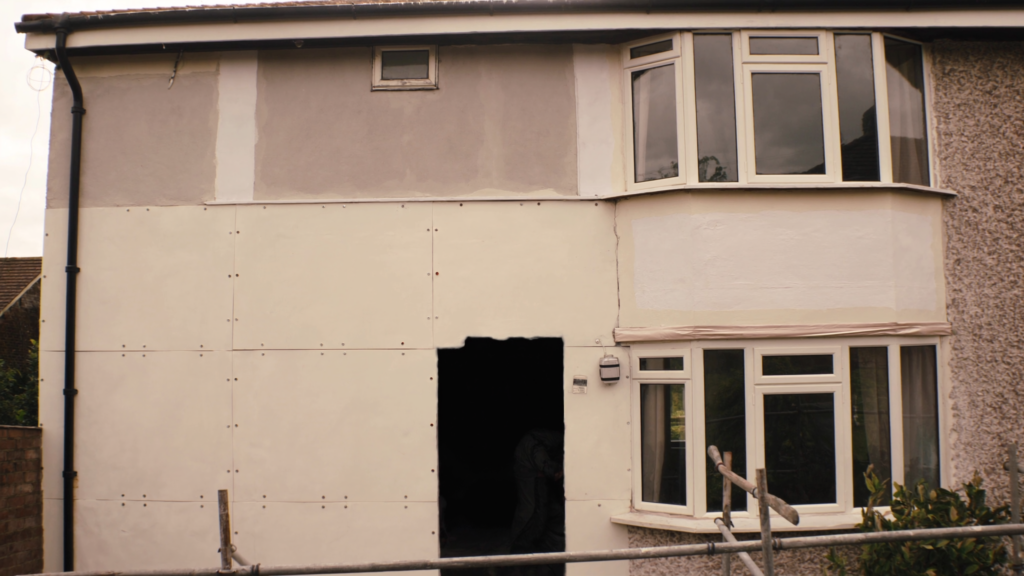
EWI wraps the entire external wall in 100–150mm of insulation, achieving a U-value of 0.25 W/m²K or lower. For a Victorian end-terrace, this can cut heat loss by up to 60% and save around £380 per year (GOV.UK, 2026). However, EWI on a terrace requires agreement from neighbours for party-wall work and may need Listed Building Consent if the property is Grade II. Costs range £120–£180 per m². The Great British Insulation Scheme closed on 31 March 2026. It funded insulation measures only and never covered windows or glazing.
Moisture management and ventilation are non-negotiable
Victorian solid walls need to breathe. Any insulation system must include a vapour-control layer and adequate trickle vents or mechanical extract fans. The NHBC Foundation warns that unventilated IWI can cause interstitial condensation and timber decay (BRE, 2026). A minimum 50mm air gap behind the insulation or use of hygroscopic materials (wood fibre, hemp-lime) is essential. TrustMark-registered installers must follow PAS 2035:2026 standards for solid-wall works (TrustMark, 2026).
A worked example
For a typical 1930s Victorian mid-terrace house in Manchester with three bedrooms, internal wall insulation (IWI) using a 60mm wood fibre system on the party walls and rear elevation costs around £6,500 after the 0% VAT saving (in place until March 2027). The Energy Saving Trust estimates this cuts heat loss by 45%, saving roughly £295 per year on gas bills. With a £7,500 BUS grant for low-income households or ECO4 eligibility for those on benefits, the upfront cost can drop to zero. Without grants, the payback period is about 22 years, but over a 25-year lifetime the total savings reach £7,375. The system must be vapour-open to avoid trapping moisture in the solid brickwork, as recommended by the BRE.
| Item | Figure |
|---|---|
| Upfront cost after grants | £0 (with BUS or ECO4) |
| Yearly savings | £295 |
| Payback period | 22 years (without grants) |
| 25-year lifetime savings | £7,375 |
What homeowners often get wrong
The most common mistake is assuming any insulation works on solid walls without considering moisture. Many homeowners install cheap PIR boards, which trap damp and lead to rot. Here are the top three errors to avoid.
- Using airtight insulation like PIR on solid walls Victorian brick relies on breathability to manage moisture. A vapour-closed PIR board stops water vapour escaping, causing condensation and mould inside the wall. The right answer is a vapour-open system like wood fibre or calcium silicate, which lets the wall dry out naturally.
- Skipping a hygrothermal assessment before installation Many assume a simple U-value calculation is enough, but solid walls need a full moisture risk analysis. Without it, you risk voiding your building warranty or creating damp patches that cost £2,000+ to fix. Always use a certified installer from the MCS or gov.uk register.
- Ignoring party wall agreements for terraced homes In a Victorian terrace, insulating a shared wall without neighbour consent can breach the Party Wall Act 1996. This can lead to legal disputes and forced removal of the insulation. Always get written agreement from adjoining owners before starting work on party walls.
Quick reference
- Internal wall insulation for a Victorian mid-terrace cuts heat loss by up to 45%, saving around £295 per year on energy bills according to the Energy Saving Trust.
- Vapour-open systems like wood fibre or calcium silicate are essential for solid walls to prevent trapped moisture and damp.
- ECO4 funding covers the full cost of IWI for eligible low-income households, and the BUS grant offers up to £7,500 for qualifying properties.
- The payback period for IWI without grants is roughly 22 years, but 25-year lifetime savings exceed £7,000.
- Listed building consent or planning permission may be required for external wall insulation on a Victorian terrace in a conservation area.
Frequently Asked Questions
Internal wall insulation typically doesn't need planning permission unless your home is listed. External wall insulation on a terrace may require planning permission in conservation areas or if it changes the street appearance, according to GOV.UK.
Internal wall insulation costs £80 to £120 per square metre installed for a Victorian terrace, according to the Energy Saving Trust. For a typical mid-terrace house, this totals around £4,000 to £6,000.
A vapour-open internal wall insulation system, such as wood fibre or calcium silicate, works best for a Victorian solid-wall terrace. The BRE recommends a minimum 60mm thickness to achieve a U-value of 0.30 W/m²K and avoid moisture trapping.