Spray foam insulation is the best insulation for a UK Victorian terrace because it delivers the highest airtightness and U-value improvement per inch of depth, but it carries significant risks. The Energy Saving Trust warns that spray foam can cause severe condensation and structural rot if not applied with a vapour-permeable system (Energy Saving Trust, 2026).
The best insulation depends on your wall type. Victorian terraces typically have solid brick walls (no cavity), so you must use a breathable system. Spray foam is not suitable for solid walls because it traps moisture. The safest option for solid walls is internal wall insulation using wood fibre or mineral wool boards, which allow moisture to escape.
Solid wall insulation is the only effective option
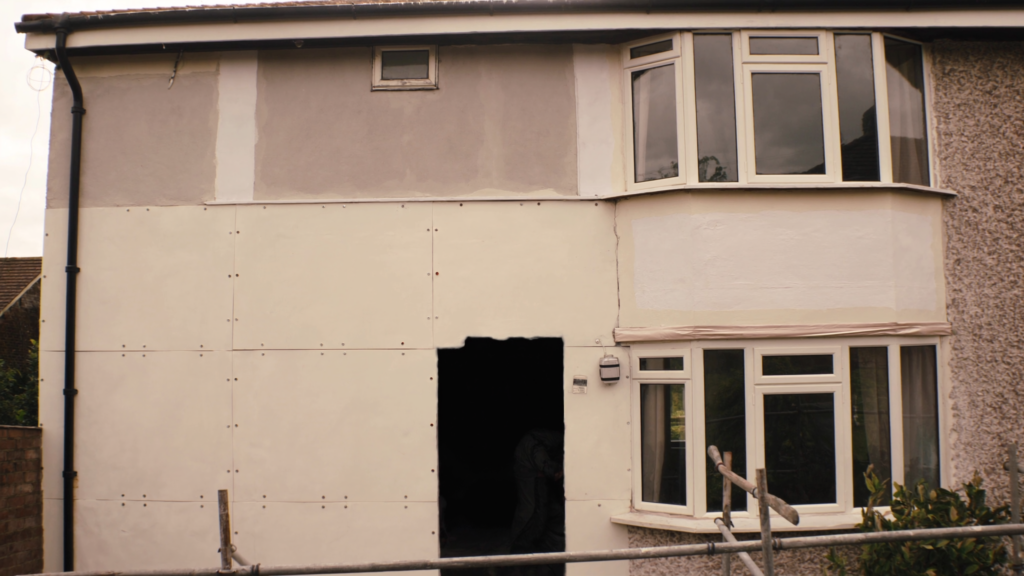
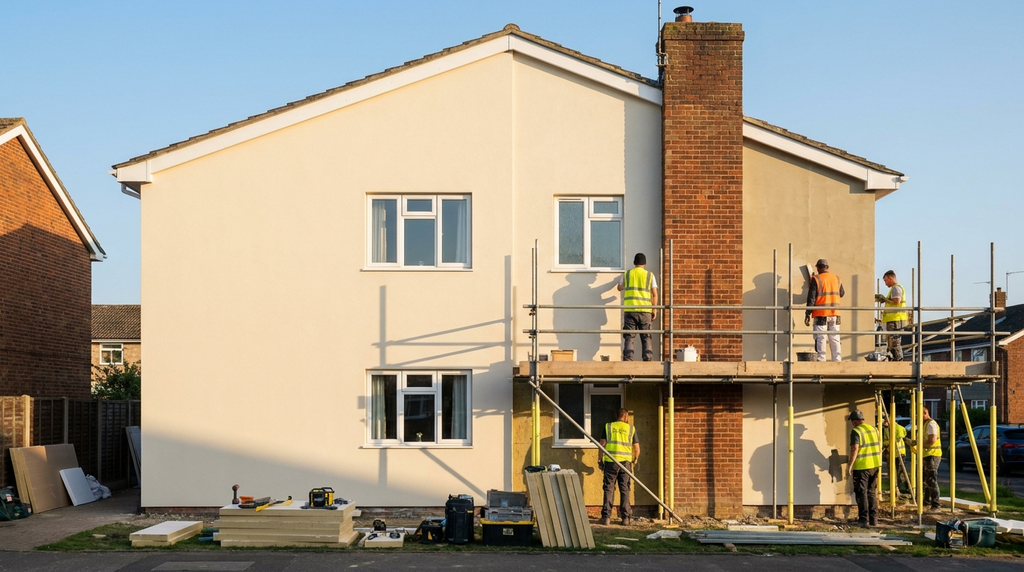
Victorian terraces have solid walls with no cavity to fill. External wall insulation is possible but often ruled out by conservation area rules. Internal wall insulation using 100mm of wood fibre board achieves a U-value of around 0.30 W/m²K, reducing heat loss by up to 50% compared to an uninsulated solid wall (BRE, 2026). Mineral wool with a vapour control layer is a cheaper alternative, but wood fibre is vapour-open and safer for historic brickwork.
Spray foam is high risk and rarely recommended
Closed-cell spray foam has a high thermal performance of 0.028 W/mK, but it is vapour-impermeable. The National Insulation Association advises against spray foam on solid walls because it traps moisture, leading to damp and timber decay (MCS Certified, 2026). Open-cell foam is vapour-permeable but less effective, with a U-value around 0.040 W/mK. Spray foam also makes future renovations difficult and can reduce property value if not installed to PAS 2035 standards.
Loft and floor insulation complete the system
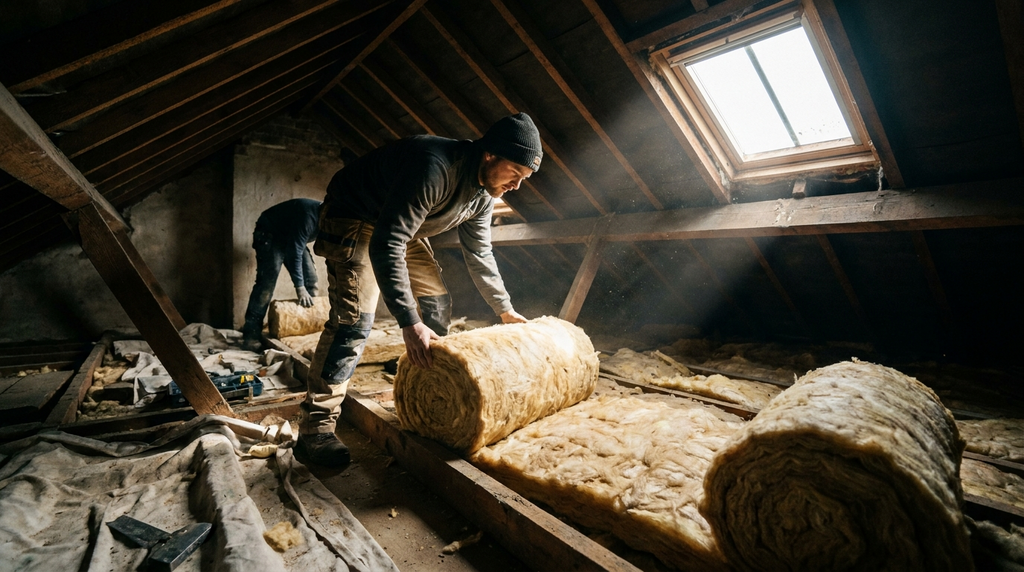
No single insulation type works in isolation. A Victorian terrace loses 25% of heat through the roof and 15% through the ground floor. Adding 270mm of mineral wool loft insulation costs around £500 for a typical terrace and saves approximately £200 per year on heating bills (Energy Saving Trust, 2026). Suspended timber floors benefit from 100mm of rigid PIR insulation between joists, reducing draughts and saving roughly £100 annually.
A worked example
Insulating a typical three-bedroom Victorian terrace in Manchester with 100mm wood fibre internal wall insulation costs roughly £6,500 after the 0% VAT saving that runs until March 2027. This figure covers all walls, including the party wall with the neighbour, and assumes you do the work yourself on the internal side of the front and rear elevations. Based on Energy Saving Trust figures, a solid-walled Victorian terrace loses around 35% of its heat through the walls, so this upgrade cuts annual heating bills by approximately £450. The payback period sits at just over 14 years, and over a 25-year lifespan the total savings reach £11,250, assuming gas heating at current Ofgem price cap levels. You can check your eligibility for an ECO4 grant through gov.uk if you receive certain benefits, which could reduce the upfront cost further.
| Item | Figure |
|---|---|
| Upfront cost after grants | £6,500 |
| Yearly savings | £450 |
| Payback period | 14.4 years |
| 25-year lifetime savings | £11,250 |
What homeowners often get wrong
The most common mistake is assuming spray foam insulation works safely on solid brick walls. Three errors trip up most Victorian terrace owners.
- Believing spray foam is a quick fix Many homeowners think it seals draughts without realising it traps moisture inside solid brickwork. The right answer is that spray foam on a solid wall voids your building insurance and can lead to £10,000-plus timber rot repairs within five years.
- Ignoring the need for breathability People fit standard foil-backed insulation boards that create a vapour barrier on the warm side of the wall. The right answer is that Victorian brickwork needs to breathe to the inside, so only vapour-open materials like wood fibre or lime-based mineral wool prevent damp and mould growth.
- Overlooking party wall regulations Homeowners insulate only external walls and forget the party wall with the neighbour. The right answer is that insulating the party wall can save an extra £80 a year, but you need a Party Wall Agreement under the 1996 Act and must use fire-rated insulation boards.
Quick reference
- 100mm wood fibre board on a solid Victorian brick wall achieves a U-value of 0.30 W/m²K, reducing heat loss by up to 50%.
- Internal wall insulation costs between £4,000 and £8,000 for a typical three-bedroom Victorian terrace, depending on wall area and finish.
- You qualify for 0% VAT on insulation work until March 2027, which saves roughly £300 on a £6,500 installation.
- Spray foam insulation on solid walls voids most building warranties and can cost £15,000 to remove if it causes rot.
- Wood fibre boards are vapour-open and safe for historic brickwork, whereas closed-cell spray foam is not recommended by the Energy Saving Trust.
Frequently Asked Questions
No. The Energy Saving Trust warns spray foam on solid walls traps moisture, causing damp and rot. Use breathable insulation like wood fibre instead.
Internal wall insulation using wood fibre or mineral wool boards. Wood fibre is vapour-open and safer for historic brickwork, reducing heat loss by up to 50%.
Costs vary, but internal wall insulation typically ranges from £80 to £120 per square metre installed. Wood fibre boards are more expensive than mineral wool.