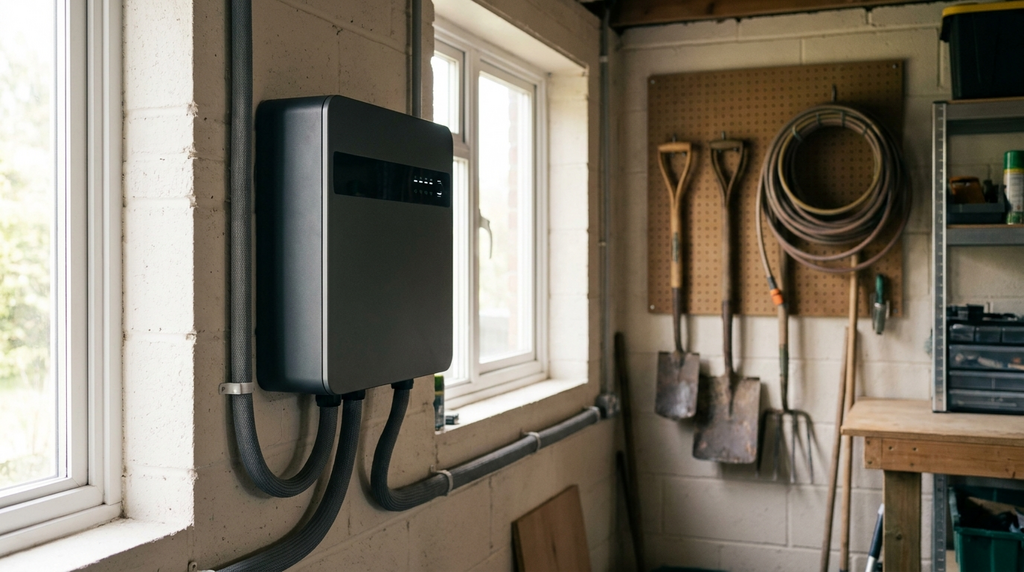
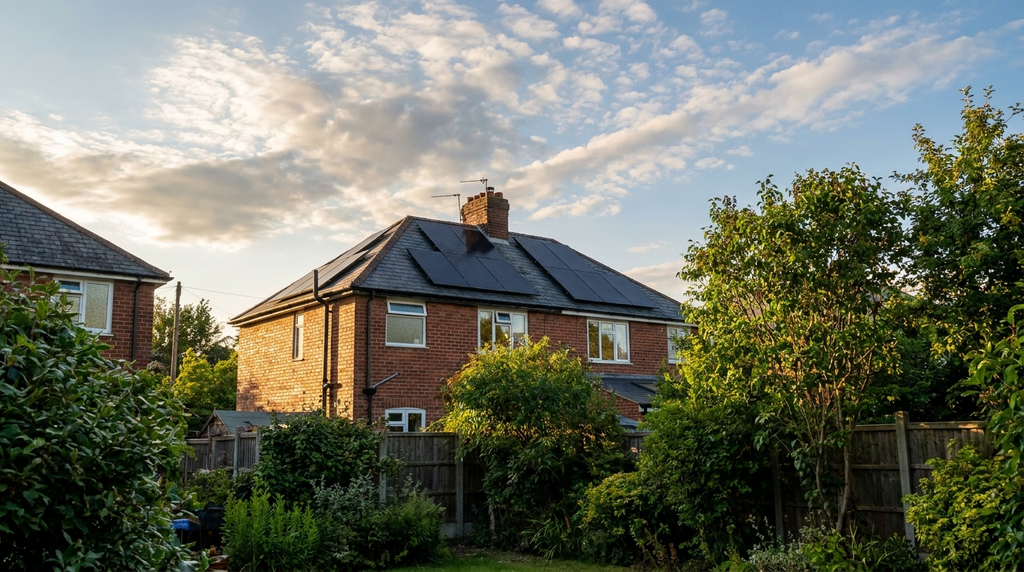
Why Aberdeenshire homeowners are choosing Heating Systems in 2026
You might have noticed your heating bills creeping up year after year. In Aberdeenshire, with our long winters and older housing stock, that pinch feels even sharper. The average home here uses 14,250 kWh of gas annually, well above the UK median of around 12,000 kWh. That extra 2,250 kWh adds roughly £200 to £300 to your yearly heating costs compared to the national average.
The shift toward modern heating systems in 2026 isn’t just about saving money though. It is about comfort and control. Many homes across Aberdeenshire still rely on ageing boilers installed a decade or more ago. These systems run less efficiently, struggle to maintain steady temperatures, and often break down during the coldest months. January and February here can see temperatures dropping to minus 5°C or lower, and a failing boiler is the last thing you want.
There is also the growing awareness of Scotland’s net zero targets. Home Energy Scotland reports that heating accounts for roughly 15% of the country’s carbon emissions. By upgrading your heating system, you are directly contributing to a cleaner Aberdeenshire. The Scottish Government has made it clear that by 2045, all homes must reach net zero emissions. Starting now puts you ahead of the curve.
Another local driver is the condition of Aberdeenshire’s housing stock. The county has a high proportion of semi-detached and detached homes built before 1980. These properties often have solid walls, single glazing, and minimal loft insulation. A modern heating system built to work with these challenges can make a dramatic difference. It is not unusual for homeowners in Inverurie or Peterhead to see their EPC rating jump from a D to a C or even a B after upgrading.
Finally, the availability of interest-free loans from Home Energy Scotland makes the decision easier in 2026. You can borrow up to £15,000 with no interest attached. That takes the sting out of the upfront cost and lets you spread payments over several years.
How much Heating Systems cost across Aberdeenshire in 2026
Let’s get straight to the numbers. Heating system costs in Aberdeenshire vary based on your property type, the system you choose, and the complexity of installation. Labour rates here tend to be slightly higher than the UK average because installers travel between towns like Fraserburgh, Inverurie, and Peterhead. You are paying for their travel time and fuel.
Here is a detailed breakdown for 2026 prices across common Aberdeenshire property types.
| Property type | System type | Average cost (Aberdeenshire) | UK national average | Price difference |
|---|---|---|---|---|
| Semi-detached (3 bed) | Gas combi boiler + radiators | £3,800 | £3,500 | +£300 |
| Semi-detached (3 bed) | Air source heat pump + radiators | £11,500 | £10,800 | +£700 |
| Terraced (2 bed) | Gas combi boiler + radiators | £3,200 | £2,900 | +£300 |
| Terraced (2 bed) | Electric storage heaters | £2,600 | £2,400 | +£200 |
| Flat (1 bed) | Electric boiler + radiators | £2,900 | £2,700 | +£200 |
| Flat (1 bed) | Heat pump (air to air) | £4,800 | £4,500 | +£300 |
| Detached (4 bed) | Gas combi boiler + radiators | £4,500 | £4,200 | +£300 |
| Detached (4 bed) | Ground source heat pump + underfloor | £22,000 | £20,500 | +£1,500 |
Why the higher costs in Aberdeenshire? Three main reasons. First, the county’s rural nature means installers cover larger distances between jobs. Second, many homes here have solid walls or non-standard construction, which adds time and materials. Third, the colder climate means systems must be sized larger, increasing equipment costs.
You can reduce these costs by getting multiple quotes. Most installers in Aberdeenshire will travel across the county, but prices can vary by up to 20% between companies. Always ask for a fixed price quote that includes all materials, labour, and VAT.
County-specific considerations for Heating Systems
Aberdeenshire’s climate is no joke. With over 2,200 heating degree days annually, your heating system works harder than it would in southern England. That means you need a system built for endurance, not just efficiency.
The strong winds common across the county, especially in coastal areas like Fraserburgh and Peterhead, can affect certain heating systems. External heat pump units need to be sited carefully to avoid wind exposure. A poorly positioned heat pump can lose efficiency or even shut down during storms. Your installer should mount it on a sheltered wall or use a windbreak.
The county’s geography also matters. Aberdeenshire has a mix of granite and sandstone buildings, particularly in older parts of Aberdeen and Inverurie. These materials hold heat differently than modern brick cavity walls. If you own a granite-built home, a heat pump might require larger radiators or underfloor heating to work effectively. Don’t let a salesperson tell you otherwise.
Conservation areas exist in Aberdeenshire, especially in historic town centres and villages. If you live in a listed building or a conservation area, you will need planning permission for external changes. Heat pump units, flues, and external pipes all count. Check with Aberdeenshire Council’s planning department before you commit. The good news is that Scotland’s building regulations (Section 6) now encourage renewable heating, so permissions are often granted with conditions.
Flood risk is another factor. Some parts of Aberdeenshire, particularly near rivers like the Don and Ythan, have flood zones. Your heating system controls and electrical components should be installed above potential flood levels. A good installer will factor this into their design.
For flats, space is the main constraint. Many flats in Aberdeen city centre have no outdoor space for a heat pump. You might be limited to a gas combi boiler or an electric system. Check with your building’s factor or management company before making changes.
The best Heating Systems options for Aberdeenshire homes
Based on the county’s housing stock and climate, here are the top recommendations for 2026.
For semi-detached homes in Inverurie and Peterhead
A gas combi boiler remains the most cost-effective option for most semi-detached homes. The Worcester Bosch Greenstar 8000 Life costs around £3,800 installed and delivers 94% efficiency. It handles the high heating demand of a 3-bed home and provides instant hot water. If you want to future-proof, an air source heat pump like the Mitsubishi Ecodan 8.5kW costs £11,500 but qualifies for Home Energy Scotland loans.
For terraced homes in Fraserburgh and Aberdeen
Terraced homes often have smaller footprints and better insulation from neighbours. A Viessmann Vitodens 100-W combi boiler at £3,200 installed is a solid choice. It is compact, efficient at 94%, and reliable in cold weather. For electric options, Dimplex Quantum storage heaters at £2,600 work well if you have off-peak electricity tariffs.
For flats across Aberdeenshire
Flats need space-efficient systems. The Ideal Logic Max Combi C30 at £2,900 installed fits in a standard airing cupboard. It gives 93% efficiency and good flow rates for showers. For flats without gas, a Stiebel Eltron electric boiler at £2,500 is simple and reliable. Heat pumps are rarely practical for flats due to outdoor space requirements.
For detached homes in rural Aberdeenshire
Detached homes with high heat loss benefit from ground source heat pumps. The Kensa 6kW ground source system costs around £22,000 installed with underfloor heating. It delivers 400% efficiency and qualifies for the highest grants. If your garden is large enough for horizontal ground loops, this is the best long-term investment.
Here is a quick comparison table for the top options.
| System | Best for | Efficiency | Cost (installed) | Annual running cost |
|---|---|---|---|---|
| Worcester Bosch Greenstar 8000 Life | Semi-detached, terraced | 94% | £3,800 | £1,050 |
| Mitsubishi Ecodan 8.5kW heat pump | Semi-detached, detached | 350% | £11,500 | £680 |
| Viessmann Vitodens 100-W | Terraced, flat | 94% | £3,200 | £980 |
| Kensa 6kW ground source heat pump | Detached, large gardens | 400% | £22,000 | £520 |
Grants and funding for Heating Systems in 2026
You have several options to reduce the upfront cost of a new heating system in Aberdeenshire. Here is what is available in 2026.
Home Energy Scotland loans
This is the biggest big improvement for Aberdeenshire residents. You can borrow up to £15,000 interest-free over 5 to 10 years. The loan covers boilers, heat pumps, insulation, and controls. There are no income limits. You just need to own your home. Apply through Home Energy Scotland’s website or call their free advice line.
Warmer Homes Scotland
If you receive certain benefits, you could get free heating system upgrades. The scheme covers boilers, heat pumps, and insulation. Qualifying benefits include Pension Credit, Universal Credit, and Child Tax Credit. The work is fully funded, with no repayment needed. Around 1 in 5 Aberdeenshire households qualify.
**ECO4 scheme**
The Energy Company Obligation runs until 2027. It targets low-income and vulnerable households. Energy suppliers fund upgrades like new boilers, heat pumps, and insulation. You must receive a qualifying benefit and live in a home with an EPC rating of D or below. Most Aberdeenshire homes at Band D qualify.
**Boiler Upgrade Scheme (BUS)**
This UK-wide scheme gives £7,500 off the cost of an air source heat pump. It is available to all homeowners in Aberdeenshire, regardless of income. The installer applies the grant directly, reducing your upfront cost. Combined with a Home Energy Scotland loan, you could get a heat pump for under £4,000.
The Great British Insulation Scheme closed on 31 March 2026. It funded insulation measures only and never covered windows or glazing. If your home has no loft insulation or cavity wall insulation, you could get free or heavily subsidised work. Better insulation reduces the size and cost of your new heating system.
Always check eligibility before you buy. Most schemes require you to use an MCS-certified installer. Your installer should handle the paperwork for you.
How to find trusted Heating Systems installers in Aberdeenshire
Finding a reliable installer in Aberdeenshire takes a bit of effort, but it is worth it. The county has a mix of large companies serving Aberdeen and smaller local firms covering Fraserburgh, Inverurie, and Peterhead.
Certifications to look for
Always choose an installer with MCS certification for heat pumps and solar thermal. For gas boilers, they must be Gas Safe registered. For oil systems, check OFTEC registration. These certifications are non-negotiable. They protect you and ensure the work meets building regulations.
How to get good quotes
Ask for at least three quotes from different companies. Explain your property type and heating needs clearly. A good installer will visit your home, take measurements, and discuss your options. Avoid companies that give quotes over the phone without seeing your property.
Typical lead times in 2026
Gas boiler installations in Aberdeenshire usually take 2 to 4 weeks from quote to completion. Heat pump installations take longer, around 6 to 10 weeks, due to equipment availability and planning permissions. Book early if you want the work done before winter.
Installer coverage across the county
Most installers serve multiple towns. You will find companies based in Aberdeen covering the whole county. Smaller firms in Inverurie and Peterhead focus on their local areas. Don’t be afraid to hire an installer from a neighbouring town. They are used to the travel and may offer competitive rates.
Red flags to avoid
Be wary of pushy salespeople who demand an immediate decision. Avoid companies that ask for full payment upfront. A deposit of 10% to 20% is normal, with the balance due on completion. Check online reviews and ask for references from recent customers in Aberdeenshire.
Savings you can expect from Heating Systems in Aberdeenshire
Let’s run the numbers using Aberdeenshire’s average energy consumption. Your home uses 14,250 kWh of gas and 3,450 kWh of electricity per year. At 2026 prices, gas costs roughly 7.5p per kWh and electricity 28p per kWh. Your current annual energy bill is around £2,030.
Scenario 1: Upgrade from an old G-rated boiler to an A-rated gas combi
An old boiler operates at about 65% efficiency. An A-rated combi boiler runs at 94% efficiency. That improvement saves you roughly 30% on your gas usage. Your gas bill drops from £1,069 to £748 per year. That is a saving of £321 annually. With a £3,800 installation cost, your payback period is just under 12 years. Your EPC rating moves from D to C.
Scenario 2: Replace a gas boiler with an air source heat pump
A heat pump with a Seasonal Coefficient of Performance (SCOP) of 3.5 uses 4,071 kWh of electricity to deliver the same heat. At 28p per kWh, your heating cost becomes £1,140. Your total energy bill drops to £1,140 plus your existing electricity usage. Compared to your old boiler, you save around £890 per year. With a £11,500 installation cost (after £7,500 BUS grant, net £4,000), your payback period is roughly 4.5 years. Your EPC rating jumps from D to B.
Scenario 3: Ground source heat pump for a detached home
A ground source heat pump with a SCOP of 4.0 uses 3,563 kWh of electricity for heating. Your heating cost is £998 per year. Total savings compared to the old boiler are around £1,032 annually. With a £22,000 installation cost and a £15,000 Home Energy Scotland loan, your net cost is £7,000. Payback is about 6.8 years. Your EPC rating reaches A.
Here is a summary table.
| Upgrade | Annual saving | Installation cost | Payback period | EPC improvement |
|---|---|---|---|---|
| G-rated to A-rated gas boiler | £321 | £3,800 | 11.8 years | D to C |
| Gas boiler to air source heat pump | £890 | £4,000 (after BUS) | 4.5 years | D to B |
| Gas boiler to ground source heat pump | £1,032 | £7,000 (after loan) | 6.8 years | D to A |
These savings assume your home has reasonable insulation. If you add loft insulation or cavity wall insulation first, your savings will be even higher. That is a smart move before upgrading your heating system.
Towns across Aberdeenshire where we cover Heating Systems
Our network of trusted installers covers the main towns across Aberdeenshire. Here is where you can get service.
Aberdeen
Scotland’s third city and the county’s largest urban centre. Homes here range from Victorian granite tenements to modern detached houses. The mix of property types means we