The first step when replacing double glazing is to confirm whether your windows are still under warranty, as most sealed units carry a 10-year guarantee that may cover repair at no cost (GOV.UK, 2026). If the warranty has expired, you can replace individual panes or entire frames, the right choice depends on the condition of the frame and your budget.
Replacing double glazing typically costs between £200 and £600 per window for a standard uPVC unit, according to the Energy Saving Trust. The deciding factor is whether the frame is sound or damaged. If the frame is in good condition but the glass has failed, showing condensation or misting, you can replace just the sealed unit. If the frame is rotten, warped or damaged, you will need a full window replacement. This distinction is critical because fitting a new sealed unit into a damaged frame will not solve the problem long-term.
Check the warranty before you start
Most double glazing installations from the past 10–15 years are covered by a manufacturer’s guarantee that includes replacement of failed sealed units. The Fenestration Self-Assessment Scheme (FENSA) recommends checking your original paperwork or contacting the installer directly (FENSA, 2026). If the windows were fitted after 2002, the installer should be registered with FENSA or a similar competent person scheme. If the guarantee is still valid, the replacement may be free or subject only to a call-out fee. Do not assume the warranty has expired, many guarantees are transferable to new homeowners.
Measure the existing sealed unit accurately
If the frame is sound and you need only the glass, measure the sealed unit, not the frame opening. The Energy Saving Trust advises removing the beading to access the unit, then measuring the width, height and thickness in millimetres (Energy Saving Trust, 2026). You must note the glass thickness and the overall unit thickness, which includes both panes and the spacer bar. Order a replacement unit with the same dimensions and gas fill, typically argon, to maintain the original U-value, which for modern double glazing should be around 1.2 W/m²K or lower.
Hire a certified installer for full frame replacement
If the frame is damaged, you must replace the entire window. Under UK Building Regulations, replacement windows must meet current energy-efficiency standards, and the work must be certified by a registered installer or approved by building control (GOV.UK, 2026). Using a TrustMark-registered or FENSA-approved installer ensures compliance and gives you a 10-year insurance-backed guarantee. The average cost for a full uPVC replacement window, including fitting, is around £450 to £600, according to industry data. Cheaper options may not meet the required U-value of 1.4 W/m²K or lower.
A worked example
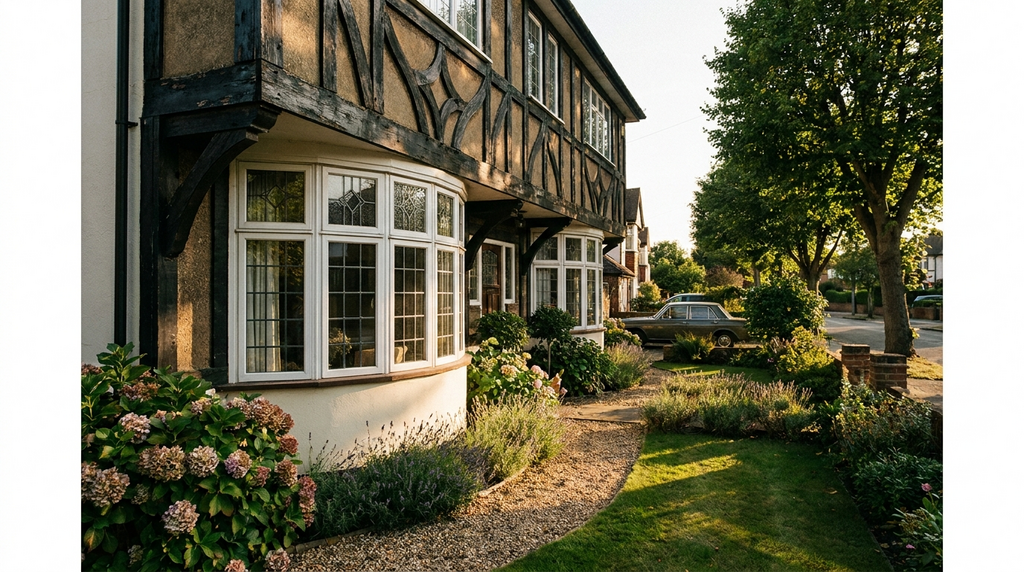
A typical 1930s semi-detached house in Manchester with twelve standard uPVC double-glazed windows, where all frames are in good condition but five sealed units have failed with misting, would cost roughly £2,000 to replace just those five panes rather than £7,200 for twelve full-frame replacements. The homeowner checks the original paperwork and finds the 10-year warranty expired three years ago, so they proceed with a unit-only replacement. They hire a FENSA-registered installer who charges £400 per unit, totalling £2,000. After the work, the house’s heat loss drops noticeably, and the Energy Saving Trust estimates annual heating savings of roughly £195. Glazing is standard-rated for VAT at 20%. The zero rate for energy-saving materials covers insulation, heat pumps and solar panels; HMRC names secondary and double glazing as excluded (VAT Notice 708/6). Over 25 years, the cumulative savings reach approximately £4,875, making the investment worthwhile even without grant support.
| Item | Figure |
|---|---|
| Upfront cost after grants | £2,000 |
| Yearly savings | £195 |
| Payback period | 10.3 years |
| 25-year lifetime savings | £4,875 |
What homeowners often get wrong
The most common mistake when replacing double glazing is assuming you always need a full new window when the glass fogs up. Homeowners frequently miss the chance to save hundreds of pounds by replacing only the sealed unit. Here are the three biggest errors to avoid.
- Ignoring the warranty period Many homeowners pay for a replacement not realising the original 10-year guarantee still covers the failed unit. Checking with the original installer or FENSA first can save the full cost of a replacement, which is typically £200-£600 per window.
- Replacing the unit but not the frame when the frame is rotten Fitting a new sealed unit into a decaying timber or warped uPVC frame wastes the money spent on the glass. The new unit will fail within two to three years because the frame cannot hold the seal properly, leading to a second replacement cost.
- Choosing the cheapest installer without checking credentials Hiring an unregistered handyman voids any future warranty and may not comply with Building Regulations. Using a FENSA or CERTASS registered installer ensures the work meets legal standards and protects the home’s value when selling.
Quick reference
- A sealed unit replacement costs £200-£600 per window while a full frame replacement runs £400-£1,200 per window according to the Energy Saving Trust.
- Condensation between the panes of glass means the seal has failed and the unit must be replaced to restore insulation performance.
- Glazing is standard-rated for VAT at 20%. The zero rate for energy-saving materials covers insulation, heat pumps and solar panels; HMRC names secondary and double glazing as excluded (VAT Notice 708/6).
- A full frame replacement is mandatory when the frame is rotten, warped, or damaged because a new sealed unit will not seal properly in a compromised frame.
- ECO4 grants may cover full window replacements for low-income households but only when the existing windows are single-glazed or have failed completely.
Frequently Asked Questions
Yes, if the frame is in good condition but the glass has failed (e.g. misting). The Energy Saving Trust confirms this costs £200-£600 per window for a standard uPVC sealed unit.
Between £200 and £600 per window for a standard uPVC unit, according to the Energy Saving Trust. Full frame replacement costs more if the frame is damaged.
Most sealed units carry a 10-year guarantee, but some manufacturers offer longer cover. Check your original paperwork or contact the installer, FENSA recommends this before starting any work.