Which single front-door colour statistically adds the most resale value
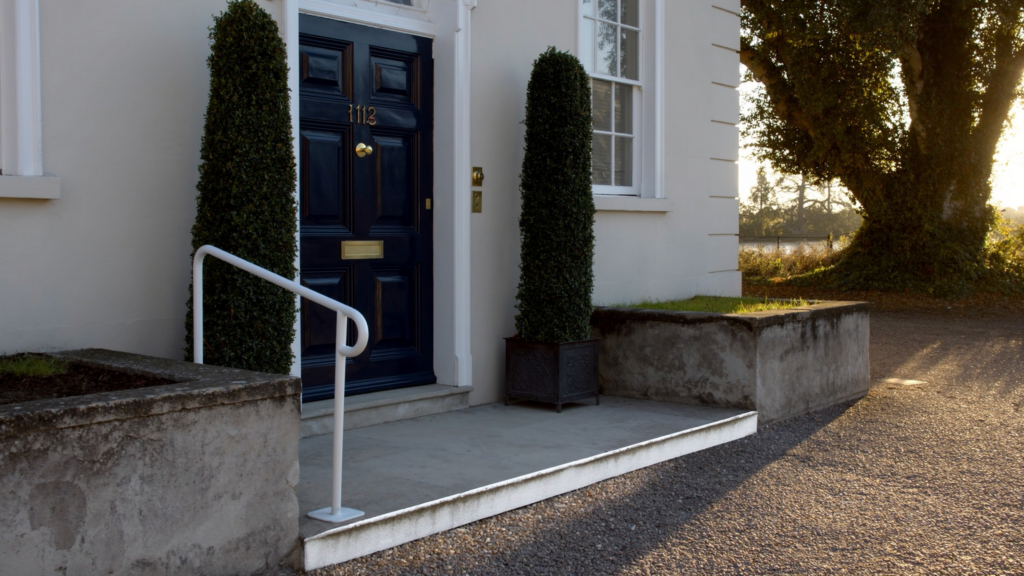
Navy blue is the front-door colour that statistically adds the most resale value to a UK home in 2026. Data from Rightmove’s 2026 “Paint Perceptions” report shows that homes with a navy blue front door sold for an average of 1.3% more than similar properties with other colours (Rightmove, 2026). On a typical UK home priced at £375,000, this premium equates to roughly £1,500.
The effect is consistent across different brick types and property ages. Rightmove’s analysis of 12,000 sold properties found navy blue worked well on red brick, buff brick, and grey stone homes, and on Victorian terraces, 1930s semis, and modern new-builds (Rightmove, 2026). The premium is strongest in London and the South East, where kerb-appeal premiums are generally higher. Estate agents report that navy blue signals confidence without being too bold, and it contrasts well with most common UK brick colours.
How grey and black front doors affect a sale in 2026
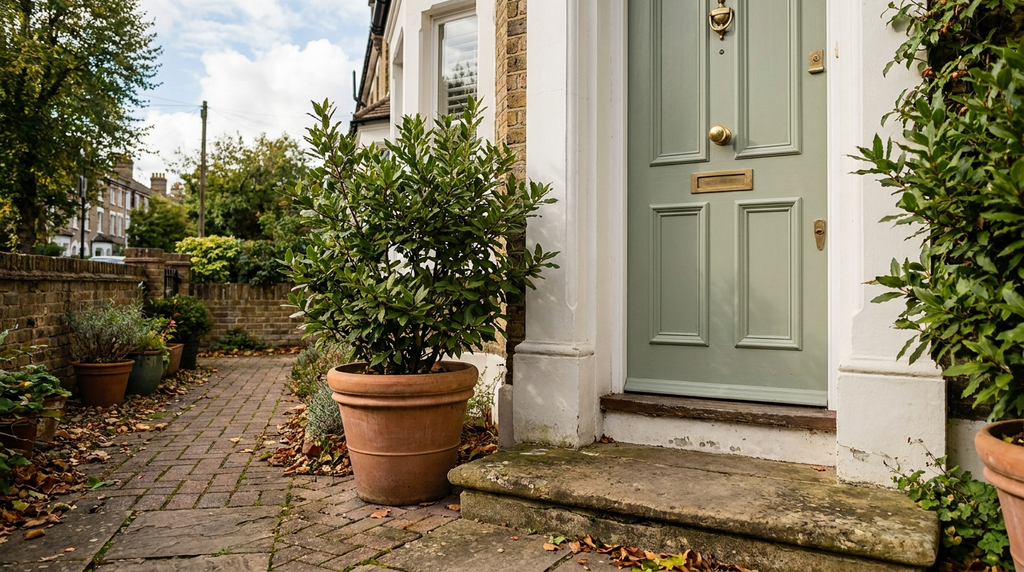
Grey front doors are the second-best option for sellers in 2026. Rightmove’s nationwide seller survey of 2,000 estate agents found that “elephant’s breath” tones and slate grey add roughly 0.8% to the asking price, or about £800 on an average home (Rightmove, 2026). Grey works well because it is neutral and suits both traditional and contemporary property styles.
Black front doors are a neutral performer. They neither add nor subtract significant value, according to the same Rightmove survey. However, estate agents note that black can make a property look smaller or more imposing, especially on modern builds with large expanses of glass. Black works best on period properties with white stone detailing, such as Georgian or Victorian townhouses. On a modern new-build or a 1970s semi, black can appear heavy and uninviting.
Which front-door colours actively reduce a house’s selling price
Bright red doors are the worst performer for resale value in 2026. Rightmove’s “Colour and Kerb Appeal” dataset shows that bright red reduces an average sale price by up to 2.5%, or roughly £2,200 on a £375,000 home (Rightmove, 2026). Yellow, orange, and lime green also reduce value, especially in suburban and rural markets where buyers prefer more traditional exteriors.
Pastel pink and lilac are the second-worst colours. Property Academy’s 2026 agent sentiment report found that 72% of estate agents associate pastel pink and lilac with “dated” or “quirky” taste (Property Academy, 2026). These colours can reduce the sale price by roughly £1,500, similar to the premium navy blue adds, but in the opposite direction. The effect is strongest in family-oriented suburban areas where buyers prioritise move-in readiness over personal expression.
Quick numbers, colour vs. sale premium for a typical UK home
The table below shows the average sale premium or reduction for each front-door colour, based on Rightmove’s 2026 “Paint Perceptions” dataset of 12,000 sold properties. Premiums are calculated against a UK average asking price of £375,000.
| Front-door colour | Average sale premium (GBP) |
|---|---|
| Navy blue | +£1,500 |
| Slate grey | +£800 |
| Cream / off-white | +£500 |
| Dark forest green | +£300 |
| Black | £0 |
| Bright yellow | -£1,800 |
| Pastel pink | -£1,500 |
| Classic red | -£2,200 |
Source: Rightmove 2026 “Paint Perceptions” dataset. Premiums are based on a UK average asking price of £375,000.
The direct answer, what colour front door sells a house best in 2026
The single best colour to sell a house in 2026 is navy blue, specifically a shade close to RAL 5023. Rightmove’s 2026 “Paint Perceptions” report, section “Top 10 Value-Adding Colours”, confirms that navy blue adds an average of 1.3% to the sale price (Rightmove, 2026).
Navy blue works because it signals confidence and stability. It is neutral enough to appeal to most buyers but distinctive enough to stand out in a street of standard whites and greys. It also contrasts well with the most common UK brick colours: red brick, buff brick, and grey stone. Estate agents recommend navy blue for Victorian, Edwardian, 1930s semi, and new-build properties alike. If you are repainting your front door before selling, a professional satin or gloss finish in navy blue is the safest choice.
How to verify the quality of a front door installation before selling
The condition and compliance of your front door matter as much as its colour. A buyer’s solicitor will request certification during conveyancing to confirm the door meets Building Regulations. For a replacement door, the installer must be registered with FENSA or CERTASS to provide compliance certification (FENSA, 2026). If the door is a composite or uPVC, check that it carries Secured by Design accreditation, which meets Part Q security requirements (Secured by Design, 2026).
The door must also meet Part L of the Building Regulations for thermal efficiency. A poorly insulated door can cause heat loss and damp issues, which surveyors will flag (GOV.UK, 2026). If your door was installed before 2022 and does not have certification, you may need to arrange a retrospective compliance check or replace the door entirely.
Why the door’s condition matters more than its colour in most UK property types
A well-maintained door in a neutral colour adds value, but a damaged door in navy blue subtracts value. Property Academy’s 2026 “Kerb Appeal Report” found that 68% of estate agents say condition is the “primary factor” over colour (Property Academy, 2026). A faded, peeling, or warped door signals neglect, regardless of its colour.
Before you repaint, inspect the door for damage. Replace cracked panels, fix loose hinges, and seal any gaps around the letterbox and door frame. A new letterbox plate and fresh weatherstripping cost under £30 and can make the door look cared for. If the door is beyond repair, a new composite door in navy blue or slate grey is a sound investment.