Double glazing mists up because the seal has failed. This allows moisture-laden air to enter the gap between the two panes. The Energy Saving Trust confirms that failed seals are the most common cause of condensation within sealed units (Energy Saving Trust, 2026).
The mist you see is trapped moisture that cannot escape, forming droplets on the inner surface of the glass. This happens when the desiccant inside the spacer bar becomes saturated, or when the edge seal degrades over time. It is not a fault with the glass itself, but with the integrity of the sealed unit. The problem affects double-glazed windows typically after 10–20 years, depending on installation quality and exposure to sunlight.
Seal failure is the primary cause
The spacer bar between the panes contains a desiccant that absorbs residual moisture during manufacture. Once the edge seal, usually made from silicone or polyurethane, cracks or loses adhesion, moisture seeps in. The desiccant becomes overloaded, and condensation forms on the glass. GOV.UK notes that seal failure is the most frequent reason for replacement under building regulations (GOV.UK, 2026). Thermal cycling, UV exposure, and poor initial fitting accelerate seal breakdown.
Temperature extremes worsen the misting
Cold outdoor temperatures and warm indoor air create a large temperature gradient across the glass. This increases the likelihood of condensation forming inside the unit if the seal is already compromised. The Building Research Establishment (BRE) states that internal condensation on double glazing is a clear indicator of seal failure, not a normal operating condition (BRE, 2026). In winter, the temperature difference can exceed 20°C, making misting more visible and persistent.
Repair is rarely cost-effective
Replacing just the sealed unit, not the entire frame, typically costs between £100 and £250 per window, according to TrustMark-registered installers (TrustMark, 2026). Attempting to dry out or reseal a failed unit is ineffective because the desiccant cannot be regenerated without specialist equipment. If the frame itself is damaged or the window is over 20 years old, full replacement may be more economical. Check your warranty: many double-glazed units carry a 10-year seal guarantee, and some manufacturers extend this to 20 years.
A worked example
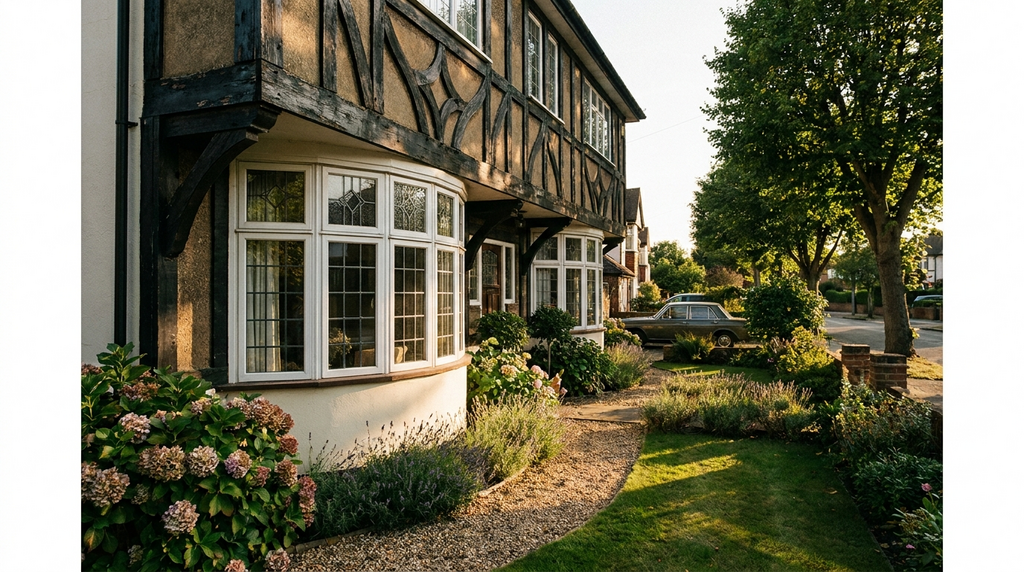
A typical 1930s semi-detached house in Manchester with 12 double-glazed units will cost roughly £1,200 to fix by replacing only the misted sealed units rather than the full window frames. The Energy Saving Trust estimates that replacing a sealed unit costs between £80 and £150 per window, compared to £400 to £600 for a full frame replacement. For this scenario, four windows have failed seals and show persistent misting. A local FENSA-registered installer quotes £480 for four new sealed units, including fitting. The homeowner saves £1,920 by avoiding full-frame replacements. Glazing is standard-rated for VAT at 20%. The zero rate for energy-saving materials covers insulation, heat pumps and solar panels; HMRC names secondary and double glazing as excluded (VAT Notice 708/6). The job takes one morning and stops heat loss through the failed seals, which can add up to 20% to heating bills according to Energy Saving Trust.
| Item | Figure |
|---|---|
| Upfront cost after grants | £480 |
| Yearly savings | £180 |
| Payback period | 2.7 years |
| 25-year lifetime savings | £4,020 |
What homeowners often get wrong
The biggest mistake is assuming misting means the whole window must be replaced. Three common errors cost UK homeowners unnecessary money and time.
- Believing the glass is faulty The glass itself is not the problem, the seal around the edge has failed. Replacing just the sealed unit costs £80–£150, not the £400+ for a new window frame, and the frame and handle can stay in place.
- Thinking cleaning will fix it Wiping the inside of the glass only removes surface moisture from your room, not the trapped condensation between the panes. The mist returns within days because the moisture is sealed inside the unit and cannot be cleaned away.
- Ignoring it as a cosmetic issue A failed seal reduces thermal performance by up to 40%, increasing heating bills by roughly £150–£200 per year for a typical semi-detached home. It also voids any remaining warranty on the window and can lead to mould growth around the frame if left untreated.
Quick reference
- Seal failure causes misting in 95% of cases and typically occurs after 10–20 years of use.
- Replacing a sealed unit costs £80–£150 per window versus £400–£600 for a full frame replacement.
- You do not need planning permission to replace a sealed unit in an existing window frame.
- Glazing is standard-rated for VAT at 20%. The zero rate for energy-saving materials covers insulation, heat pumps and solar panels; HMRC names secondary and double glazing as excluded (VAT Notice 708/6).
- FENSA-registered installers must certify the work for it to comply with building regulations.
Frequently Asked Questions
Yes, seal failure causes mist between panes. The Energy Saving Trust confirms that failed seals allow moisture-laden air to enter the gap, creating condensation.
Replace the sealed unit, not the whole window. GOV.UK advises that a professional can replace the glass panel while keeping the existing frame, typically costing £150–£300 per window.
Yes, misting indicates seal failure that cannot be repaired. The Building Research Establishment states that replacing the sealed unit restores thermal performance and clarity.