Why Inverurie homeowners are looking at Windows right now
Walk down the High Street any morning, and you will hear the same story from neighbours in Port Elphinstone, Kintore, or the newer estates off the Burgh Muir. Their windows are letting them down. That persistent draught around the frame. The condensation that never quite dries. The heating bill that keeps creeping up even though the thermostat hasn’t moved.
Inverurie homes are mostly semi-detached and detached properties built between the 1960s and 1990s, with a fair share of Victorian and Edwardian terraces near the town centre. These houses were built to standards that would fail today. Single glazing in the older stock. Double glazing from the 1980s that has lost its argon fill. Frames that have warped under two decades of Aberdeenshire winters. The average EPC rating across town is Band D, and windows are a major reason why.
There is also a practical push happening right now. The Scottish Government has tightened building regulations under Section 6, which means any replacement windows must meet higher thermal standards than ever before. And with Home Energy Scotland offering interest-free loans up to £15,000, many homeowners in Inverurie are realising that 2026 is the year to act before winter rolls in again.
What Windows actually involves for a typical Inverurie home
If you live in a semi-detached house on one of the estates near the Garioch Road, you probably have uPVC windows from the late 1990s or early 2000s. The frames are likely a standard white profile, and the glass units are starting to show that telltale cloudy haze between the panes. Replacing them is straightforward in most cases because the openings are standard sizes. But there are catches.
Detached homes, particularly the bungalows around the Harlaw area or the larger family homes on the outskirts near Chapel of Garioch, often have a mix of window styles. You might have a large picture window in the living room, casement windows in the bedrooms, and a fixed pane in the hallway. Each type requires a different approach, and some older frames were built into the brickwork rather than fitted as replacements. That means your installer might need to rebuild part of the opening, which adds time and cost.
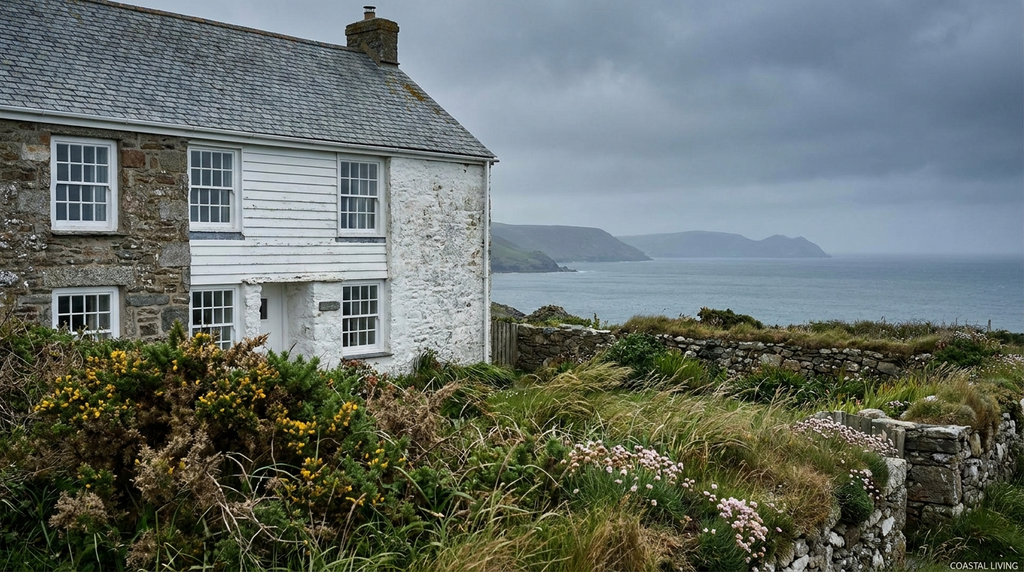
One specific challenge in Inverurie is the prevalence of stone-built homes, especially in the older parts of town near the Square. These walls are thick and uneven, so standard off-the-shelf windows rarely fit properly. You need bespoke frames that accommodate the natural irregularities of the stonework. That is not a problem, but it does mean you cannot buy from a national supplier and expect a perfect fit. Local fitters who understand traditional construction are worth their weight in gold here.
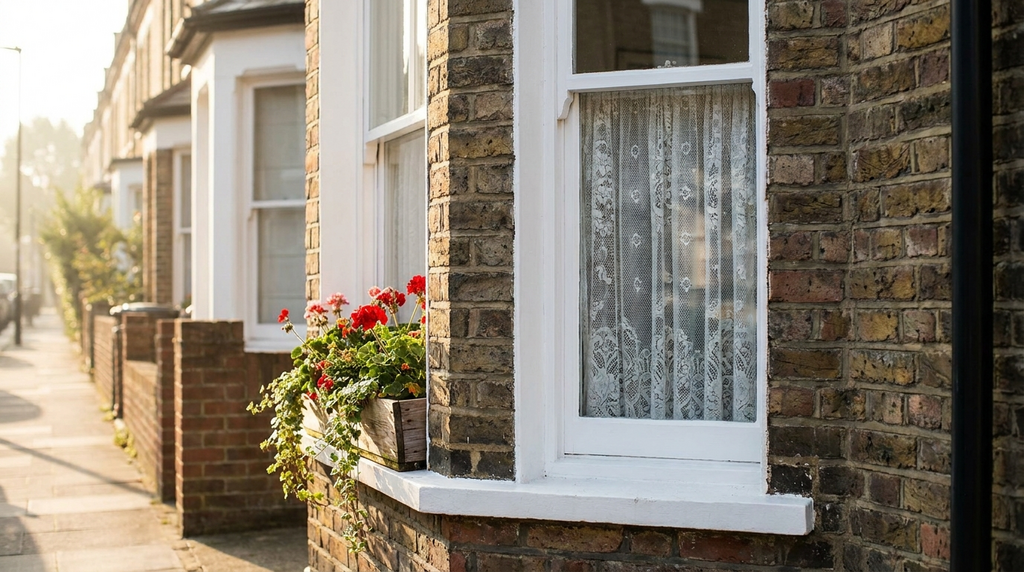
Another practical reality: many Inverurie homes have limited parking and narrow access paths. If you live on a terraced street near the town centre, the installer might need to park on the main road and carry materials through your garden or down a shared lane. That adds an hour or two to the job and sometimes means scaffolding where it would not normally be needed. Always ask about access during your quote.
How much Windows costs in Inverurie and the Scotland area in 2026
Prices for replacement windows vary significantly depending on frame material, glass specification, and the number of openings. Inverurie sits in a sweet spot where costs are slightly lower than Aberdeen city but higher than the national Scotland average because of transport distances and local labour rates.
| Window type | Typical cost per window (Inverurie) | Scotland average | UK average |
|---|---|---|---|
| uPVC casement (standard) | £450 – £650 | £400 – £600 | £350 – £550 |
| uPVC casement (energy rated A++) | £550 – £800 | £500 – £750 | £450 – £700 |
| Timber casement (painted, double glazed) | £900 – £1,400 | £800 – £1,300 | £750 – £1,200 |
| Aluminium casement (thermal break, double glazed) | £800 – £1,200 | £750 – £1,100 | £700 – £1,000 |
| Composite (timber exterior, uPVC interior) | £1,000 – £1,600 | £900 – £1,500 | £850 – £1,400 |
For a typical semi-detached house in Inverurie with 10 windows, you can expect to pay between £5,500 and £8,000 for standard uPVC upgrades. A detached home with 14 windows will run from £8,000 to £12,000. If you choose timber or aluminium, add roughly 40-60% to those figures.
Why are prices higher than the UK average? Three reasons. First, installers in Aberdeenshire have to travel further between jobs, and fuel costs get passed to you. Second, the local climate means windows must meet stricter weather resistance standards, particularly for wind loading and water tightness. Third, many suppliers base their pricing on the Aberdeen market, which has higher labour rates than the Central Belt. You will still pay less than someone in Aberdeen city centre, but more than a homeowner in Dundee or Glasgow.
How Inverurie’s weather and location affect your Windows choices
Inverurie sits in the valley of the River Don, which gives it some shelter from the worst coastal winds that batter Aberdeen. But do not be fooled. This is still northern Scotland with over 2,200 heating degree days each year. Your windows need to perform in conditions that would make a southern English window weep.
The dominant wind direction here is from the southwest, and if your house faces that direction, you will know the feeling of a gale pressing against your living room window. That constant pressure tests the seals and the frame integrity. A standard budget uPVC window with basic gaskets will fail within five to seven years in this climate. You need windows with reinforced frames, multi-point locking systems, and compression gaskets that hold their shape in cold temperatures.
Rainfall in Inverurie runs around 800mm per year, which is moderate by Scottish standards but still means your windows face wetting and drying cycles that can warp timber frames over time. If you choose timber, you must specify Accoya or a similarly treated hardwood that resists moisture movement. Softwood frames painted on site will need repainting every three to four years here.
Sunshine hours are low, particularly between October and February when you might see only 30-40 hours of sun per month. That limits the benefit of solar gain through your windows during winter. You cannot rely on passive heating from the sun to offset heat loss. Your windows must be genuinely insulating, not just average. Look for a U-value of 1.2 W/m²K or lower for the whole window unit, not just the glass.
Snow loading is a real concern for any roof-mounted solar panels or conservatory roofs, but for windows themselves, the main issue is the freeze-thaw cycle. Water gets into the smallest gaps, freezes, expands, and then melts again. Over a few winters, that can crack seals and damage frames. High-quality silicone sealants and proper drainage channels in the frame design are essential.
The products and options that work best here
For the vast majority of Inverurie homes, the smartest choice is a reinforced uPVC casement window with a U-value of 1.2 W/m²K or better. The frame should have a multi-chamber profile with at least five chambers, and the glass should be double glazed with a low-E coating and argon fill. Triple glazing is worth considering if you live on a particularly exposed site, such as the higher ground near the Bennachie viewpoint, but for most homes in the valley, good double glazing is sufficient.
If you own a stone-built property in the conservation area around the Square, you should look at timber windows. They can be made to match the original profiles, and modern timber windows with factory-applied paint systems last 30 years or more. Aluminium is another option for traditional homes because slim frames look more authentic, but aluminium conducts heat more readily than uPVC or timber, so you must insist on a thermal break and a U-value below 1.4 W/m²K.
For the 1970s and 1980s semi-detached homes that dominate the Burghmuir and Port Elphinstone estates, standard uPVC casements in white or anthracite grey work perfectly. Avoid dark colours on south-facing windows because they absorb heat and can cause the frame to expand and contract, which stresses the seals. Lighter colours reflect heat and stay dimensionally stable.
One product that performs exceptionally well in Aberdeenshire is the flush-fit sash window. Unlike traditional sliding sashes that leak air, flush-fit sash windows have compression seals and are built to be airtight. They suit the Victorian and Edwardian homes near the town centre and give you the period look without the draughts.
How to find a trustworthy Windows installer near Inverurie
Finding a good installer in Inverurie is about knowing where to look. The town is small enough that reputation travels fast. Ask your neighbours who they used. Check the Inverurie community Facebook page for recommendations. The local hardware stores on the High Street often know which tradespeople are reliable.
You want an installer who is registered with FENSA or CERTASS. These schemes certify that the work meets building regulations. Without that certificate, you will struggle to sell your house later because the buyer’s solicitor will ask for it. Also check that the installer is a member of the Glass and Glazing Federation for extra consumer protection.
Lead times in Aberdeenshire are longer than in the Central Belt. Most reputable installers are booked four to eight weeks ahead in 2026. If someone offers to start next week, ask why they are available so quickly. It might be a sign they are desperate for work, which usually means poor quality.
Get at least three quotes from different companies. Compare the specifications, not just the price. One quote might include trickle vents, reinforced frames, and high-performance glass, while another might offer basic units. The cheap quote is rarely the best value over 20 years.
Companies based in Aberdeen often cover Inverurie but charge a travel fee. Local installers based in Inverurie itself or in nearby Kintore or Insch will have lower travel costs and better knowledge of local housing. Always ask if they have worked on homes like yours before.
Grants and funding that could reduce your costs in 2026
Home Energy Scotland is your first stop. They offer interest-free loans of up to £15,000 for energy efficiency improvements, including window replacement. The loan must be for a package of measures, not windows alone, but you can combine windows with insulation, a new boiler, or renewable heating. Repayment terms are flexible, and there is no upper age limit on your property.
Warmer Homes Scotland provides free insulation and heating improvements for homeowners on certain benefits. If you receive Pension Credit, Universal Credit, or other qualifying benefits, you could get your windows replaced at no cost. The scheme is income-assessed, so check your eligibility on the Home Energy Scotland website.
The Energy Company Obligation (ECO4) also applies in Scotland. This scheme is funded by energy suppliers and targets low-income households and those with low EPC ratings. If your home is Band E, F, or G, you might qualify for fully funded window replacement. Contact your energy supplier or Home Energy Scotland to check.
One local note: Aberdeenshire Council has its own energy efficiency programmes through the Scottish Government’s Area Based Schemes. These target specific neighbourhoods with poor energy performance. Even if you do not qualify for a full grant, you might get a discounted installation through a bulk-buy scheme organised by the council.
Planning permission and regulations in Inverurie
Most window replacements in Inverurie do not need planning permission. If you are like-for-like replacement with the same size and style, you are covered by permitted development rights. But there are exceptions.
If you live in a conservation area, which covers parts of the town centre and some streets near the river, you need planning permission for any change to the external appearance. That includes replacing timber windows with uPVC. The council will expect you to match the original style and material. Timber windows in a traditional design are almost always approved. uPVC is rarely accepted.
Listed buildings are a different matter entirely. If your home is listed, you need listed building consent for any window replacement, even like-for-like. The planning officers at Aberdeenshire Council are strict about this. Unauthorised changes can result in enforcement action and a requirement to reinstate the original windows.
Building regulations apply to all window replacements. The work must meet the standards in Section 6 of the Scottish Building Standards. This covers thermal performance, safety glazing, and escape windows in bedrooms. Your installer should handle the building warrant application if one is needed. For most straightforward replacements, a FENSA or CERTASS certificate is sufficient to demonstrate compliance.
What you will actually save
Let us use your actual energy data. The average Inverurie home uses 14,000 kWh of gas and 3,400 kWh of electricity per year. With an EPC rating of Band D, your heating costs are about £1,600 annually.
Replacing single glazing or old double glazing with modern A++ rated windows will reduce your heat loss by roughly 25-30%. That translates to a saving of around £300 to £400 per year on your heating bill. If you also improve loft insulation and draught-proofing alongside the windows, the saving can reach £500 per year.
Your EPC rating will improve from Band D to Band C, and possibly to Band B if you combine the windows with other measures. That higher rating adds value to your home. Estate agents in Aberdeenshire report that a move from Band D to Band C can increase your property value by 2-4%, which on an average Inverurie house worth around £220,000 means an extra £4,400 to £8,800.
The payback period for a typical £7,000 window replacement is 18 to 23 years from energy savings alone. But when you factor in the increased property value and the comfort benefits, the investment makes sense for most homeowners. And with the interest-free loans available, you can spread the cost without paying interest.
One final thought: new windows will transform how your home feels. No more cold spots near the glass. No more condensation streaming down the panes on a winter morning. No more noise from the traffic on the A96. That comfort is worth something too, even if it does not show up on your energy bill.