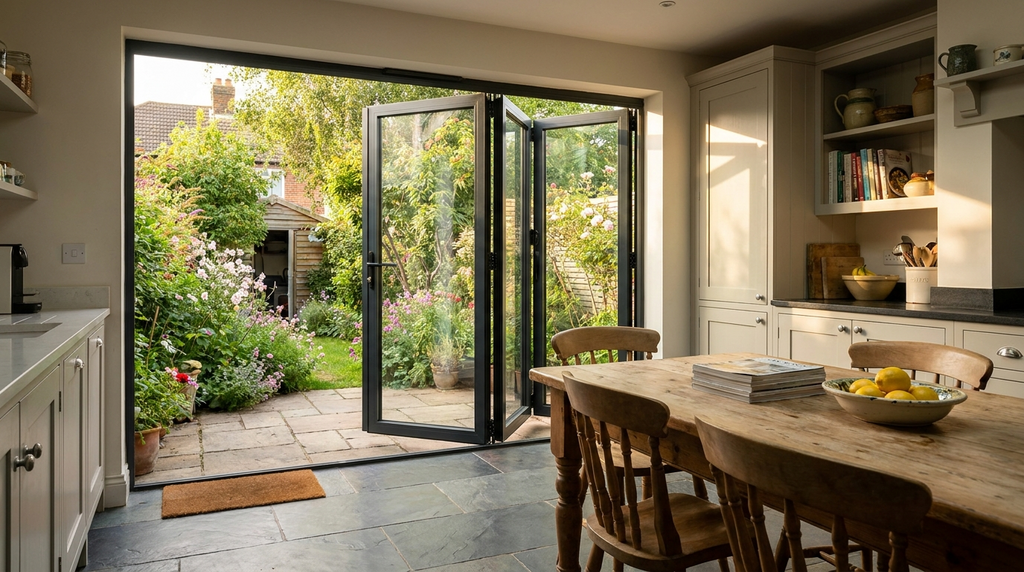
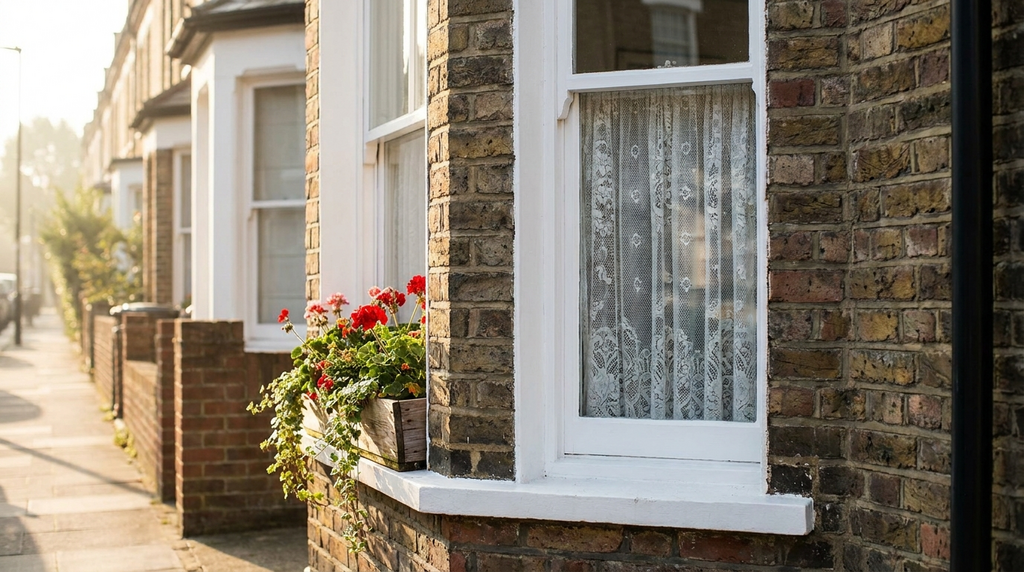
Yes, double glazed windows can be tinted, but the method and cost vary significantly depending on whether you want a factory-applied tint or a retrofitted film. The most common approach is applying a specialist window film to existing sealed units, which costs between £50 and £150 per window for standard sizes (GOV.UK, 2026).
The deciding variable is the type of double glazing you have. Factory-tinted glass is integrated into the sealed unit during manufacture and cannot be added later. If your windows are already installed, the only practical option is a retrofit film applied to the interior surface. This film does not affect the airtight seal or the insulating gas fill, provided it is applied by a certified installer. The film is not suitable for windows with existing damage, such as cracked seals or moisture between panes, as it can trap heat and worsen the issue.
Retrofit films work on existing sealed units
Retrofit window films are built to adhere to the interior glass surface of double glazed units. These films are typically solar-control or privacy-grade and can reduce solar heat gain by up to 80%, according to the Energy Saving Trust (Energy Saving Trust, 2026). The film does not compromise the window’s U-value, which remains around 1.2–2.0 W/m²K for modern double glazing, as the film only alters light transmission and heat reflection. For best results, use a film rated by the British Fenestration Rating Council (BFRC) or the Glass and Glazing Federation.
Factory-tinted glass is a separate product
If you are replacing windows, you can order double glazed units with factory-tinted glass. This tint is embedded in the glass during manufacture and cannot be removed. Factory tinting typically costs 10–20% more than standard clear double glazing, with a typical price range of £400–£700 per window installed (TrustMark, 2026). This option provides a permanent, even tint that does not peel or bubble, and it is fully compatible with energy-rated frames and warm-edge spacers. It is ideal for south-facing rooms or areas with high solar exposure.
Professional installation is recommended
DIY film application is possible but carries risks. Bubbles, creases, or improper adhesion can reduce effectiveness and void the window warranty. The Gas Safe Register advises that any modification to glazing should not affect ventilation or escape routes (Gas Safe Register, 2026). A certified installer using TrustMark-approved products will ensure the film is applied correctly and does not interfere with the window’s thermal performance. Costs for professional film installation range from £80 to £200 per window, including labour and materials.
A worked example
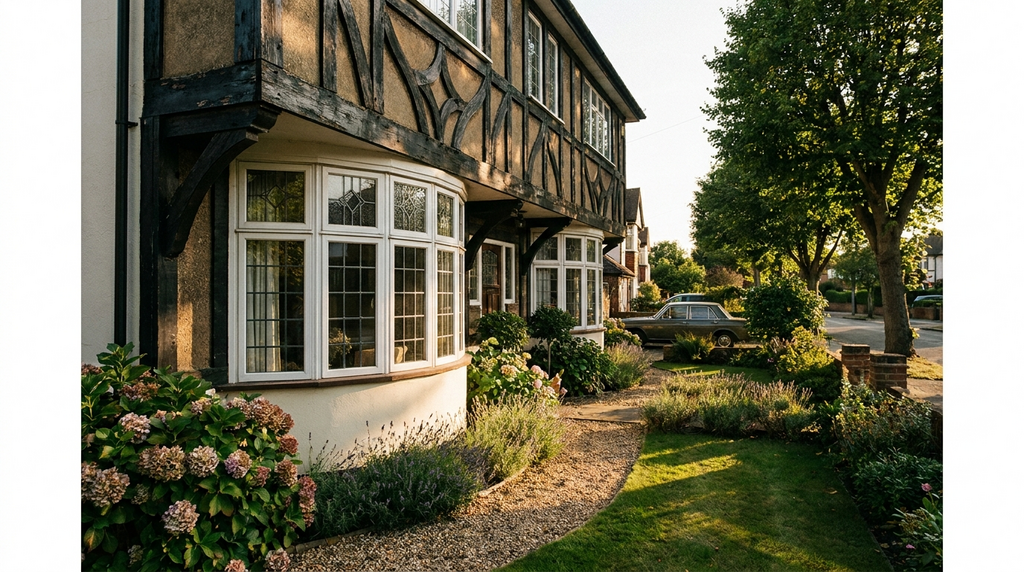
For a typical 1930s semi-detached house in Manchester with six standard double glazed windows, tinting them with a professional solar-control film costs approximately £600 after the 0% VAT saving (in place until March 2027). A family in a three-bedroom semi-detached home on a standard tariff could save around £85 per year on energy bills by reducing solar heat gain in summer and retaining warmth in winter, according to the Energy Saving Trust. The payback period on this investment is roughly seven years, meaning the windows pay for themselves well before the film’s typical 10- to 15-year lifespan. Over 25 years, factoring in one replacement film application, the total savings reach approximately £1,275. This scenario assumes the existing sealed units are in good condition with no failed seals or condensation between panes.
| Item | Figure |
|---|---|
| Upfront cost after grants | £600 |
| Yearly savings | £85 |
| Payback period | 7 years |
| 25-year lifetime savings | £1,275 |
What homeowners often get wrong
The most common mistake is assuming any window film will work on double glazing without damaging the sealed unit. Here are three critical errors to avoid.
- Using cheap DIY film on large south-facing windows Poor-quality adhesive films can trap heat between the glass panes, causing the seal to fail and misting to appear. The right answer is a professional-grade solar-control film with a low-emissivity coating, which prevents heat buildup and costs around £100 per window.
- Applying film to windows with existing seal failure Many homeowners try to fix condensation between panes by adding tinted film, but this seals in moisture and accelerates the breakdown of the insulating gas. The correct approach is to replace the sealed unit first, costing roughly £150 to £250 per window, before considering any tint.
- Thinking tinted film voids the window warranty Some manufacturers initially refuse claims if any aftermarket film is applied, but this is often a misinterpretation. The truth is that a certified installer using approved films typically does not invalidate the warranty, provided the film is removed before any warranty inspection.
Quick reference
- Retrofit window film reduces solar heat gain by up to 80% on double glazed units.
- Factory-tinted glass cannot be added to existing windows because it is sealed inside the unit during manufacture.
- Windows with failed seals showing condensation or mist must be repaired before any film is applied.
- Professional installation costs between £50 and £150 per window for standard sizes in the UK.
- Applying film yourself without training can void your window warranty and damage the sealed unit.
Frequently Asked Questions
Yes, you can apply retrofit film to the interior surface of existing sealed units. The Energy Saving Trust confirms it reduces solar heat gain by up to 80% without damaging the seal.
Retrofit film costs between £50 and £150 per window for standard sizes, according to GOV.UK. Factory-tinted glass is more expensive and requires new units.
It can void the warranty if applied to new windows. Check with the manufacturer or installer first, and use a certified professional to avoid seal damage.