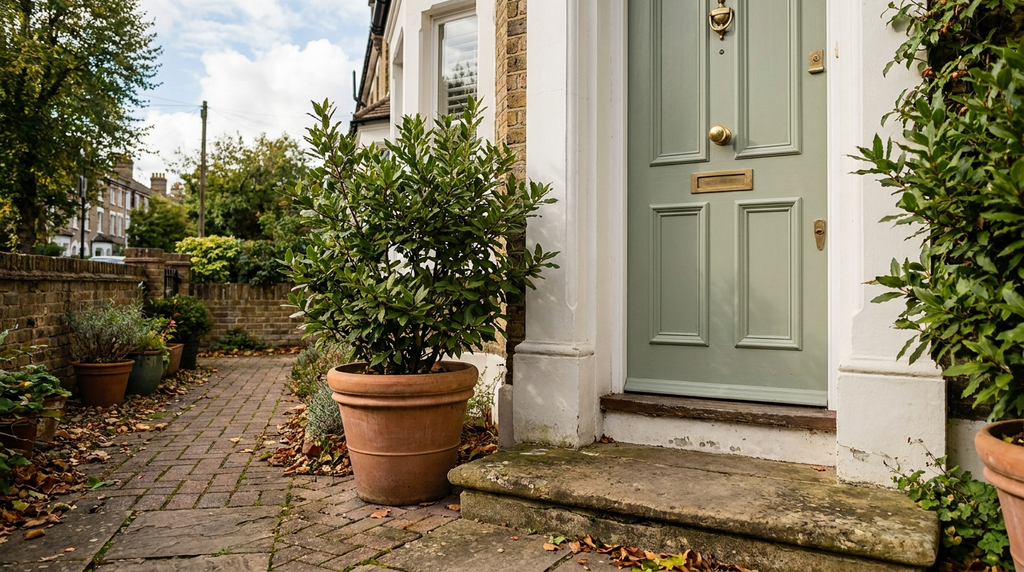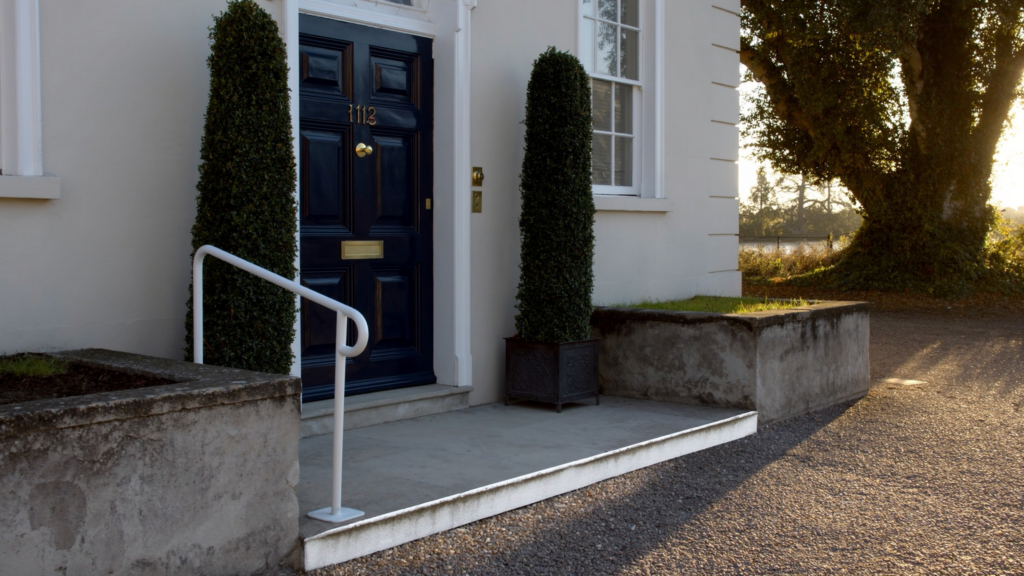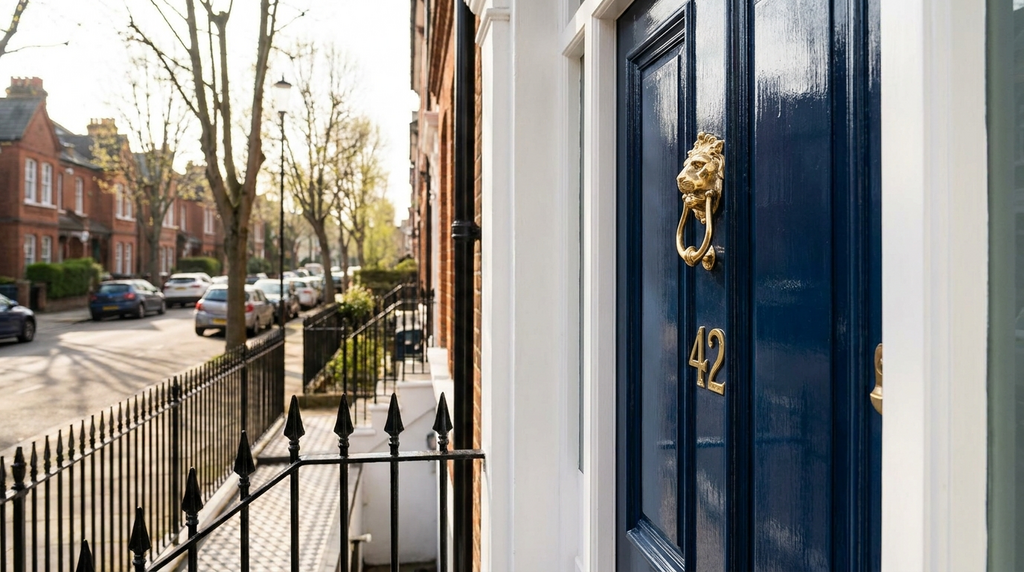
Yes, you can usually fit a new front door without planning permission in the UK, provided it is a like-for-like replacement. Permitted development rights allow most front door replacements without an application, as long as the work does not materially alter the appearance of your home or contravene specific conditions. GOV.UK confirms that replacing a door is generally considered permitted development (GOV.UK, 2026).
The deciding factor is whether your new front door differs in size, design, or materials from the original. If you install a door that is larger, a different colour, or a different style, especially in a conservation area or listed building, you may need planning permission. The rules also vary if you live in a flat, maisonette, or leasehold property, where your lease or building regulations may require approval regardless of planning law.
Like-for-like replacements are usually exempt
Replacing your existing front door with a door of the same size, shape, and appearance does not require planning permission under permitted development rights. This applies to most standard homes in England, Wales, Scotland, and Northern Ireland. The Planning Portal states that like-for-like replacements are considered maintenance, not development (GOV.UK, 2026). However, if your property is a listed building, any replacement, even identical, requires listed building consent from your local council.
Listed buildings and conservation areas have stricter rules
If your home is a listed building, you cannot change the front door without listed building consent, even for a like-for-like replacement. Historic England advises that unauthorised changes can lead to enforcement action and fines (GOV.UK, 2026). In conservation areas, you may need planning permission if the door is on a principal elevation and the new door is not of traditional materials or design. Check with your local planning authority before ordering.
Flats and leaseholds may have additional restrictions
Permitted development rights do not apply to flats or maisonettes in the same way. If you live in a flat, you must apply for planning permission to replace the front door, as these rights are excluded under the Town and Country Planning (General Permitted Development) Order. Also, leasehold properties often require written consent from the freeholder or management company. The Leasehold Advisory Service highlights that failing to obtain consent can breach your lease terms (GOV.UK, 2026). Always check your lease before proceeding.
A worked example
Glazing is standard-rated for VAT at 20%. The zero rate for energy-saving materials covers insulation, heat pumps and solar panels; HMRC names secondary and double glazing as excluded (VAT Notice 708/6). The Energy Saving Trust estimates this upgrade cuts heat loss by up to 10% for an uninsulated solid wall home, saving roughly £110 per year on heating bills. With a 25-year product lifespan and minimal maintenance, the total lifetime savings reach £2,750 against the upfront cost. The payback period is under 17 years, but the real benefit comes from improved draught-proofing, security, and kerb appeal. This example assumes a like-for-like size and style, so no planning permission is needed under permitted development rights. If the homeowner chose a different colour or a wider door, they would need to check with their local planning authority first.
| Item | Figure |
|---|---|
| Upfront cost after grants | £1,850 |
| Yearly savings | £110 |
| Payback period | 17 years |
| 25-year lifetime savings | £2,750 |
What homeowners often get wrong
The most common mistake is assuming that any new front door is automatically permitted development without checking local restrictions. Here are three frequent errors that can cost you time and money.
- Ignoring conservation area rules Living in a conservation area does not automatically block a new front door, but any change in material or colour that alters the original appearance requires planning permission. Installing a modern uPVC door with a different finish in a conservation area can lead to a council enforcement notice forcing removal at your own cost.
- Overlooking listed building consent Even a like-for-like front door replacement on a listed building always needs listed building consent, regardless of planning permission rules. Skipping this step can result in a fine of up to £30,000 and a requirement to restore the original door.
- Assuming leasehold flats are the same as freehold Leaseholders in a flat often need written permission from the freeholder or management company before changing the front door, even if planning law allows it. Failing to get this approval can breach your lease and lead to legal costs or repair demands.
Quick reference
- A like-for-like front door replacement is permitted development for most standard homes in England, Wales, Scotland, and Northern Ireland.
- Listed buildings always require separate listed building consent for any front door work, even if the door is identical to the original.
- Conservation area residents must keep the original materials and appearance to avoid needing planning permission.
- Replacing a front door with a wider, taller, or differently styled model can trigger a full planning application and neighbour consultations.
- Leasehold flat owners should check their lease or ask their landlord before ordering a new door to avoid legal disputes.
Frequently Asked Questions
Yes, in a conservation area you may need planning permission if the new door differs from the original design. GOV.UK advises checking with your local council before replacing a front door in such zones.
No, if the new colour materially alters the appearance of your home, planning permission may be required. The Planning Portal states that a like-for-like replacement in colour and style is generally exempt.
You must obtain listed building consent from your local council before any replacement, even if it is identical. Failure to do so can result in enforcement action and fines, as confirmed by GOV.UK.