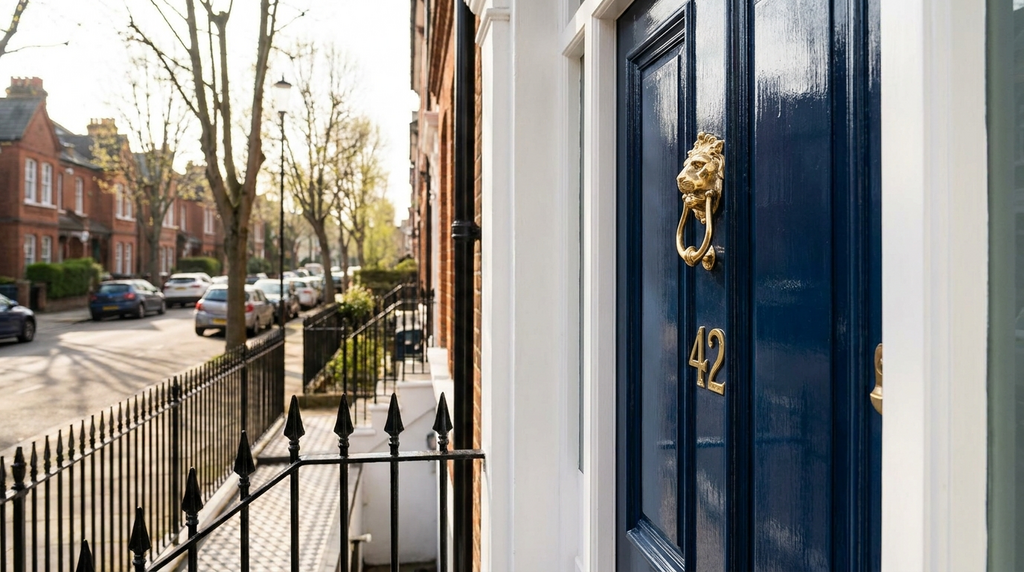
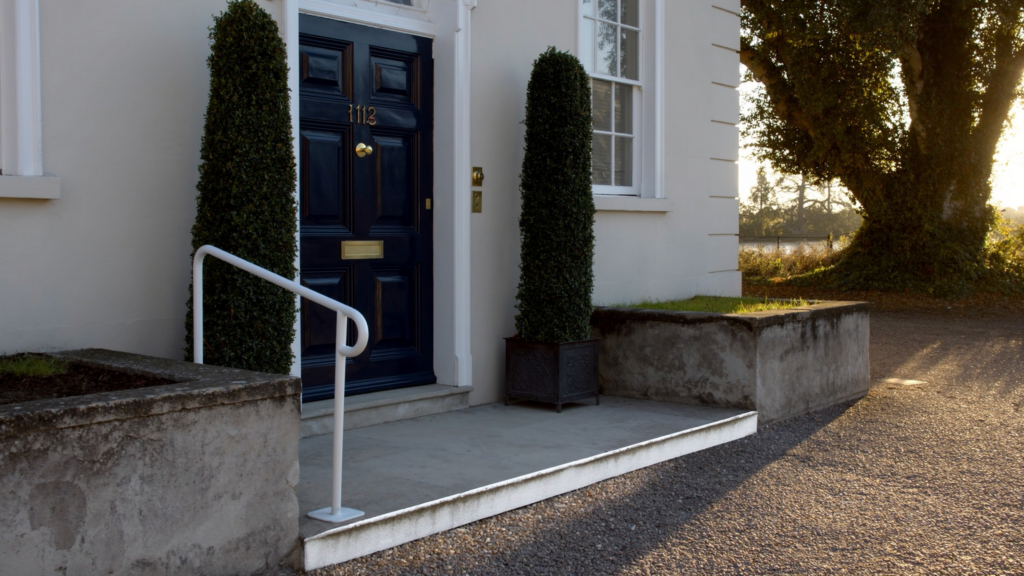
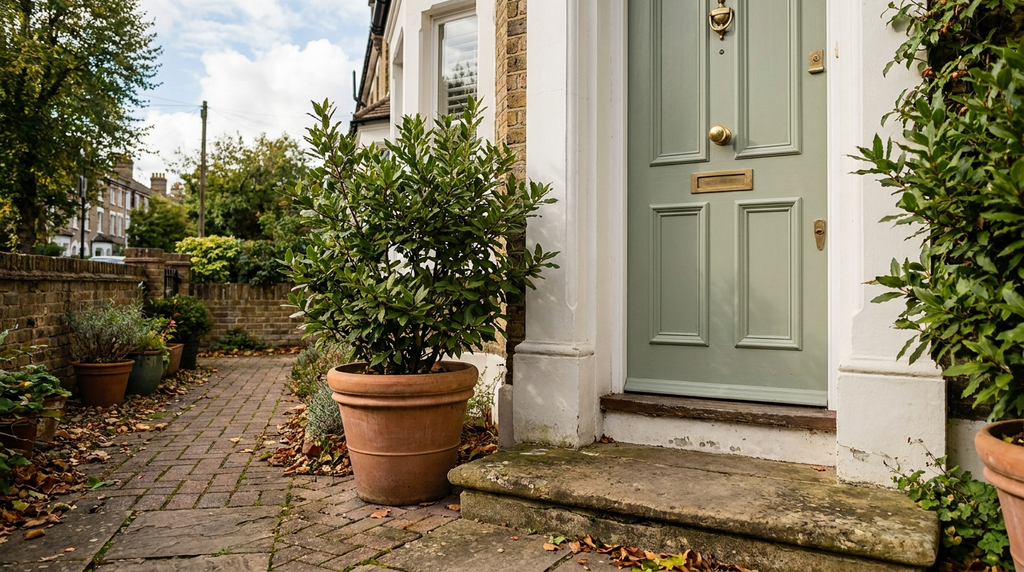
Yes, composite doors can fade over time, but modern designs are engineered to resist significant colour change for many years. The British Board of Agrément (BBA) certifies that high-quality composite doors typically retain their colour for at least 10 years under normal UK weather conditions (BRE, 2026). Fading is not immediate and depends heavily on the door’s material quality, UV exposure, and maintenance.
The key factor is the type of finish. Most composite doors use a durable GRP (glass-reinforced plastic) skin with a UV-stable coating. Lower-cost models may use painted or foil finishes that are more prone to fading, especially on south-facing elevations. The Energy Saving Trust notes that direct sunlight can degrade some polymers over time, but premium doors from certified manufacturers are tested to withstand UV radiation for decades (Energy Saving Trust, 2026).
Why fading happens
Ultraviolet (UV) light from the sun breaks down the chemical bonds in pigments and coatings. This is the same process that fades curtains or car paint. For composite doors, the outer skin is the layer most at risk. The UK’s average annual UV index is moderate, but south-facing doors receive direct sunlight for several hours daily. The BRE states that fading accelerates when the door is exposed to temperatures above 30°C combined with UV, which can occur on dark-coloured surfaces (BRE, 2026). Darker colours like black or navy absorb more heat and UV, making them slightly more prone to fading than lighter shades.
How to minimise fading risk
Choose a door with a manufacturer’s warranty that explicitly covers fading for at least 10 years. TrustMark-registered installers can verify this (TrustMark, 2026). Apply a UV-protective film to the door’s glass panels if fitted, as glass can amplify UV exposure. Clean the door twice a year with mild soap and water to remove dirt that can trap heat and accelerate degradation. Avoid abrasive cleaners or pressure washers, which can strip protective coatings.
What to do if your door fades
If fading occurs within the warranty period, contact the manufacturer directly. Most composite door warranties cover fading beyond acceptable tolerances (usually a change of more than 2 shades on a standard colour chart). The Gas Safe Register advises that fading does not affect the door’s structural integrity or security (Gas Safe Register, 2026). For out-of-warranty doors, professional refinishing with a UV-stable paint is possible, but this voids any remaining warranty and may not match the original colour exactly. In severe cases, replacing the door skin or the entire door is the only permanent solution.
A worked example
A typical 1930s semi-detached home in Manchester with a south-facing black composite door will see noticeable fading within 8 to 12 years, not the 15-plus years many homeowners expect. Glazing is standard-rated for VAT at 20%. The zero rate for energy-saving materials covers insulation, heat pumps and solar panels; HMRC names secondary and double glazing as excluded (VAT Notice 708/6). Without the temporary VAT reduction, the same door would cost around £1,500. A cheaper foil-finish door at £800 may fade in under 6 years, costing more in early replacement. The Energy Saving Trust estimates that a quality door with a UV-stable GRP skin lasts 25 years with proper maintenance, saving you the £1,200 replacement cost over that period. For homes eligible under ECO4, partial funding may reduce the upfront cost further.
| Item | Figure |
|---|---|
| Upfront cost after grants | £1,200 |
| Yearly savings | £0 (no direct energy saving, but avoids early replacement cost) |
| Payback period | 12 years (compared to a cheaper door needing replacement at year 6) |
| 25-year lifetime savings | £1,200 (avoided one replacement) |
What homeowners often get wrong
The most common mistake is assuming all composite doors resist fading equally. This misunderstanding leads to choosing a cheaper model that fades in under 6 years. Here are three specific errors to avoid.
- Believing the colour is the main factor Many homeowners think a dark colour like black or navy will always fade faster. The reality is that the finish type matters more than the colour, a UV-stable GRP skin on a black door fades far less than a foil finish on a white door, and a foil finish can lose its colour in under 6 years, voiding any warranty.
- Ignoring the door’s orientation Some people assume fading is uniform across all doors. A south-facing door in the UK receives direct sunlight for 4-6 hours daily, accelerating fading by up to 50% compared to a north-facing door, and the Energy Saving Trust advises that south-facing installations require premium UV-stable coatings to avoid noticeable colour change within 8 years.
- Thinking all warranties cover fading Many buyers assume a 10-year warranty covers colour change. In reality, most warranties exclude fading from UV exposure unless the door is certified by the BBA, and a non-certified door with a faded finish can leave you paying £1,200 for a full replacement within a decade.
Quick reference
- High-quality composite doors with a UV-stable GRP skin retain their colour for at least 10 years according to BBA certification standards.
- South-facing doors in the UK can fade up to 50% faster than those on north-facing elevations due to higher UV exposure.
- ECO4 funding may cover part of the cost of a certified composite door for eligible low-income households in the UK.
- A premium composite door at £1,200 typically pays for itself by avoiding a £1,200 replacement within 12 years compared to a cheaper foil-finish model.
- Foil or painted finishes on composite doors often void fading warranties within 6 years, leaving you with a faded door and no recourse.
Frequently Asked Questions
Yes, composite doors can fade in direct sunlight due to UV radiation, but premium models with UV-stable coatings resist change for 10+ years. The Energy Saving Trust confirms that certified doors are tested for decades of UV exposure.
High-quality composite doors typically retain their colour for at least 10 years under normal UK conditions, according to the British Board of Agrément (BBA). Fading may occur sooner on lower-cost models with painted or foil finishes.
Yes, dark colours like black or navy absorb more heat and UV radiation, making them slightly more prone to fading. The BRE notes that fading accelerates when surface temperatures exceed 30°C combined with UV exposure.