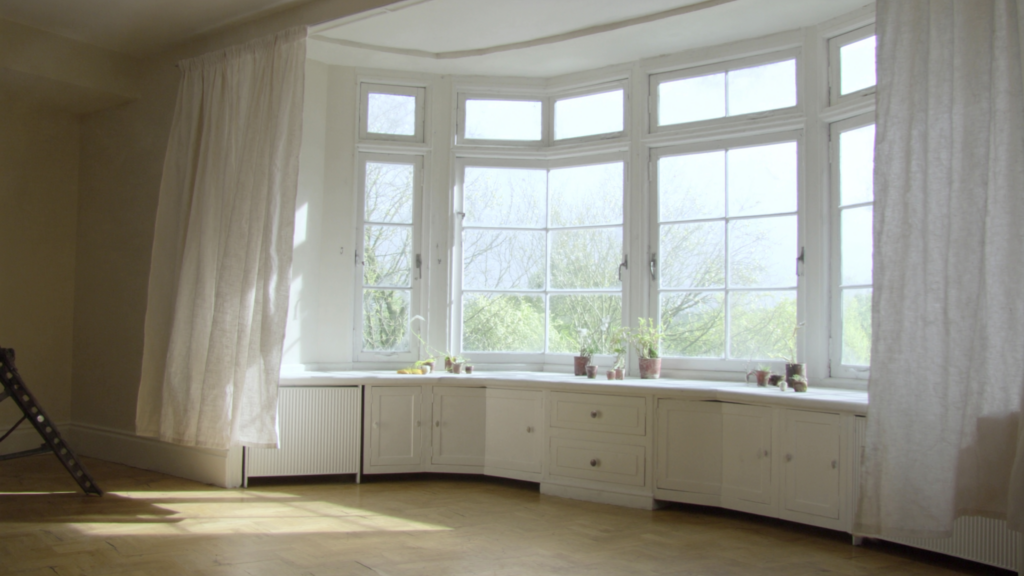
Overview of Double Glazing in Bakewell
Bakewell, the picturesque market town in the Peak District National Park, has some of the most thermally challenging homes in Derbyshire, and double glazing is one of the most effective upgrades a homeowner here can make. With an average EPC rating of Band E across the town, a large proportion of properties in Bakewell are losing significant heat through single-glazed or poorly performing windows, directly pushing up energy bills and reducing comfort throughout the long Pennine winters. Installing modern double glazing in Bakewell is a practical, cost-effective investment that addresses a genuine and measurable problem, not just a cosmetic upgrade.
Bakewell sits at roughly 150 metres above sea level in the Wye Valley, surrounded by the limestone plateau of the Peak District. That elevation and geography mean the town regularly experiences colder temperatures than lower-lying Derbyshire towns such as Derby or Belper. Wind exposure is another factor, properties on the higher streets and outskirts of the town face considerably more draughts than urban centres further south. For homeowners here, heat retention is a serious concern, not a luxury consideration.
This guide covers everything a Bakewell homeowner needs to know about double glazing in 2026, from realistic costs and available grants to planning rules and how to find a trustworthy local installer.
Why Bakewell Homeowners Choose Double Glazing
The Local Climate and What It Means for Your Windows
The East Midlands as a region already sits among the cooler parts of England, but Bakewell’s position within the Peak District National Park places it in an even more exposed band of weather. The town averages fewer degree days of warmth than the regional mean, with frost possible from October through to April in higher-lying streets such as those around Cunningham Place and the upper reaches of Castle Street. Average annual rainfall in the area exceeds 900mm, meaning moisture management around window frames is a genuine concern alongside heat loss.
Single-glazed windows, which are still found in a number of older Bakewell properties, offer a U-value of around 5.0 W/m²K, meaning heat passes through them extremely rapidly. Modern A-rated double glazing achieves a U-value below 1.6 W/m²K, representing a reduction in heat loss of more than 60 per cent through the glazed surface. In a town where average gas usage runs at 13,500 kWh per year, notably higher than the national average of around 11,500 kWh, the ability to cut heating demand meaningfully is financially significant.
The Housing Stock in Bakewell
Bakewell’s homes reflect its history as a long-established market town and rural service centre. The housing stock is dominated by two types of property that each present distinct glazing challenges.
- Detached properties, Found throughout the residential streets and on the outskirts towards Haddon and Ashford in the Water, these homes tend to be stone-built with larger window openings. Many were constructed in the 19th century and have been extended or modified over the decades. Detached homes in Bakewell often have more windows than terraces, meaning the total glazing area, and therefore the potential savings, is greater.
- Terraced properties, The town centre and streets such as Water Street, Granby Road, and Bath Street feature rows of traditional stone terraces. These properties share walls, which reduces some heat loss, but front and rear elevations still face full exposure to wind and cold. Original sash or casement windows in these homes are often draughty and poorly insulated.
Stone-built properties in particular benefit from careful choice of double glazing frame materials. uPVC is the most popular and cost-effective option, but in Bakewell, where many streets sit within or adjacent to conservation areas, timber or aluminium frames in appropriate colours may be required to satisfy planning conditions.
2026 Costs for Double Glazing in Bakewell
What to Expect to Pay in the East Midlands
Pricing for double glazing in the East Midlands sits broadly in the mid-range for England. This reflects both reasonable installer competition and the costs associated with serving more rural areas like Bakewell, where travel time adds a modest premium compared to city-based jobs. Below is a detailed guide to typical installed costs in 2026.
| Window Type | Frame Material | Typical Size | Estimated Installed Cost Per Window |
|---|---|---|---|
| Standard casement (A-rated) | uPVC | 600mm x 900mm | £350 – £550 |
| Large casement (A-rated) | uPVC | 1200mm x 1200mm | £550 – £850 |
| Sash window (A-rated) | uPVC | 700mm x 1200mm | £700 – £1,100 |
| Sash window (A-rated) | Timber | 700mm x 1200mm | £1,200 – £2,200 |
| Bay window (A-rated) | uPVC | Standard 3-panel bay | £1,400 – £2,500 |
| Tilt and turn (A-rated) | uPVC | 900mm x 1200mm | £450 – £750 |
| Aluminium casement (A-rated) | Aluminium | 1000mm x 1000mm | £750 – £1,300 |
| Full house installation (6–10 windows) | uPVC | Typical semi/terrace | £3,500 – £7,500 |
| Full house installation (8–14 windows) | uPVC or Timber | Typical detached | £5,500 – £12,000 |
Factors That Affect the Final Price in Bakewell
- Rural surcharge, Installers travelling from Matlock, Chesterfield, or Sheffield may apply a travel premium. Always confirm whether delivery and installation travel costs are included in any quote.
- Frame removal and disposal, Removing original stone surround or lead-based painted timber frames adds labour time and can increase costs by £50 to £150 per window.
- Specialist glazing requirements, Properties in or near conservation areas may need slim-profile units or heritage-style frames, which carry higher manufacturing costs.
- Number of windows, Bulk installations on a full house generally attract a lower per-window price than single replacements.
- Glass specification, Upgrading to triple glazing, acoustic glass, or solar control glass adds between 15 and 40 per cent to base unit costs.
Types of Double Glazing Available
Understanding the Options for Peak District Homes
Not all double glazing is the same. The energy performance of a window is governed by its overall Window Energy Rating (WER), expressed as a letter from A++ down to G, and its U-value. For a town with Bakewell’s climate, aiming for a WER of A or above and a whole-window U-value of 1.4 W/m²K or better is strongly recommended.
- Standard double glazing, Two panes of glass with an air or argon-filled cavity. The argon-filled version (far more common now as standard) is significantly more efficient and should be the minimum you accept in any quote.
- Low-E glass, A microscopically thin metallic coating on the inner pane reflects heat back into the room. This is now standard in most A-rated windows and is particularly valuable in Bakewell’s cooler climate.
- Triple glazing, Three panes with two cavities. Achieves U-values below 0.8 W/m²K in the best units. Costs more and adds weight, but for north-facing elevations or exposed gable walls in Bakewell’s hillside properties, it can be worthwhile.
- Secondary glazing, An interior panel fitted inside the existing frame rather than replacing it. Particularly relevant for listed buildings in Bakewell where full replacement is not permitted. Less thermally efficient than full replacement but a significant improvement over single glazing alone.
- Heritage-style slim-profile double glazing, Designed for conservation areas, these units use thinner spacer bars and period-appropriate frame profiles to mimic original window designs while still delivering double-glazed performance.
What to Look for in a Bakewell Double Glazing Installer
Choosing the Right Company for a Peak District Property
Finding a reliable installer in a smaller town like Bakewell requires a little more research than in a major city. There are fewer local firms, which means checking credentials carefully is essential before committing to any contract.
Key Accreditations to Look For
- FENSA registered, The Fenestration Self-Assessment Scheme is the primary regulatory body for window and door installations in England and Wales. A FENSA-registered installer self-certifies that work complies with Building Regulations and issues a certificate automatically registered with the local authority. This is the single most important accreditation to check.
- CERTASS registered, An alternative to FENSA, equally valid and equally ensuring Building Regulations compliance.
- TrustMark accredited, The government-endorsed quality scheme covers a wider range of trades and provides additional consumer protection, including deposit protection on some schemes.
- Which? Trusted Traders, Independent vetting and review verification provides additional confidence.
Questions to Ask Before Signing Anything
- Are you FENSA or CERTASS registered, and will I receive a compliance certificate on completion?
- Do your windows carry the British Standards mark (BS 7950 for security, BS EN 14351-1 for performance)?
- What is the U-value and Window Energy Rating of the units you are quoting?
- Is the argon fill included as standard or is it an extra?
- What warranties do you offer on frames, glass, and installation, and are those warranties backed by an insurance-backed guarantee?
- Can you supply references from recent jobs in Bakewell or the surrounding Peak District area?
- Are you familiar with Derbyshire Dales District Council’s planning requirements for conservation areas?
For Bakewell specifically, also ask whether the company has experience working with stone-built properties and whether they carry appropriate public liability insurance, as working with older stone surrounds carries a higher risk of incidental damage.
Government Grants and Funding for Double Glazing in 2026
What Financial Support Is Available to Bakewell Homeowners
Government support for double glazing has historically been more limited than for measures like insulation or heat pumps, but several routes exist that Bakewell homeowners may be able to use in 2026.
ECO4 Scheme
The Energy Company Obligation 4 (ECO4) scheme remains active in 2026 and is administered through the major energy suppliers. It targets households in lower EPC bands, Band D, E, F, and G, which covers a substantial proportion of Bakewell’s housing stock given the town’s average Band E rating. ECO4 funding can cover glazing improvements as part of a wider energy efficiency package, particularly where windows are identified as a key source of heat loss. Eligibility is generally linked to receipt of qualifying benefits such as Universal Credit, Pension Credit, or Child Tax Credit. Contact your energy supplier or check the Ofgem ECO4 guidance to assess your eligibility.
Great British Insulation Scheme (GBIS)
The Great British Insulation Scheme closed on 31 March 2026. It funded insulation measures only and never covered windows or glazing. While its primary focus is insulation, some glazing upgrades may qualify depending on individual household circumstances and the supply chain arrangements your energy supplier has in place. It is worth enquiring directly with your energy supplier to see whether windows fall within the scope of support available to you.
Derbyshire Dales District Council
Bakewell falls within the Derbyshire Dales District Council area. The council has historically offered or signposted residents towards Warm Homes funding and Home Improvement Loans for energy efficiency works. In 2026, it is worth contacting Derbyshire Dales directly to ask about any current local authority flexible eligibility schemes linked to ECO4, as these can sometimes extend support to households not on benefits but with low incomes or high energy costs relative to income.
The Warm Home Discount
While not directly funding window installation, the Warm Home Discount provides eligible households with a £150 credit on their energy bill, which can effectively free up household income to contribute towards glazing investment. Eligibility is automatic for those receiving the Guarantee Credit element of Pension Credit.
Practical Advice on Accessing Grants
Always be cautious of unsolicited contact from companies claiming to offer free windows through government schemes. The Great British Insulation Scheme closed on 31 March 2026. It funded insulation measures only and never covered windows or glazing. The Energy Saving Trust’s online advice service is a free, reliable starting point for understanding what you may be entitled to.
How Double Glazing Affects Your EPC Rating
Moving Up the Energy Performance Ladder in Bakewell
With an average EPC rating of Band E in Bakewell, most properties in the town have meaningful room for improvement. Double glazing alone will not transform a Band E property to a Band A, but it makes a measurable and documented contribution to the overall EPC score that can, when combined with other measures, push a property up one or even two bands.
Under the Standard Assessment Procedure (SAP) methodology used in 2026 EPC assessments, windows are assessed for their U-value and total glazed area relative to floor area. Replacing single glazing with A-rated double glazing typically adds between 2 and 8 SAP points to a property’s rating, depending on the number and size of windows being upgraded. For a property sitting at the lower end of Band E, this can be enough to cross into Band D.
The practical significance of moving from Band E to Band D or above includes
- Increased property saleability, many buyers and mortgage lenders now actively consider EPC ratings in their decision-making
- Potential for lower mortgage rates, some lenders offer green mortgage products with preferential