Why Sheffield Homeowners Are Finally Taking Double Glazing Seriously in 2026
Sheffield sits in a valley, surrounded by the Pennines to the west and the rolling South Yorkshire countryside to the east. That geography does something interesting to the city’s weather, cold air funnels down from the hills, wind whips through the Don Valley, and the hills around Hillsborough, Crosspool, and Walkley catch more exposure than you might expect for a Central England city. If your windows are rattling in November, you already know what we’re talking about.
What’s really driving the rush for double glazing in Sheffield right now is a combination of ageing housing stock and rising energy awareness. The city’s average EPC rating sits at Band D, right on the national average, but that masks a huge number of pre-1940 terraced and semi-detached homes across Hillsborough, Burngreave, Heeley, and the Sharrow area that are still running single-glazed or original 1980s sealed units that have long since failed. When those old units fog up or you can feel cold air pouring off the glass in winter, the math on upgrading starts looking very attractive.
Sheffield City Council has been pushing hard on its retrofit agenda, with climate commitments that include supporting private homeowners to improve their properties. That means more funding routes, more installer competition, and frankly, a better-informed homeowner base than in smaller nearby towns like Mexborough or Rotherham. If you’ve been thinking about it, 2026 is a genuinely good time to act.
What Double Glazing Actually Involves for a Typical Sheffield Home
Most Sheffield homes fall into two broad camps, the brick-built Victorian and Edwardian terraces that run up and down the hillsides across S2, S6, S7, and S8 postcodes, and the interwar and postwar semis spread across areas like Woodhouse, Gleadless, and Basegreen. Each type has its own quirks for double glazing.
In the older terraced rows, the original window openings were built for sash or casement frames in timber, often with stone surrounds. Replacing these with modern uPVC or aluminium requires careful measurement because the reveals can be irregular, especially in properties that have had previous repairs or extensions. A good installer will template every frame individually rather than assuming standard sizing.
The interwar semis, particularly the pebble-dashed properties you see across Firth Park and Parson Cross, tend to have wider, more uniform openings, which makes installation more straightforward. However, cavity wall construction in these homes means the window frames need to bridge the gap correctly to avoid cold bridging at the edges. This is something worth asking your installer specifically about.
A few practical challenges unique to Sheffield’s layout are worth flagging:
- Access on steep terraced streets, Roads like those off Psalter Lane or Banner Cross can be narrow and hilly. Getting a large delivery vehicle close enough to the property isn’t always simple, which can add time and occasionally cost to the job
- Stone lintels and period features, Many older Sheffield terraces have sandstone lintels and cills. Installers need experience working around these without causing damage
- Conservation area restrictions, More on this below, but it affects a meaningful number of Sheffield postcodes
- Brick ties and mortar condition, In older stock, the reveal condition around window openings can vary dramatically. Sometimes remedial pointing or lintel work is needed before frames go in
The typical installation timeline for a full house of windows (eight to twelve units) in Sheffield runs between one and two full days for a two-up, two-down terrace, or two to three days for a larger semi. Factor in a few weeks lead time for bespoke sizes.
How Much Double Glazing Costs in Sheffield and the Yorkshire and the Humber Area in 2026
Sheffield sits in an interesting pricing position. Labour costs are higher than in smaller South Yorkshire towns like Mexborough or Barnsley, but not as eye-watering as in Leeds or Manchester. The competitive installer market in the city, there are well over twenty established double glazing companies operating across Sheffield and the surrounding cluster of Rotherham, Chesterfield, and Barnsley, keeps prices reasonably honest.
Here’s a realistic breakdown of what you should expect to pay in 2026:
| Property Type and Scope | Budget uPVC | Mid-Range uPVC | Premium or Aluminium |
|---|---|---|---|
| 2-bed terrace (6-8 windows) | £2,800 – £3,800 | £4,200 – £5,500 | £6,500 – £9,000 |
| 3-bed semi (8-10 windows) | £3,600 – £5,000 | £5,500 – £7,500 | £8,000 – £12,000 |
| 4-bed detached (10-14 windows) | £5,000 – £7,000 | £7,500 – £10,500 | £11,000 – £17,000 |
| Single window replacement | £350 – £550 | £550 – £900 | £900 – £1,800 |
| Bay window (uPVC, typical terrace) | £900 – £1,400 | £1,400 – £2,200 | £2,500 – £4,000 |
Compared to the Yorkshire and the Humber regional average, Sheffield typically runs around five to ten percent above Barnsley or Mexborough for like-for-like work, largely due to access challenges and higher local labour rates. However, you gain from a larger pool of competing installers, which means you can shop around more effectively than in smaller towns.
The national average for a full double glazing replacement on a three-bedroom semi sits at around £6,500 for mid-range uPVC. Sheffield is broadly in line with that, though properties on challenging hillside streets or in conservation areas can push costs ten to fifteen percent higher due to access requirements and design restrictions.
Insider tip, installers operating across the Sheffield, Rotherham, and Chesterfield triangle will sometimes offer better pricing on jobs they can batch with nearby work. It’s worth asking whether your quote reflects their schedule for your area specifically.
How Sheffield’s Weather and Location Shape the Double Glazing Decisions Worth Making
Sheffield records around 1,000 to 1,200 sunshine hours per year and receives between 700mm and 1,000mm of annual rainfall. It’s less harsh than the Lancashire moors, but the city still gets regular buffeting from westerly winds coming in off the Pennines. The south and west-facing elevations of homes in areas like Crosspool, Lodge Moor, and Fulwood get particularly exposed.
What this means practically is that your west-facing windows are doing the heaviest weather duty. Rain penetration and wind noise are the two most common complaints from Sheffield homeowners who upgraded to budget double glazing and later regretted it. Paying for a well-engineered gasket and weather seal system on those elevations is money well spent.
Sheffield’s 1,500 to 1,800 annual heating degree days puts it firmly in the bracket where thermal performance genuinely pays back. This isn’t the south of England where some argue the payback is marginal, Sheffield winters are long enough and cool enough that a U-value improvement from 5.0 (typical single glazing) down to 1.2 (good modern double glazing) translates into a real and noticeable reduction in heating bills.
The city also gets occasional heavy frost events, particularly on higher ground around Grenoside and Stannington. Condensation on internal surfaces is a tell-tale sign that your glazing’s thermal performance has degraded, if you’re seeing this regularly on existing double glazing, the sealed unit has likely failed and warm gas infill has escaped.
The Products and Options That Actually Perform Well in Sheffield Homes
For the majority of Sheffield’s terraced and semi-detached stock, here’s what genuinely works well rather than what sounds impressive in a brochure:
uPVC with Argon-Filled Low-E Glass
This is the sensible choice for most Sheffield homes. Look for frames with a minimum five-chamber profile and sealed units rated to a U-value of 1.2 W/m²K or better. The low-emissivity coating on the glass reflects heat back into the room, which matters more in Sheffield’s heating season than solar gain does in summer.
Triple Glazing, Worth Considering for West-Facing Windows
Triple glazing has come down significantly in price and now represents reasonable value for Sheffield properties with west or north-facing exposures. A U-value of around 0.8 W/m²K is achievable and the noise reduction improvement is also notable, useful if you’re near a bus route through Hillsborough or Abbeydale Road. Expect to pay around thirty percent more than standard double glazing for like-for-like units.
Aluminium Frames for Period and Conservation Properties
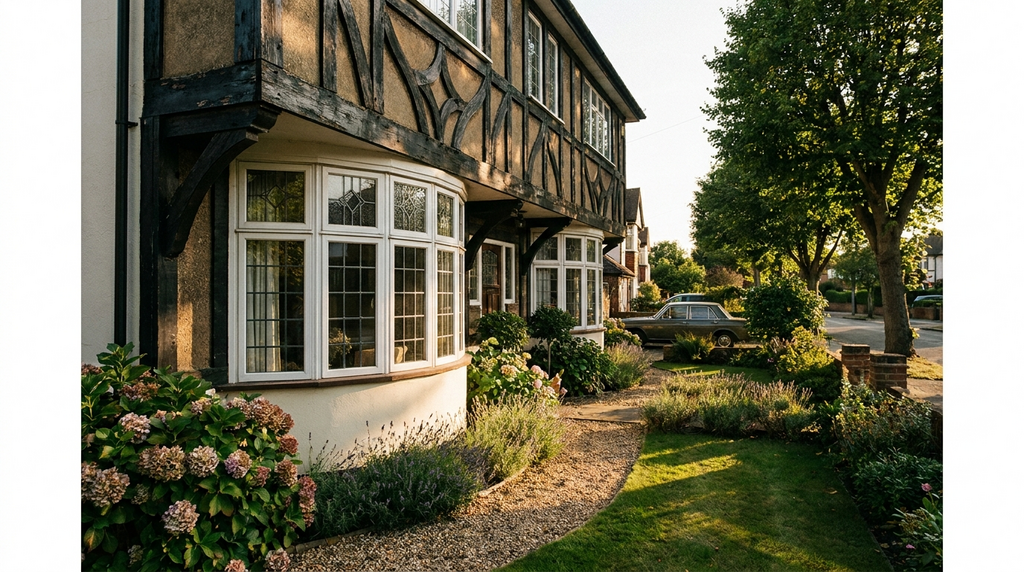
For older properties in or near conservation areas, slim-profile aluminium with a thermal break is often the most appropriate choice. It replicates the visual character of original metal Crittal-style windows while delivering modern thermal performance. Flush casement uPVC can also work well here.
What to Specify
- U-value of 1.2 W/m²K or below for the whole window unit
- Argon or krypton gas fill between panes
- Low-E coating (also called soft coat or hard coat, soft coat performs better thermally)
- A-rated window energy rating or WER A+
- Multipoint locking for security compliance (PAS 24 standard)
- Trickle vents to maintain adequate ventilation in older properties
Don’t skip the trickle vents, Sheffield’s older housing stock often has less controlled ventilation than modern builds. Sealing up single-glazed windows without providing replacement ventilation can cause condensation and moisture problems inside the property, especially in kitchens and bathrooms.
How to Find a Trustworthy Double Glazing Installer Near Sheffield
The Sheffield and South Yorkshire installer market is large and competitive, which is mostly good news for you. However, it also means you’ll encounter the full range, from excellent local firms who’ve been working Sheffield’s terraced streets for twenty years, to travelling salespeople who’ve never set foot in the city before. Here’s how to tell the difference.
Certifications That Actually Matter
- FENSA registered, This is the most important one for double glazing. FENSA installers self-certify Building Regulations compliance and issue your documentation, which you’ll need when selling. Verify any installer’s registration directly on the FENSA website
- TrustMark accredited, Indicates the installer has passed quality and trading standards checks. Particularly relevant if you’re using grant funding
- Which Trusted Trader or similar, Useful additional layer of consumer protection
Questions Worth Asking Before You Commit
- Are you FENSA registered and will you provide the certificate on completion
- Who manufactures the frames and sealed units you use
- What U-value will the installed windows achieve
- Do you carry your own insurance and are your fitters directly employed or subcontracted
- How do you handle the disposal of old frames, check if this is included
- What’s the warranty on frames and sealed units separately
Red Flags to Watch For
- High-pressure same-day pricing tactics
- Quotes that arrive without a site visit
- No physical business address in or near Sheffield
- Prices dramatically below the ranges in the table above, often signals poor quality sealed units
- Resistance to providing FENSA confirmation before you sign
Many Sheffield installers also regularly serve Rotherham, Barnsley, Mexborough, and Chesterfield, so a genuinely local company will often cover all of these. That’s actually useful to know, a firm that works Sheffield and Chesterfield regularly knows how to manage the access challenges of both city centre streets and older rural Derbyshire properties. Lead times in 2026 typically run four to eight weeks from order to installation for most products.
Grants and Funding That Could Reduce Your Costs in Sheffield in 2026
Sheffield homeowners have access to several funding routes, and it’s worth working through all of them before committing to full price.
ECO4 Scheme
ECO4 is the government’s main energy efficiency funding scheme, delivered through energy suppliers. Double glazing can be funded as part of a broader package of measures on properties rated EPC Band D or below, which describes a large proportion of Sheffield’s housing stock. Eligibility is primarily income-based, so if you’re receiving Universal Credit, Pension Credit, or similar benefits and your home is Band D or below, you should check eligibility immediately. Fully funded replacement glazing is possible in qualifying cases.
Great British Insulation Scheme (GBIS)
GBIS can contribute to window upgrades as part of a wider improvement package, particularly in lower-income households or those in lower EPC-rated homes. Contact your energy supplier or check the government’s official scheme pages for current eligibility criteria.
Sheffield City Council Local Programmes
Sheffield City Council has operated various retrofit and energy efficiency grant programmes as part of its climate commitments. These have historically included support for low-income and fuel-poor households across the city. Check the council’s official website directly for the current status of any active Sheffield-specific schemes, these programmes change through the year as funding rounds open and close.
Warmer Homes Fund and Charitable Routes
Organisations including the South Yorkshire Mayoral Combined Authority and various local housing charities have supported home improvement grants for eligible Sheffield residents. Age UK Sheffield and local advice centres can sometimes signpost to funds that aren’t widely advertised.
Key eligibility trigger, for most funded schemes, having an existing EPC certificate for your property is important. If you don’t have one, a domestic energy assessor can produce one for around £60 to £120. It’s a worthwhile investment before applying for any grant.
Planning Permission and Sheffield’s Conservation Area Rules
For most Sheffield homeowners, double glazing replacement falls under permitted development rights, meaning you don’t need planning permission. This applies to the majority of standard terraced and semi-detached homes where you’re replacing like-for-like in terms of appearance.
However, Sheffield has a significant number of designated conservation areas and Article 4 Direction zones where permitted development rights are restricted. Areas including Ranmoor, Nether Edge, Broomhill, Walkley, and parts of the city centre fall within or near conservation area boundaries. If your property is in one of these areas, you will likely need to apply for planning consent before replacing windows, and the local authority will have requirements around materials, style, and finish.
Windows & Doors Companies Near Sheffield
Windowcare window and door repairs and spares
Windows & Doors
Rotherham, South Yorkshire
Get a QuoteLatest Guides on Windows & Doors
Solar control glass UK 2026
What is solar control glass? Solar control glass is a window coating or tint that reduces heat gain from sunlight while keeping the room bright. It is not the same as standard double glazing or privacy film. Quick Answer Solar control glass typically costs £200-£500 per m2 installed and reduces heat gain by 40-60% compared […]

Low-iron glass, explained (UK, 2026)
Low-iron glass reduces the green tint seen in standard float glass Standard float glass contains iron oxide impurities that give it a greenish-blue edge glow and colour distortion, particularly visible on larger panes. Low-iron glass is manufactured with significantly fewer iron impurities, resulting in a much clearer and more colour-neutral appearance. Pilkington technical data sheets […]
Low-E glass, cost and benefit (UK, 2026)
Low-E glass adds roughly £40–£80 per square metre to a double-glazed window, but can cut annual heating bills by £100–£200 in a typical UK semi-detached home. If you are replacing windows and want to cut energy bills, you will encounter the term “low-E glass” on almost every quote. The question is whether the extra upfront […]
Safety glass, standards explained (UK, 2026)
A modern double-glazed window without safety glass costs roughly £350 fitted, but the same window with the required safety glass costs only £15–£30 more, a trivial premium for a legal requirement that prevents life-changing injuries. If you are replacing windows in a UK home, you need to know whether safety glass is a legal requirement […]
Nearby Towns
Verified resources for Sheffield
Use these official UK sources to check installer credentials, grant eligibility and planning rules before you commit.
Find a verified installer
Grants you may qualify for
In-depth windows & glazing reading.

A++ rated windows is the upgrade worth it
A++ rated windows cost roughly 15–25% more than A+ rated windows, with typical installation adding £800–£2,500 to a three-bedroom semi-detached house bill If you are comparing window energy ratings, the jump from A+ to A++ comes with a noticeable price premium. According to the Glass and Glazing Federation (GGF) market pricing data for 2026, the […]

Secondary glazing for listed buildings UK
Secondary glazing costs roughly half as much as full double-glazing replacement and does not require planning permission. That makes it the default option for listed buildings in the UK. If you own a listed building, you face a specific problem: the original single-glazed windows are often drafty and expensive to heat, but swapping them for […]

uPVC vs aluminium vs timber windows compared 2026
For a typical three-bedroom semi-detached home, replacing 10 windows with uPVC costs around £3,500, aluminium around £5,500, and timber around £6,500, a difference of up to £3,000 between the cheapest and most expensive option. If you are replacing windows in 2026, the material choice comes down to three main options: uPVC, aluminium, and timber. Each […]

Cost to replace all windows in 3-bed semi UK
Replacing all windows in a 3-bed semi typically costs £4,000–£8,000, roughly the same as a new kitchen but with a longer lifespan. If you own a three-bedroom semi-detached house and your windows are draughty, condensation-prone, or simply dated, you have likely wondered what a full replacement would cost. The answer depends on materials, number of […]
Sash window draught proofing, A Complete Guide
Sash window draught proofing what it costs, saves, and whether the payback works If you live in a period home with sash windows, you will know the feeling of cold air seeping through gaps around the frame on a winter evening. The question homeowners most often ask is whether draught proofing those windows is a […]
Double Glazing vs Triple Glazing UK Which Is Better
Double Glazing vs Triple Glazing UK Which Is Better Choosing between double and triple glazing is one of the most common dilemmas for UK homeowners planning window replacements. The decision involves balancing upfront cost against long-term energy savings and comfort. Quick Answer Double glazing saves £195-£285/year versus single glazing; upgrading to triple adds only £20-£30 […]
Get Double Glazing Quotes in Sheffield
Compare quotes from trusted local eco home installers. No obligation.
Get a Free Quote