Why Braintree Homeowners Are Turning to Double Glazing Right Now
There’s a quiet revolution happening across Braintree’s residential streets, from the Victorian terraces near the town centre to the newer estates spreading out towards Bocking and Great Notley. Homeowners are looking hard at their windows, and with good reason.
Braintree sits in Essex’s Braintree District, governed by Braintree District Council, and its housing stock tells an interesting story. A large proportion of the town’s semi-detached and detached homes were built between the 1930s and the 1980s, an era when single glazing was standard and draught-proofing was barely an afterthought. If you’re in one of those houses, there’s a real chance your windows are silently haemorrhaging heat every winter.
What’s driving the push now specifically is a combination of factors that come together neatly in 2026. Energy prices remain stubbornly high, the average Braintree home is sitting at EPC Band D (right at the national average), and the cold easterly winds that sweep across Essex from the North Sea make poorly insulated windows feel punishing between November and March. Add to that a growing awareness of property value, double glazing is consistently cited as one of the top improvements buyers look for, and the case becomes compelling.
There’s also a local planning context worth knowing upfront. Parts of central Braintree and the village of Coggeshall (within the wider district) include conservation areas where window replacement isn’t always straightforward. But for the vast majority of homeowners in Great Notley, Bocking, Cressing Road estates, and the newer developments off Coldnailhurst Avenue, the process is more straightforward than many people assume.
What Double Glazing Actually Involves for a Typical Braintree Home
Let’s be practical. Most homes in Braintree are either semi-detached or detached, and the most common building eras cluster around the interwar period (1930s–1940s), the postwar boom (1950s–1970s), and the more recent expansion phases that produced estates like Great Notley Garden Village. Each era presents slightly different challenges.
1930s to 1950s Homes
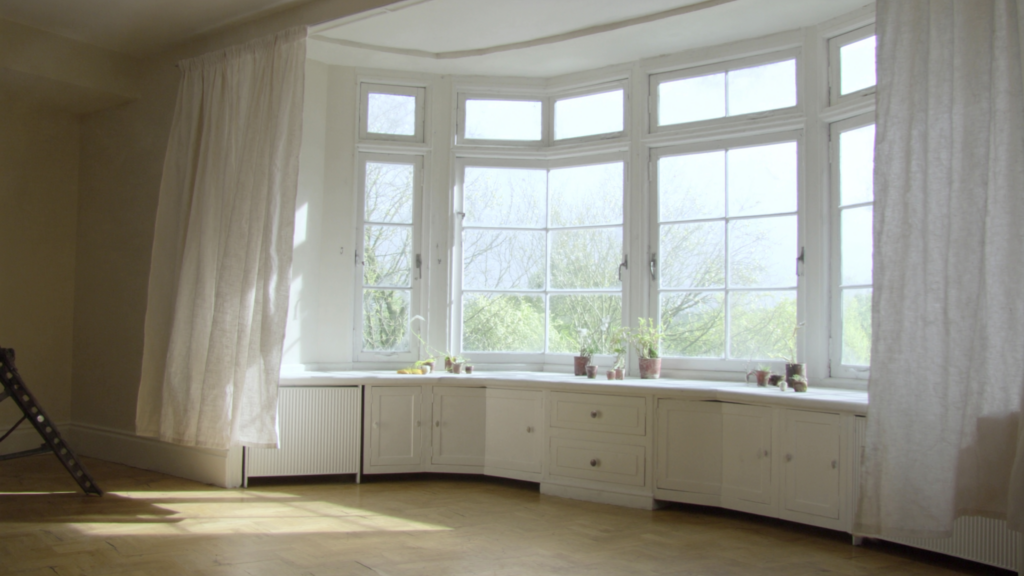
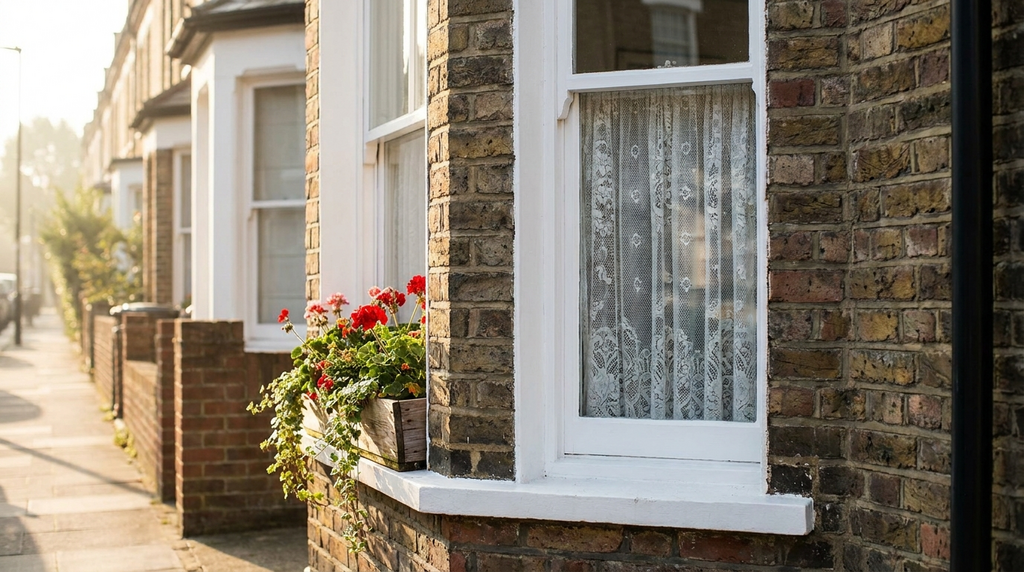
These properties, you’ll spot them by the bay windows and decorative brickwork around streets like Manor Road and London Road, often have wooden frames that have been painted and repainted over decades. Replacing these requires careful measurement and sometimes structural assessment of the surrounding brickwork. The good news is that the original window openings in these homes tend to be generously sized, so uPVC or aluminium replacements fit well and can dramatically change the look and thermal performance.
1960s to 1980s Builds
This is probably the largest cohort in Braintree. Many of these homes already had an early form of double glazing installed at some point, often the older sealed units that have now failed, showing condensation between the panes. Replacing just the glass units (rather than the full frame) is sometimes possible here and keeps costs down significantly. An installer who knows the local stock will quickly tell you which route makes sense.
Newer Homes (Post-2000)
If you’re in a newer build in Great Notley or on one of the more recent Persimmon or Barratt developments, your original glazing may still be performing adequately. The question becomes one of upgrading from standard double to triple glazing, or improving frame quality, especially if you’re extending or replacing windows damaged by impact or seal failure.
One practical consideration specific to Braintree is access. Many of the older semi-detached properties have narrow side passages and limited parking, which can affect how installers bring in equipment and remove old frames. It’s worth flagging this upfront when getting quotes, good installers factor this into their logistics rather than treating it as a surprise on the day.
How Much Double Glazing Costs in Braintree and the East of England in 2026
Pricing in Braintree sits slightly below the London commuter belt but broadly in line with the wider East of England. You’re not paying Chelmsford or Brentwood premiums, but you’re not getting the cheaper rates found further north either. Installers covering Braintree typically also serve Witham, Chelmsford, Maldon, and Sudbury, so their pricing reflects a mid-Essex market rather than anywhere exotic.
| Property Type | Number of Windows | Standard uPVC Double Glazing | Premium uPVC or Aluminium | Triple Glazing Upgrade |
|---|---|---|---|---|
| 2-bed semi-detached | 6–8 windows | £3,200 – £4,500 | £4,800 – £6,500 | £5,500 – £7,500 |
| 3-bed semi-detached | 8–10 windows | £4,200 – £5,800 | £6,000 – £8,000 | £7,000 – £9,500 |
| 3-bed detached | 10–12 windows | £5,500 – £7,500 | £7,500 – £10,500 | £9,000 – £13,000 |
| 4-bed detached | 12–15 windows | £7,000 – £9,500 | £10,000 – £14,000 | £12,000 – £17,000 |
| Single window replacement | 1 window | £400 – £600 | £600 – £900 | £750 – £1,100 |
These figures include supply, installation, and disposal of old frames. VAT at 20% applies to most domestic window installations, there is no reduced rate for double glazing itself, unlike some other energy improvements.
Compared to the national average, Braintree sits roughly 5–10% below what you’d pay in outer London and about 5% above the Midlands average. Neighbouring Chelmsford typically runs 8–12% more expensive simply due to installer demand. Witham and Maldon sit closer to Braintree’s pricing, which means if a Braintree installer quotes you a particularly high figure, it’s worth getting a comparison quote from someone based in Witham, the market is competitive across this cluster of towns.
What Pushes Prices Up Locally
- Conservation area requirements, if your property is in or near a designated area, you may need heritage-style frames, which cost more
- Restricted access, narrow side entries in older semis can add time and therefore cost
- Scaffold requirements, upper storey windows on detached homes with awkward rooflines occasionally need lightweight scaffold, adding £200–£400
- Structural lintel work, sometimes uncovered during installation on older properties, typically adding £150–£500 depending on scope
How Braintree’s Weather and Location Shape Your Double Glazing Choices
Braintree’s climate is genuinely different from, say, Manchester or Newcastle, and it matters more than people realise when choosing glazing specifications. You’re in one of the driest, sunniest parts of the UK, Braintree receives somewhere between 1,200 and 1,500 sunshine hours per year, and annual rainfall sits at a modest 500–700mm. That’s well below the national average.
What that means practically is that your solar heat gain through south-facing windows can be a genuine asset in winter, free warmth you’d be foolish to block out with over-specified solar control glass. But there’s a flip side. Those same south and west-facing windows can cause overheating in summer, particularly in newer homes with larger glazed areas. Choosing the right glass specification, not too restrictive on solar gain, but with some control, is where local knowledge pays off.
The East Wind Problem
The factor that catches people out in Braintree is the cold easterly wind exposure. Unlike towns on the western side of the UK that get the milder Atlantic air, Braintree can take a serious battering from continental air masses sweeping in from the North Sea between January and March. East and north-east facing windows on your property will feel this acutely, these are the windows where better U-values matter most.
A standard double glazed unit with a U-value of around 1.4 W/m²K is perfectly adequate for south and west-facing windows in Braintree’s relatively mild climate. But for those north and east-facing elevations, pushing down to 1.2 or better is a worthwhile investment. Triple glazing on east-facing windows specifically is something worth discussing with your installer.
Moisture and Seal Life
The drier climate in Braintree actually extends the life of window seals compared to wetter parts of the UK. Repeated freeze-thaw cycles and prolonged rain are what degrade sealed units fastest, and Braintree sees less of both than the national average. This means quality double glazing installed here should comfortably achieve its rated lifespan, typically 20 to 25 years for a reputable product.
The Products and Options That Actually Perform Well Here
Based on Braintree’s climate and housing stock, here’s an honest guide to what works, not just what gets a glossy brochure.
uPVC Frames with Warm Edge Spacer Bars
For the majority of Braintree’s 1950s–1980s housing stock, a quality white uPVC frame with a warm edge spacer bar (rather than traditional aluminium spacers) hits the sweet spot of performance and value. Warm edge spacers reduce thermal bridging at the edges of the glass, cutting condensation significantly. Look for frames rated to BFRC Window Energy Rating Band A or above.
Argon-Filled Low-E Glass
Standard across most reputable suppliers now, argon-filled units with a low-emissivity coating are well suited to Braintree’s climate. The low-E coating reflects heat back into the room while still allowing good light transmission, important given how much you can benefit from passive solar gain through those sunny Essex days.
Aluminium Frames for Larger Homes
For the detached homes in Braintree that have larger window openings or architectural features worth preserving, particularly the 1930s bays, slimline aluminium frames with a thermal break are worth considering. They’re more expensive but they hold their appearance better over time and suit the proportions of larger panes. Expect to pay 20–30% more than equivalent uPVC.
Triple Glazing, Worth It on East-Facing Windows
For most of Braintree, triple glazing across the whole house isn’t necessary given the relatively mild winters. But selectively specifying triple glazing on north and east-facing elevations, the ones taking the brunt of the continental easterly, is a genuinely smart approach. A U-value of 0.8 W/m²K or below is achievable with good triple glazed units.
How to Find a Trustworthy Double Glazing Installer Near Braintree
The double glazing industry has a complicated reputation, and not entirely unfairly. Here’s how to separate the good from the not-so-good when looking for installers covering Braintree.
Certifications That Actually Matter
- FENSA registration, this is the big one for double glazing. FENSA-registered installers self-certify that their work complies with building regulations, saving you the need for a separate council inspection. Always check FENSA registration at fensa.org.uk
- CERTASS, an alternative to FENSA with the same self-certification status. Either is fine
- TrustMark, a government-endorsed quality scheme that covers a wider range of trades. A TrustMark-registered glazing company is a good sign
- Which Trusted Trader, useful for independent reviews, particularly for local Essex-based businesses
Questions Worth Asking Before You Sign Anything
- Are you FENSA or CERTASS registered and will you provide a certificate on completion
- What is the warranty on both frames and sealed glass units, and who backs that warranty
- Do you sub-contract installation or use directly employed fitters
- Can you provide references from recent jobs in Braintree or nearby towns
- What is your process if a unit fails within the warranty period
Red Flags to Watch For
- High-pressure sales tactics or “today only” pricing, walk away
- No physical address or only a mobile number
- Inability to confirm FENSA registration when asked directly
- Quotes provided without a home visit or proper measurement
Installer coverage in this area typically means companies based in Chelmsford, Braintree itself, Witham, or occasionally Colchester serving the whole mid-Essex cluster. A Chelmsford-based firm covering Braintree is entirely normal, the 17km distance is nothing for a glazing company. However, be slightly cautious of very large national firms who parachute in fitters unfamiliar with local property quirks.
Lead times in 2026 for standard double glazing in the East of England are running at approximately 4–8 weeks from order to installation for most products, with bespoke or heritage-style frames potentially taking 10–12 weeks.
Grants and Funding That Could Reduce Your Costs in Braintree in 2026
Double glazing sits in an awkward position within the UK’s retrofit funding landscape, it’s often bundled with other improvements rather than funded in isolation. Here’s an honest breakdown of what’s actually available to Braintree residents.
ECO4 (Energy Company Obligation)
ECO4 is the main government scheme running through energy suppliers. Glazing can be included under ECO4 when it’s part of a broader package of improvements for households in fuel poverty or on qualifying benefits. To check eligibility, contact your energy supplier or use the government’s ECO4 eligibility checker. Braintree District Council can also provide referrals, their housing team is the right starting point.
Qualifying benefits typically include Universal Credit, Pension Credit, and certain disability benefits. If you’re a homeowner on one of these and living in a poorly insulated home (EPC Band D or below, which describes most of Braintree), you may well qualify.
Great British Insulation Scheme (GBIS)
The Great British Insulation Scheme closed on 31 March 2026. It funded insulation measures only and never covered windows or glazing. Since most Braintree residential properties fall within bands B–E, a significant number of homeowners may qualify. Glazing can be included where it’s identified as a priority improvement. Apply through your energy supplier or check the official scheme