Why Sudbury Homeowners Are Turning to Double Glazing Right Now
There’s something particular happening in Sudbury at the moment. With energy bills still biting and the town’s characterful older housing stock proving stubbornly draughty through winter, more and more residents are looking seriously at double glazing as the most practical upgrade they can make. And when you factor in those biting easterly winds that sweep across the Stour Valley with nothing much to stop them, the motivation becomes very clear indeed.
Sudbury sits in a fascinating position, it’s a small market town of around 13,000 people with a genuinely mixed housing stock. You’ve got Victorian and Edwardian terraces close to the town centre around Friar Street and North Street, inter-war semis spreading out towards the Woodhall estate, and newer builds further out. Many of these homes are still running on single glazing or original replacement windows that are now 20-plus years old and well past their best.
With the average Sudbury home sitting at EPC Band D, right at the national average, there’s real room to improve. Double glazing is one of the few upgrades where the benefit is immediate and tangible. The draught stops, the condensation disappears, and your rooms actually stay warm rather than just being heated and cooled simultaneously.
What Double Glazing Actually Involves for a Typical Sudbury Home
Most homes in Sudbury are either semi-detached or terraced, and that actually makes installation fairly straightforward compared to detached properties with complex roof lines or unusual window configurations. A typical two-up two-down terrace off Melford Road, for example, might have eight to ten windows, manageable in a single working day for a competent two-person team.
The building era matters enormously here. Victorian and Edwardian homes (pre-1919) have solid brick walls and window openings built to non-standard sizes. This is genuinely important because it means you’ll almost certainly need made-to-measure frames rather than off-the-shelf units. Don’t let any installer try to talk you into standard-sized windows that leave gaps filled with filler, it’s a red flag and it will cost you thermally.
For inter-war semis, which are common in areas like the Woodhall Road corridor and along Cornard Road, window openings tend to be larger and more regular. These homes typically have bay windows at the front, which add a small premium to installation costs but are perfectly manageable.
A few practical points specific to Sudbury properties:
- Parking and access, Many terraced streets in central Sudbury have limited road access and no off-street parking. Installers coming from Colchester or Bury St Edmunds will need to factor in parking and material offloading. Always flag this when getting quotes.
- Timber frames in older properties, Some pre-war homes have original timber surrounds that may need repair or replacement before new frames can be fitted. Budget an extra £50–£150 per window if this is likely.
- Solid wall construction, Sudbury’s older terraces have solid rather than cavity walls, so window reveals tend to be deep. This affects the type of frame and internal finishing required.
How Much Double Glazing Costs in Sudbury and the East of England Area in 2026
Sudbury is not London, and prices here reflect that, but you’re also not in a major city with intense installer competition keeping prices razor thin. Because most double glazing companies serving Sudbury are based in Colchester (19km), Haverhill (21km), Braintree (22km), or Bury St Edmunds (23km), you’ll sometimes see a small travel surcharge of £50–£100 on smaller jobs. Get at least three quotes and ask each company directly whether they charge for travel.
| Property Type | Number of Windows | Standard uPVC Double Glazing | Premium uPVC or Aluminium | Timber-Look or Heritage Style |
|---|---|---|---|---|
| Two-bed terrace | 6–8 | £3,200–£4,800 | £5,000–£7,500 | £7,000–£10,500 |
| Three-bed semi-detached | 8–12 | £4,500–£6,500 | £7,000–£10,000 | £9,500–£14,000 |
| Three-bed detached | 10–14 | £5,500–£8,000 | £8,500–£12,500 | £12,000–£18,000 |
| Individual window replacement | 1 | £350–£600 | £600–£950 | £900–£1,500 |
| Front door with double glazed panels | 1 door | £900–£1,400 | £1,400–£2,200 | £2,000–£3,500 |
These figures are broadly in line with the East of England average, which tends to run around 5–8% below London and South East prices. Compared to a similar project in Colchester or Bury St Edmunds, you’re unlikely to see much difference, though in Haverhill, where there’s slightly more local competition, prices can edge marginally lower.
One honest note here, be very wary of the “special offer ends Friday” national companies. Some still operate door-to-door in market towns like Sudbury, and their starting prices are inflated specifically so their “discount” looks dramatic. Always get independent quotes from FENSA-registered local installers.
How Sudbury’s Weather and Location Shape Your Double Glazing Choices
This is where getting advice tailored to Sudbury really pays off. The town sits in a climatically distinctive part of England. You’re in the driest corner of the UK, annual rainfall here sits around 550–600mm, well below the national average. That means dampness-driven problems like condensation and mould are less of an issue than in, say, the North West, but that doesn’t mean they’re absent, especially in older solid-walled terraces.
The bigger weather story in Sudbury is wind. Cold easterly winds in winter can be ferocious across the open Suffolk landscape, and the Stour Valley does surprisingly little to shelter the town. This makes thermal performance more important than residents of similarly-sized towns in the Midlands might assume. A window with a poor edge seal or inadequate frame thermal break will make your living room feel cold even when the heating is on, simply because of the chill radiating from the glass.
On the positive side, Sudbury enjoys excellent solar irradiance, around 1,100–1,200 kWh per square metre per year, among the best in the UK. South-facing windows can meaningfully contribute to passive solar gain in winter, which is a genuine free-heating benefit worth preserving. This means you want glass with the right balance, good thermal retention but not so heavily tinted or coated that you lose that winter sun. Look for a solar factor (g-value) of around 0.55–0.65 for south-facing windows rather than the lowest possible figure.
The Products and Options That Actually Perform Best in Sudbury
Given everything above, the cold easterlies, the solar potential, the Victorian and inter-war housing stock, here’s honest advice on what to specify.
Frame Material
White uPVC remains the best value choice for most Sudbury homes, and there’s nothing wrong with choosing it. Modern uPVC is far more durable than the yellowing frames of the 1990s. For Victorian terraces near the town centre, however, consider sculptured or chamfered uPVC profiles that better match period aesthetics without the cost of timber.
Aluminium frames are worth considering if you have larger windows, particularly those bay fronts common on inter-war semis. They’re slimmer, stronger, and increasingly competitive in price. Look for thermally broken aluminium, this is non-negotiable; without the thermal break, aluminium frames conduct cold badly.
Glass Specification
- A-rated or WER (Window Energy Rating) A+, the minimum you should accept in 2026
- Argon-filled units, standard and expected; krypton filling offers marginal extra benefit at higher cost
- Low-E coating (soft coat), essential for east-facing windows taking those winter winds
- 28mm sealed unit, better thermal performance than the older 24mm standard; worth specifying
- Warm-edge spacer bars, reduces condensation at the glass edge, a noticeable improvement in older-style homes
A Product Worth Knowing About
For particularly exposed east-facing elevations, and many Sudbury semis have their side or rear facing squarely into winter wind, ask about triple glazing. The price premium has narrowed considerably and for a single problematic elevation it can be well worth the extra £80–£120 per window. It’s not necessary across the whole house, but targeted use makes real sense here.
How to Find a Trustworthy Double Glazing Installer Near Sudbury
Sudbury is small enough that there’s unlikely to be a large number of double glazing companies based in the town itself. What you’ll find is that most reputable installers covering Sudbury are headquartered in the surrounding towns, Colchester, Bury St Edmunds, Braintree, and Haverhill are your main sources. This isn’t a problem in itself, but it does mean you should check that the company genuinely serves this area regularly rather than treating it as a one-off long trip.
The certification to look for, non-negotiably, is FENSA registration. FENSA-registered installers self-certify their work meets Building Regulations, which means you get automatic documentation, essential when you sell your home. Without FENSA certification, you’d need to apply for a Building Regulations certificate from Babergh District Council separately, which costs time and money.
Other trust indicators worth checking:
- TrustMark registration, government-endorsed quality scheme, increasingly expected by mortgage lenders
- Which? Trusted Trader status, useful independent verification
- Insurance-backed guarantees (IBGs), if the company goes bust, your guarantee survives. Always ask for this in writing.
- Local reviews on Google, specifically look for reviews mentioning Sudbury, Long Melford, Great Cornard, or other nearby villages to confirm they genuinely work in this area
Typical lead times in the East of England in 2026 are running at four to eight weeks from survey to installation for bespoke made-to-measure units. Be cautious of any company promising installation within a week, it usually means they’re fitting stock sizes, not made-to-measure.
Red flags to watch for, high-pressure same-day signing tactics, no physical business address, quotes that don’t specify the U-value or energy rating of the glass, and any company unwilling to provide references from recent local jobs.
Grants and Funding That Could Reduce Your Costs in 2026
The honest position here is that double glazing is rarely the primary measure funded under government schemes, but there are real opportunities if you know where to look.
ECO4 (Energy Company Obligation), If you’re on means-tested benefits or have a low household income, ECO4 can fund insulation and sometimes glazing improvements as part of a whole-house retrofit. Eligibility is assessed by your energy supplier. With Sudbury’s average EPC at Band D, many homes here qualify for consideration. Contact Babergh District Council’s housing team, who can advise on referral routes.
Great British Insulation Scheme (GBIS), Primarily targets loft and wall insulation, but glazing can sometimes be included as a secondary measure when a home is being assessed as a whole. Worth asking any assessor who visits your property.
Warm Homes Plan, The government’s expanded scheme running through 2026 focuses on low-income households and properties with poor EPC ratings. A Band D property may qualify if household income falls below the threshold (broadly under £36,000 per year as of 2026). Check the eligibility tool on the government website or speak to Babergh District Council directly.
Suffolk County Council Energy Efficiency Support, Suffolk has run targeted retrofit support schemes in recent years. Glazing is standard-rated for VAT at 20%. The zero rate for energy-saving materials covers insulation, heat pumps and solar panels; HMRC names secondary and double glazing as excluded from it (VAT Notice 708/6, checked August 2026). This is a genuine saving worth acknowledging; it means the prices you’re quoted already include no VAT, unlike many other home improvements.
Planning Permission and Regulations, What Sudbury’s Rules Actually Mean for You
For most Sudbury homeowners, double glazing falls comfortably within permitted development rights, meaning no planning permission is required. This applies to the vast majority of semi-detached and terraced homes where the replacement windows match the appearance of the existing ones and don’t project significantly beyond the original frame.
However, Sudbury has a significant Conservation Area covering much of the historic town centre, and this changes things. Properties within the Sudbury Conservation Area may need prior approval from Babergh District Council before replacing windows, particularly if you’re changing frame style, material, or the visual appearance of the opening. The council’s planning portal is the right starting point, and a quick pre-application enquiry is free and can save you a headache later.
Listed buildings are a separate matter entirely, if your home is listed, any window replacement requires Listed Building Consent regardless of whether it’s in a conservation area. There are several listed properties around Market Hill and the historic core of Sudbury. If in doubt, check the Historic England listing database before getting quotes.
For properties outside conservation areas and without listed status, the key Building Regulations requirement is that replacement windows must achieve a minimum U-value of 1.4 W/m²K for the whole window unit. Any reputable FENSA-registered installer will automatically meet this standard, but it’s worth confirming in your quote documentation.
What You Will Actually Save, Honest Numbers for Sudbury Homes
Let’s be straightforward here, because a lot of double glazing marketing overstates savings. If you’re upgrading from relatively modern (15–20 year old) double glazing to new units, the savings will be modest, perhaps £80–£150 per year. If you’re replacing genuine single glazing with modern A-rated double glazing, the savings are much more meaningful.
Using Sudbury’s average gas consumption of 11,000 kWh per year and electricity usage of 3,100 kWh, here’s a realistic picture:
Frequently Asked Questions About Double Glazing in Sudbury
In Sudbury, expect to pay roughly £400 to £600 per casement window installed, with a typical 3-bed semi needing 8 to 10 windows costing between £4,000 and £7,500 in total. Prices vary depending on frame material, glazing specification, and which local East of England installer you choose. Getting at least three quotes from Sudbury-based or nearby Suffolk installers is always recommended to make sure you are getting a fair deal.
The Great British Insulation Scheme closed on 31 March 2026. It funded insulation measures only and never covered windows or glazing. Babergh District Council can point you toward local area-based schemes that sometimes cover window upgrades as part of a wider home energy improvement package. Because the average Sudbury home sits at EPC Band D, many properties here meet the eligibility threshold, so it is well worth checking before paying full price.
Yes, for most Sudbury and wider Suffolk cottages double glazing delivers a noticeable reduction in draughts, heat loss, and energy bills, even on older properties. If your home is listed or in a conservation area you may need to use slimline or heritage-style double glazed units to satisfy planning rules, which cost a little more but are widely available from specialist East of England suppliers. A good installer will advise you on permitted development rights before any work begins.
Look for installers who are FENSA or CERTASS registered, as this means your new windows will be certified to comply with building regulations without you needing a separate council inspection. Sudbury and the surrounding South Suffolk area have a number of established local glazing companies, and checking reviews on Checkatrade or Trustpilot alongside asking neighbours for recommendations is a solid approach. Always ask for a written quote that breaks down supply, fitting, and disposal of old frames separately.
Replacing single glazing with A-rated double glazing in a typical Sudbury semi-detached home can reduce heat lost through windows by around 50 to 70 percent, which translates to meaningful savings on gas and electricity bills. The East of England experiences colder winters than much of southern England, so the payback period for Sudbury homeowners is generally quicker than the national average. Combining new double glazing with loft insulation gives the best overall improvement to your EPC rating.
Most local Suffolk installers currently quote a lead time of around four to eight weeks from survey to installation day, though busy spring and autumn periods can push this out a little. The actual fitting for a standard Sudbury terraced or semi-detached home usually takes just one to two days depending on the number of windows and any access challenges. You can continue living in the property throughout the work as rooms are done one at a time.
Most Sudbury homeowners do not need planning permission because replacing windows is classed as permitted development, provided the new units are a similar style and you are not in a conservation area or a listed building. Parts of Sudbury town centre fall within a conservation area, so if you are unsure it is worth a quick free check with Babergh District Council before ordering. A FENSA-registered installer will flag any restrictions during your initial survey and handle the compliance certification on your behalf.
For the damp, cold winters typical of Sudbury and the wider East of England, uPVC frames with A-rated or A-plus-rated low-emissivity glass are the most popular and practical choice, offering excellent thermal performance with low maintenance. Argon-filled units with warm-edge spacer bars are worth specifying as they reduce condensation on the glass edge and improve overall efficiency. If you prefer the look of timber, modern engineered wood double glazed windows perform well in the Suffolk climate provided they are properly maintained and painted.
Windows & Doors Companies Near Sudbury
Latest Guides on Windows & Doors
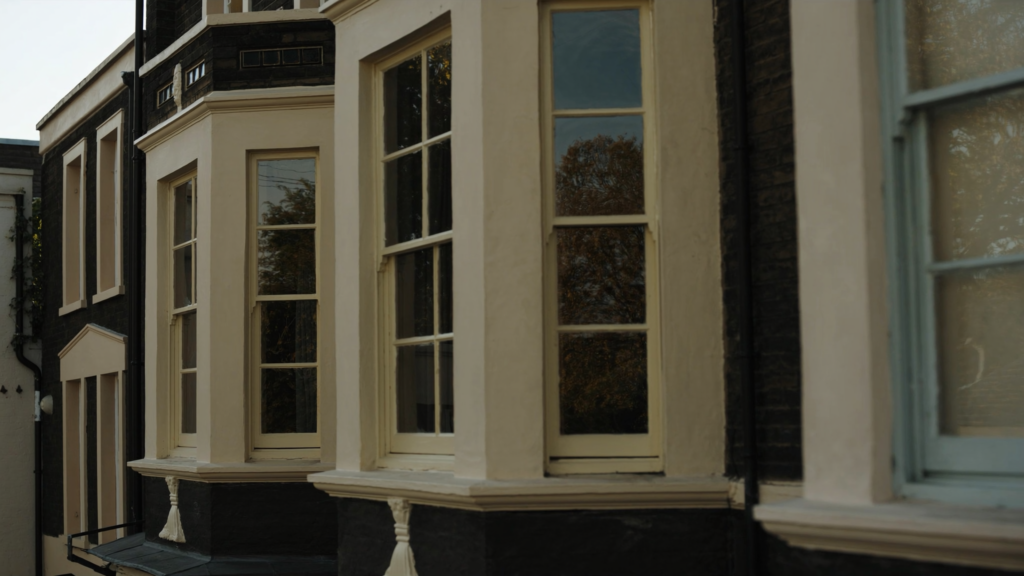
Sash Window Restoration vs Replacement UK 2026
How Much Does Sash Window Restoration Cost Compared to Replacement in 2026? If your sash windows are draughty, sticking, or showing signs of rot, you will need to decide whether to restore them or replace them entirely. The cost difference between the two options is significant. Quick Answer Restoring a pair of sash windows costs […]
Replacing Windows on a Listed Building, What’s Allowed
Listed building consent is mandatory before any window work begins If you own a listed building in the UK, any work to the windows, whether repairing, replacing, or reglazing, requires listed building consent from your local planning authority (LPA). This is a legal requirement under the Planning (Listed Buildings and Conservation Areas) Act 1990 (legislation.gov.uk, […]
Window Planning Permission, Complete Rules (UK, 2026)
Most homeowners do not need planning permission to replace windows like-for-like – the 2026 rule in one number If you are replacing a window that is broken, draughty, or simply outdated, the first question is whether you need to apply for planning permission. The short answer is that in the vast majority of cases, you […]
Failed Double Glazed Unit Cost UK 2026
The most important thing to know before you replace a failed double-glazed unit A failed double-glazed unit (often called a “blown” or misted pane) does not usually require a full new window frame. Only the sealed glass unit itself needs replacing. This is the most important point to understand before you call a contractor, because […]
Verified resources for Sudbury
Use these official UK sources to check installer credentials, grant eligibility and planning rules before you commit.
Find a verified installer
Grants you may qualify for
In-depth windows & glazing reading.

Self-cleaning glass, worth it (UK, 2026)
Self-cleaning glass works through a chemical reaction triggered by UV light, not rain alone Self-cleaning glass uses a coating that reacts with ultraviolet light to break down dirt. The coating has two properties. First, a photocatalytic reaction uses UV light to decompose organic matter such as bird droppings, leaf stains, and airborne grime. Second, a […]

Georgian bars on windows explained
Georgian bars are decorative glazing bars that sit between or on top of glass panes, not structural dividers Georgian bars, also called glazing bars or astragal bars, are the horizontal and vertical strips that divide a window into smaller panes. They mimic the multi-pane look of 18th-century sash windows. Modern versions are applied to a […]
Leaded glass restoration vs replacement
You own a home with leaded glass windows and one of them is draughty, sagging, or cracked. You want to know whether to restore the original or replace it with a modern double-glazed unit. The answer depends on the condition of the glass, the legal status of your property, and how much you care about […]
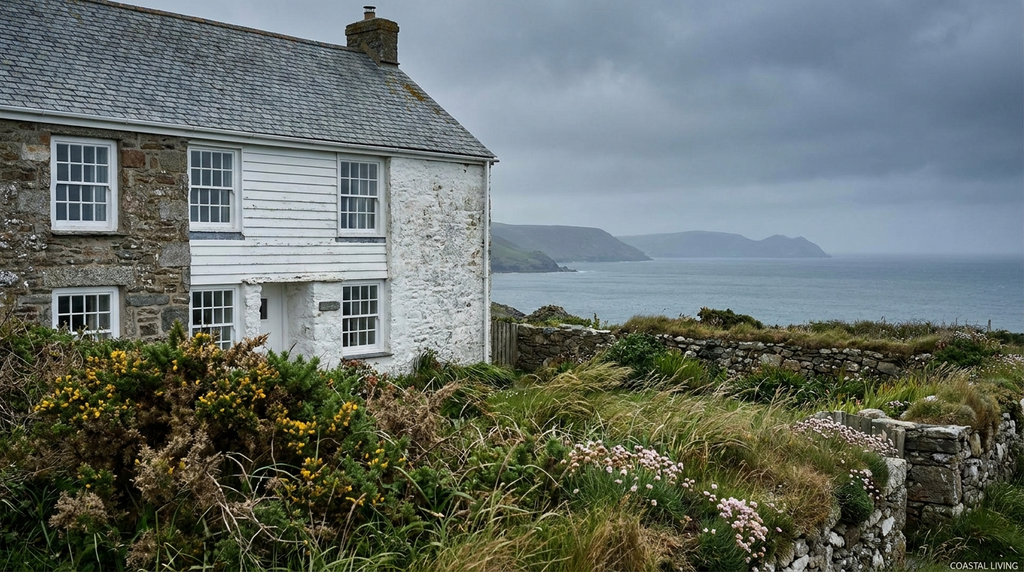
Obscure glass options UK 2026
The most important thing to know about obscure glass in 2026 Obscure glass is a legal requirement for certain UK windows under Building Regulations Approved Document Part B and Part L. It is not optional for bathrooms, WCs, or any glazing within 800mm of floor level in a room with a bath or shower (GOV.UK, […]
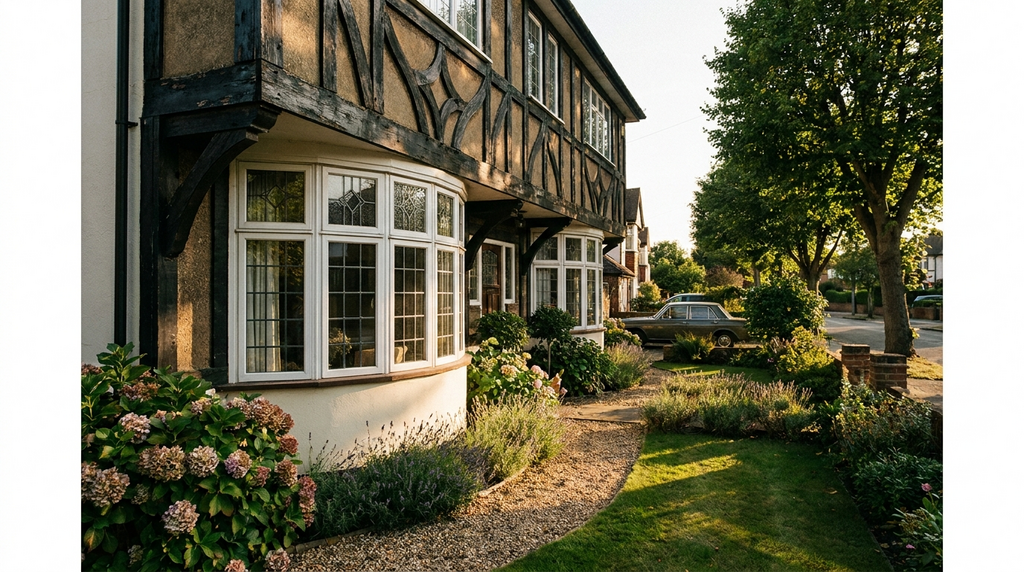
Solar control glass UK 2026
What is solar control glass? Solar control glass is a window coating or tint that reduces heat gain from sunlight while keeping the room bright. It is not the same as standard double glazing or privacy film. Quick Answer Solar control glass typically costs £200-£500 per m2 installed and reduces heat gain by 40-60% compared […]
Low-iron glass, explained (UK, 2026)
Low-iron glass reduces the green tint seen in standard float glass Standard float glass contains iron oxide impurities that give it a greenish-blue edge glow and colour distortion, particularly visible on larger panes. Low-iron glass is manufactured with significantly fewer iron impurities, resulting in a much clearer and more colour-neutral appearance. Pilkington technical data sheets […]
Get Double Glazing Quotes in Sudbury
Compare quotes from trusted local eco home installers. No obligation.
Get a Free Quote