Why Ipswich Homeowners Are Turning to Double Glazing Right Now
There’s something particular about living in Ipswich that makes single-glazed windows feel especially miserable in January. Those sharp easterly winds rolling in off the North Sea, cutting straight across the flat Suffolk landscape with nothing to slow them down, have a way of making even a reasonably warm house feel draughty and cold. If you’ve ever sat near an older window on a frosty morning and felt that chilling wall of cold air radiating towards you, you’ll know exactly what we mean.
Right now, Ipswich homeowners are looking at double glazing for a combination of very practical reasons. Energy bills remain stubbornly high, and with the town sitting at an average EPC Band D, right at the national average, there’s genuine headroom to improve. A significant chunk of Ipswich’s housing stock dates from the 1930s through to the 1970s, with original steel or timber-framed single glazing that was never built to keep warmth in.
Then there’s the property market. The town’s mix of terraced streets around the Nacton Road area, the semi-detached suburbs of Kesgrave and Rushmere St Andrew, and the Victorian terraces closer to the town centre all present slightly different challenges, and opportunities, for upgrading windows. Add to that the fact that Ipswich Borough Council has active retrofit ambitions, and you’ve got a town where double glazing conversations are happening on a lot of doorsteps right now.
What Double Glazing Actually Involves for a Typical Ipswich Home
For most Ipswich homeowners, double glazing installation is a two-to-three day job per property, though a small mid-terrace on Cauldwell Hall Road or a two-bed semi on the Sprites estate could be done in a single day if the windows are straightforward replacements.
The Building Eras That Shape Your Project
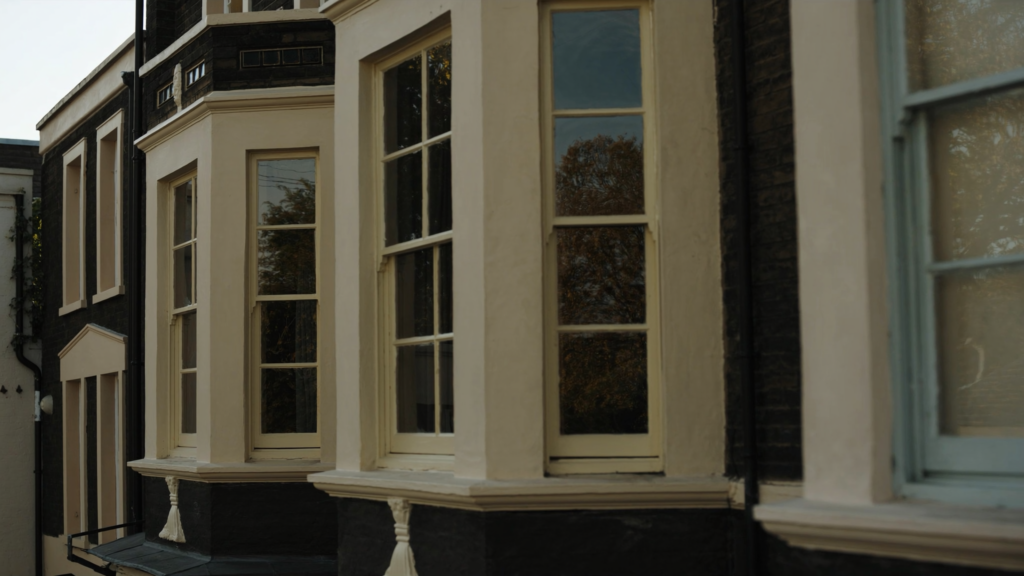
The most common housing eras in Ipswich bring their own quirks to the job. Victorian and Edwardian terraces in areas like Christchurch and the Tuddenham Road corridor often have large sash windows with deep reveals, beautiful, but more complex to replace than a standard casement. Your installer will need to decide between like-for-like timber sash replacements (pricier) or uPVC sash-style windows that mimic the original look.
The interwar semis that make up so much of the outer suburbs, think Clapgate Lane, parts of Ravenswood, and the older ends of Whitehouse estate, tend to have more straightforward casement windows, often in slightly awkward steel frames that have rusted in place over the decades. Removing these can add time and cost, but it’s entirely manageable for any experienced local installer.
Post-war council-built properties from the 1950s and 1960s, still common in parts of Gainsborough and Whitton, sometimes have non-standard window sizes. That can mean bespoke manufacturing rather than off-the-shelf units, which pushes prices up slightly and extends lead times.
Practical Challenges Worth Knowing About
- Parking and access, On tightly packed terraced streets near the town centre, getting a van close enough to bring in large glazed units can be tricky. Some installers charge a small access premium for restricted streets
- Bay windows, Common on the interwar semis, and while not hugely complicated, they require extra measuring and sometimes angled frames, adding £200–£400 to the job
- Cavity wall interaction, If you’re also planning cavity wall insulation (sensible in Ipswich’s older stock), do the insulation first, then the windows. The order matters for a proper weathertight seal
- Lead paint, Pre-1978 timber frames may have lead-based paint that requires careful handling and licensed disposal
How Much Double Glazing Costs in Ipswich and the East of England in 2026
Ipswich sits in a relatively affordable part of the country for home improvement work. Labour costs here run noticeably lower than in London or Cambridge, and because there’s a decent cluster of installers serving Ipswich, Woodbridge, Felixstowe, Colchester, and Sudbury, competition keeps prices honest. You’re unlikely to pay the premium that homeowners in more rural parts of Suffolk sometimes face.
Here’s a realistic guide to what you should expect to pay in 2026:
| Property Type | Number of Windows | Standard uPVC | Flush Sash uPVC | Aluminium Frames |
|---|---|---|---|---|
| Mid-terrace (2 bed) | 6–8 | £3,200–£4,500 | £4,800–£6,200 | £5,500–£7,000 |
| Semi-detached (3 bed) | 8–11 | £4,500–£6,000 | £6,500–£8,500 | £7,000–£9,500 |
| Detached (4 bed) | 12–16 | £6,500–£9,000 | £9,000–£12,000 | £10,500–£14,000 |
| Victorian terrace with sash windows | 6–9 | £5,200–£7,500 | £7,000–£10,000 | £8,500–£12,000 |
| Single replacement window (any type) | 1 | £450–£700 | £650–£950 | £750–£1,100 |
These prices include supply, fitting, removal of old windows, and standard disposal. They assume straightforward access. Add roughly 8–12% to your quote if you’re in a conservation area, where specific frame colours or styles may be specified, or if your windows require bespoke sizing due to non-standard openings.
Compared to the East of England average, Ipswich prices sit around 5–8% below what you’d pay in Chelmsford or Cambridge for the same job, thanks to lower local labour rates. Colchester, just 25km down the A12, is broadly similar pricing territory, though some Ipswich-based companies will travel there and vice versa, so it’s worth getting competitive quotes from both.
How Ipswich’s Weather and Location Shape Your Double Glazing Choices
Here’s something that surprises a lot of Ipswich homeowners, your town actually has some of the best solar irradiance in the UK, with around 1,150–1,200 kWh of solar energy per square metre per year. That’s genuinely useful information when you’re choosing glazing, because it affects which specification makes most sense for your home.
The Easterly Wind Problem
Ipswich’s biggest climatic challenge for windows is those cold, dry easterly winds in winter. Unlike the wet westerly weather that batters homes in Wales or the South West, Suffolk’s cold snaps are often dry but biting. What this means in practice is that air infiltration around window frames matters enormously. Even a technically compliant double-glazed unit will underperform if the frame seals are poor or the installation isn’t fully weathertight on the eastern face of your house.
Ask your installer specifically about warm-edge spacer bars in the glazing units (more on this below) and make sure they use a quality expanding foam and exterior sealant on the eastern elevations of your property. It’s a detail that separates a good installation from a great one.
Taking Advantage of the Sun
With Ipswich’s above-average sunshine hours (1,200–1,500 per year), south-facing rooms in particular can benefit from solar gain glazing, glass with a higher solar factor (g-value) that allows more winter sun to warm the room naturally. This works particularly well for living rooms and conservatories on the south side of those interwar semis. It’s essentially free passive heating during spring and autumn, which cuts your boiler’s workload.
On the flip side, large south-facing windows with high solar gain can cause overheating in summer. A good installer will help you balance this with appropriate U-values and g-values for each elevation of your home.
The Products and Options That Actually Perform Well Here
Given Ipswich’s climate, housing stock, and the look of the town’s streets, here’s an honest recommendation of what works well, not just what’s cheapest or what earns the highest installer margin.
For Most Ipswich Homes
- uPVC casement windows with A-rated glazing, The workhorse choice. For most post-war and interwar semis, a white or cream uPVC casement with a U-value of 1.2 W/m²K or better hits the sweet spot of performance, longevity, and cost
- Warm-edge spacer bars, Essential given those cold easterly winds. They reduce cold bridging at the glass edge and improve the overall U-value by up to 0.1 W/m²K. Always specify these rather than standard aluminium spacers
- Argon-filled triple glazing for eastern elevations, If your property faces east and you notice your living room or bedroom is the coldest room, triple glazing on that elevation is genuinely worth the extra £100–£150 per window. It makes a noticeable difference
- Flush sash uPVC for Victorian terraces, If you live in one of the older streets near Christchurch Park or around St Helen’s Street, a flush sash window in a darker frame colour (anthracite grey or heritage cream) will look the part without the maintenance headaches of real timber
Glazing Specifications Worth Understanding
- U-value, Aim for 1.2 W/m²K or below. Anything above 1.6 W/m²K is an older specification that’s no longer worth installing
- g-value (solar factor), Around 0.4–0.6 for south-facing rooms to balance gain and overheating. Lower (0.2–0.35) for any west-facing rooms that already get hot afternoon sun
- Krypton vs argon fill, Krypton performs better in thinner units (useful if your reveals are tight) but costs more. For most Ipswich homes, argon is the right call
How to Find a Trustworthy Double Glazing Installer Near Ipswich
The good news is that Ipswich has solid installer coverage. Several well-established companies are based in the town and regularly cover the wider cluster of Woodbridge, Felixstowe, Colchester, and Sudbury. You’re not relying on a firm driving two hours to reach you, which matters for aftercare and warranty claims.
Certifications That Actually Matter
- FENSA registration, This is the big one for double glazing. A FENSA-registered installer self-certifies that your windows meet Building Regulations, so you don’t need to apply for local authority approval separately. Always check this on the FENSA website before signing anything
- TrustMark, Government-endorsed quality standard. Useful but not mandatory, plenty of excellent local installers have it, and it adds a layer of consumer protection
- Which? Trusted Traders, Worth checking alongside FENSA for local companies
Questions to Ask Before You Sign
- Are you FENSA registered and will you provide the certificate on completion
- What U-value will the finished installation achieve
- Do you use warm-edge spacer bars as standard
- What is your warranty on the glass unit seal, and who backs it if your company closes
- How do you handle the disposal of old frames, particularly if they contain lead paint
Red flags to watch for, Pressure to sign on the day, vague answers about frame specifications, no FENSA number available, and quotes that seem unusually cheap compared to others (this often signals poor installation rather than genuine savings).
Lead times in the East of England currently run at four to eight weeks from survey to installation for most standard jobs, slightly longer for bespoke or heritage-style windows.
Grants and Funding That Could Reduce Your Costs in 2026
Let’s be straightforward about this, standalone double glazing grants are harder to access than they used to be. Most government funding is now tied to a whole-house retrofit approach rather than single measures. But there are still real opportunities for Ipswich homeowners.
ECO4 Scheme
The Energy Company Obligation (ECO4) scheme runs until March 2026 and can fund double glazing as part of a broader package of improvements for lower-income households or those in properties with low EPC ratings. Eligibility typically requires you to be in receipt of certain means-tested benefits (Universal Credit, Pension Credit, and similar) or to have a household income under £31,000. Contact Ipswich Borough Council’s housing team or an ECO4-registered installer to find out if you qualify, the council often acts as a referral gateway for local residents.
Great British Insulation Scheme (GBIS)
GBIS can contribute to double glazing costs when it forms part of an insulation package. Again, eligibility is means-tested or property-rating based (EPC D or below, which covers a significant portion of Ipswich’s housing stock). The scheme is administered through energy suppliers, so contact your energy provider directly as a starting point.
Suffolk County Council and Ipswich Borough Council Retrofit Programmes
Suffolk County Council has participated in Warm Homes Fund allocations and area-based retrofit schemes. It’s worth contacting Ipswich Borough Council’s housing and energy team directly to ask what’s currently active, these schemes can change quarterly, and a phone call often reveals opportunities that aren’t widely advertised online.
VAT
Glazing is standard-rated for VAT at 20%. The zero rate for energy-saving materials covers insulation, heat pumps and solar panels; HMRC names secondary and double glazing as excluded (VAT Notice 708/6). Make sure your installer applies this correctly, it’s a legal entitlement on qualifying work, not a special offer. On a £6,000 job, that’s a saving of around £900 that should already be factored into compliant quotes.
Planning Permission and Building Regulations in Ipswich
For most Ipswich homeowners, replacing windows like-for-like with double glazing falls under Permitted Development rights, meaning no planning application needed. However, there are important local exceptions.
Conservation Areas
Ipswich has several designated conservation areas, including the historic town centre, parts of the Christchurch Park surroundings, and stretches of the Waterfront. If