Why Woodbridge Homeowners Are Looking at Double Glazing Right Now
There’s something about living in Woodbridge that makes you acutely aware of draughts. Perched on the Deben Estuary with open Suffolk countryside on all sides, the town catches those biting easterly winds that roll in off the North Sea every winter, and single-glazed or ageing windows do absolutely nothing to stop them.
With the average Woodbridge home sitting at EPC Band D, there’s a very clear opportunity to improve comfort and cut bills at the same time. Double glazing is often the first meaningful upgrade homeowners here consider, and with energy costs still elevated in 2026, the motivation to act has never been stronger.
There’s also a practical timing issue unique to this area. Woodbridge doesn’t have a huge pool of local glazing installers, most come in from Ipswich (about 13km away) or Felixstowe. That means lead times can stretch, especially if you’re in one of the town’s conservation areas where specialist frames are required. Getting on the radar of a good installer sooner rather than later genuinely pays off here.
The town’s mix of Victorian terraces near the Thoroughfare, post-war semis on the outskirts, and newer detached properties on estates like Woodbridge Riverside creates a diverse set of glazing needs. What works for a 1930s semi off Ipswich Road is very different from what suits a 1970s detached near the station, and this guide is going to walk you through all of it.
What Double Glazing Actually Involves for a Typical Woodbridge Home
Double glazing means replacing your existing window units (or sometimes just the glass panes) with sealed units containing two panes of glass with a gap, usually filled with argon gas, between them. That gap is what does the thermal work, creating a buffer against cold and reducing heat loss dramatically.
For the detached and semi-detached homes that make up the bulk of Woodbridge’s housing stock, a full replacement typically covers somewhere between six and fourteen window openings, plus often a front or back door. The process usually takes one to two days for a standard semi, or two to three days for a larger detached property.
The Building Eras That Define Woodbridge
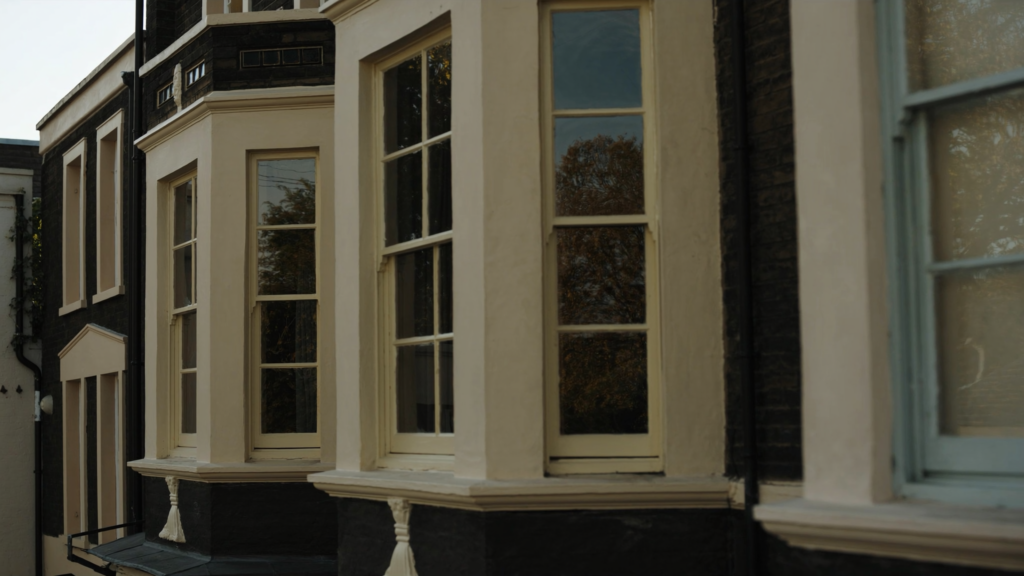
Many of the older homes close to the town centre, particularly the Victorian and Edwardian properties near the Quay and along Cumberland Street, have non-standard window shapes and thick masonry walls. These require more careful measurement and often custom-made frames, which adds cost and lead time.
The post-war semis (largely 1950s to 1970s stock) that spread out along Ferry Road and the residential streets heading towards Melton are generally more straightforward. They tend to have standard-sized openings and timber or steel frames that are ready for direct replacement.
Newer builds, including properties on the Woodbridge developments near the bypass, may already have double glazing installed, but the units could be 15 to 20 years old. Sealed unit failure (that foggy condensation between the panes) is extremely common at this age, and replacement units are often cheaper than a full frame swap.
Specific Challenges to Expect
- Conservation area restrictions, A significant portion of central Woodbridge falls within the Woodbridge Conservation Area, managed by East Suffolk Council. This limits what frame styles and materials you can use (more on this below)
- Access on narrow streets, Streets like New Street and parts of the old town centre have limited parking and tight access for delivery vehicles, which can add a small premium to installation costs
- Listed buildings, If your home is listed, double glazing requires listed building consent regardless of what changes are being made to the frames, even like-for-like replacement
- Installer travel, Most installers working in Woodbridge are based in Ipswich or Felixstowe and factor travel into their quotes. Always check whether the quote includes travel or whether it’s added later
How Much Double Glazing Costs in Woodbridge and the East of England Area in 2026
Pricing in this part of Suffolk sits roughly in line with the East of England average, which is itself slightly below the national average. Labour costs are lower here than in London or the South East, but the limited local installer competition means you won’t always see that reflected in quotes. Getting three quotes from installers covering the Ipswich-Woodbridge-Felixstowe corridor is genuinely worthwhile.
| Property Type | Number of Windows | Standard uPVC (Argon-filled) | Timber Effect / Heritage uPVC | Aluminium Slim-Frame |
|---|---|---|---|---|
| Small semi-detached (e.g. post-war terrace) | 6–8 windows | £3,200–£4,800 | £4,500–£6,500 | £5,500–£7,500 |
| Mid-size semi-detached | 8–10 windows | £4,500–£6,200 | £6,000–£8,500 | £7,000–£10,000 |
| Detached (average Woodbridge size) | 10–14 windows | £6,000–£9,000 | £8,500–£13,000 | £10,000–£15,000 |
| Victorian/Edwardian with non-standard frames | 8–12 windows | £5,500–£8,000 | £8,000–£14,000 | £11,000–£17,000 |
| Replacement sealed units only (no frame) | Per unit | £120–£250 per unit | £180–£350 per unit | £200–£400 per unit |
East of England average for a mid-size semi runs around £5,000–£6,500. The national UK average is slightly higher at £5,500–£7,500 for the same spec. This reflects London and South East labour premiums. Woodbridge homeowners generally pay at or slightly below the regional average, assuming they use Ipswich-based installers rather than those travelling from further afield.
Conservation area or heritage frame requirements can push costs up by 30–50% compared to standard uPVC. Factor this in early if you’re anywhere near the town centre.
How Woodbridge’s Weather and Location Affect Your Double Glazing Choices
Woodbridge’s position on the eastern edge of England gives it a climate that’s genuinely different from the rest of the UK, and those differences should shape what you buy.
The easterly wind exposure is the big one. Winter north-easterlies funnel across flat Suffolk farmland with very little to slow them down. A standard double-glazed unit with a U-value of 1.4 W/m²K will feel noticeably colder to stand near than one with a 1.0 or 0.8 rating. If your living room or bedroom faces east or north-east, paying extra for a higher-specification low-emissivity (low-E) glass is absolutely worth it.
On the flip side, Woodbridge enjoys some of the best solar irradiance in the UK, around 1,100–1,200 kWh/m² per year. That means south and south-west facing windows have real passive solar heating potential in the cooler months. Choosing glass with a higher solar heat gain coefficient (g-value) on those orientations means your glazing actually contributes to warming the house on bright winter days, free heat, essentially.
Rainfall here is on the lower side at 500–700mm per year, so you don’t need to obsess over drainage details the way a Welsh or Cumbrian homeowner might. Even so, the sea air from the Deben Estuary and the proximity to the coast at Felixstowe and Aldeburgh means salt and moisture exposure is real. This slightly accelerates the corrosion of low-grade metal hardware, always specify marine-grade or stainless steel hinges and handles, especially for north or east-facing windows.
The Products and Options That Actually Perform Well Here
Given everything above, here’s an honest product steer for Woodbridge homes rather than a generic checklist.
For Post-War Semis (Melton, Ferry Road Area)
Standard white uPVC frames with argon-filled double glazing and a low-E coating (look for a centre-pane U-value of 1.0 W/m²K or better) are the sensible choice. The Rehau or Deceuninck 70mm systems are widely available through Ipswich installers and offer a good balance of performance and cost. Expect a full-unit U-value of around 1.2–1.4 W/m²K.
For Victorian and Edwardian Town Centre Properties
Heritage timber-effect uPVC or genuine engineered timber frames are appropriate here, both aesthetically and for planning compliance. Residence 9 (R9) and Spectus Elite 70 are popular heritage-style uPVC systems among East Suffolk installers. If you opt for genuine timber, look for factory-finished hardwood with a 10-year guarantee. Slim double-glazed units (28mm total) can be fitted to replicate the sightlines of original single glazing.
For Larger Detached Properties
Triple glazing is worth considering for east-facing elevations of larger homes. The additional cost, roughly 20–30% more than double, is justified by the significant improvement in U-value (down to around 0.6–0.7 W/m²K) and the notable reduction in cold wall effect. For south-facing glazing, stick with high solar gain double glazing to maximise passive heat capture in winter.
Glass Specification to Look For
- Low-E soft coat glass on all north and east-facing windows
- Solar control glass only if you have a very large south-facing elevation and are worried about summer overheating
- Argon gas fill as standard, krypton fill is available but the premium rarely pays off in this climate
- 28mm sealed units as minimum, 24mm units are cheaper but the 4mm difference in cavity width meaningfully affects thermal performance
- Warm-edge spacer bars, these reduce condensation at the glass edge and improve overall U-value. Any reputable installer should include these as standard by now
How to Find a Trustworthy Double Glazing Installer Near Woodbridge
Woodbridge is small enough that word of mouth carries real weight. Ask a neighbour whose windows you’ve admired who fitted them, locally sourced recommendations are genuinely more reliable than online review platforms where fake reviews are rife.
Even so, here are the formal certifications to check before you commit to anyone.
Certifications That Matter
- FENSA registered, this is the key one for double glazing. FENSA installers self-certify that work complies with Building Regulations, so you won’t need a separate council inspection. Always check FENSA’s online register, not just the installer’s word
- CERTASS, an alternative to FENSA with equivalent standing. Either is acceptable
- TrustMark, a government-endorsed quality scheme worth looking for
- Which? Trusted Trader, useful secondary indicator, though not glazing-specific
Questions to Ask Before You Sign Anything
- Are you FENSA or CERTASS registered and will you provide the certificate on completion
- Who manufactures the frames and sealed units, are they UK-made
- What is the U-value of the complete window unit (not just the glass centre pane)
- What is the frame and sealed unit guarantee period, and is it backed by an insurance-backed guarantee
- Will you handle the disposal of the old frames and glass
How Installer Coverage Works in This Area
Most Woodbridge homeowners end up using installers based in Ipswich, with a handful operating out of Felixstowe. Some Aldeburgh-based companies cover Woodbridge too, though they tend to focus on the coastal heritage market. Lead times in the Ipswich-Woodbridge corridor currently run at four to eight weeks for standard installs, and up to twelve weeks for bespoke heritage frames. Avoid any company promising to start next week on a custom order, that’s a red flag, not a bonus.
Grants and Funding That Could Reduce Your Costs in 2026
Double glazing is one of the trickier home improvements to get grant funding for, it’s often bundled with other measures rather than funded on its own. Here’s an honest picture of what’s available to Woodbridge residents right now.
ECO4 (Energy Company Obligation)
ECO4 funds energy efficiency improvements including glazing upgrades for households on qualifying benefits, or where the property is in a lower Council Tax band with a low EPC rating. Given that many Woodbridge homes sit at Band D, some will qualify. East Suffolk Council works with energy companies to identify eligible properties. You apply through your energy supplier rather than the council directly. Fully funded glazing under ECO4 is possible if you meet the eligibility criteria, worth checking even if you’re not sure you qualify.
Great British Insulation Scheme (GBIS)
GBIS can contribute to glazing costs where it forms part of a broader insulation improvement package. Eligibility criteria are similar to ECO4, means-tested or EPC Band D and below. The scheme is administered nationally but delivered locally through approved contractors. East Suffolk Council’s housing team can point you to local registered suppliers.
East Suffolk Council’s Warmer Homes Programme
East Suffolk Council has historically run a Warmer Homes support scheme for vulnerable and low-income residents covering a range of energy efficiency measures. Eligibility is primarily income-based. Contact East Suffolk Council’s housing team directly to get current details, the specifics of the programme are updated regularly and it’s worth a phone call before assuming you don’t qualify.
VAT
Glazing is standard-rated for VAT at 20%. The zero rate for energy-saving materials covers insulation, heat pumps and solar panels; HMRC names secondary and double glazing as excluded (VAT Notice 708/6). This is not a grant but it is a meaningful saving, on a £7,000 installation, that’s £1,400 you’re not paying. Any reputable installer should already be applying this correctly, but check your quote explicitly shows no VAT charged on the supply and installation.
Planning Permission and Regulations in Woodbridge
For most Woodbridge homeowners, double glazing falls under permitted development, meaning you don’t need to apply for planning permission. But there are important exceptions that genuinely apply to a significant number of properties here.
Conservation Area Rules
East Suffolk Council manages the Woodbridge