Why Callander Homeowners Are Turning to Double Glazing Right Now
If you live in Callander, you already know what a proper Scottish winter feels like. Sitting at the gateway to the Trossachs, this town takes the full force of westerly weather rolling in off the hills, and those long, dark months between October and March are genuinely tough on your heating bill. With the average Callander home sitting at EPC Band E, below the Scottish national average of Band D, most houses here are losing heat faster than they should be.
There’s another layer to this too. A significant number of properties in and around Callander are either off the gas grid entirely or only partially connected, meaning residents are often relying on oil, LPG, or electric heating. When your cost per unit of heat is already higher than average, single-glazed or ageing double-glazed windows become an even bigger problem. Every draughty frame and cold pane is pulling heat out of a system that’s expensive to run in the first place.
Planning inquiries for window upgrades in the Stirling Council area have been rising steadily, and a big part of that is homeowners in smaller settlements like Callander realising the payback on quality double glazing is faster than they expected. When your heating demand runs 20 to 30 percent above the national average, fixing the fabric of your home is genuinely the most logical place to start.
What Double Glazing Actually Involves for a Typical Callander Home
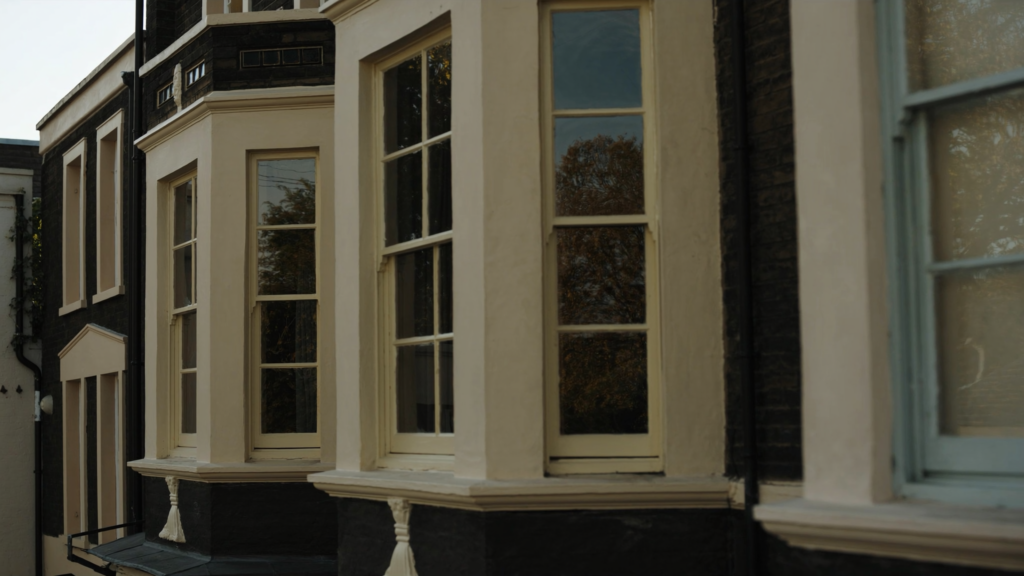
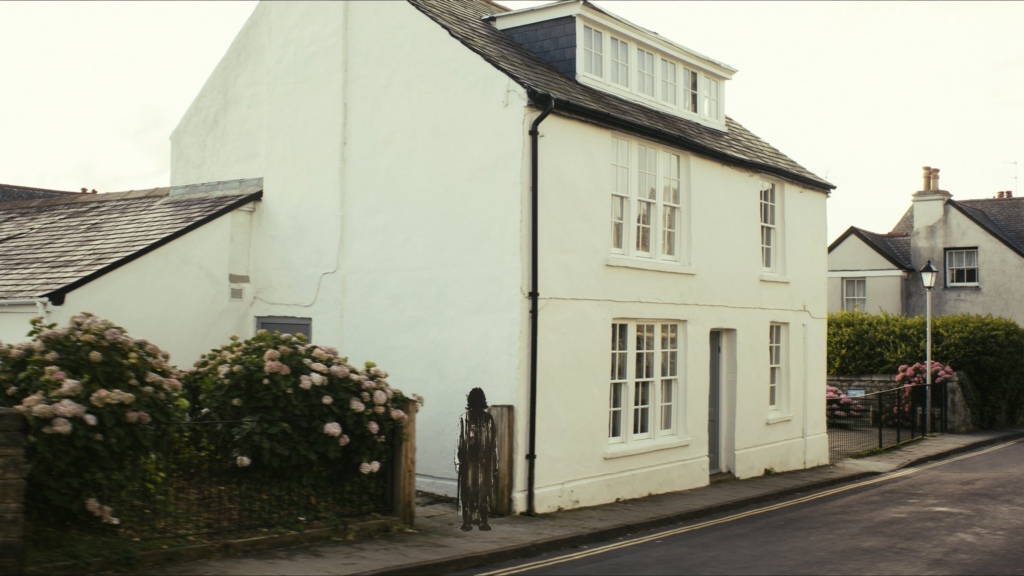
Callander’s housing stock is a genuine mix. You’ve got substantial Victorian and Edwardian stone-built detached properties, particularly on and around the main streets and the older residential areas near the River Teith, alongside more modern 1970s and 1980s detached and semi-detached homes on the outer edges of town. There’s also a cluster of terraced properties that were built for working families and now form a big chunk of the town’s everyday housing stock.
For the older stone-built homes, the wall thickness matters enormously. Traditional lime-mortared rubble stone walls often have non-standard reveal depths, which means off-the-shelf window frames may not sit flush without specialist sub-frames or deep reveals. Any installer quoting for your home should be physically measuring the openings, not guessing from a photo. This is a common shortcut that leads to draughty installations.
The 1970s and 1980s properties are generally more straightforward, since they were often built with early double glazing in mind and have more standard opening dimensions. However, many of these homes now have their original factory-installed double glazing from 25 to 35 years ago, which is well past its effective lifespan. The seals have failed, the gas fill has escaped, and those units are now barely better than single glazing on thermal performance.
Terraced properties in Callander bring their own considerations. Access to side and rear elevations can be tight, and scaffolding or working platforms may be needed for upper-storey work. If you’re mid-terrace, there’s also the question of party wall implications if any structural opening work is required, though for like-for-like window replacements, this is rarely an issue.
How Much Double Glazing Costs in Callander and the Stirling Area in 2026
Callander sits about 22km from Stirling, which is where most installers are based. That travel distance adds a modest premium compared to jobs in Stirling itself, typically £50 to £150 on a standard installation, depending on the company. Installers also serve Callander from Crieff (27km) and occasionally from as far as Falkirk (38km), so you genuinely have options, but you’ll want to factor travel charges into any quote comparison.
Here’s a realistic breakdown of what you should expect to pay in 2026 for a standard uPVC double glazing installation in the Callander area, covering the most common scenarios.
| Property Type and Scope | Callander Estimate | Scotland Average | Notes |
|---|---|---|---|
| 2-bed terraced, full house (6 windows, 1 door) | £4,800 – £6,200 | £4,200 – £5,500 | Rural travel premium applies |
| 3-bed detached, full house (8–10 windows, 2 doors) | £6,500 – £9,000 | £5,800 – £8,000 | Older stone homes may need frame adapters |
| 4-bed detached, full house (12+ windows, 2 doors) | £9,500 – £13,500 | £8,500 – £12,000 | Scaffolding likely for upper storey |
| Single casement window replacement | £450 – £750 | £380 – £650 | Supply and fit, standard uPVC |
| Triple glazing upsize (per window premium) | +£150 – £250 per window | +£120 – £200 per window | Strongly worth considering in Callander |
| Timber frame double glazing (heritage style) | £700 – £1,400 per window | £600 – £1,200 per window | Required in some conservation settings |
One thing to watch for in Callander specifically is installers who quote low and then add surcharges for access, parking, or the travel time. Always ask for a fully itemised quote and confirm that the price includes waste disposal, old frames and glass are bulky and need proper removal.
How Callander’s Weather and Location Shape the Right Double Glazing Choice
This is where living in Callander really changes the equation compared to homes in central Scotland or further south. The town sits in a Highland fringe climate, proper cold winters with regular frost from October through to April, driving rain from the prevailing westerlies, and occasional heavy snow that settles on roofs and garden structures for days at a time. Heating degree days here comfortably exceed 2,200 per year, which is the threshold where insulation upgrades start delivering noticeably faster payback.
The rainfall figure for this part of Scotland typically runs between 1,400mm and 1,800mm annually, significantly above the UK average. That sustained wetness matters for window installations because it puts constant pressure on seals, gaskets, and drainage channels. Poor-quality units that might last 15 years in a drier climate may fail in 8 to 10 years here. Ask your installer specifically about drainage channel design and gasket quality for high-rainfall environments.
Wind exposure is another genuine factor. Properties on the northern and western edges of Callander, or those sitting without natural shelter from the hills, can experience sustained gusts that probe every gap in a window frame. The key specification to look for is a British Standards weather performance rating of at least Class 3 for air permeability and Class A4 for water tightness, these are the minimum you should accept for this area.
The cold winters also mean condensation is a persistent enemy. Even good double glazing can suffer internal condensation if the room ventilation is poor, and when homes are being upgraded from draughty single glazing, the sudden reduction in background ventilation can trigger moisture problems. Make sure your installer talks to you about trickle vents as part of the installation, not as an optional extra.
The Products and Specifications That Genuinely Perform Here
Given everything above, here’s an honest set of recommendations for Callander’s specific conditions rather than a generic product list.
- Triple glazing over standard double glazing, The additional cost per window is modest compared to the lifespan of the installation, and in a climate with 2,200+ heating degree days, the improved U-value (typically 0.8 W/m²K versus 1.2 W/m²K for double) pays back noticeably faster than in milder areas. For any north or west-facing elevation, this is a genuine recommendation rather than an upsell.
- Warm-edge spacer bars, These replace the old aluminium spacer bars that caused cold-edge condensation and heat loss around the perimeter of the unit. Look for brands like Swisspacer or ThermoBar. This is a small detail that makes a meaningful difference in cold climates.
- Argon or krypton gas fill, Standard on most reputable units now, but worth confirming. Krypton performs slightly better in thinner units; argon is the standard for most triple-glazed installations.
- uPVC in white or light woodgrain for most homes, uPVC performs reliably in wet, cold climates, doesn’t rot, and requires minimal maintenance. Dark-coloured frames can warp slightly in high UV or rapid temperature cycling, though this is less of a concern in Callander than in sunnier locations.
- Timber frames for traditional stone properties, If your home is a Victorian or Edwardian stone villa, engineered timber frames with modern double or triple glazing units tend to look more sympathetic and can be better suited to the non-standard reveals. They do require more maintenance but perform excellently when properly treated.
- Trickle vents as standard, Building regulations in Scotland (Section 6) require controlled ventilation in upgraded dwellings. Don’t let an installer skip these to cut costs.
Finding a Trustworthy Installer When You’re 22km from the Nearest City
The honest reality for Callander residents is that you’re not going to have a dozen local glazing companies knocking on your door. The town’s size means most installers travel out from Stirling, Crieff, or occasionally Falkirk, and their familiarity with the specific building stock in Callander can vary quite a bit. This makes doing your homework more important, not less.
The key certifications to look for are FENSA (Fenestration Self-Assessment Scheme) registration for window installers operating in Scotland, this means they can self-certify building regulation compliance without requiring a separate inspection. TrustMark registration is a useful additional indicator of vetted quality. For any associated work involving heating or ventilation, SNIPEF membership (the Scottish equivalent of APHC) matters.
Practical tips for finding the right installer in this area:
- Ask specifically whether the company has installed windows in traditional stone-built properties in the Trossachs or Stirling area, this tests genuine local experience.
- Request references from jobs within 15km of Callander if possible, not generic testimonials from their main urban patch in Stirling.
- Confirm they’ll conduct a physical site survey before quoting, not just a phone estimate.
- Ask about their process for managing waste, glass disposal is regulated and some smaller operators cut corners.
- Check lead times, rural area installers are often 6 to 10 weeks out, so plan ahead especially if you want installation completed before the worst of winter.
Red flags include pressure to sign on the same day, quotes that seem dramatically lower than others (often meaning poor-spec units), and any company that can’t provide their FENSA registration number on request.
Grants and Funding Available to Callander Residents in 2026
This is genuinely good news for Callander homeowners. The combination of Scotland-specific schemes and UK-wide programmes means there’s real financial support available, particularly because so many homes here sit at EPC Band E, which is exactly the profile these schemes are built to help.
Home Energy Scotland (HES) is your first call. This Scottish Government-funded service offers free, independent advice and access to interest-free loans of up to £15,000 for energy efficiency improvements including window upgrades. There’s no means-testing for the loan, it’s available to most homeowners. You can reach them directly and they serve all of the Stirling Council area including Callander. The loan can be used alongside grant funding to cover the full cost of an installation.
Warmer Homes Scotland targets households in or at risk of fuel poverty. Given Callander’s higher-than-average energy costs (off-gas properties, Band E ratings), a meaningful proportion of residents may qualify. This scheme can fund free insulation, heating, and in some cases window upgrades at no cost. Eligibility is based on income, benefits received, and your current EPC rating.
ECO4 (Energy Company Obligation) also applies in Scotland and is delivered through energy suppliers. Households receiving qualifying benefits and with a home rated Band D or below can access fully or partially funded energy improvements. With Band E being the local average, many Callander households sit squarely in the target group. Your energy supplier is the starting point, or HES can help you identify eligibility.
The Great British Insulation Scheme closed on 31 March 2026. It funded insulation measures only and never covered windows or glazing. Double glazing can qualify as a measure under some circumstances, worth confirming with HES when you call.
A practical tip, contact Home Energy Scotland before you contact any installer. They can tell you exactly which schemes you’re eligible for, and being armed with that knowledge before you get quotes means you’re negotiating from a stronger position.
Planning Permission and Building Regulations for Callander Properties
The planning authority for Callander is Stirling Council, and for most standard like-for-like window replacements on ordinary residential properties, you will not need formal planning permission. This falls under permitted development rights, meaning you can replace your windows with double glazing without applying to the council, as long as you’re not in a designated area and the character of the property isn’t being altered significantly.
However, there are important exceptions. Callander has a strong conservation character, and parts of the town, particularly the older stone properties along the main street and around the original Victorian settlement, may fall within a Conservation Area designation. If your home is in a Conservation Area, permitted development rights are more restricted. You may need planning permission before replacing windows, and there are likely to be requirements around using materials and styles that preserve the character of the area. This typically means timber-framed windows rather than uPVC, and potentially specific glazing bar patterns to match original sashes.
If your property is a Listed Building, and there are several in and around central Callander, the rules are stricter again. Listed Building Consent is required for any changes to the external or internal appearance, and window replacements on Listed Buildings typically require specialist historic environment guidance. Stirling Council’s planning department can confirm your listing status, and Historic Environment Scotland publishes guidance on appropriate window replacements for traditional buildings.
On the building regulations side, all window installations in Scotland must comply with Section 6 of the Scottish Building Standards (energy), which requires new windows to meet a minimum U-value of 1.4 W/m²K, actually more demanding than the English equivalent. FENSA-registered installers handle this compliance automatically and provide you with a certificate that you’ll need when selling your home.
What Your Energy Bills Could Actually Look Like After Upgrading
Let’s be honest about the numbers, because this area gets oversold sometimes. Double glazing is an important improvement, but it’s not the only thing standing between a Band E home and a Band C home. Windows typically account for around 10 to 20 percent of a home’s heat loss, so while the improvement is real, it won’t transform your bills on its own.
For a typical Callander home using 14,000 kWh of heat per year (which is close to the national median but being used in a colder-than-average climate), realistic savings from a full double glazing upgrade on a home that currently has failed or single-glazed windows look something like this: