Overview of Double Glazing in Derby
Derby homeowners replacing single-glazed windows with modern double glazing can typically cut heat loss through windows by up to 50%. That makes it one of the most impactful home improvements available in the city. With a population of around 257,000 and a housing stock dominated by semi-detached and terraced properties, many built between the 1930s and 1970s, Derby has a substantial number of homes that still rely on ageing single-glazed or poorly sealed older double-glazed units. If your home sits in one of Derby’s established residential areas such as Allestree, Littleover, Sinfin, Normanton, or Chaddesden, there is a strong chance your windows are a significant source of energy loss.
Double glazing works by trapping a layer of gas (usually argon) between two panes of glass, creating a thermal barrier that keeps warmth inside during winter and reduces unwanted heat gain in summer. For a city like Derby, where cold spells are common from October through to March and average winter temperatures regularly dip below 5°C, this thermal performance is not a luxury, it is a practical necessity. Alongside the energy benefits, modern double glazing also delivers meaningful noise reduction, improved home security, and reduced condensation on interior window surfaces.
This guide has been written specifically for Derby homeowners who want honest, practical advice about double glazing in 2026, covering costs, installer standards, grants, and what to realistically expect from the upgrade.
Why Derby Homeowners Choose Double Glazing
The East Midlands Climate and Your Windows
Derby sits in the East Midlands, an inland region that experiences some of the UK’s more pronounced temperature swings. Unlike coastal areas tempered by the sea, Derby can see sharp frosts in winter and warm, dry summers. Average annual rainfall sits at around 650–700mm, and the city regularly records overnight temperatures below freezing between November and February. This combination of cold winters and damp conditions makes poorly insulated windows a persistent problem for homeowners across the city.
Single-glazed windows lose heat roughly ten times faster than a well-insulated wall. Even older double-glazed units fitted before 2002, before modern energy ratings were widely adopted, perform significantly worse than today’s A-rated products. For Derby households with an average gas usage of 11,500 kWh per year, windows are often responsible for 10–15% of total heat loss, meaning upgrading them has a direct and measurable impact on your energy bills.
Derby’s Housing Stock, Semi-Detached and Terraced Homes
The dominant property types in Derby are semi-detached and terraced houses, many of which were built in the interwar period or during the post-war housing expansions of the 1950s and 1960s. Neighbourhoods like Mackworth, Shelton Lock, Oakwood, and Alvaston are filled with these properties. Older terraced homes on streets throughout Normanton and Pear Tree often feature original timber sash or casement windows, which, while characterful, are rarely draught-proof and typically single-glazed.
Semi-detached properties in Derby tend to have a larger glazed area than terraced homes, often including a side window, a front bay, and a rear kitchen or dining room window, meaning the energy savings from upgrading are proportionally significant. Both property types also benefit from the security improvements that come with modern double-glazed units, which feature multi-point locking systems and toughened or laminated glass options.
2026 Costs for Double Glazing in Derby
What to Expect to Pay in Derby and the East Midlands
Double glazing costs in Derby and the wider East Midlands region sit slightly below the national average. This reflects the lower labour costs in the area compared to London and the South East. Prices vary depending on the number of windows, frame material, glass specification, and the installer you choose. The figures below are typical 2026 market rates for a standard mid-terrace or semi-detached property in Derby.
| Window Type | Frame Material | Number of Units | Estimated Cost (Supply and Fit) |
|---|---|---|---|
| Standard casement | uPVC | 1 window | £400 – £700 |
| Standard casement | uPVC | Full house (8–10 windows) | £3,500 – £6,000 |
| Bay window | uPVC | 1 bay unit | £1,000 – £2,200 |
| Sash window (sliding) | uPVC | 1 window | £700 – £1,300 |
| Sash window (sliding) | Timber | 1 window | £1,200 – £2,000 |
| Casement or tilt-and-turn | Aluminium | 1 window | £700 – £1,400 |
| Full house package | Aluminium | 8–10 windows | £6,000 – £10,000 |
| French or patio doors (double glazed) | uPVC | 1 set | £1,200 – £2,500 |
Factors That Affect Your Price in Derby
- Frame material, uPVC is the most affordable option and the most common choice in Derby’s terraced and semi-detached stock. Timber costs more but may be required in conservation areas. Aluminium offers a slim, modern profile at a mid-to-high price point.
- Glass specification, Standard A-rated double glazing is the baseline. Adding features such as acoustic glass, self-cleaning glass, or solar control glass increases cost by roughly 15–30% per unit.
- Window size and shape, Non-standard shapes (arched tops, oriel windows, or large picture windows) carry a bespoke premium.
- Number of windows ordered, Most Derby installers offer meaningful discounts when you replace all windows in one visit, as scaffolding, travel, and fitting time are shared across the job.
- Access and property condition, Homes with high or awkward window positions, or where frames have rotted and require additional structural work, will incur extra labour costs.
Types of Double Glazing Available
uPVC Double Glazing
uPVC remains the most popular choice among Derby homeowners for good reason. It is low maintenance, well-insulated, long-lasting (typically 20–25 years), and competitively priced. Modern uPVC frames are available in a wide range of colours and woodgrain finishes, so you are not limited to white. For most semi-detached and terraced homes in Derby, A-rated uPVC casement windows represent the best value combination of performance and cost.
Timber Double Glazing
Timber frames are the traditional choice and remain the only option in many of Derby’s conservation areas and for listed buildings. Modern engineered timber frames are considerably more stable and durable than older solid timber, but they do require periodic painting or staining, typically every 5–8 years. If you live in an area like Darley Abbey (which has a designated conservation zone) or in a period property in Friargate, timber may be a planning requirement rather than simply a stylistic preference.
Aluminium Double Glazing
Aluminium frames offer a slim, contemporary profile that suits modern extensions and replacement windows where a clean, minimal aesthetic is desired. Thermally broken aluminium frames perform well in energy terms, though they typically sit at a higher price point than uPVC. They are increasingly popular for rear extensions and bifold-style doors on Derby homes that have been extended.
Glass Specifications, What the Energy Ratings Mean
The British Fenestration Rating Council (BFRC) rates windows from A++ down to E. For Derby homes currently sitting at EPC Band D, fitting A-rated or A+-rated double glazing is the minimum standard to aim for. Look for a U-value of 1.4 W/m²K or lower, this measures how much heat passes through the glass and frame. The lower the number, the better the insulation. Argon-filled units with low-emissivity (low-e) glass coating are the current industry standard and should be included in any quote you receive.
What to Look for in a Derby Double Glazing Installer
Key Accreditations and Certifications
Choosing a reputable installer in Derby is as important as choosing the right product. The window installation industry has historically attracted a number of high-pressure sales operations, so knowing which accreditations to look for protects you from poor workmanship and substandard products.
- FENSA registered, FENSA (Fenestration Self-Assessment Scheme) registration is arguably the most important credential for window installers. FENSA-registered companies can self-certify that their work meets Building Regulations, saving you from having to apply for separate council approval. Always ask for a FENSA certificate on completion, this is essential for selling your home.
- TrustMark accredited, TrustMark is the government-endorsed quality scheme for tradespeople. TrustMark-registered installers in Derby have been independently vetted for trading standards, customer service, and technical competence.
- Which? Trusted Trader, Useful for finding vetted local businesses with verified customer reviews.
- Membership of the Glass and Glazing Federation (GGF), GGF members agree to a code of good practice and offer deposit protection schemes.
Questions to Ask Before You Sign Anything
- Are you FENSA registered, and will you provide a FENSA certificate on completion?
- What is the U-value of the units you are quoting, and what is the BFRC energy rating?
- Is the quote fully inclusive of removal, disposal of old frames, and making good around the reveal?
- What guarantee do you offer on the frames, glass units, and installation, and is it backed by an insurance-backed warranty?
- Can you provide references from recent jobs in Derby?
Avoid any company that pushes for a decision on the same day, refuses to provide a written itemised quote, or cannot show evidence of FENSA registration. Derby City Council’s Trading Standards team can also advise if you have concerns about a particular company.
Government Grants and Funding for Double Glazing in 2026
ECO4, Energy Company Obligation
The ECO4 scheme continues to operate in 2026 and remains one of the most accessible routes to funded or subsidised double glazing for eligible Derby households. ECO4 is funded by the major energy suppliers and administered through approved contractors. It targets low-income households and those living in properties with poor energy efficiency ratings (typically EPC Band D or below). Given that Derby’s average EPC rating is Band D, a significant portion of the city’s housing stock may qualify.
To access ECO4 funding for double glazing, your household generally needs to be in receipt of a qualifying benefit, such as Universal Credit, Pension Credit, or Income Support, or your home needs to be referred through a local authority flex scheme. Derby City Council has participated in ECO flex arrangements in previous years, and eligible households should contact the council’s energy advice team to check current availability.
Great British Insulation Scheme (GBIS)
The Great British Insulation Scheme closed on 31 March 2026. It funded insulation measures only and never covered windows or glazing. While GBIS primarily targets insulation measures, it can in some cases support secondary glazing or window improvements as part of a whole-house energy efficiency package. Households in Council Tax bands A to D are more likely to be considered eligible. Derby has a significant number of properties in these bands, particularly across areas such as Normanton, Sinfin, and New Zealand.
Warm Homes Plan, 2026 Update
The government’s Warm Homes Plan, which is being rolled out through 2026, aims to extend funded energy efficiency improvements to a wider group of homeowners. While the primary focus is on heat pumps and insulation, the scheme acknowledges that fabric improvements, including windows, are a necessary precondition for some upgrades. Derby homeowners who are planning a broader retrofit should check whether their window replacement can be bundled into a Warm Homes Plan assessment.
Local Authority Support Through Derby City Council
Derby City Council has historically signposted residents to national schemes and, through its housing improvement programmes, offered additional support to households in the most deprived wards. It is worth contacting the council’s housing or energy efficiency team directly to ask about any active local referral schemes or area-based improvement programmes that may be running in your neighbourhood during 2026.
The Energy Saving Trust helpline (0800 444 202) can also provide free, independent advice on which grants and schemes you may be eligible for based on your postcode and household circumstances.
How Double Glazing Affects Your EPC Rating
Moving Up the Energy Performance Bands
An EPC (Energy Performance Certificate) rates your home’s energy efficiency on a scale from A (most efficient) to G (least efficient). Derby’s average sits at Band D, which corresponds to an energy efficiency score of roughly 55–68 out of 100. Replacing all single-glazed windows with A-rated double glazing can typically improve an EPC score by 4–8 points, which in many cases is enough to shift a home from the lower end of Band D into the upper end, or from Band D into Band C.
Achieving Band C is increasingly significant in 2026. Mortgage lenders are beginning to offer preferential green mortgage rates for properties at Band C or above, and the government has set ambitions for rental properties to meet minimum EPC standards in the coming years. For Derby landlords with properties in Normanton, Arboretum, or other high-density rental neighbourhoods, upgrading to double glazing now can protect the long-term rental viability of the property.
Impact on Property Value
Research consistently shows that improving a property’s EPC rating has a positive effect on market value. Studies by property analysts suggest that moving from Band D to Band C can add between 1% and 4% to a property’s sale price. For a Derby semi-detached home with an average value of around £220,000–£240,000 in 2026, that is a potential uplift of £2,200 to £9,600, often greater than the cost of the windows themselves when combined with other energy improvements.
Planning Considerations for Derby
When You Do Not Need Planning Permission
For the majority of Derby homes, replacing windows with double glazing is covered by permitted development rights, meaning you do not need to apply for planning permission. This applies provided the new windows are of a similar appearance to those being replaced and the work does not affect a listed building or fall within an area where permitted development has been restricted.
Frequently Asked Questions About Double Glazing in Derby
In Derby, the typical cost of double glazing for a standard three-bedroom semi-detached home sits between £3,500 and £7,000 depending on the number of windows and frame material chosen. uPVC frames tend to be the most affordable option, while timber or aluminium frames carry a higher price tag. Getting at least three quotes from local Derby installers is always recommended to make sure you are getting a fair deal.
Derby homeowners may be eligible for funding through the UK Government's Warm Homes Plan, which in 2026 continues to offer support for energy efficiency upgrades including glazing improvements for lower-income households. Derbyshire County Council and Derby City Council also periodically run local schemes to help residents improve home insulation and heat retention. It is worth contacting your energy supplier directly as well, since many still offer ECO4 scheme funding that can contribute towards window upgrades.
The best way to find a trustworthy double glazing company in Derby is to look for firms registered with FENSA or CERTASS, which are the recognised industry bodies that verify installations meet building regulations. Checking reviews on platforms like Trustpilot and Google, as well as asking neighbours in areas like Allestree, Mickleover or Chaddesden for personal recommendations, can also be very helpful. Always ask for a written quote and confirm the company offers a proper guarantee on both the frames and the installation work.
Yes, upgrading to modern A-rated double glazing in a Derby home can significantly reduce heat loss through windows, which typically account for around 25 to 30 percent of a home's heat loss. Many Derby homeowners report noticeable reductions in their energy bills after installation, particularly in older properties with single glazing or worn-out sealed units. The energy savings are especially valuable in Derby given the colder East Midlands winters, and the improvement can also raise your home's EPC rating.
For a typical Derby semi-detached or terraced house, a full double glazing installation usually takes between one and three days depending on the number of windows and whether any structural adjustments are needed. Most reputable Derby installers will carry out a survey beforehand to give you an accurate timeframe. The windows are generally made to measure so there can be a lead time of two to four weeks between ordering and the actual fitting date.
In most cases, replacing windows with double glazing in Derby does not require planning permission as it falls under permitted development rights. However, if your property is in a conservation area such as parts of Darley Abbey or is a listed building, you will need to check with Derby City Council before going ahead. A FENSA or CERTASS registered installer will handle the building regulations compliance certificate on your behalf, saving you from having to notify the council yourself.
Double glazing features two panes of glass with a sealed gas-filled gap between them, while triple glazing adds a third pane for even greater insulation and noise reduction. In Derby, triple glazing can be worthwhile for homes near busy roads such as those close to the A38 or A52 where traffic noise is an issue, or for homeowners wanting the highest possible energy efficiency. Triple glazing does cost roughly 20 to 30 percent more than double glazing, so weighing up the additional expense against the potential savings is important before committing.
Common signs that your double glazing needs replacing include condensation or misting between the panes, draughts around the frames, difficulty opening or closing windows, or visible damage to the seals and frames. If your windows were installed more than 20 years ago, the sealed units may have failed even if they look intact from the outside. A local Derby installer can carry out a free inspection to assess whether individual units need replacing or whether full window replacement would be more cost effective in the long run.
Windows & Doors Companies Near Derby
Latest Guides on Windows & Doors
Windows & Glazing
Do black window frames fade in the sun?
Black window frames do fade in direct sunlight, but the rate depends entirely on the material and coating If you are choosing black window frames, the primary concern is how they will look in five, ten, or twenty years. All dark colours absorb more UV and infrared radiation than lighter colours, which accelerates pigment breakdown. […]
Windows & Glazing
Can I replace just the glass and keep my frames?
What replacing only the glass involves compared to a full frame replacement Replacing only the glass, known as retrofit glazing, involves fitting a new sealed unit into your existing window frame, leaving the frame, sash, hinges and hardware untouched. Full frame replacement removes the entire window assembly including the frame, cill and often part of […]
Windows & Glazing
10 signs of a good double glazing installer
Choosing a double glazing installer is a big decision that affects your home’s energy bills, security, and value for decades. The wrong choice can lead to draughty windows, failed seals, and expensive remedial work. Quick Answer The most reliable sign of a good double glazing installer is FENSA or CERTASS certification, which proves they can […]
Windows & Glazing
10 ways to stop draughts around windows
Watch 10 Ways to Stop Draughts Around Windows 1. Seal frame-to-wall gaps with silicone sealant The largest draughts around windows usually come from gaps between the window frame and the wall. Filling these with silicone or acrylic sealant is the single most effective fix. A tube of sealant costs £5–£10 per window and applying it […]
Nearby Towns
Verified resources for Derby
Use these official UK sources to check installer credentials, grant eligibility and planning rules before you commit.
Find a verified installer
Grants you may qualify for
In-depth windows & glazing reading.
Windows & Glazing
Bow Window vs Bay Window, How to Choose
The single most important difference between bow and bay windows is structural projection and cost If you are choosing between a bow window and a bay window for your UK home in 2026, the decision comes down to shape, space, and cost. Bow windows curve outward in a gentle arc, typically using four or five […]
Windows & Glazing
Sash Window Restoration, Repair Costs, Methods, and When to Replace
Sash window restoration costs less than half the price of replacement in most UK homes For homeowners with original timber sash windows, the decision between repair and replacement often comes down to cost. Historic England and Energy Saving Trust data consistently show that restoration is significantly cheaper than like-for-like replacement in the majority of cases […]
Windows & Glazing
Window Replacement Cost Calculator UK 2026
A triple-glazed sash window costs roughly 40% more than a double-glazed casement of the same size, a price gap that can reach £800 per window before installation. Deciding on new windows involves balancing upfront cost, energy savings, and the style of your home. The price difference between the cheapest and most expensive options is substantial. […]
Windows & Glazing
Window Cleaning and Maintenance UK 2026
The single most important thing to know about window maintenance in 2026 Window maintenance is not optional if you want to avoid draughts, condensation, and expensive repairs. The required tasks differ significantly between uPVC, aluminium, timber, and composite frames, so knowing your frame material is the first step. Quick Answer Window maintenance UK 2026 costs […]
Windows & Glazing
Window Warranty, Brand Comparison (UK, 2026)
The Average Window Warranty in the UK Lasts 10 Years on Glass and 5 Years on Ironmongery If you are replacing windows in 2026, the warranty length is one of the most important factors to compare. DESNZ data from the 2025-26 fiscal year shows that the average homeowner replaces windows every 20-25 years, meaning a […]
Windows & Glazing
FENSA vs CERTASS Window Installer UK 2026
FENSA and CERTASS are the two main self-certification schemes for replacement window installers in the UK, and membership of one is legally required for most work If you are replacing windows in your home, the law requires the work to meet Building Regulations. Since 2002, replacement window installations in England and Wales must comply with […]
Browse all guides
Get Double Glazing Quotes in Derby
Compare quotes from trusted local eco home installers. No obligation.
Get a Free Quote
Frequently Asked Questions About Double Glazing in Derby
In Derby, the typical cost of double glazing for a standard three-bedroom semi-detached home sits between £3,500 and £7,000 depending on the number of windows and frame material chosen. uPVC frames tend to be the most affordable option, while timber or aluminium frames carry a higher price tag. Getting at least three quotes from local Derby installers is always recommended to make sure you are getting a fair deal.
Derby homeowners may be eligible for funding through the UK Government's Warm Homes Plan, which in 2026 continues to offer support for energy efficiency upgrades including glazing improvements for lower-income households. Derbyshire County Council and Derby City Council also periodically run local schemes to help residents improve home insulation and heat retention. It is worth contacting your energy supplier directly as well, since many still offer ECO4 scheme funding that can contribute towards window upgrades.
The best way to find a trustworthy double glazing company in Derby is to look for firms registered with FENSA or CERTASS, which are the recognised industry bodies that verify installations meet building regulations. Checking reviews on platforms like Trustpilot and Google, as well as asking neighbours in areas like Allestree, Mickleover or Chaddesden for personal recommendations, can also be very helpful. Always ask for a written quote and confirm the company offers a proper guarantee on both the frames and the installation work.
Yes, upgrading to modern A-rated double glazing in a Derby home can significantly reduce heat loss through windows, which typically account for around 25 to 30 percent of a home's heat loss. Many Derby homeowners report noticeable reductions in their energy bills after installation, particularly in older properties with single glazing or worn-out sealed units. The energy savings are especially valuable in Derby given the colder East Midlands winters, and the improvement can also raise your home's EPC rating.
For a typical Derby semi-detached or terraced house, a full double glazing installation usually takes between one and three days depending on the number of windows and whether any structural adjustments are needed. Most reputable Derby installers will carry out a survey beforehand to give you an accurate timeframe. The windows are generally made to measure so there can be a lead time of two to four weeks between ordering and the actual fitting date.
In most cases, replacing windows with double glazing in Derby does not require planning permission as it falls under permitted development rights. However, if your property is in a conservation area such as parts of Darley Abbey or is a listed building, you will need to check with Derby City Council before going ahead. A FENSA or CERTASS registered installer will handle the building regulations compliance certificate on your behalf, saving you from having to notify the council yourself.
Double glazing features two panes of glass with a sealed gas-filled gap between them, while triple glazing adds a third pane for even greater insulation and noise reduction. In Derby, triple glazing can be worthwhile for homes near busy roads such as those close to the A38 or A52 where traffic noise is an issue, or for homeowners wanting the highest possible energy efficiency. Triple glazing does cost roughly 20 to 30 percent more than double glazing, so weighing up the additional expense against the potential savings is important before committing.
Common signs that your double glazing needs replacing include condensation or misting between the panes, draughts around the frames, difficulty opening or closing windows, or visible damage to the seals and frames. If your windows were installed more than 20 years ago, the sealed units may have failed even if they look intact from the outside. A local Derby installer can carry out a free inspection to assess whether individual units need replacing or whether full window replacement would be more cost effective in the long run.
Windows & Doors Companies Near Derby
Latest Guides on Windows & Doors
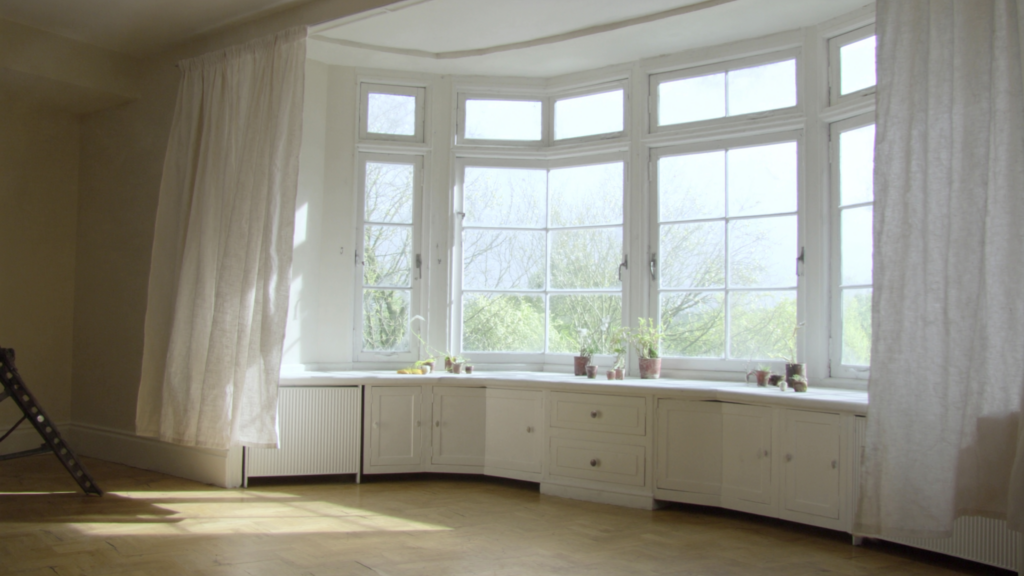
Do black window frames fade in the sun?
Black window frames do fade in direct sunlight, but the rate depends entirely on the material and coating If you are choosing black window frames, the primary concern is how they will look in five, ten, or twenty years. All dark colours absorb more UV and infrared radiation than lighter colours, which accelerates pigment breakdown. […]
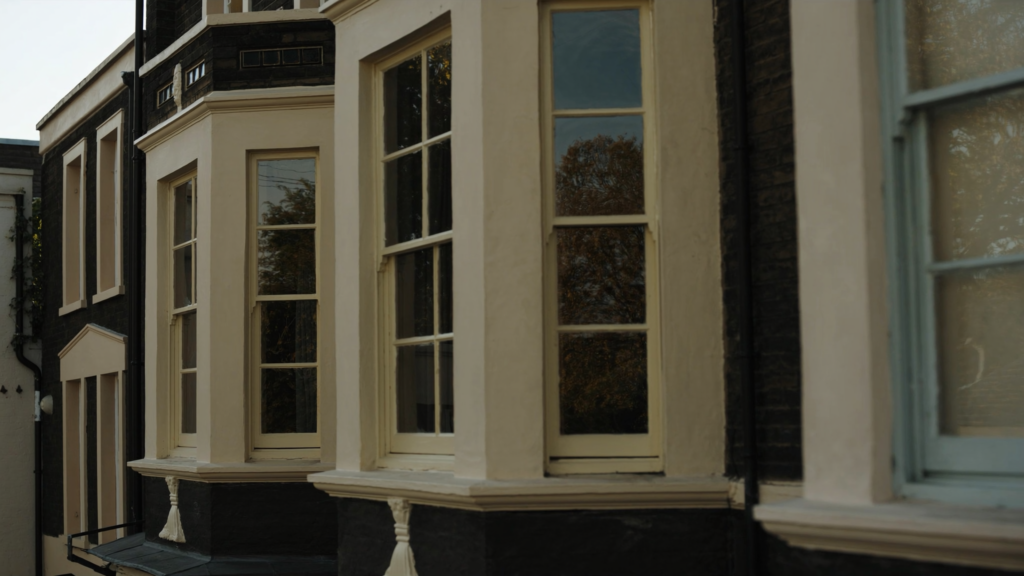
Can I replace just the glass and keep my frames?
What replacing only the glass involves compared to a full frame replacement Replacing only the glass, known as retrofit glazing, involves fitting a new sealed unit into your existing window frame, leaving the frame, sash, hinges and hardware untouched. Full frame replacement removes the entire window assembly including the frame, cill and often part of […]
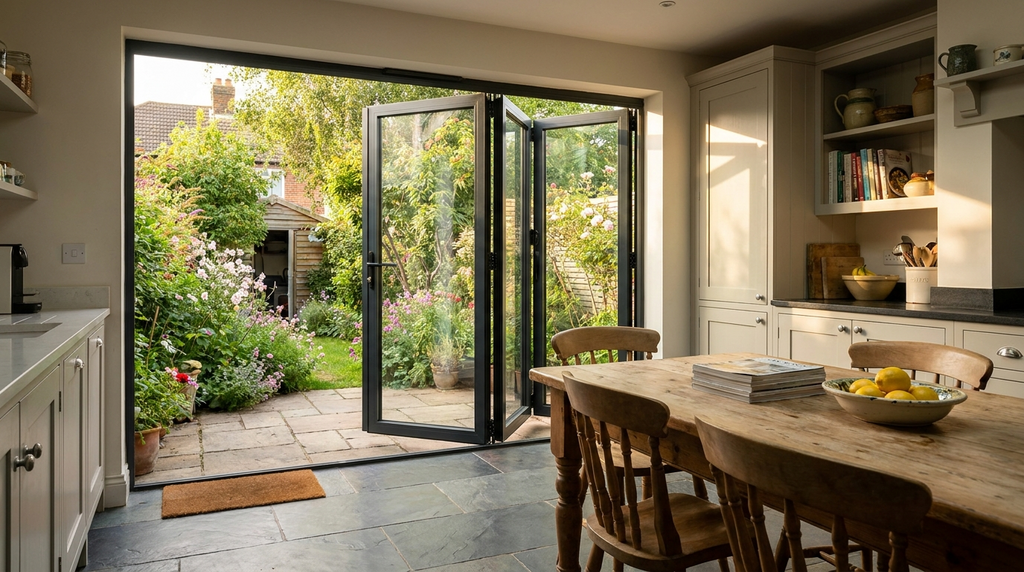
10 signs of a good double glazing installer
Choosing a double glazing installer is a big decision that affects your home’s energy bills, security, and value for decades. The wrong choice can lead to draughty windows, failed seals, and expensive remedial work. Quick Answer The most reliable sign of a good double glazing installer is FENSA or CERTASS certification, which proves they can […]
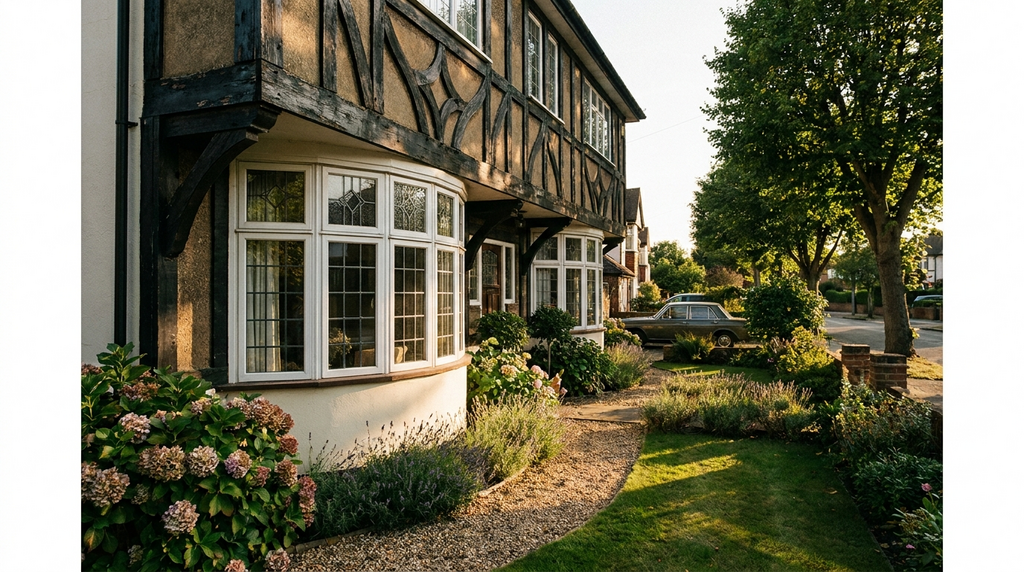
10 ways to stop draughts around windows
Watch 10 Ways to Stop Draughts Around Windows 1. Seal frame-to-wall gaps with silicone sealant The largest draughts around windows usually come from gaps between the window frame and the wall. Filling these with silicone or acrylic sealant is the single most effective fix. A tube of sealant costs £5–£10 per window and applying it […]
Nearby Towns
Verified resources for Derby
Use these official UK sources to check installer credentials, grant eligibility and planning rules before you commit.
Find a verified installer
Grants you may qualify for
In-depth windows & glazing reading.
Bow Window vs Bay Window, How to Choose
The single most important difference between bow and bay windows is structural projection and cost If you are choosing between a bow window and a bay window for your UK home in 2026, the decision comes down to shape, space, and cost. Bow windows curve outward in a gentle arc, typically using four or five […]
Sash Window Restoration, Repair Costs, Methods, and When to Replace
Sash window restoration costs less than half the price of replacement in most UK homes For homeowners with original timber sash windows, the decision between repair and replacement often comes down to cost. Historic England and Energy Saving Trust data consistently show that restoration is significantly cheaper than like-for-like replacement in the majority of cases […]
Window Replacement Cost Calculator UK 2026
A triple-glazed sash window costs roughly 40% more than a double-glazed casement of the same size, a price gap that can reach £800 per window before installation. Deciding on new windows involves balancing upfront cost, energy savings, and the style of your home. The price difference between the cheapest and most expensive options is substantial. […]
Window Cleaning and Maintenance UK 2026
The single most important thing to know about window maintenance in 2026 Window maintenance is not optional if you want to avoid draughts, condensation, and expensive repairs. The required tasks differ significantly between uPVC, aluminium, timber, and composite frames, so knowing your frame material is the first step. Quick Answer Window maintenance UK 2026 costs […]
Window Warranty, Brand Comparison (UK, 2026)
The Average Window Warranty in the UK Lasts 10 Years on Glass and 5 Years on Ironmongery If you are replacing windows in 2026, the warranty length is one of the most important factors to compare. DESNZ data from the 2025-26 fiscal year shows that the average homeowner replaces windows every 20-25 years, meaning a […]
FENSA vs CERTASS Window Installer UK 2026
FENSA and CERTASS are the two main self-certification schemes for replacement window installers in the UK, and membership of one is legally required for most work If you are replacing windows in your home, the law requires the work to meet Building Regulations. Since 2002, replacement window installations in England and Wales must comply with […]
Get Double Glazing Quotes in Derby
Compare quotes from trusted local eco home installers. No obligation.
Get a Free Quote