Overview of Double Glazing in Ilkeston
Ilkeston is one of Derbyshire’s largest towns without a railway station, and its 38,000 residents live predominantly in older terraced and semi-detached properties that were built long before modern energy efficiency standards existed. Many of these homes still have single-glazed windows or outdated double glazing fitted in the 1990s and early 2000s, which no longer meets current thermal performance expectations. Replacing or upgrading to modern double glazing is one of the most practical home improvements an Ilkeston homeowner can make in 2026, both in terms of comfort and long-term savings on energy bills.
The town sits in the Erewash valley, bordered by the River Erewash to the west, and its position in the East Midlands means residents experience cold, damp winters that put considerable pressure on older window frames and seals. Draught problems are common in the rows of Victorian and Edwardian terraces that line streets throughout the Bath Street area, the Cotmanhay district, and around Awsworth Road. For homes like these, well-specified double glazing can make an enormous difference to daily living comfort.
The average EPC rating across Ilkeston is Band D, which means most homes are losing significant heat through poorly insulated windows, walls, and roofs. Window heat loss alone can account for around 18 to 25 percent of total heat loss in an unimproved property. Addressing this with quality double glazing is one of the most accessible first steps toward improving that EPC band and reducing those high gas bills.
Why Ilkeston Homeowners Choose Double Glazing
The East Midlands Climate and What It Means for Your Windows
The East Midlands experiences some of the most variable weather in England. Ilkeston sits at a moderate inland elevation and sees cold northerly winds in winter, with temperatures frequently dropping below freezing between November and February. Average winter temperatures hover between 1°C and 6°C, and the town regularly experiences extended grey, damp periods that accelerate timber frame rot and cause condensation problems in poorly sealed window units.
Condensation between the panes of older double glazed units, often called “blown” or “failed” units, is a common complaint among Ilkeston homeowners. Once the gas seal fails, the insulating argon or air layer is lost, and the window performs little better than single glazing. In older properties around the Rutland Street and Station Road areas, this kind of failed glazing is a very common sight.
Ilkeston’s Housing Stock and Why It Matters
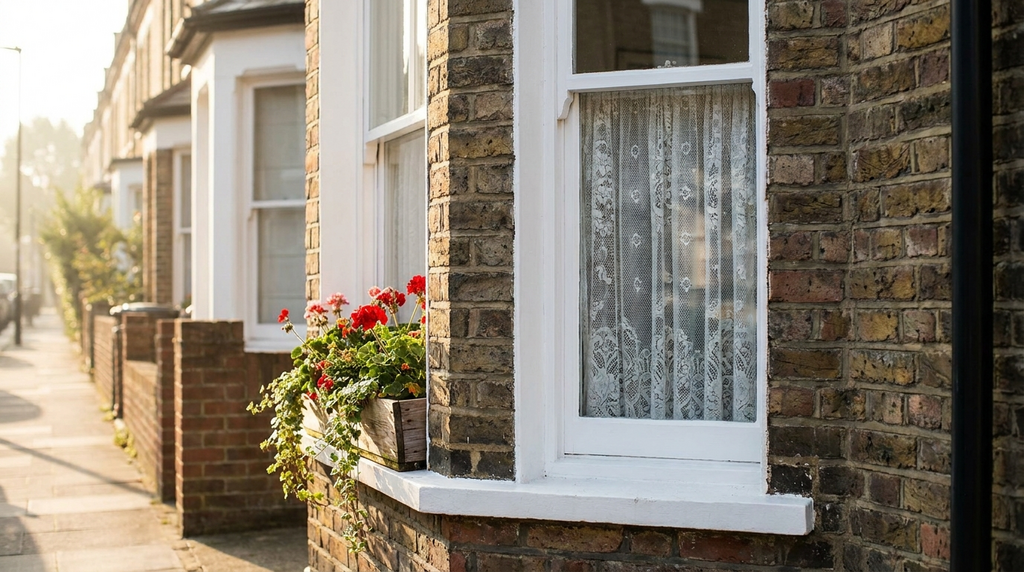
The majority of Ilkeston’s housing stock consists of Victorian and inter-war terraced houses and semi-detached homes. These properties typically feature bay windows at the front, sliding sash windows in older examples, and casement windows added during later renovations. Many have non-standard window sizes because they were built before standardised measurements became the norm, which can affect installation costs.
Semi-detached properties on estates built in the 1950s, 1960s, and 1970s, such as those in the Gallows Inn and Stanton Road areas, often have large picture windows and patio doors that are particularly vulnerable to heat loss. Replacing these with modern A-rated or A+-rated double glazing units can dramatically cut heating demands and improve overall comfort throughout the winter months.
Noise reduction is also a significant motivation for Ilkeston homeowners. Properties near the A6096 corridor or the industrial areas to the east of town benefit enormously from the acoustic insulation provided by thicker double glazed units with laminated inner panes.
2026 Costs for Double Glazing in Ilkeston
Understanding What You Will Pay
Double glazing costs in Ilkeston and the wider East Midlands region are broadly in line with the national average, though you may find slightly more competitive pricing here than in larger cities like Nottingham or Derby, owing to lower overheads for local installers. Prices below reflect full supply and installation by a reputable FENSA-registered company in 2026.
| Window Type | Typical Size | Estimated Cost Per Unit (Installed) | Notes |
|---|---|---|---|
| uPVC Casement (standard) | 600mm x 900mm | £350 – £550 | Most common in Ilkeston terraces |
| uPVC Casement (large) | 1200mm x 1200mm | £500 – £750 | Typical for semi-detached front rooms |
| uPVC Bay Window (three pane) | Full bay replacement | £1,100 – £1,800 | Very common in Victorian terraces |
| Sash Window (uPVC) | Standard sash size | £700 – £1,100 | For older period properties |
| Aluminium Casement | Standard | £600 – £950 | Slimmer frames, growing in popularity |
| Composite Front Door (with double glazed panel) | Standard | £1,000 – £1,600 | Often paired with window replacement |
| Full House Package (average Ilkeston terrace, 7–9 windows + 1 door) | Whole property | £3,500 – £6,500 | Most cost-effective approach overall |
Factors That Affect Your Quote in Ilkeston
- Frame material, uPVC is the most affordable. Timber and aluminium frames cost more but may be required in conservation areas.
- Non-standard sizing, Older terraced properties on streets like Gladstone Street or Heanor Road often have bespoke window openings that require made-to-measure units.
- Access difficulties, Upper floor windows on taller Victorian terraces may require scaffolding, adding £200–£400 to the job.
- Number of units ordered, Ordering a full house replacement in one go almost always gives you better value per unit than replacing windows individually over time.
- Glazing specification, A-rated versus A+-rated glass, triple glazing upgrades, or acoustic glazing all carry a price premium.
Types of Double Glazing Available
uPVC Double Glazing
uPVC remains the most popular choice for Ilkeston homeowners by a significant margin. It is low maintenance, thermally efficient, and available in a wide range of colours including woodgrain finishes that suit older properties. For the majority of terraced and semi-detached homes in Ilkeston, white or cream uPVC casement windows with argon-filled double glazed units and warm-edge spacer bars represent the best balance of cost and performance.
Aluminium Double Glazing
Aluminium frames have become increasingly sought-after for homeowners who want a more contemporary or minimal aesthetic. The frames are thinner than uPVC. This allows more glass area, which suits larger picture windows. Modern thermally broken aluminium frames perform significantly better than older aluminium products and are fully eligible for A-ratings.
Timber Double Glazing
Timber frames are the traditional choice and remain the only option for listed buildings. They require more maintenance than uPVC but can be beautifully in keeping with the character of older Ilkeston properties. Engineered timber products have improved considerably and are far more dimensionally stable than solid timber of previous decades.
Triple Glazing
Triple glazing adds a third pane of glass and a second gas-filled cavity. It offers marginal additional thermal improvement over top-specification double glazing in the UK climate, but is worth considering for particularly exposed elevations or rooms facing north. The additional cost of around 20–30 percent over standard double glazing means it is not always the most cost-effective choice for Ilkeston homes, though it may be appropriate for whole-house refurbishments.
Energy Ratings to Look For
The British Fenestration Rating Council (BFRC) rates windows from G (worst) through to A+ (best). In 2026, you should be looking for a minimum of A-rated windows for any replacement. A-rated windows with argon fill and warm-edge spacer bars carry a Window Energy Rating (WER) that will be shown on a coloured label similar to white goods ratings. This rating should be documented in your quote so you can compare between installers.
What to Look for in an Ilkeston Double Glazing Installer
Essential Accreditations
When getting quotes from double glazing companies in Ilkeston, the single most important thing to check is whether the installer is registered with FENSA (Fenestration Self-Assessment Scheme) or Certass. These are government-authorised schemes that allow installers to self-certify that their window installations comply with Building Regulations. Without this, you will need to apply for Building Regulations approval separately, which adds cost and complexity.
A FENSA or Certass registration means the installer issues you with a certificate upon completion, which is vital for property sales and remortgaging. Always ask for your certificate after the work is completed.
Look also for TrustMark registration, which indicates the company has met government-endorsed standards for quality and trading practices. You can search both FENSA and TrustMark registries online before committing to any company.
Questions Worth Asking Your Ilkeston Installer
- Are you FENSA or Certass registered and will you provide the certificate on completion?
- What is the BFRC energy rating of the windows you are supplying?
- What is included in the guarantee, frames, glass units, and hardware separately?
- How long have you operated in the Ilkeston and Erewash area?
- Can you provide references from recent local customers?
- Do your prices include removal and disposal of the old frames?
- What is your process if a sealed unit fails within the guarantee period?
Avoid companies that pressure you to sign on the day of the quote or who offer unrealistically large discounts as a sales tactic. Reputable Ilkeston traders will give you time to compare quotes properly.
Government Grants and Funding for Double Glazing in 2026
ECO4 Scheme
The Energy Company Obligation (ECO4) scheme is the most widely accessible grant programme for Ilkeston homeowners in 2026. Under ECO4, energy suppliers with more than 150,000 customers are obligated to fund energy efficiency improvements for low-income and fuel-poor households. Double glazing can be funded under ECO4 when it is part of a broader package of measures. Eligibility is primarily linked to receiving qualifying benefits such as Universal Credit, Pension Credit, or Income Support, and properties must have a low EPC rating, typically Band D or below, which covers the majority of Ilkeston homes.
To check eligibility, contact your energy supplier directly or use the government’s Simple Energy Advice helpline. Local authorities, including Erewash Borough Council, also sometimes act as ECO4 referral bodies.
Great British Insulation Scheme (GBIS)
The Great British Insulation Scheme closed on 31 March 2026. It funded insulation measures only and never covered windows or glazing. Whilst GBIS is primarily focused on loft, wall, and underfloor insulation, it can open the door to ECO4 referrals for glazing improvements. Homeowners in Band D rated properties in Ilkeston, which represents the town’s average, should explore GBIS as a starting point for improving their home’s efficiency with government support.
Erewash Borough Council Support
Erewash Borough Council periodically runs warm homes schemes and partners with Derbyshire-wide energy efficiency initiatives. In 2026, residents should check directly with the council’s housing team or the Derbyshire Together programme for any available local support. Eligibility criteria and available funds change throughout the year, so it is worth a direct enquiry rather than assuming nothing is available.
Boiler Upgrade Scheme and Double Glazing
The Boiler Upgrade Scheme (BUS) itself does not directly fund double glazing, but improving your glazing can increase the effectiveness of a heat pump installation funded through BUS. A well-insulated, well-glazed home requires a smaller heat pump to maintain comfortable temperatures, which reduces running costs. If you are considering a heat pump under BUS alongside a window upgrade, both improvements complement each other significantly.
How Double Glazing Affects Your EPC Rating
Ilkeston’s average EPC rating of Band D means most homes sit in a range that is meaningfully improvable with targeted measures. Replacing single glazing with modern A-rated double glazing can typically push a property from the lower end of Band D up into the mid-to-upper D range, or in some cases into Band C, depending on what other measures are already in place.
The EPC assessment measures window performance as part of its Standard Assessment Procedure (SAP) calculation. Upgrading failed or single-glazed windows contributes directly to the fabric energy efficiency score. An assessor will record the frame type, glazing type, and installation date when conducting an EPC survey.
For Ilkeston homeowners, moving from Band D to Band C has practical financial implications beyond heating bills. Properties with an EPC of C or above are currently exempt from proposed future minimum energy efficiency standards for rental properties, which is a significant consideration for landlords in the town’s substantial private rented sector.
From a property value perspective, research consistently shows that improving EPC ratings increases sale value. Achieving Band C from Band D in the East Midlands market has been associated with value uplifts of between 3 and 5 percent, according to data from Rightmove and the Energy Saving Trust. On an average Ilkeston semi-detached property valued at approximately £180,000–£200,000 in 2026, that is a meaningful financial return.
Planning Considerations for Ilkeston
Permitted Development and Standard Replacements
For the vast majority of Ilkeston homeowners, replacing existing windows with double glazing is covered under Permitted Development Rights. This means you do not need to apply for planning permission, provided you are not altering the overall appearance in a way that materially changes the character of the building, and provided the property is not in a designated area.
Conservation Areas in Ilkeston
Ilkeston does have designated conservation areas where stricter rules apply. The town centre area and parts of Bath Street fall within zones where Erewash Borough Council maintains oversight of changes to the external appearance of buildings. If your property sits within a conservation area, you may need to use timber-framed windows rather than uPVC, and you may require a planning application before proceeding. Always check with Erewash Borough Council’s planning department before ordering, as the cost of non-compliance, including having to reinstate original windows, is far greater than the cost of a planning application.
<h