Overview of Double Glazing in Loughborough
Loughborough homeowners replacing single-glazed windows with modern double glazing can expect to cut heat loss through windows by up to 50%. That makes it one of the most cost-effective upgrades available for properties in this part of Leicestershire. The town of Loughborough, home to around 67,000 residents and well known for its university, manufacturing heritage, and the iconic Great Central Railway, has a housing stock that is particularly well suited to double glazing improvements. A significant proportion of homes here are semi-detached and terraced properties built between the 1930s and 1970s, many of which still have older aluminium-framed or timber single-glazed windows that are long overdue for replacement.
With an average EPC rating of Band D across the town, Loughborough sits in a position where relatively straightforward upgrades, including double glazing, can make a meaningful difference to both energy bills and comfort. The Energy Saving Trust consistently highlights window upgrades as one of the top priorities for homes in this EPC bracket, and in 2026 there are still financial support routes available to eligible homeowners to help cover the cost.
This guide is written specifically for Loughborough homeowners who want honest, practical information before committing to what can be a significant investment. We cover local costs, what to look for in an installer, planning rules relevant to Charnwood Borough, and how to make the most of available funding.
Why Loughborough Homeowners Choose Double Glazing
There are several compelling reasons why double glazing is particularly relevant to Loughborough and the wider East Midlands region, beyond the general benefits that apply anywhere in the UK.
The East Midlands Climate
Loughborough sits in a part of England that experiences genuinely cold winters. The East Midlands typically records lower average winter temperatures than coastal regions, and Loughborough’s inland position means it does not benefit from the moderating effect of the sea. Average January temperatures regularly dip close to freezing, and the town can experience prolonged cold spells that push up gas consumption significantly. With an average gas usage of 11,000 kWh per year, broadly in line with the national average but on the higher side for a town of this size, heating costs are a real concern for residents. Poor window insulation is one of the primary reasons homes lose heat, and in a town like Loughborough, that translates directly into higher bills during the six or seven months of the year when central heating is needed.
The Local Housing Stock
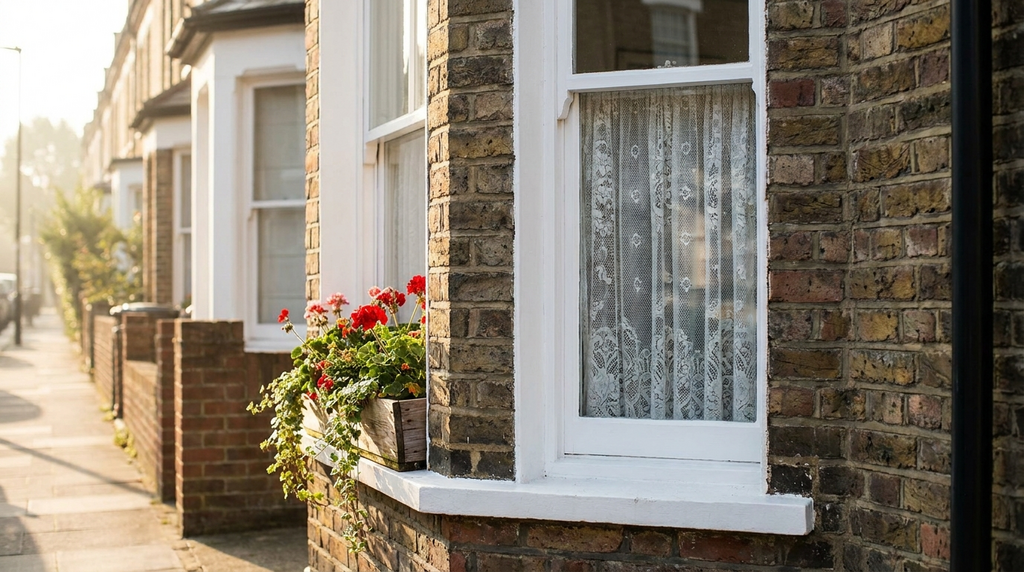
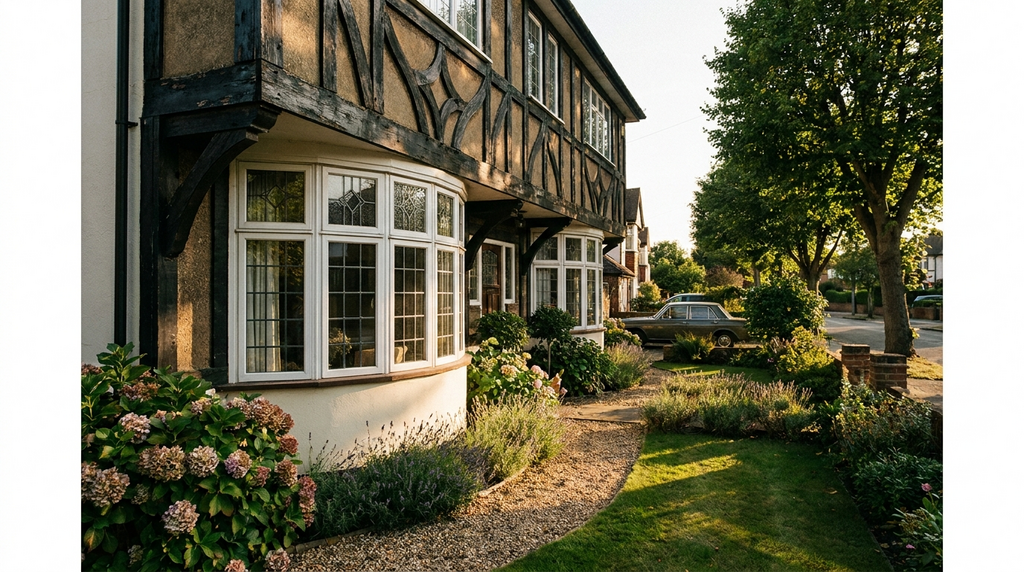
The majority of homes in Loughborough are semi-detached or terraced properties. Many of these were built in the interwar or post-war period using construction methods that prioritised speed and affordability over insulation. Windows in these properties are often relatively large in proportion to the wall area, particularly in bay-fronted semis, which are common along roads such as Beacon Road and Forest Road. This means that upgrading the windows has an outsized impact compared with properties where windows make up a smaller proportion of the external envelope.
Student accommodation is also a significant part of the Loughborough housing market, given the presence of Loughborough University. Landlords in particular have a commercial incentive to improve EPC ratings ahead of further changes expected to minimum energy efficiency standards for rental properties.
Noise Reduction Benefits
Loughborough is a busy market town with active roads including the A6, A60, and the town centre itself. Homeowners living near these routes, or close to the railway line, frequently report noise as a secondary motivation for upgrading to double glazing. Acoustic-rated glazing options can significantly reduce external noise, which is worth considering if your property is on or near a busy road.
2026 Costs for Double Glazing in Loughborough
Costs for double glazing vary depending on the number of windows, the frame material, the glass specification, and the installer you choose. The figures below reflect typical 2026 pricing for the East Midlands region, including Loughborough. Note that these are guide prices for supply and installation, always obtain at least three written quotes before proceeding.
| Window Type | Frame Material | Typical Cost Per Window (Installed) | Full House (8–10 Windows) |
|---|---|---|---|
| Standard casement | uPVC | £400 – £600 | £3,500 – £5,500 |
| Bay window (3-panel) | uPVC | £900 – £1,400 | N/A (usually 1–2 per property) |
| Standard casement | Aluminium | £600 – £900 | £5,000 – £8,000 |
| Standard casement | Timber | £700 – £1,100 | £6,000 – £9,500 |
| Sash window (double-glazed) | uPVC or timber | £800 – £1,500 | £7,000 – £13,000 |
| Tilt and turn | uPVC | £500 – £750 | £4,500 – £6,500 |
Factors That Affect the Price in Loughborough
- Property age and condition, Older properties may need structural work around window openings before new frames can be fitted, adding to the overall cost.
- Frame material, uPVC remains the most affordable option and is low-maintenance, while timber and aluminium cost more but may be required in certain conservation areas or preferred for aesthetic reasons.
- Glass specification, A-rated or A+-rated glazing units with low-emissivity (low-e) coatings and argon gas fills cost more upfront but save more over time.
- Number of windows, Installers typically offer better per-unit pricing when replacing all windows in a property at once.
- Access and scaffolding, Upper-floor windows in taller terraced properties may require scaffolding, adding £300 to £800 to the overall job.
- Local competition, Loughborough has a reasonable number of local and regional installers, which helps keep prices competitive compared with more rural parts of Leicestershire.
Types of Double Glazing Available
Not all double glazing is the same, and choosing the right specification for your Loughborough home makes a real difference to the performance you get.
Energy Ratings and Glass Specifications
Windows in the UK are rated on a scale from A++ (best) to E (worst) by the British Fenestration Rating Council (BFRC). For most homes in Loughborough, choosing a minimum of A-rated windows is recommended. A-rated and above windows use low-emissivity glass coatings that reflect heat back into the room, combined with argon or krypton gas fills between the panes to reduce conduction.
The U-value of a window measures how much heat it loses, lower is better. Current building regulations in England require replacement windows to achieve a U-value of no more than 1.4 W/m²K. High-performance units can achieve 1.0 W/m²K or better, which is worth specifying if your home has particularly large window areas.
Frame Materials for Local Homes
- uPVC, The most popular choice in Loughborough and across the East Midlands. Durable, low-maintenance, and the most cost-effective option. Available in a wide range of colours and woodgrain finishes to suit the area’s mix of brick-built semis and terraces.
- Aluminium, Slimmer frames and a more contemporary look. Better suited to more modern properties or where planning conditions require it. More thermally conductive than uPVC, but modern aluminium frames include thermal breaks to address this.
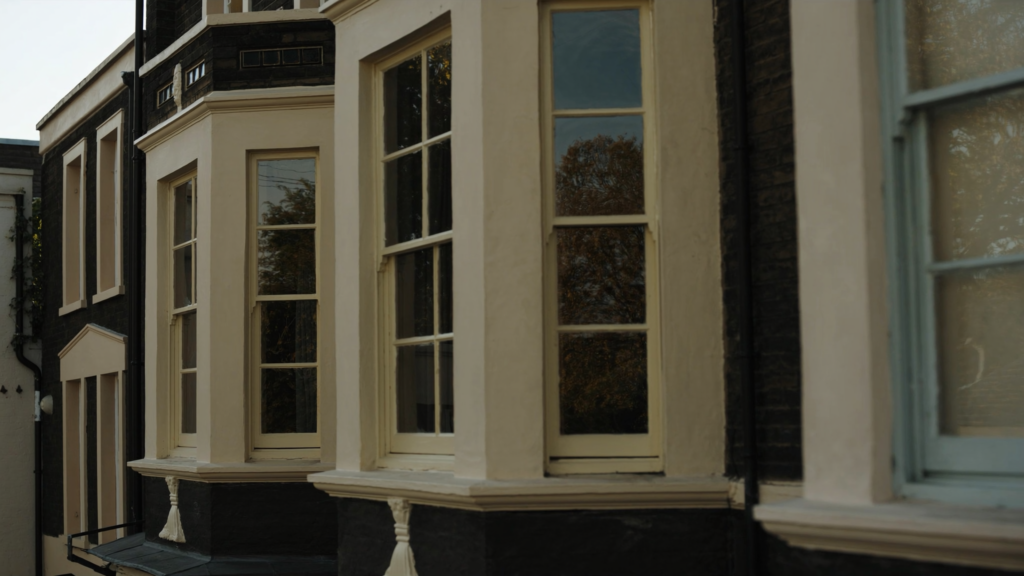
- Timber, Often preferred in conservation areas or for period properties. Higher maintenance requirements but can look excellent on the Victorian and Edwardian terraces found in parts of central Loughborough.
Specialist Options Worth Considering
- Acoustic glazing, Uses thicker glass or an asymmetric pane arrangement to reduce noise. Particularly useful near the A6 or town centre roads.
- Laminated safety glass, Recommended for ground-floor windows or accessible roof areas. Holds together if broken rather than shattering.
- Self-cleaning glass, Uses a photocatalytic coating to break down dirt and allow rain to wash it away. Useful for windows in hard-to-reach positions.
What to Look for in a Loughborough Double Glazing Installer
Choosing the right installer matters as much as choosing the right windows. The double glazing market has historically attracted a small number of high-pressure salespeople and poor-quality operators, so knowing what to look for will protect you.
Key Accreditations and Certifications
- FENSA registration, FENSA (Fenestration Self-Assessment Scheme) is the most important accreditation to look for. FENSA-registered installers can self-certify that their work meets building regulations, saving you the cost and hassle of a separate local authority inspection. Always ask to see a FENSA certificate after the work is complete.
- TrustMark, The government-endorsed quality scheme. TrustMark-registered businesses have been vetted for technical competence and trading standards compliance. This is also a requirement for accessing certain government grant schemes.
- CERTASS, An alternative to FENSA for self-certification of window and door installations. Also valid and widely recognised.
- Deposit protection, Ask whether the installer is a member of a consumer protection scheme such as the Glass and Glazing Federation (GGF) or FENSA’s deposit indemnity scheme. This protects your deposit if the company goes under before completing the work.
Questions to Ask Before You Commit
- Are you FENSA or CERTASS registered, and will you provide a certificate on completion?
- What is the U-value and energy rating of the windows you are quoting?
- What warranty do you offer on frames, glass units, and installation workmanship?
- Who manufactures the glass units, and are they made in the UK?
- Will you remove and dispose of the old windows?
- Is scaffolding included in your quote, and if so, is it supplied by you or subcontracted?
- Can you provide references from local Loughborough customers?
When comparing quotes, make sure each one covers the same specification so you are comparing like with like. A quote that appears significantly cheaper may be using lower-rated glass units or inferior frames.
Government Grants and Funding for Double Glazing in 2026
Funding for double glazing specifically has become more targeted in 2026 compared with earlier years. Standalone window replacement grants are less common, but double glazing can still be funded through wider energy efficiency schemes under certain conditions.
ECO4 (Energy Company Obligation)
ECO4 is the current phase of the Energy Company Obligation programme, which requires large energy suppliers to fund energy efficiency improvements for lower-income and vulnerable households. Double glazing can be included as part of an ECO4 package, typically when it is installed alongside other measures such as insulation or a new heating system. To be eligible, households generally need to be in receipt of qualifying benefits such as Universal Credit, Pension Credit, or Child Tax Credit, and the property should have an EPC rating of D or below, which covers the majority of Loughborough homes.
Great British Insulation Scheme (GBIS)
The Great British Insulation Scheme closed on 31 March 2026. It funded insulation measures only and never covered windows or glazing. While it does not typically cover full double glazing replacement directly, it can complement a window upgrade by addressing gaps and draughts that remain after new windows are fitted.
Charnwood Borough Council Local Schemes
Charnwood Borough Council, which covers Loughborough, has previously operated Flexible Eligibility routes under ECO that allow local authorities to refer households that do not meet the standard benefit criteria but are still in fuel poverty. It is worth contacting Charnwood’s housing or energy team directly to check what referral routes may currently be available, as these schemes are updated regularly throughout the year.
Warm Homes – Local Grant
The Warm Homes Local Grant, which replaced some earlier funding streams, provides support for energy efficiency upgrades in owner-occupied and private-rented homes with low EPC ratings. Depending on the household income and property EPC, this can contribute toward window upgrades as part of a broader package of improvements. Eligibility thresholds and available funding vary, so checking directly with the Energy Saving Trust helpline (0800 444 202) or the Simple Energy Advice service is the most reliable way to find out what you qualify for in 2026.
As a practical first step, use the government’s official eligibility checker at gov.uk/find-energy-grant to see which schemes apply to your household before approaching any installer about grant-funded work.
How Double Glazing Affects Your EPC Rating in Loughborough
With Loughborough’s average EPC sitting at Band D, many homeowners are looking for cost-effective ways to move their property up the rating scale, whether for comfort, lower bills, or to meet rental licensing requirements.
Replacing single-glazed windows with A-rated double glazing typically contributes between 2 and 5 EPC points to a property’s score, depending on the number and size of windows, the property type, and what other improvements have already been made. For a mid-terraced house with a large proportion of glazed area, the improvement can be toward the higher end of that range.
In practical terms, for a semi-detached property currently rated at EPC D (say, a score of 60), a full window replacement to A-rated double glazing could push the score to 63 or 64, not usually enough on its own to move to Band C, but a meaningful contribution when combined with other measures such as loft insulation or a more efficient boiler.
Impact on Property Value
Research from Rightmove and Zoopla consistently shows that properties with higher EPC ratings command a price premium. For Loughborough, where the average semi-detached property was selling for approximately £250,000 to £290,000 in early 2026, moving from Band D to Band C through a combination of improvements (including double glazing) can realistically add 2 to 5% to the sale price. Double glazing also contributes to faster sale times, as buyers increasingly factor running costs into their purchasing decisions.
Planning Considerations for Loughborough
For most Loughborough homeowners, replacing like-for-like windows falls under permitted development rights, meaning no planning permission is needed. However, there are important exceptions you must be aware of before proceeding