Overview of Double Glazing in Melton Mowbray
Melton Mowbray, Leicestershire’s famous market town and home to around 27,000 residents, has seen a significant rise in double glazing upgrades over recent years as homeowners look to cut energy bills, improve comfort, and raise their property’s EPC rating. With the majority of homes in the town sitting at Band D on the Energy Performance Certificate scale, and average gas consumption running at 11,200 kWh per year, replacing old single-glazed or worn-out double-glazed windows is one of the most practical improvements any Melton Mowbray homeowner can make.
The town’s housing stock is a mix of Victorian and Edwardian terraces in the older central streets, inter-war semis along roads like Nottingham Road and Burton Road, and larger detached properties on newer estates to the south and east. Each property type presents its own challenges and opportunities for glazing, from the narrow sash window openings of older town-centre homes to the larger picture windows on post-1980s detached houses on the outskirts. This guide is written specifically for Melton Mowbray homeowners and covers everything from realistic 2026 costs to grant funding, planning rules, and how to find a trustworthy local installer.
Why Melton Mowbray Homeowners Choose Double Glazing
There are several reasons why Melton Mowbray residents are particularly motivated to invest in double glazing, and many of them are tied directly to the town’s location, climate, and housing stock.
The East Midlands Climate
Melton Mowbray sits in the centre of the East Midlands, an inland region with no moderating sea influence. This means colder winters than coastal areas, with overnight temperatures regularly dropping below freezing between November and March. The town is exposed to easterly winds that sweep across the flat farmland surrounding it, making draughty windows feel even worse during the colder months. For a town with average gas usage well above 10,000 kWh per year per household, the heating bills that come with poorly insulated windows are a real and felt problem.
The Local Housing Stock
The predominance of semi-detached and detached homes in Melton Mowbray means most properties have a reasonable number of windows, typically between eight and fourteen, giving double glazing a meaningful surface area to work with in terms of heat retention. Many semis built between the 1930s and 1970s were originally fitted with steel-framed single-glazed windows, which are now far beyond their useful life. Even homes fitted with double glazing in the 1990s or early 2000s will now have units that are past their best, with failed seals, condensation between panes, and frames that no longer close snugly.
Energy Bills and Comfort
With energy prices remaining high in 2026 following several years of market volatility, the financial case for double glazing has never been stronger. Beyond the numbers, there is the straightforward matter of comfort. Cold walls and draughty windows in a Leicestershire winter make rooms unpleasant to sit in, push thermostats higher, and contribute to condensation and damp problems, particularly in older properties with limited ventilation. Modern double glazing addresses all of these issues directly.
2026 Costs for Double Glazing in Melton Mowbray
Costs for double glazing in Melton Mowbray are broadly in line with the East Midlands regional average, which sits slightly below London and the South East but is comparable with other Leicestershire towns. Below is a detailed breakdown of typical 2026 supply-and-fit costs based on standard uPVC double-glazed units with A-rated energy performance.
| Window Type | Typical Size | Cost Per Unit (Supply and Fit) | Full House Estimate (8–12 Windows) |
|---|---|---|---|
| Casement Window (uPVC) | Standard 1200mm x 1050mm | £350 – £550 | £2,800 – £6,600 |
| Sash Window (uPVC, Sliding) | Standard 800mm x 1500mm | £550 – £900 | £4,400 – £10,800 |
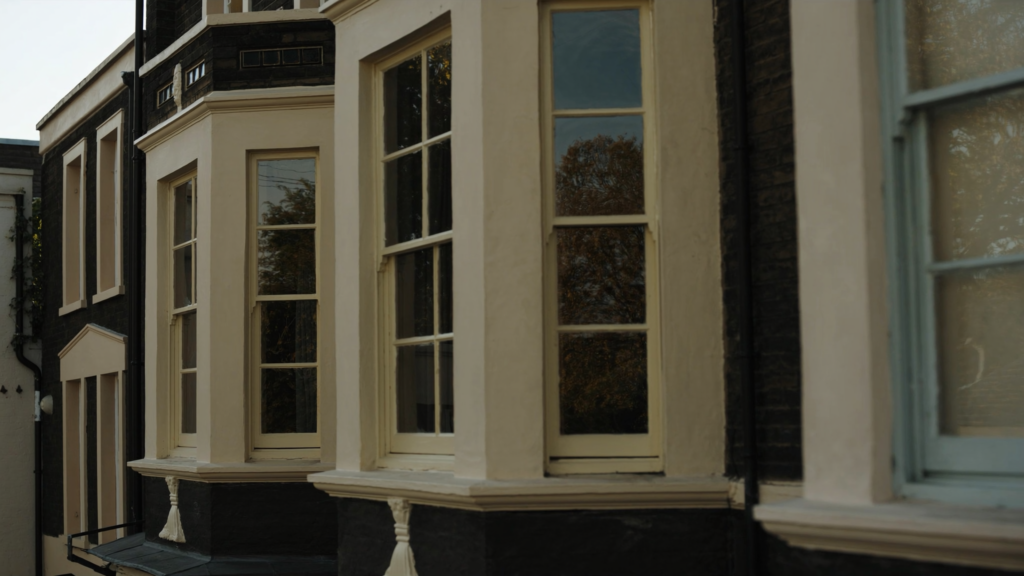
| Bay Window (uPVC, 3-panel) | Approx 2400mm wide | £1,200 – £2,000 | £1,200 – £2,000 per bay |
| Casement Window (Aluminium) | Standard 1200mm x 1050mm | £550 – £850 | £4,400 – £10,200 |
| Casement Window (Timber) | Standard 1200mm x 1050mm | £700 – £1,200 | £5,600 – £14,400 |
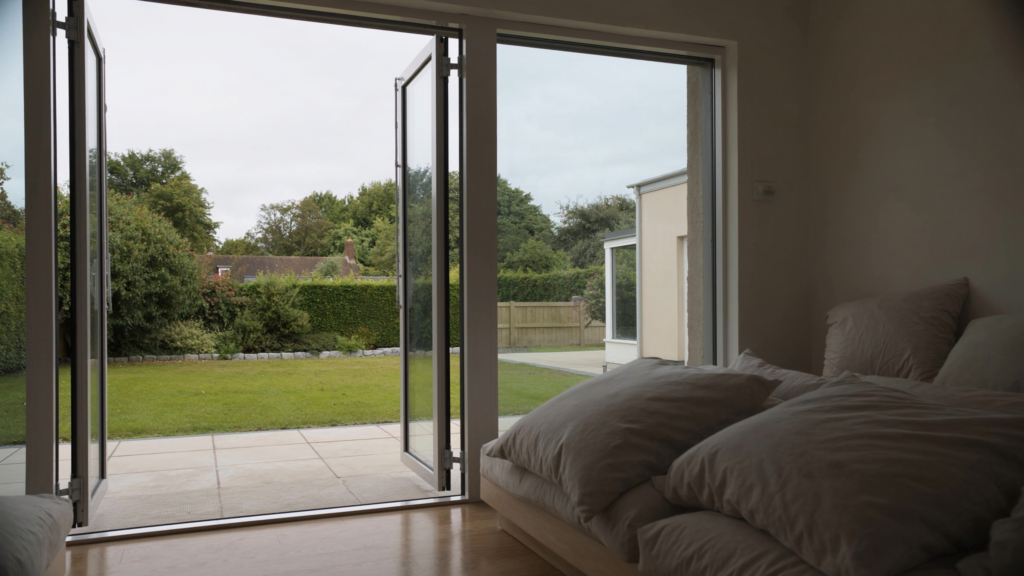
| French Doors (uPVC, Double) | Standard 1800mm wide | £1,000 – £1,800 | Per set |
| Patio/Sliding Doors (uPVC) | Standard 2400mm wide | £1,200 – £2,200 | Per set |
Factors That Affect the Final Price
- Frame material, uPVC is the most affordable, followed by aluminium, then timber. Timber-framed units may be required in conservation areas
- Glazing specification, standard A-rated double glazing, triple glazing (typically 15–25% more expensive), or acoustic glass for properties near the A607 or town centre
- Number of windows, most installers offer a per-unit discount when fitting a full house in one visit
- Access and installation complexity, first-floor windows above a conservatory or extension may require additional scaffolding
- Removal and disposal of old frames, usually included, but worth confirming in your quote
- Decorative features, Georgian bars, leaded lights, or coloured frames will add to the cost
Always obtain at least three written quotes from different installers. Be cautious of any company offering large discounts only valid on the day of the survey, a hallmark of high-pressure sales tactics still encountered in the glazing trade.
Types of Double Glazing Available
Modern double glazing is not a single product, there is a range of specifications and styles suited to different Melton Mowbray homes and budgets.
Standard A-Rated Double Glazing
The baseline product recommended for most homes in Melton Mowbray is A-rated double glazing with a low-emissivity (low-E) coating on the inner pane and argon gas fill between the panes. This achieves a U-value (the measure of heat loss) of around 1.2–1.4 W/m²K, compared to approximately 5.0 W/m²K for single glazing. This is the most popular choice for semi-detached and detached homes on the town’s residential estates.
Triple Glazing
Triple glazing adds a third pane of glass and a second sealed cavity, typically achieving U-values of 0.6–0.8 W/m²K. It is worth considering for properties with large north-facing windows, homes in exposed positions on the outskirts of Melton Mowbray, or anyone aiming for a high EPC rating such as Band B or above. The additional cost of around 15–25% over standard double glazing should be weighed against the marginal extra savings, which in most existing homes take many years to recover.
Acoustic Double Glazing
Homes near the A607 Leicester Road, the railway line, or the busy town centre market area may benefit from acoustic laminated glass, which significantly reduces external noise penetration. This is a specialist product and not always necessary, but it is worth discussing with your installer if road noise is a concern.
Frame Materials
uPVC remains the dominant choice for value, low maintenance, and thermal performance. Aluminium frames offer a slimmer profile and a more contemporary aesthetic, popular on newer detached properties. Timber frames, while more expensive and requiring periodic maintenance, are the appropriate choice for Listed Buildings and some properties within Melton Mowbray’s conservation area, where planners may require materials to match the original character of the building.
What to Look for in a Melton Mowbray Double Glazing Installer
Choosing the right installer is as important as choosing the right product. The glazing industry has historically attracted a small number of unreliable operators, so knowing what to look for will protect you and your investment.
FENSA Registration
In England and Wales, replacement windows and doors are classified as controlled work under Building Regulations. Your installer must either be registered with FENSA (the Fenestration Self-Assessment Scheme) or another government-approved competent person scheme such as Certass. A FENSA-registered installer can self-certify their own work and issue you with a compliance certificate, without this certificate, you may face difficulties when selling your home. Always verify an installer’s registration directly on the FENSA website before committing.
TrustMark Accreditation
TrustMark is a government-endorsed quality scheme covering a wide range of home improvement trades. TrustMark-registered installers have been vetted for technical competency, customer service standards, and trading practices. If you are using any government grant funding (see below), your installer will typically need to hold TrustMark registration as a condition of the grant.
Insurance-Backed Guarantees
Most reputable installers offer a 10-year guarantee on their workmanship and products. Make sure any guarantee is backed by an independent insurance policy, this protects you if the company ceases trading before the guarantee period expires.
Questions Worth Asking
- Are you FENSA-registered and can you provide a compliance certificate on completion?
- What U-value will the finished installation achieve, and what energy rating will the windows carry?
- Is your workmanship guarantee insurance-backed, and with which provider?
- Will you remove and dispose of all existing frames and glazing?
- Do you carry public liability insurance, and what is the level of cover?
- Can you provide references from recent installations in Melton Mowbray or the surrounding area?
Government Grants and Funding for Double Glazing in 2026
Double glazing is not as prominently supported by grant funding as insulation or heat pumps, but there are genuine funding routes available to eligible Melton Mowbray households in 2026.
ECO4 Scheme
The Energy Company Obligation (ECO4) scheme, administered by Ofgem and delivered through the major energy suppliers, funds energy efficiency improvements for low-income and vulnerable households. Double glazing is eligible under ECO4 where it forms part of a wider package of improvements. Eligibility is linked to receipt of means-tested benefits such as Universal Credit, Pension Credit, or Income Support. Households in Melton Mowbray meeting the criteria can apply through their energy supplier or through a local ECO4 broker. The scheme is expected to run until March 2026, with successor arrangements likely to continue under a revised programme.
Great British Insulation Scheme (GBIS)
The Great British Insulation Scheme closed on 31 March 2026. It funded insulation measures only and never covered windows or glazing. Given that Melton Mowbray’s average EPC sits at Band D, a substantial number of homes in the town may qualify. The Great British Insulation Scheme closed on 31 March 2026. It funded insulation measures only and never covered windows or glazing. Contact your energy supplier or a TrustMark-registered assessor to establish whether your home qualifies.
Local Authority Support
Melton Borough Council periodically runs or participates in Midlands-wide retrofit and energy efficiency programmes, sometimes in partnership with the East Midlands Combined County Authority. It is worth contacting the council’s housing team or checking the council website for any current schemes targeting energy efficiency in private homes. Some schemes offer interest-free or low-interest loans rather than outright grants, which can still make a meaningful difference to upfront costs.
Boiler Upgrade Scheme and Windows
The Boiler Upgrade Scheme (BUS) funds heat pump installations, not glazing directly. However, if you are planning a heat pump alongside new windows, improving the building envelope first will reduce the size of heat pump required and improve its efficiency, so the two investments are complementary.
How Double Glazing Affects Your EPC Rating
With the average Melton Mowbray home sitting at EPC Band D, many homeowners are looking at ways to push their rating into Band C, a threshold that is increasingly relevant both for mortgage lenders (some now offer preferential rates for Band C properties and above) and for future-proofing against anticipated minimum energy efficiency standards for rented properties.
Replacing single glazing with A-rated double glazing can improve an EPC score by approximately 4–8 points depending on the proportion of the building’s heat loss attributable to windows. In practice, this is often enough to move a low Band D property into mid or high Band D, and when combined with other measures such as loft insulation or a more efficient boiler, can contribute to achieving Band C.
Replacing old (pre-2002) double glazing with modern A-rated units typically adds 2–4 points to an EPC score, as the improvement in U-value, while less dramatic than replacing single glazing, is still meaningful. An EPC assessor can model the expected improvement for your specific property before you commit to the work, which is a useful exercise particularly if you are targeting a specific band for mortgage or grant purposes.
In terms of property value, research by energy efficiency bodies and estate agents consistently shows that homes in Melton Mowbray and comparable Leicestershire market towns command a premium for higher EPC ratings. A move from Band D to Band C is associated with a property value increase of approximately 3–5% in the East Midlands market, which on a typical semi-detached property in Melton Mowbray at current values is a meaningful sum.
Planning Considerations for Melton Mowbray
Most straightforward window replacements in Melton Mowbray do not require planning permission, as they fall under permitted development rights. However, there are important local exceptions that homeowners must be aware of.
Conservation Areas
Melton Mowbray town centre has a designated conservation area covering much of the historic core around the Church of St Mary and the market place. Properties within this area are subject to additional planning controls. In particular, replacing windows with new units of a materially different appearance, for example, installing white uPVC casements in a building that originally had timber sash windows, may require planning consent. Melton