Overview of Double Glazing in Mansfield
Mansfield homeowners who upgrade from single glazing to modern double glazing can expect to reduce their annual heat loss through windows by up to 50%. That makes it one of the most cost-effective home improvements available in this part of Nottinghamshire. With a population of around 77,000 and a housing stock dominated by older terraced and semi-detached properties, Mansfield faces a very specific set of challenges for energy efficiency. Many homes in areas such as Berry Hill, Forest Town, and Woodhouse were built during the early-to-mid twentieth century, and a large proportion still retain either original single-glazed timber frames or early-generation double glazing that no longer meets modern performance standards.
Mansfield sits in the Amber Valley corridor of the East Midlands, where average EPC ratings remain at Band E, well below the national target of Band C by 2035. Double glazing is widely regarded by the Energy Saving Trust as one of the most accessible and impactful first steps any homeowner can take toward improving their property’s energy performance. For Mansfield residents already paying above-average energy bills due to older, less efficient homes, the case for upgrading windows has rarely been stronger than it is in 2026.
Why Mansfield Homeowners Choose Double Glazing
The East Midlands Climate and Why It Matters
The East Midlands experiences some of the coldest average winter temperatures in England outside of the north, with Nottinghamshire regularly recording overnight lows between -3°C and -6°C during January and February. Mansfield itself, sitting at a higher elevation than Nottingham city centre, can experience sharper wind exposure and slightly more frost days per year. For homes with poor window insulation, this translates directly into higher heating bills and cold spots near windows that make living spaces uncomfortable for much of the year.
Draughts are a particular problem in Mansfield’s older terraced streets. Victorian and Edwardian terraces, common throughout the town centre and districts like Pleasley Road and Stockwell Gate, were built without cavity walls in many cases, meaning windows play an even more critical role in the overall thermal envelope of the home. Upgrading to modern double glazing with low-emissivity (low-E) glass and warm-edge spacer bars directly addresses this vulnerability.
Local Housing Stock and Its Specific Challenges
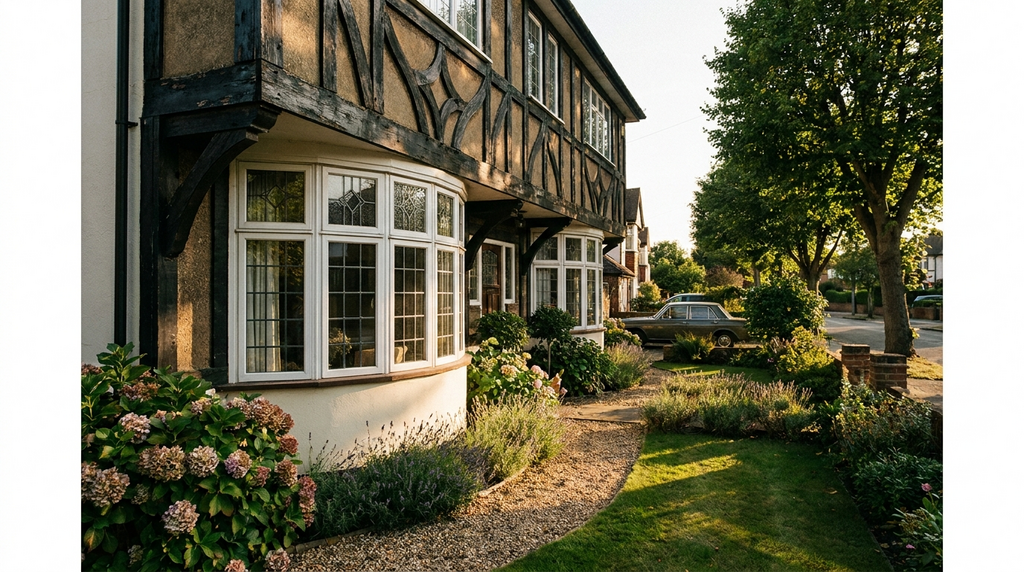
The majority of homes in Mansfield are terraced or semi-detached, with a significant proportion built before 1940. These properties often feature non-standard window openings, irregular brick reveals, and timber frames that have warped or settled over decades. This means off-the-shelf window units are rarely sufficient, most Mansfield installations require made-to-measure frames, which can affect pricing and lead times compared to newer estates elsewhere in Nottinghamshire.
Semi-detached homes in areas such as Clipstone and Kirkby Road estates, many built between the 1950s and 1970s, tend to have slightly more standard opening sizes but often feature aluminium or early-generation uPVC frames that have become brittle, discoloured, or lost their thermal seal. Replacing these with modern A-rated or A+-rated double glazing brings both visual and thermal improvements that have a tangible impact on monthly fuel costs.
2026 Costs for Double Glazing in Mansfield
What to Expect to Pay in the East Midlands
Prices for double glazing in Mansfield are broadly in line with the East Midlands regional average, sitting slightly below London and the South East but above some rural areas. Lead times have stabilised since the supply chain disruptions of recent years, and most reputable local installers are able to complete a standard house within four to six weeks of survey.
| Window Type | Typical Unit Size | Estimated Cost Per Window (Supplied and Fitted) | Full House Estimate (6–8 Windows) |
|---|---|---|---|
| Standard uPVC Casement (White) | 1200mm x 1050mm | £350 – £550 | £2,100 – £4,400 |
| Coloured or Woodgrain uPVC Casement | 1200mm x 1050mm | £450 – £700 | £2,700 – £5,600 |
| Aluminium Casement (Slim Frame) | 1200mm x 1050mm | £600 – £950 | £3,600 – £7,600 |
| Timber-Effect uPVC Sash | 900mm x 1500mm | £700 – £1,100 | £4,200 – £8,800 |
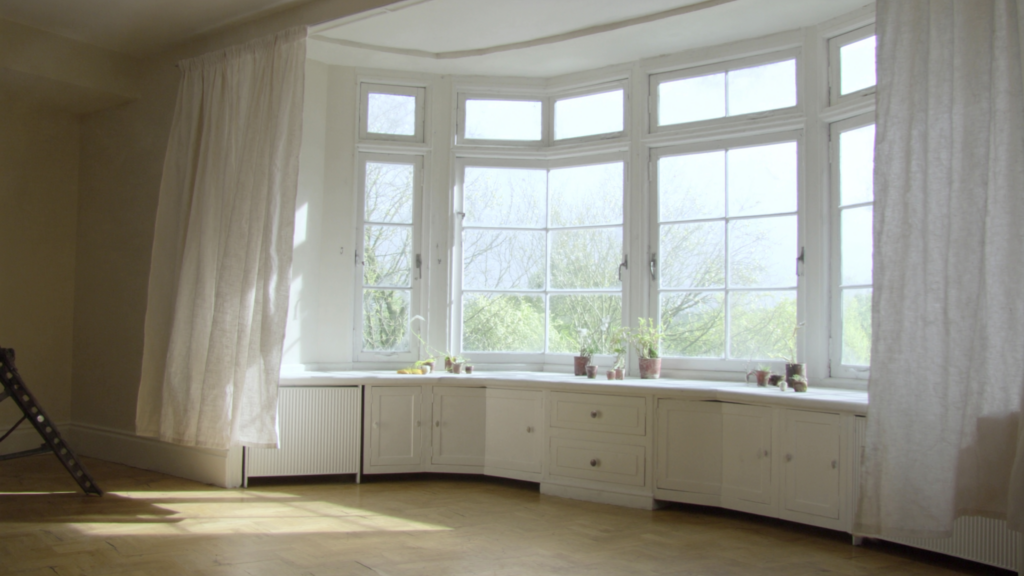
| Bay Window (Three-Panel uPVC) | Approx 2400mm wide | £1,200 – £2,200 | Single unit price |
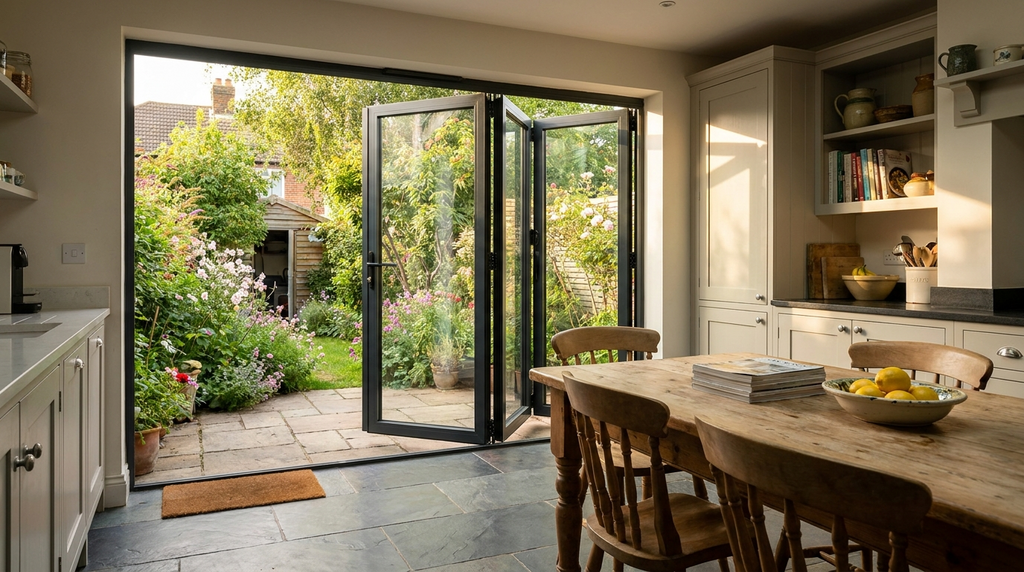
| uPVC French or Patio Doors (Double Glazed) | 1800mm x 2100mm | £900 – £1,600 | Single unit price |
Factors That Affect Your Final Quote in Mansfield
- Non-standard opening sizes, older terraced homes in Mansfield often have irregular openings requiring bespoke manufacturing, adding 10–20% to base prices
- Frame material choice, uPVC remains the most affordable option, while aluminium and timber frames carry a significant premium
- Glass specification, standard double glazing differs from units with argon gas fill, warm-edge spacer bars, or acoustic laminate, each adding cost but also value
- Access and scaffolding, upper-storey windows on some of Mansfield’s steeper-street Victorian terraces may require additional access equipment
- Removal and disposal of old frames, most reputable installers include this, but always confirm before signing
- Number of windows ordered, ordering a full house in one installation will almost always be cheaper per unit than replacing windows piecemeal
Types of Double Glazing Available
uPVC, the Most Popular Choice in Mansfield
uPVC (unplasticised polyvinyl chloride) frames account for the vast majority of double glazing installations across Mansfield and the wider Nottinghamshire area. They are low maintenance, thermally efficient, and available in a wide range of colours including woodgrain finishes that suit older properties. Modern uPVC profiles from reputable manufacturers achieve U-values of 1.2 W/m²K or better, comfortably meeting the current Building Regulations Part L requirement of 1.4 W/m²K for replacement windows.
Aluminium Frames
Aluminium double glazing is growing in popularity for Mansfield’s new-build plots in areas like Bellway’s Oakfields development and among homeowners undertaking full modernisation projects. Slim sightlines give a contemporary look, and thermally broken aluminium systems now achieve U-values comparable to uPVC. However, the cost premium is significant, typically 40–60% above equivalent uPVC units.
Timber Frames
For homes in Mansfield’s conservation areas or where planners require a sympathetic finish, engineered timber double glazing is the preferred option. Hardwood and softwood double-glazed units can be painted or stained to match period aesthetics and, when properly maintained, have a lifespan exceeding 30 years. Costs are the highest of the three main frame types.
Glass Specifications Worth Knowing
- Low-E glass, a microscopically thin metallic coating reflects heat back into the room, improving winter warmth significantly
- Argon gas fill, replacing air in the cavity with argon gas reduces thermal conductivity and is now standard in most quality units
- Warm-edge spacer bars, replacing traditional aluminium spacers reduces cold-edge condensation and improves the overall U-value of the unit
- Acoustic glass, useful for Mansfield homes near the A60, A617, or the town centre ring road, where road noise is a concern
- Window Energy Ratings (WER), look for BFRC-rated units; A++ is the highest rating, with A or above recommended as a minimum for new installations in 2026
What to Look for in a Mansfield Double Glazing Installer
Key Accreditations and Why They Matter
FENSA (Fenestration Self-Assessment Scheme) is the most important accreditation to look for when choosing a double glazing installer in Mansfield. Under UK Building Regulations, replacement windows must meet thermal performance standards and the work must be certified. A FENSA-registered installer self-certifies their own work, meaning you avoid the cost and delay of applying for building control approval separately. Always ask your installer for their FENSA registration number and verify it on the FENSA website before any work begins.
CERTASS is an equally valid alternative registration scheme that some smaller Mansfield and Nottinghamshire installers use instead of FENSA. Both schemes provide a guarantee certificate that is essential when you come to sell your home, solicitors will request it as standard.
TrustMark is a government-endorsed quality scheme covering a broad range of trades. Double glazing installers registered with TrustMark have been independently vetted for trading standards, technical competence, and customer service. For Mansfield homeowners wanting additional peace of mind, a TrustMark-registered installer provides an extra layer of protection.
Questions to Ask Before You Sign
- Are you FENSA or CERTASS registered, and will you provide a certificate on completion?
- What is the U-value and Window Energy Rating of the units you are proposing?
- Do your installations comply with current Part L Building Regulations?
- What guarantee do you offer on frames, glass units, and installation workmanship?
- Are you a member of the Glass and Glazing Federation (GGF)?
- Do you carry public liability insurance, and can I see proof?
- Is the removal and disposal of old frames included in the quoted price?
Government Grants and Funding for Double Glazing in 2026
ECO4, Energy Company Obligation
The ECO4 scheme, administered by Ofgem and delivered through energy suppliers, remains one of the most accessible routes to funded double glazing for eligible Mansfield households in 2026. ECO4 targets low-income and fuel-poor homes and can fund window upgrades as part of a wider package of energy efficiency measures. To qualify, your household typically needs to be in receipt of a qualifying means-tested benefit such as Universal Credit, Pension Credit, or Child Tax Credit, and your property generally needs to have an EPC rating of D or below, which applies to a significant proportion of Mansfield’s Band E-rated housing stock. Contact your energy supplier directly or use the government’s Simple Energy Advice service to begin an eligibility check.
Great British Insulation Scheme (GBIS)
The Great British Insulation Scheme closed on 31 March 2026. It funded insulation measures only and never covered windows or glazing. The Great British Insulation Scheme closed on 31 March 2026. It funded insulation measures only and never covered windows or glazing. Window upgrades can sometimes be included alongside other insulation measures under this scheme.
Mansfield District Council Support
Mansfield District Council has historically signposted residents toward the Midlands Net Zero Hub and Nottinghamshire’s Warm Homes programme for energy efficiency assistance. In 2026, homeowners should check directly with the council’s housing team and the Nottinghamshire County Council energy advice service for any locally administered top-up grants or referral programmes that may supplement national schemes. The council website and the Nottinghamshire Energy Partnership are the most reliable first ports of call for current local funding information.
Warm Home Discount and Broader Financial Support
While the Warm Home Discount itself does not fund physical improvements, eligible Mansfield households receiving it are often also eligible for ECO4 assistance. The two programmes can effectively be used in combination, the discount reduces immediate bills while grant-funded glazing reduces long-term energy consumption.
How Double Glazing Affects Your EPC Rating
For Mansfield homes currently sitting at EPC Band E, the town’s average, replacing single glazing or failed early-generation double glazing with modern A-rated units can contribute meaningfully toward moving a property up to Band D or even Band C, depending on the overall improvement package. EPC assessors evaluate windows based on their U-value, the proportion of glazed area relative to total floor area, and the frame material. Upgrading to double glazing with a U-value of 1.2 W/m²K from single glazing at around 5.0 W/m²K is one of the most significant individual improvements an assessor can record.
In practical terms, a typical Mansfield semi-detached property at Band E with single glazing throughout might move to Band D following a full double glazing installation. Adding further measures such as loft insulation, cavity wall insulation, and an upgraded boiler can then push the property to Band C, the threshold that is increasingly relevant for mortgage affordability, rental licensing, and future resale value in Nottinghamshire.
From a property value perspective, research by the Energy Saving Trust and various estate agent surveys consistently shows that homes with EPC ratings of C or above command a premium over Band E equivalents. In Mansfield’s current property market, moving from E to D or C through energy upgrades including double glazing can add between 3% and 8% to the estimated market value of a typical semi-detached or terraced home.
Planning Considerations for Mansfield
When You Do Not Need Planning Permission
In the majority of cases, replacing windows with double glazing in Mansfield does not require planning permission, as it falls under Permitted Development Rights. This applies to most standard terraced and semi-detached homes across areas such as Berry Hill, Forest Town, and the Bellway and Persimmon estates on the town’s outskirts, provided the replacement windows use similar materials and styles to the originals.
Conservation Areas and Listed Buildings
Mansfield does have designated conservation areas, including parts of the historic town centre around Church Street, Westgate, and St Peter’s Church. Properties within these areas are subject to additional restrictions and homeowners must apply to Mansfield District Council for planning permission before replacing windows, even under what would otherwise be Permitted Development. The council’s planning department will typically require that replacement windows match the original character of the building, which often means timber sash or casement styles rather than uPVC, and may restrict the introduction of glazing bars or certain frame colours.
Listed buildings, of which Mansfield has a number, including several on West Gate and in the town centre, require Listed Building Consent for any changes to windows, regardless of the extent of work. This is a separate application from standard planning permission and carries its own considerations around materials and reversibility. If your home is listed, always consult