Why Gloucester Homeowners Are Looking at Double Glazing Right Now
There’s a quiet revolution happening across Gloucester’s housing stock, and it’s not hard to understand why. With the city sitting at an average EPC Band D, a huge proportion of homes, particularly the Victorian and Edwardian terraces across Kingsholm, Barton, and Westgate, are leaking heat through single-glazed or outdated windows every single day. Energy bills have pushed double glazing from a “nice to have” into a genuine financial priority for most families here.
Gloucester’s position in the Severn Vale also plays a role. The River Severn brings moisture-laden air and the occasional fierce westerly, and older sash windows in the city’s historic streets simply weren’t designed for 21st-century energy prices. Add in the fact that Gloucester City Council has been increasingly active around retrofit and sustainability targets, and the timing for upgrading your windows has rarely made more sense.
There’s also a supply-side reason to act now. Gloucester sits at a convenient hub for installers covering Cheltenham, Stroud, Cirencester, and Upton upon Severn. Competition between these local firms has kept prices more competitive here than in more rural parts of Gloucestershire, and you have genuine choice for getting multiple quotes.
What Double Glazing Actually Involves for a Typical Gloucester Home
Let’s be practical about what this looks like in your street. The most common property types in Gloucester are terraced and semi-detached homes, and many of these were built during three distinct eras, the Victorian and Edwardian period (roughly 1880–1914), the interwar social housing expansion of the 1930s, and the post-war council builds across estates like Matson, Tuffley, and Podsmead from the 1950s through to the 1970s.
Each era brings its own quirks. Victorian and Edwardian terraces in areas like Kingsholm and Barton typically have narrower frames and larger sash or casement windows, which means measuring matters enormously, a standard off-the-shelf unit won’t always fit without some structural adjustment. Interwar homes often have more standardised openings, making them easier to retrofit. Post-war builds can present a different challenge altogether, with steel-framed windows that require specialist removal and exact-match replacements.
Practical Challenges You Might Encounter
- Access on narrow terraced streets, in areas like the city centre or Westgate, parking a van and manoeuvring large window units can add time and cost to your job
- Older masonry, Gloucester’s mix of red brick and Cotswold stone properties can make drilling and sealing more complex than a modern cavity-wall build
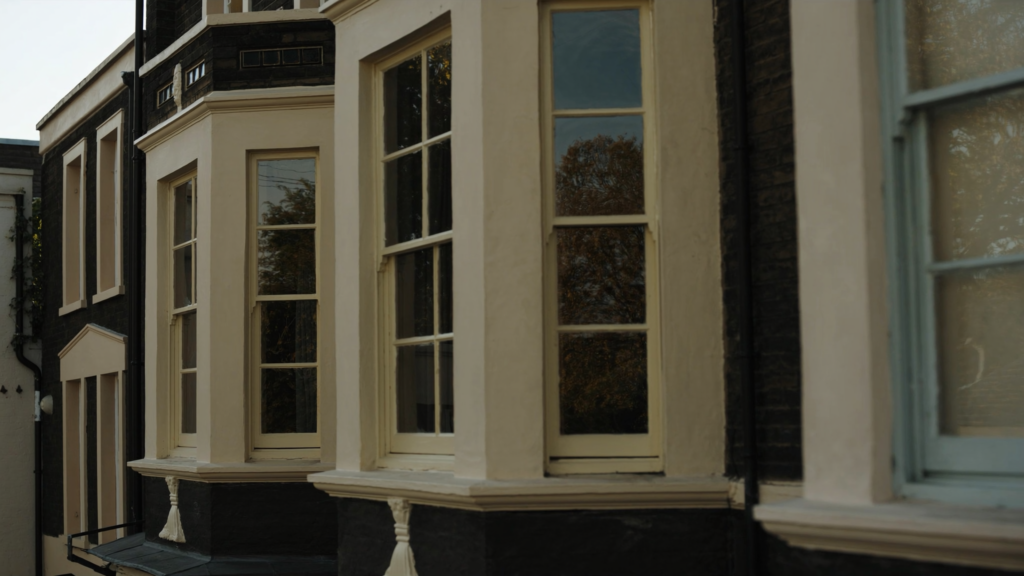
- Flush sash requirements, many period properties look wrong with modern casement windows; a specialist tilt-and-turn or heritage sash double-glazed unit is the right choice aesthetically and practically
- Damp and condensation issues, homes near the Severn flood plain in areas like Westgate and Kingsholm sometimes have underlying moisture issues that must be resolved before new glazing is installed, otherwise you’ll get condensation between the panes within months
- Conservation area overlays, discussed in detail below, but worth knowing upfront that several Gloucester streets require specific window styles
The good news for Gloucester homeowners is that most modern installers working in this area are well-versed in these challenges. They cover Gloucester, Cheltenham, and Stroud as a cluster, so they encounter Victorian and Georgian properties every week. You’re not asking them to do something unusual.
How Much Double Glazing Costs in Gloucester and the South West Area in 2026
Let’s talk real numbers. Gloucester sits in a comfortable middle ground for installation costs, labour rates here are lower than in Bristol or Bath, but you’re not paying the premium you might in London. The South West average for double glazing installation runs slightly above the national UK average due to the prevalence of older property types, but Gloucester specifically benefits from strong installer competition across its catchment.
| Window Type and Scope | Gloucester Estimate (2026) | South West Average | UK National Average |
|---|---|---|---|
| Single casement (uPVC, standard size) | £350 – £550 | £380 – £600 | £300 – £500 |
| Full house uPVC (3-bed terraced, 8–10 windows) | £3,800 – £5,500 | £4,000 – £6,000 | £3,500 – £5,200 |
| Full house uPVC (3-bed semi-detached, 10–12 windows) | £4,500 – £6,500 | £4,800 – £7,000 | £4,200 – £6,200 |
| Heritage sash double-glazed unit (per window) | £700 – £1,100 | £750 – £1,200 | £650 – £1,000 |
| Full house aluminium frames (3-bed semi) | £7,000 – £11,000 | £7,500 – £12,000 | £6,500 – £10,500 |
| Bay window (uPVC, Victorian-style) | £900 – £1,600 | £950 – £1,700 | £800 – £1,500 |
| Triple glazing upgrade (per window, vs double) | +£150 – £250 per unit | +£150 – £300 per unit | +£120 – £250 per unit |
What pushes costs up in Gloucester specifically includes parking restrictions near city-centre terraces (some installers charge a small access surcharge), properties near the flood plain that may need sill and lintel inspection, and conservation area requirements that mandate specific frame styles. Moving away from standard white uPVC to a woodgrain finish or heritage colour adds roughly 10–15% to the unit cost.
Compared to neighbouring Cheltenham (where prices run about 5–8% higher due to the greater concentration of listed and conservation-area properties), Gloucester generally offers better value. Stroud and Cirencester installers will often travel to cover Gloucester jobs, increasing your bargaining power when getting quotes.
How Gloucester’s Weather and Location Affect Your Double Glazing Choices
Gloucester’s climate is genuinely more favourable than most UK cities for energy efficiency gains from glazing. You’re sitting in southern England with 1,200–1,500 heating degree days per year, that’s milder than, say, Manchester or Newcastle, which means the absolute heating savings from double glazing are more modest than they’d be further north. But that’s only half the story.
The Severn Vale brings humidity. Moisture-laden westerly air rolling in off the estuary and through the Vale means condensation, damp frames, and failing window seals are genuinely more common here than in drier, more easterly parts of England. If your current double glazing is more than 15 years old and you’re noticing misting between the panes, that’s the local climate accelerating seal failure. Modern argon-filled units with warm-edge spacers are specifically better equipped to handle this moisture cycle.
Rainfall of 700–1,000mm per year also means water ingress around poorly installed frames is a real risk. This makes installation quality, specifically how the frame is sealed against the masonry, more important in Gloucester than in drier regions. Always check that your installer uses appropriate low-expansion foam and silicone rated for exposed conditions.
The Solar Angle Most Gloucester Homeowners Miss
Here’s something worth paying attention to. The South West enjoys the best solar irradiance in the UK at 1,100–1,200 kWh per square metre per year. For double glazing, this means south-facing windows are a genuine asset for passive solar gain in winter. Choosing a glass with a higher solar factor (g-value) on south-facing aspects, typically 0.5 or above, can meaningfully offset your heating costs by letting warmth in on clear winter days.
North-facing windows, by contrast, should prioritise low U-values (heat retention) over solar gain. A reputable Gloucester installer should be offering you different glass specifications for different aspects of your home, not a one-size-fits-all product. If they’re not asking which way your rooms face, that’s a red flag.
The Products and Options That Actually Work Best Here
Given Gloucester’s housing stock and climate, here’s an honest expert view on what performs well, not a brochure, but genuine recommendations.
For Victorian and Edwardian Terraces (Kingsholm, Barton, Westgate)
Slimline double-glazed heritage sash units in timber or high-quality composite frames. These give you the period look required in many of Gloucester’s older streets, with a U-value of around 1.4–1.6 W/m²K, a massive improvement on original single glazing. Don’t be tempted by cheap uPVC sashes; they look out of place and can actually devalue period properties.
For 1930s–1950s Semi-Detached Homes (Tuffley, Quedgeley, Hucclecote)
Standard uPVC casement windows with A-rated double glazing (U-value 1.2–1.4 W/m²K) are ideal here. The frame openings are more regular, costs are lower, and white uPVC suits the architectural style of these homes without looking wrong. For these properties, consider upgrading to triple glazing on north-facing bedrooms if your budget allows, the incremental cost is modest and comfort improvement is noticeable.
For Post-War and More Recent Estates (Matson, Podsmead, Abbeydale)
Many of these homes already have first-generation double glazing from the 1990s or early 2000s. Replacing with modern A++ rated units (U-value below 1.1 W/m²K) with warm-edge spacer bars and argon fill will deliver a genuine step-change in performance. Look for BFRC Window Energy Ratings of A or above as a minimum standard.
Key Specifications to Request
- U-value, aim for 1.2 W/m²K or better; below 1.0 for triple glazing
- Gas fill, argon as standard; krypton for slimmer or heritage units
- Warm-edge spacer bars, reduces cold-edge condensation, important in Gloucester’s damp climate
- Low-E glass coating, reflects heat back into the room; standard on quality units
- BFRC Window Energy Rating, ask for band A minimum
How to Find a Trustworthy Double Glazing Installer Near Gloucester
Gloucester is genuinely well-served for installers. The cluster of towns in this part of Gloucestershire, Gloucester, Cheltenham, Stroud, and Cirencester, supports a healthy number of FENSA-registered companies operating across the area. Most established installers here cover a 20–30 mile radius, so you have real choice.
Certifications That Matter
- FENSA registration, this is the essential one for double glazing in England. FENSA installers self-certify that work meets Building Regulations, and they handle the paperwork. Without this, you’ll need to apply for a building regulations certificate separately, which is an additional cost and hassle when you come to sell your home
- TrustMark accreditation, Government-endorsed quality mark; worth prioritising for any installer you’re considering
- CERTASS membership, an alternative competent person scheme to FENSA; equally valid
- Which? Trusted Trader, useful for reading verified local reviews from Gloucester and surrounding area customers
Questions Worth Asking Before You Sign Anything
- Are you FENSA or CERTASS registered, and will you provide the certificate on completion
- What is the U-value and BFRC rating of the windows you’re quoting
- How do you handle the masonry seal, what products and methods do you use
- What is your warranty on frames, glass units, and installation workmanship separately
- Can you provide references from jobs completed in Gloucester specifically in the last 12 months
Red Flags to Watch For
Be cautious of any company that quotes over the phone without a home survey, offers a “today only” discount, or cannot provide a FENSA registration number before you sign. Lead times from reputable Gloucester installers currently run 4–8 weeks for standard orders; anything shorter may indicate they’re using stock units rather than made-to-measure windows.
Grants and Funding That Could Reduce Your Costs in 2026
The funding landscape for double glazing specifically is more limited than for insulation or heat pumps, but there are still genuine routes to financial support for Gloucester homeowners worth knowing about.
ECO4 (Energy Company Obligation)
If your household income is below roughly £31,000 per year or you receive certain means-tested benefits (Universal Credit, Pension Credit, Housing Benefit), you may qualify for ECO4 funding. This scheme, funded by the large energy suppliers, can cover double glazing as part of a whole-home energy efficiency package. Gloucester City Council works with registered local assessors who can check your eligibility. The key point is that glazing under ECO4 is almost always funded alongside other measures like loft insulation or heating upgrades, not as a standalone installation.
Great British Insulation Scheme (GBIS)
The Great British Insulation Scheme closed on 31 March 2026. It funded insulation measures only and never covered windows or glazing. Given that the average Gloucester home sits at Band D, many properties qualify automatically for assessment. Funding tends to prioritise insulation measures but can contribute to window upgrades where they form part of the thermal envelope improvement.
Warm Homes – Local Grant
This is the scheme most relevant to Gloucester residents in 2026. Administered via local authorities, Gloucester City Council is actively involved in directing funding from the Warm Homes Local Grant to households with EPC ratings of Band D or below. Owner-occupiers and private renters (with landlord consent) can access grants for energy efficiency measures including glazing. Check the Gloucester City Council website directly for current application windows, funding allocations are updated quarterly and can run out quickly.
What You Are Unlikely to Get
The Boiler Upgrade