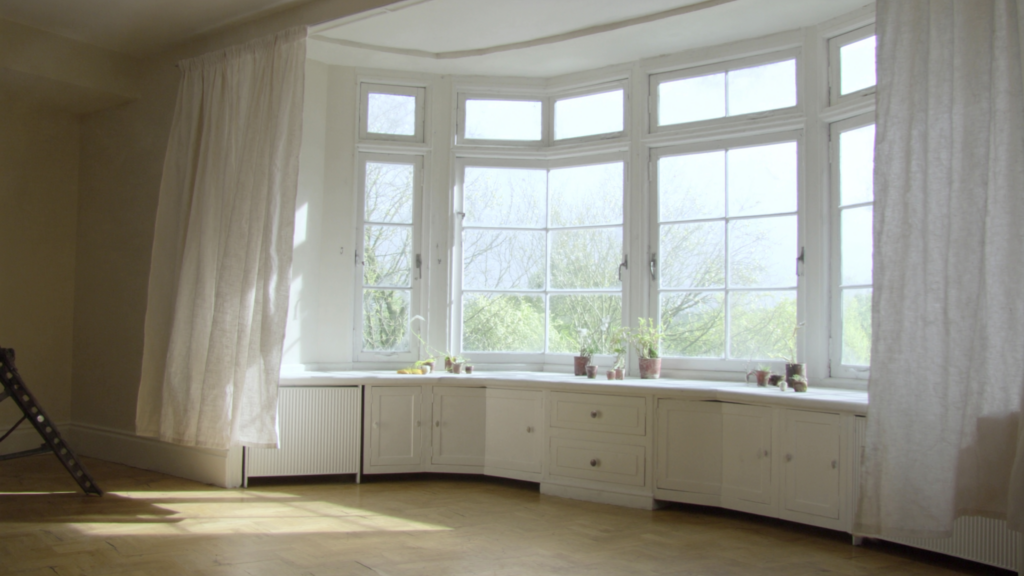
Why Monmouth Homeowners Are Looking at Double Glazing Right Now
There’s something of a quiet revolution happening in Monmouth’s older streets. If you’re on Wonastow Road, tucked into one of the stone-built terraces near the town centre, or in a detached family home out towards Dixton, more and more residents are booking double glazing assessments, and it’s not hard to see why.
Monmouth sits at an awkward crossroads in terms of housing age. A significant chunk of the town’s properties were built before modern insulation standards existed, many in the Victorian and Edwardian eras, with others dating from the post-war boom of the 1950s and 60s. These homes were built with single glazing as standard, and while they’re characterful and solid, they leak heat in a way that modern windows simply don’t. Combine that with an average EPC rating of Band D across the town, meaning there’s real, measurable room for improvement, and double glazing becomes one of the most straightforward upgrades available.
The Welsh Government’s Net Zero Wales targets are also nudging things along. If you’re thinking about selling in the next few years, EPC ratings are increasingly under the spotlight, and double glazing is one of the most visible and verifiable upgrades a buyer can see. In a town this size, word travels fast, and when neighbours start reporting lower bills and quieter rooms, it creates genuine local momentum.
What Double Glazing Actually Involves for a Typical Monmouth Home
Most Monmouth homes fall into the detached or semi-detached category, which is actually good news for double glazing installation. You typically have better access around the property compared to terraced housing, and parking for installer vans is usually easier, no mean feat when you consider that some of Monmouth’s narrower streets near Agincourt Square can be a logistical headache for larger vehicles.
For detached homes, a full house replacement usually means between 8 and 14 window openings plus one or two external doors. Semi-detached properties typically need 6 to 10 windows. The practical process involves a survey visit, an order period of around 4 to 6 weeks (frames are manufactured to measure, not off-the-shelf), and then a one or two-day installation for most homes.
Here’s what’s specific to Monmouth’s housing stock that you need to know before booking anything:
- Older stone-built properties near the historic core sometimes have irregular window openings. Reveals, the depth of the wall around the window, can be unusually thick in stone construction, requiring custom-depth frames that cost more and take longer to fabricate.
- 1950s and 60s semi-detached homes (common in areas like Overmonnow and along the outskirts) often have standard softwood frames in reasonable condition, making like-for-like replacement more straightforward and slightly cheaper.
- Victorian bay windows add complexity, angled or curved sections require specialist fabrication and installation skill that not every company offers. Always ask specifically whether your installer has experience with bay windows before signing anything.
- Properties close to the River Monnow or Wye should think carefully about frame materials, more on this under product choices below.
One thing that genuinely sets Monmouth apart from a larger town is that you’ll likely be working with an installer who travels from Abergavenny, Hereford, Cwmbran, or occasionally as far as Newport. That’s not a problem in itself, but it does mean you’re relying on companies that serve a wide geographic patch, so availability and lead times can stretch in busy periods.
How Much Double Glazing Costs in Monmouth and the Wales Area in 2026
Let’s talk real numbers. Costs in Monmouth sit broadly in line with the Wales average, though you should budget a small premium, typically 5 to 8%, compared to larger towns like Cwmbran or Abergavenny, simply because installer travel time adds cost and local competition is thinner.
| Property Type and Scope | Estimated Cost (uPVC) | Estimated Cost (Aluminium) | Estimated Cost (Timber) |
|---|---|---|---|
| Small semi-detached (6 windows, 1 door) | £3,800 – £5,200 | £5,500 – £7,500 | £6,000 – £9,000 |
| Average semi-detached (8 windows, 1 door) | £4,800 – £6,500 | £7,000 – £9,500 | £8,000 – £12,000 |
| Average detached (10 windows, 2 doors) | £6,500 – £9,000 | £9,500 – £14,000 | £11,000 – £16,500 |
| Larger detached (12–14 windows, 2 doors) | £8,500 – £12,000 | £13,000 – £18,000 | £15,000 – £22,000 |
| Bay window addition (per bay) | £900 – £1,600 | £1,400 – £2,500 | £1,800 – £3,200 |
These figures assume standard A-rated double glazing with argon-filled units. Upgrading to triple glazing adds roughly 20 to 30% to the window cost but isn’t always necessary in Monmouth’s relatively mild climate (more on that below).
For context, the Wales national average for a full semi-detached replacement sits around £5,200 in uPVC. Monmouth homeowners should expect to be at the upper end of that range or slightly above it. Hereford-based companies quoting jobs in Monmouth will often add a travel premium of £150 to £300 per visit if they’re not running multiple jobs in the area on the same day.
Insider tip: if your street has several homes all eyeing up new windows, it’s genuinely worth having a conversation with neighbours about approaching the same company together. Installers will often cut their margin noticeably when they can run a van out for a cluster of jobs rather than one-offs.
How Monmouth’s Weather and Location Affect Your Double Glazing Choices
Monmouth sits in the Wye Valley, which gives it a surprisingly sheltered microclimate. You’re not dealing with the brutal coastal winds that batter places like Aberystwyth or Swansea, and winters here are measurably milder than upland Wales, typically 1,200 to 1,500 heating degree days per year, which is actually at the lower end of the Welsh average.
That has a direct practical impact on your double glazing decision. It means triple glazing, while genuinely beneficial in colder parts of Wales, is harder to justify on pure payback grounds in Monmouth. You’re not losing as much heat in the first place, so the marginal improvement of a third pane takes longer to recoup than in, say, Brecon or Rhayader. Standard A-rated double glazing with a 1.2 W/m²K U-value will serve most Monmouth homes very well.
However, there are some local factors that do push the needle in specific directions:
- Rainfall and damp, Monmouth receives between 700 and 900mm of rain annually, and properties close to the Monnow or Wye flood plain experience higher ambient humidity. This makes frame material choice genuinely important. uPVC handles moisture extremely well and won’t rot or swell. Timber frames can be beautiful but need more maintenance in damp conditions, factor in repainting every 5 to 7 years if you go that route.
- Solar gain, This is where Monmouth’s southerly position becomes an advantage. With 1,100 to 1,200 kWh/m² of solar irradiance per year, south and west-facing rooms can actually harvest useful passive heat through your windows in winter. Look for double glazed units with a higher Solar Heat Gain Coefficient (SHGC) on those elevations, ideally 0.4 or above, rather than low-emissivity glass that blocks solar energy.
- Noise, Monmouth town centre sees moderate traffic on Monnow Street and the A40 approach roads. If your home faces a busier road, acoustic laminated glass in your double glazed units makes a noticeable difference. Standard double glazing already reduces noise significantly, but acoustic variants take it further.
The Products and Options That Work Best Here
Based on Monmouth’s climate profile, property types, and the specific challenges of the Wye Valley setting, here’s what actually makes sense rather than what looks good in a brochure:
Frame Material
uPVC is the practical winner for most Monmouth homes. It handles the area’s moderate rainfall well, requires virtually no maintenance, and comes in a wide range of colours including woodgrain foils that can suit older properties without requiring planning permission (subject to conservation area rules, see below). For the stone-built and older Victorian properties near the town core, a woodgrain foil in Rosewood or Irish Oak is often the most sympathetic choice aesthetically.
Aluminium is worth considering for larger modern detached homes, particularly if you have wide picture windows or bifold-style doors. Aluminium’s thinner sightlines look better on contemporary properties and the frames are genuinely solid in wet conditions. Budget accordingly, it’s 40 to 60% more expensive than uPVC.
Glass Specification
Look for units specifying all of the following:
- Argon gas fill between panes (standard now but always confirm)
- Low-emissivity (Low-E) coating, warm-edge spacer bars are better than traditional aluminium spacer bars at reducing condensation on the inner frame
- A window energy rating of A or above (WER A+)
- U-value of 1.2 W/m²K or lower for the whole window unit
- On south and west elevations, avoid ultra-low SHGC glass, you want some solar gain in Monmouth’s reasonably sunny location
Door Choices
Composite doors have become the go-to choice across this part of Wales and for good reason, they combine a solid timber core with a GRP skin that doesn’t warp, fade, or require repainting. For a typical Monmouth semi-detached, a composite front door costs between £900 and £1,600 fully installed and adds genuine security alongside thermal performance.
How to Find a Trustworthy Double Glazing Installer Near Monmouth
Finding a reliable installer in a town of just over 10,000 people requires a bit more legwork than it would in Cardiff or Swansea, because there simply aren’t as many local companies to choose from. You’re realistically drawing from a pool of companies based in Abergavenny, Hereford, Cwmbran, and occasionally Crickhowell or Ross-on-Wye.
Here’s what to look for and insist on:
- FENSA registration, this is the key one for windows. FENSA-registered installers can self-certify that their work complies with Building Regulations, saving you the cost of a separate building inspector. Always check the FENSA register online before agreeing to anything.
- TrustMark accreditation, this government-endorsed quality scheme covers installation standards and dispute resolution. It’s a good additional layer of confidence.
- CERTASS, an alternative to FENSA that carries the same legal weight. Either is acceptable.
- Written ten-year guarantee on both frames and sealed glass units. Ask specifically who backs the guarantee, if it’s an insured-backed guarantee through a third party, it survives if the company goes out of business.
Questions worth asking any installer quoting in Monmouth:
- Have you worked on properties with stone reveals or bay windows before, and can you show me examples?
- Where are your frames manufactured and what is the current lead time?
- What U-values will the installed units achieve, full window unit, not just centre-pane glass?
- Are you familiar with Monmouthshire County Council’s conservation area requirements?
- How many jobs are you currently running in this area?
Red flags to watch for: door-to-door salespeople offering same-day discounts that expire tonight, companies without a verifiable local address, quotes that don’t specify the glass specification in writing, and any pressure to commit before you’ve had time to compare at least three quotes.
Lead times in this part of Wales are currently running at 5 to 8 weeks for bespoke manufactured frames, if anyone promises you a week’s turnaround on a full house, that’s worth questioning.
Grants and Funding That Could Reduce Your Costs in 2026
Being in Wales rather than England genuinely matters here, you have access to Welsh-specific schemes that aren’t available to homeowners across the border in Herefordshire.
Warm Homes Nest Scheme (Wales)
This is the flagship Welsh Government scheme for energy efficiency improvements. If your household income is below £31,000 per year, or you receive certain means-tested benefits, you may qualify for free or heavily subsidised energy efficiency measures including glazing upgrades. The scheme is administered by Nest, contact them via the Welsh Government portal or call the Nest helpline directly. Monmouth residents are fully eligible as Monmouthshire falls within the scheme’s geographic coverage.
ECO4 (GB-wide)
The Energy Company Obligation scheme requires larger energy suppliers to fund efficiency improvements for low-income and fuel-poor households. Double glazing can be included as part of a broader ECO4 package, though it’s rarely funded in isolation, it’s typically bundled with insulation or heating upgrades. Your energy supplier or a registered ECO4 installer can advise on eligibility. Band D properties like the Monmouth average can qualify if other vulnerability criteria are met.
Great British Insulation Scheme (GBIS)
The Great British Insulation Scheme closed on 31 March 2026. It funded insulation measures only and never covered windows or glazing. Homes in EPC Bands D, E, F, or G in lower Council Tax bands can access support. Given Monmouth’s average Band D rating, a meaningful portion of the town’s housing stock sits in the eligible zone.
Optimised Retrofit Programme
If you live in social housing managed by a Welsh registered social landlord, this programme funds whole-house retrofits including glazing. It’s not available to private homeowners but worth knowing about if your situation changes.
Practical next step: before booking any installer, contact Monmouthshire County Council’s housing team or the Nest scheme directly to establish what you might qualify for. Getting this wrong costs real money, some installers will apply on your behalf, but verify independently first.
Planning Permission and Regulations in Monmouth
Monmouth has a notably rich historic environment, and this matters practically for