Overview of Double Glazing in Grimsby
Grimsby homeowners are replacing single-glazed windows at a faster rate than the national average, driven largely by rising energy costs and the town’s exposure to bitterly cold North Sea winds that push heating bills well above regional norms. Sitting on the southern bank of the Humber Estuary in North East Lincolnshire, Grimsby is a port town of roughly 88,000 people, and its housing stock, dominated by Victorian and Edwardian terraced streets across areas such as East Marsh, West Marsh, and Nunsthorpe, still contains a significant proportion of properties with outdated single glazing or early-generation double glazing that no longer meets modern thermal standards.
If your home currently has an EPC rating of Band E, which is the average across Grimsby, replacing your windows with high-performance double glazing is one of the most impactful upgrades you can make. It addresses heat loss, reduces condensation, cuts external noise from busy roads near the docks and town centre, and can improve your EPC rating by one to two bands in many cases. This page covers everything you need to know before making a decision, including realistic 2026 costs, available grants, and how to find a trustworthy local installer.
Why Grimsby Homeowners Choose Double Glazing
The Grimsby Climate and What It Means for Your Windows
Grimsby sits in one of the colder and windier corners of England. Positioned directly on the Humber Estuary, the town experiences strong easterly winds that blow in from the North Sea, particularly between October and March. Average winter temperatures hover around 3 to 5 degrees Celsius, but the wind chill effect makes it feel considerably colder, and that wind finds every gap around a poorly fitted or ageing window frame. Heat loss through windows accounts for around 18 to 25 percent of a home’s total heat loss according to the Energy Saving Trust, and in a wind-exposed Grimsby terrace, that figure can be at the higher end of the range.
Coastal air also means higher humidity, which accelerates the deterioration of timber window frames, causes sealant failure on older double-glazed units, and creates persistent condensation problems between panes, a sure sign that the sealed unit has failed and the insulating gas has been lost. Many Grimsby homeowners find that their existing double glazing, if installed before 2005, is performing little better than single glazing because of failed seals.
Grimsby’s Housing Stock and Why It Matters
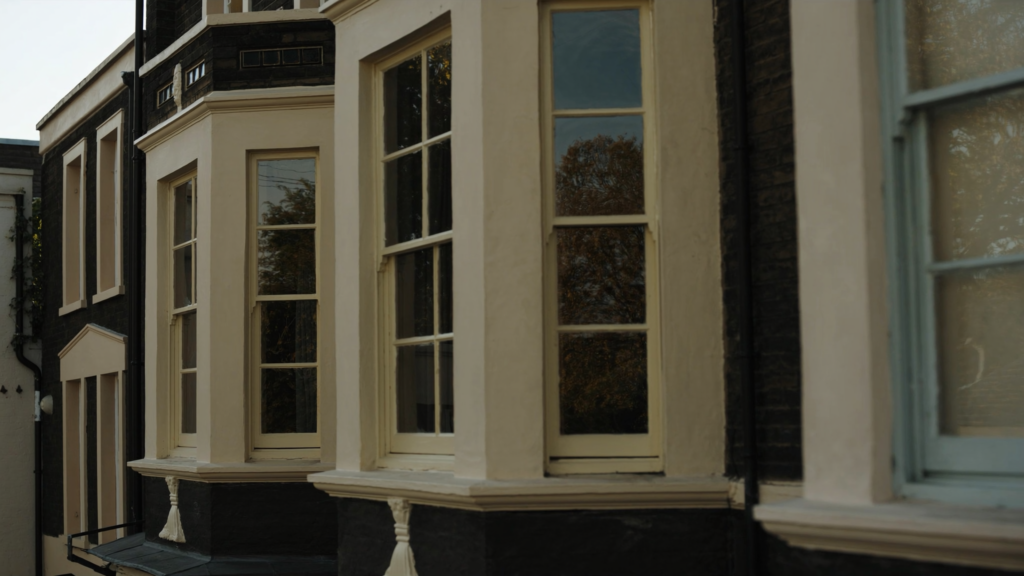
The majority of homes in Grimsby are terraced or semi-detached properties, many built between 1880 and 1950. These homes tend to have large sash-style or casement windows with relatively thin walls, meaning window heat loss plays an even more significant role in overall energy performance than in newer builds with cavity wall insulation. Streets in Freeman Street Market area, Hainton Avenue, and the older parts of Cleethorpes Road are typical examples, long rows of brick terraces where cold bridging through window frames and glazing is a major source of energy waste.
Semi-detached properties in areas like Scartho, Waltham Road, and Bradley are slightly newer and often already have some double glazing installed, but upgrading to modern A-rated or A-plus-rated units still delivers meaningful savings, especially when combined with other improvements such as loft insulation or a new boiler.
2026 Costs for Double Glazing in Grimsby
What to Expect to Pay in the East Midlands Region
Double glazing costs in Grimsby are broadly in line with East Midlands pricing, which tends to sit slightly below London and South East rates. However, the town’s relatively remote location means that some national companies may apply a travel surcharge. That makes it worth prioritising local or regional installers. All prices below reflect 2026 installation costs including supply, fitting, and disposal of old windows.
| Window Type | Frame Material | Energy Rating | Cost Per Window (Installed) | Full House Cost (6–8 Windows) |
|---|---|---|---|---|
| Standard Casement | uPVC | B | £350 – £550 | £2,100 – £4,400 |
| Standard Casement | uPVC | A | £450 – £650 | £2,700 – £5,200 |
| Standard Casement | Aluminium | A | £600 – £900 | £3,600 – £7,200 |
| Bay Window Unit | uPVC | A | £1,200 – £2,000 | N/A (varies) |
| Sash Window | uPVC | A | £700 – £1,100 | £4,200 – £8,800 |
| Sash Window | Timber | B | £1,000 – £1,800 | £6,000 – £14,400 |
| Front Door with Glazing | uPVC or Composite | C | £900 – £1,800 | N/A |
Factors That Affect the Final Price in Grimsby
- Number of windows, Installers typically offer a lower per-unit price when you replace the whole house at once rather than doing rooms individually.
- Frame condition, If existing frames are rotten or structurally compromised, extra labour is needed to prepare the opening, adding £50 to £200 per window.
- Window size and shape, Bay windows, arched tops, or oversized panes cost significantly more than standard rectangular casements.
- Glazing specification, Adding argon gas fill, warm-edge spacer bars, or a low-emissivity (low-E) coating increases cost but improves thermal performance substantially.
- Access difficulties, Upper-floor windows in Grimsby’s taller Victorian terraces may require scaffolding at an additional £300 to £600 per installation.
- Conservation area requirements, Homes in designated areas of Grimsby may need timber or heritage-style uPVC frames, which cost more than standard profiles.
Types of Double Glazing Available
uPVC Double Glazing
uPVC remains by far the most popular choice across Grimsby, and for good reason. It is low maintenance, resistant to the salt air and humidity that affects coastal properties, and available in a wide range of colours and finishes including woodgrain effects that suit older terraced homes. Modern A-rated uPVC units achieve a U-value of around 1.2 W/m²K or better, compared to around 5.0 W/m²K for single glazing. The frames do not need painting, will not rot, and typically carry a 10-year manufacturer’s guarantee.
Aluminium Double Glazing
Aluminium frames offer a slimmer profile and a more contemporary aesthetic, making them popular for extensions and modern properties in areas like Scartho and Waltham. They are extremely durable and resistant to coastal corrosion when properly powder-coated. Thermally broken aluminium frames perform well, achieving U-values similar to high-quality uPVC, but they cost 30 to 60 percent more. For a Grimsby semi-detached, aluminium is worth considering if aesthetics are a priority and budget allows.
Timber Double Glazing
Timber is the preferred option for heritage properties and those in conservation areas. It is the most thermally efficient natural frame material and can be repaired rather than replaced. However, timber requires regular maintenance in Grimsby’s damp coastal climate, repainting every five to seven years is typically necessary. Costs are significantly higher than uPVC, and the installation must meet the same FENSA or building regulations requirements as any other window.
Glazing Specifications Worth Understanding
- Low-E coating, A microscopically thin metallic layer on the glass that reflects heat back into the room. Essential for East of England climates and included as standard in most A-rated units.
- Argon gas fill, The cavity between the panes is filled with argon gas rather than air, reducing thermal conductivity and improving the U-value. Standard on most quality units.
- Warm-edge spacer bars, The aluminium spacer bar at the edge of a sealed unit is a major cold bridge. Warm-edge alternatives (plastic or hybrid materials) reduce edge condensation and improve overall performance.
- Acoustic glazing, Useful for homes near Grimsby town centre, the docks, or major roads. Uses asymmetric pane thicknesses or laminated glass to reduce noise transmission.
What to Look for in a Grimsby Double Glazing Installer
Accreditations That Matter
When choosing a double glazing installer in Grimsby, the single most important thing to check is whether they are registered with FENSA (Fenestration Self-Assessment Scheme) or CERTASS. These are government-authorised schemes that allow window installers to self-certify that their work complies with building regulations, saving you the cost of applying for building control approval separately. A FENSA-registered installer will issue you with a certificate on completion, which you will need if you ever sell your home.
Beyond FENSA or CERTASS registration, look for installers who carry TrustMark accreditation, which indicates they have been independently vetted for both technical competence and trading standards. The Glass and Glazing Federation (GGF) membership is another positive signal, as members must adhere to a code of conduct and carry appropriate insurance.
Practical Questions to Ask Before Signing Anything
- Are you FENSA or CERTASS registered, and will you provide a certificate on completion?
- What is the U-value and energy rating of the units you are proposing?
- Does the quote include removal and disposal of my existing windows?
- What guarantee do you offer on the sealed units and on the frames separately?
- Are you able to provide references from recent jobs in the Grimsby area?
- Is your quote fixed, or are there circumstances where the price could change?
- What happens if a sealed unit fails within the guarantee period?
Always obtain at least three written quotes. Be cautious of high-pressure sales tactics, reputable installers in Grimsby will give you time to consider. If a salesperson insists on a same-day decision for a discount, that is a significant warning sign.
Government Grants and Funding for Double Glazing in 2026
ECO4 Scheme
The Energy Company Obligation (ECO4) scheme, administered by Ofgem, requires large energy suppliers to fund energy efficiency improvements in low-income and vulnerable households. In 2026, ECO4 can cover double glazing as part of a wider package of measures, but glazing alone is rarely funded, it is usually approved alongside insulation or heating upgrades. Grimsby homeowners on qualifying benefits including Universal Credit, Pension Credit, or Child Tax Credit should contact North East Lincolnshire Council or a local ECO4 broker to assess eligibility. Given that many properties in Grimsby sit at Band E on the EPC scale, a significant number of households are likely to qualify.
Great British Insulation Scheme (GBIS)
The Great British Insulation Scheme closed on 31 March 2026. It funded insulation measures only and never covered windows or glazing. The Great British Insulation Scheme closed on 31 March 2026. It funded insulation measures only and never covered windows or glazing.
North East Lincolnshire Council Schemes
North East Lincolnshire Council has historically administered Warm Homes funding and housing improvement grants for owner-occupiers and private renters in fuel poverty. In 2026, residents should check directly with the council’s housing team for any active local authority delivery schemes that may fund glazing improvements for eligible households. The council website and local Citizens Advice in Grimsby are good starting points for navigating available support.
Warm Homes Plan
The government’s Warm Homes Plan, launched in late 2025 and running through this decade, aims to fund energy efficiency upgrades for fuel-poor households across England. Grimsby, given its average EPC rating of Band E and its levels of deprivation in some wards, is among the areas expected to see targeted delivery. Homeowners can register interest through energy suppliers or via the government’s official energy support portal.
How Double Glazing Affects Your EPC Rating
An EPC assessment measures the energy efficiency of a home on a scale from A (most efficient) to G (least efficient). The average Grimsby home sits at Band E, which reflects the older housing stock and historically poor insulation levels across much of the town. Replacing single glazing or failed early double glazing with modern A-rated double glazing typically improves an EPC rating by 4 to 8 SAP points, which in many cases is sufficient to move a Band E property up to Band D, a meaningful improvement that affects both energy costs and property value.
For a Grimsby semi-detached in Band E, moving to Band D through window replacement and one or two additional measures (such as loft insulation) can increase the property’s market value by an estimated £4,000 to £8,000 based on current research from the Energy Saving Trust and property market data. Estate agents operating in Grimsby increasingly report that buyers are scrutinising EPC ratings more carefully, and a Band D or better property sells faster and at a better price than an equivalent Band E or F home.
Window replacement alone will not transform a Band F or G property into a Band C, multiple measures are needed for that. But windows are one of the most visible and immediate improvements, and their impact on SAP calculations is well established.
Planning Considerations for Grimsby
Do You Need Planning Permission
In most cases, replacing windows in a standard residential property in Grimsby does not require planning permission, as it falls under permitted development rights. However, there are important exceptions that apply to a number of Grimsby properties.
Conservation Areas in Grimsby
Grimsby has several designated conservation areas, including parts of the historic town centre and some of the older Victorian streets near the docks. If your property is within a conservation area, you may need to apply for planning permission before replacing windows, particularly if the replacement windows would alter the character of the building by changing the style, profile, or material of the original frames. North East Lincolnshire Council’s planning portal allows you to check whether your address falls within a conservation area boundary. The council’s planning officers are generally approachable and can provide pre-application advice free of charge.