Why Goole Homeowners Are Turning to Double Glazing Right Now
Goole sits at an interesting crossroads, literally and figuratively. Positioned where the River Ouse meets the Humber, this working port town has a housing stock that tells the story of its industrial past, with rows of Victorian and Edwardian terraces built to house dock workers and their families. Many of those homes are still standing, and many still have their original single-glazed windows.
With the average Goole property sitting at EPC Band D and gas bills based on around 12,000 kWh of consumption per year, the pressure to improve home efficiency has never felt more real. Double glazing is one of the most impactful upgrades you can make to a Band D home, and for Goole’s terraced and semi-detached majority, it’s often the single biggest source of heat loss that hasn’t yet been addressed.
There’s also something else driving demand locally. Goole’s position in the Humber lowlands means it catches more than its fair share of that biting east wind rolling in across flat agricultural land from the coast. When you’re in a terrace off Boothferry Road or a semi near the Carlton estate, draughty single-glazed windows aren’t just an energy problem, they’re a comfort problem you feel every morning between October and March.
Tip: If your home was built before 1980 and still has its original windows, you’re almost certainly losing between 10% and 25% of your home’s heat through the glass alone. In Goole, that’s money disappearing into the flat Yorkshire air every single day.
What Double Glazing Actually Involves for a Typical Goole Home
Most homes in Goole fall into two categories, the tightly packed Victorian and Edwardian terraces in the older parts of town, and the post-war semis built during the 1950s through to the 1980s on estates that expanded the town outward. Each type comes with its own installation quirks.
In the older terraces, particularly around the town centre and streets close to the docks, original timber frames are common. These can be beautifully characterful, but they also mean your installer needs to assess whether replacement frames are needed entirely or whether slim-profile units can be retrofitted. Many Goole terraces have non-standard window sizes because they were built individually rather than from standardised plans, this means bespoke manufacturing rather than off-the-shelf units, which adds both time and cost.
Post-war semis on estates like Airmyn Road, Marshland Road, and the areas around Hook Road tend to be somewhat more straightforward, often with aluminium or early uPVC frames already in place from previous upgrades. If you’re replacing ageing uPVC that’s gone yellow or is no longer sealing properly, this is a quicker job, frames can often be swapped like-for-like with minimal structural work.
- Access considerations, Goole’s terraced streets can have tight access for vans and installation equipment. Parking restrictions and narrow pavements mean some jobs take longer to set up
- Flood zone awareness, Parts of Goole sit within flood risk zones. While this doesn’t directly affect most double glazing installations, it’s worth ensuring your installer uses moisture-resistant installation materials and appropriate silicone sealants
- Conservation area properties, A portion of older properties near the town centre may fall under conservation restrictions that limit the style of replacement windows you can use
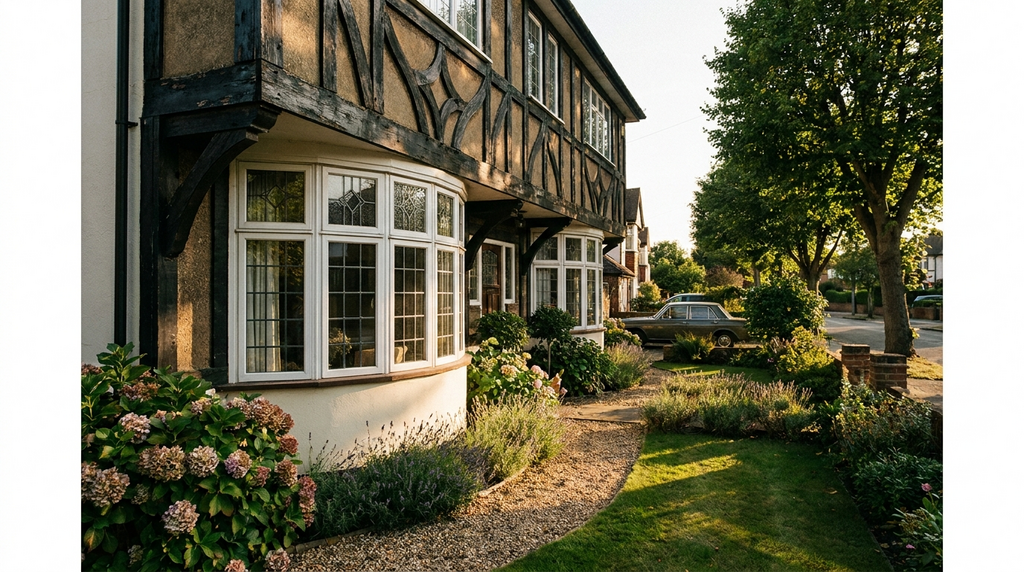
- Period property features, Sash windows and bay windows are common in Goole’s Victorian stock and require specialist installers who know how to handle them properly
How Much Double Glazing Costs in Goole and the Yorkshire and the Humber Area in 2026
Goole is served primarily by installers based in larger nearby towns, Doncaster (26km), Scunthorpe (20km), and Selby (16km) are the main sources of professional installers who regularly take on jobs here. This is important because it means travel time and fuel costs are often factored into quotes, and you may find slightly higher prices than you’d see in a city suburb with dozens of local competitors.
Yorkshire and the Humber sits broadly in line with the national average for double glazing costs, though rural and semi-rural locations like Goole can see a 5–10% premium over Hull or Doncaster prices. Here’s a realistic breakdown for 2026:
| Property Type | Number of Windows | Basic uPVC Double Glazing | Mid-Range uPVC with A-Rating | Premium (Triple Glazing / Flush Sash) |
|---|---|---|---|---|
| 2-bed terrace | 6–8 | £2,800 – £3,600 | £3,800 – £4,800 | £5,500 – £7,000 |
| 3-bed semi-detached | 8–10 | £3,500 – £4,500 | £4,800 – £6,200 | £7,000 – £9,500 |
| 4-bed detached | 12–14 | £5,000 – £6,500 | £7,000 – £9,000 | £10,000 – £14,000 |
| Victorian terrace (bespoke sizing) | 6–8 | £3,400 – £4,400 | £4,600 – £5,800 | £6,500 – £8,500 |
For context, a similar job in Doncaster city centre might come in 5–8% cheaper due to higher installer competition. Pocklington (26km) sees comparable pricing to Goole. Scunthorpe, being larger, tends to have more competitive rates. Always get at least three quotes, installers travelling from Doncaster or Hull may price very differently from a smaller local trader based in Goole itself.
Always ask whether VAT is included in the quote, double glazing installations are subject to 20% VAT unless you qualify for the reduced 5% rate under specific energy efficiency criteria. A quote that looks competitive could look very different once tax is added.
How Goole’s Weather and Location Shape Your Double Glazing Decisions
Goole’s geography is genuinely unusual for a Yorkshire town. Sitting in the broad, flat lowlands between the Humber and the Ouse, there’s very little natural windbreak. When easterly winds sweep across from the North Sea, they roll unobstructed across farmland straight into the town. This is different from, say, Selby or Pocklington, which are slightly more sheltered by undulating ground.
That wind exposure matters for double glazing because it directly affects which products hold up best. Standard air-filled double glazing performs adequately, but in exposed east-facing elevations, very common for Goole’s terraced streets that run roughly north to south, argon-filled units with a low-emissivity (low-E) coating make a meaningful difference to heat retention on those raw winter evenings.
Goole receives around 1,000 to 1,200 sunshine hours per year, which is close to the national average and enough to make solar gain a useful consideration. South-facing windows in your living areas can passively contribute to heating if you choose glass with an appropriate g-value (solar gain rating). Don’t let an installer talk you into heavily tinted glass for south-facing rooms, you’d be throwing away free heat that’s genuinely useful in this climate.
Rainfall is moderate at around 700–900mm per year, but Goole’s flood history means that ground-floor installations should always use fully weather-sealed frames with good drainage channels. Water ingress around poorly sealed frames is more of a risk here than in higher-ground Yorkshire towns.
The Products and Specifications That Actually Perform Well Here
Given everything above, here’s what genuinely works for a typical Goole home in 2026, not a generic list, but recommendations shaped by this town’s actual conditions.
- uPVC frames with argon-filled units, The sweet spot for most Goole properties. Argon gas filling improves thermal performance by around 10–15% over air-filled units and is well worth the modest premium. Look for a whole-window U-value of 1.4 W/m²K or better
- A-rated or A+-rated double glazing, The Window Energy Rating (WER) system gives you a clear benchmark. A-rated is the minimum to aim for; A+ is worth it for north or east-facing elevations taking the brunt of the wind
- Low-E glass coating (hard coat for longevity), Helps retain radiated heat inside the house. Particularly important for Goole’s Victorian terraces where the rooms are often higher-ceilinged and harder to keep warm
- Flush sash uPVC for period properties, For Victorian terraces near the town centre, flush sash windows mimic the original timber look far better than standard casement windows. They’re more expensive but avoid planning complications and look far more appropriate on these homes
- Triple glazing for specific situations, If you’re on a corner plot with no wind shelter, or if you have a north-facing bedroom that’s always cold, triple glazing (U-value around 0.8 W/m²K) is worth considering for those specific windows. For the whole house, the cost-benefit rarely stacks up in Goole’s climate compared to a warmer southern city
- Composite or timber-look frames for conservation areas, If your property is in or near a conservation area in the older town centre, check with East Riding of Yorkshire Council before ordering. You may be restricted to specific frame colours and styles
Finding a Trustworthy Installer When You’re in a Small Town
Goole has a small local trade community, which means you’re likely to end up using an installer who travels in from Doncaster, Hull, Scunthorpe, or Selby. This isn’t a problem in itself, many of the best installers in the region regularly serve smaller towns like Goole, but it does mean you need to be a bit more diligent about vetting.
The key certification to look for is FENSA registration. FENSA installers self-certify that their work meets Building Regulations, which means you don’t need to apply separately for a building control inspection. This saves you time and money and gives you a certification document you’ll need when you sell your home. Without it, your solicitor will flag it as a legal issue.
Also look for
- TrustMark registration, The government-endorsed quality scheme covering installation standards
- Insurance-backed guarantees, Any reputable installer should offer a 10-year guarantee backed by an independent insurance scheme, so your warranty is protected if the company closes
- Local reviews specific to the area, Ask neighbours on your street or estate. In a town of 19,000, word travels fast and a good (or bad) installer is usually well known
Questions worth asking before you sign anything
- Are you FENSA registered and will you provide the certificate after installation
- Is the guarantee insurance-backed, and with which provider
- What is the U-value and WER rating of the specific units you’re quoting
- How do you handle non-standard window sizes in older properties
- What is your lead time from order to installation
Lead times across Yorkshire and the Humber have settled at around 4–8 weeks for standard orders in 2026. Bespoke sizing for Victorian properties can push this to 10–12 weeks. If an installer is promising you installation within a fortnight, that’s worth querying, it may mean off-the-shelf units that won’t fit your frames properly.
Grants and Funding Available to Goole Residents in 2026
Goole falls under East Riding of Yorkshire Council, and it’s worth checking their website directly for any live local authority funding. Nationally, several schemes are relevant depending on your circumstances.
ECO4 (Energy Company Obligation), This government scheme funds energy efficiency improvements for lower-income households. If you receive qualifying benefits (such as Universal Credit, Pension Credit, or Child Tax Credit) or if your home is EPC Band D or below, you may qualify for fully or partially funded double glazing. Given that the average Goole property is already Band D, a significant proportion of households here are in the eligible bracket. Apply through your energy supplier or a registered ECO4 installer.
The Great British Insulation Scheme closed on 31 March 2026. It funded insulation measures only and never covered windows or glazing. Worth asking about when getting quotes, particularly if you’re also considering loft or cavity wall insulation at the same time.
Warm Homes Plan, The government’s successor programme to previous energy efficiency schemes has expanded in scope. Goole households in the lower council tax bands and with lower EPC ratings may qualify for contribution towards window upgrades. Check the gov.uk Warm Homes Plan guidance for the most current eligibility criteria.
East Riding of Yorkshire Council local schemes, The council has periodically offered supplementary funding for energy improvements in older housing stock, particularly targeting Band D and below properties. Check their housing improvement pages for any active schemes, these tend to be announced with relatively short application windows.
Glazing is standard-rated for VAT at 20%. The zero rate for energy-saving materials covers insulation, heat pumps and solar panels; HMRC names secondary and double glazing as excluded (VAT Notice 708/6). Ask your installer to confirm eligibility before they quote.
Planning Permission and Building Regulations in Goole
For most Goole homeowners, replacing existing windows with double glazing falls under permitted development rights, meaning you don’t need planning permission. This applies as long as you’re doing a like-for-like replacement (same opening style, similar appearance) on a standard residential property.
However, there are important exceptions.
Conservation areas, Parts of older Goole, particularly around the historic town centre and docklands area, may fall within a conservation area designated by East Riding of Yorkshire Council. In these areas, you may need planning permission before replacing windows, and there will be restrictions on frame materials, colours, and styles. Check the East Riding planning portal before ordering anything.
Listed buildings, If your property is listed (even Grade II), you will need Listed Building Consent for any window replacements. This is a separate application to planning permission. Goole has some listed buildings in its older commercial and residential areas, check the Historic England register if you’re unsure.
Building Regulations, Even where planning permission isn’t required, all replacement windows must comply with current Building Regulations (specifically Part L for energy efficiency and Part K for safety glazing). A FENSA-registered installer handles this automatically. If you use a non-registered installer, you’ll need to notify your local Building Control department at East Riding of Yorkshire Council separately.
Flats and shared ownership, If you own a flat or have a shared ownership agreement, you’ll also need consent from your freeholder or housing association before replacing windows. This is