Why Beverley Homeowners Are Looking at Double Glazing Right Now
There’s a particular kind of cold that Beverley residents know well. When an easterly wind rolls in across the Holderness plain in January, single-glazed or ageing double-glazed windows don’t just feel draughty, they become the most expensive part of your house. For a town sitting at an average EPC Band D, with gas bills running around 11,500 kWh per year, the windows are often the weak link in an otherwise manageable home.
Beverley’s housing stock tells an interesting story. The town has grown steadily around its medieval core, and many of the most popular residential streets, think the Victorian terraces off Grovehill Road, the interwar semis around Molescroft, and the 1960s and 70s estates to the north of the town, all have windows that are either reaching end-of-life or were never particularly good in the first place. A lot of those original sealed units have failed, meaning you’ve probably got misted glass in at least one room right now.
There’s also a practical financial trigger happening in 2026. Energy prices have stabilised somewhat but remain significantly higher than pre-2022 levels. Homeowners who put off upgrading are now doing the maths properly, and double glazing consistently comes out as one of the most cost-effective comfort upgrades you can make to a Beverley home. It reduces heating bills and provides real noise reduction benefits if you’re on one of the busier routes like Lairgate, Toll Gavel, or near the A1079.
What Double Glazing Actually Involves for a Typical Beverley Home
Most Beverley homes are either terraced or semi-detached, and that shapes the double glazing conversation considerably. Access is usually straightforward for ground-floor windows, but the upper floors on a traditional two-storey semi can require ladder access or even a small scaffold tower if the eaves are tricky. It’s worth asking your installer about this upfront, it can add £150 to £300 to the job if extra access equipment is needed.
The most common installation scenario in Beverley involves replacing like-for-like in a standard 1930s to 1970s semi. These homes typically have between six and nine windows plus a front door. The frames are often timber or early UPVC, and if you’ve got original timber frames, you’ll need to decide whether to replace with UPVC, aluminium, or modern timber alternatives. Each has implications for aesthetics, maintenance, and cost.
For the Victorian and Edwardian terraces closer to the town centre, particularly around Wednesday Market, Highgate, and the streets leading off Norwood, things get more nuanced. These properties often sit in or near the Beverley Conservation Area, which means your choice of frame style, colour, and glazing bar design may be restricted. More on that in the planning section below, but do check before you commit to any style.
Key practical considerations for Beverley properties include
- Older brick reveals that may need making good after frame removal
- Suspended timber floors that can complicate draught-proofing around ground-floor frames
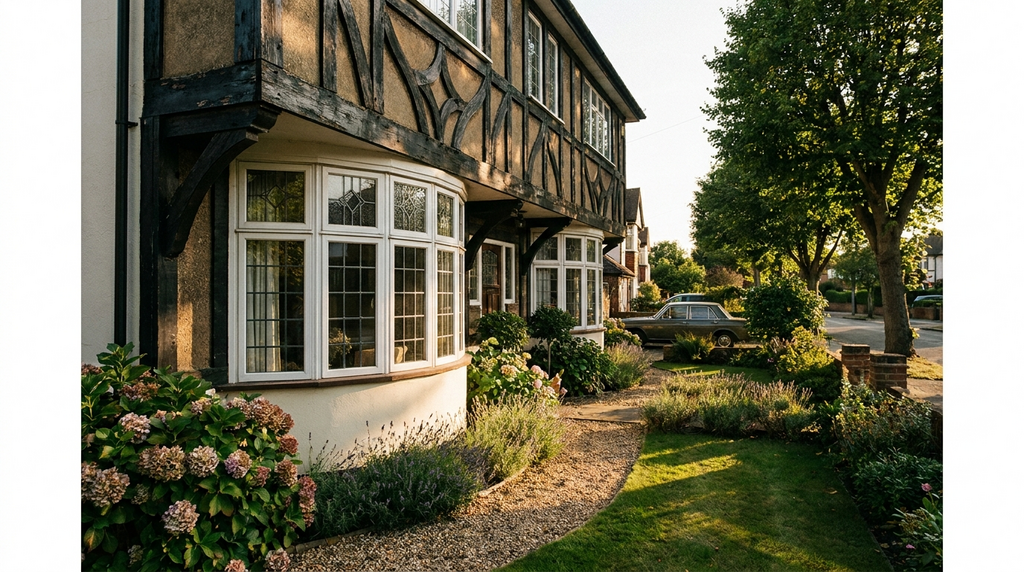
- Bay windows, common on interwar semis in Molescroft and Woodmansey, which require specialist measuring and often cost more
- Sash windows on older properties, which need like-for-like replacement to satisfy planning requirements in sensitive areas
- Limited parking and narrow streets in central Beverley, which can mean slightly higher installation costs due to van access restrictions
How Much Double Glazing Costs in Beverley and the Yorkshire and the Humber Area in 2026
Let’s talk real numbers. Beverley sits in a competitive installation market, Hull is only 12km away and has a high density of glazing companies, which generally keeps local prices reasonable. You’re not paying the London premium, but you’re also not rock-bottom. Expect to pay roughly 5% to 8% above the Yorkshire and Humber regional average because Beverley installers price in the mixed access conditions and conservation-area complexities common here.
| Window Type and Property Size | Beverley Typical Cost | Yorkshire and Humber Average | UK National Average |
|---|---|---|---|
| Single window replacement (casement, UPVC) | £450 – £650 | £400 – £600 | £450 – £700 |
| Full house, 2-bed terrace (6 windows) | £2,800 – £4,200 | £2,600 – £4,000 | £2,800 – £4,500 |
| Full house, 3-bed semi (8 windows + front door) | £3,800 – £5,500 | £3,500 – £5,200 | £3,800 – £6,000 |
| Bay window unit (typical interwar semi) | £900 – £1,600 | £850 – £1,500 | £900 – £1,800 |
| Sash window replacement (timber alternative) | £800 – £1,400 per window | £750 – £1,300 | £800 – £1,500 |
| Triple glazing upgrade (per window, vs double) | +£150 – £250 | +£120 – £230 | +£150 – £280 |
| Aluminium frames (per window, vs UPVC) | +£200 – £400 | +£180 – £380 | +£200 – £450 |
These figures include VAT at 5% (the reduced rate for energy-saving products in residential properties) and standard fitting. They don’t include scaffolding, which you’ll need to budget for separately if your property has difficult upper-floor access. A standard scaffold tower hire for a day in this area runs around £180 to £350.
Insider tip, get quotes from both Hull-based companies who regularly cover Beverley and installers based in the town itself. Hull firms (who also cover Bridlington, Pocklington, and Scunthorpe in their service areas) sometimes offer sharper pricing on volume jobs, while local Beverley traders can be more flexible on access logistics and are easier to deal with if something needs adjustment post-installation.
How Beverley’s Weather and Location Shape Your Double Glazing Choices
Beverley doesn’t have the rainfall of West Yorkshire or the wind exposure of the coast at Bridlington, but it has its own weather personality that genuinely matters when you’re choosing glazing. The town sits in a relatively sheltered spot, but that changes in winter when cold easterly and north-easterly winds sweep in across the flat land east of the town, there’s very little geographical protection between Beverley and the North Sea once you’re heading towards Hull and the Humber estuary.
This east-facing wind exposure means that east and north-east facing windows are your priority upgrade if you’re doing this in phases. Those are the surfaces losing the most heat on a cold February night, and they’re where you’ll feel the draught first. In a typical Beverley semi, the rear elevation often faces roughly south-east, which is actually a good orientation for solar gain through the glass, a well-specified low-emissivity coating on that side can meaningfully contribute to passive warmth on sunny winter days.
Beverley records around 1,100 to 1,200 sunshine hours per year, slightly above the national average. That’s worth factoring in when you choose your glass specification, a warm-edge spacer bar and a solar control coating on south-facing windows can help manage summer overheating (a real issue in modern well-insulated homes), while a high solar gain coating on north-facing windows makes the most of whatever light is available.
Rainfall here is on the lower end nationally at around 550 to 650mm per year, good news for frame longevity. UPVC and aluminium frames will perform well without the accelerated weathering you’d see in wetter parts of the country. Timber frames, if you choose them for aesthetic reasons in a period property, will last well here too, but you do need to keep up with painting and sealing every few years.
The Products and Options That Actually Perform Well in Beverley
Given the easterly wind exposure and the mix of Victorian, interwar, and postwar housing here, here’s an honest guide to what’s worth the money and what isn’t.
For most Beverley homes, A-rated UPVC double glazing with argon-filled units and warm-edge spacers is the smart choice. It hits the sweet spot of cost, performance, and longevity. Look for a U-value of 1.2 W/m²K or better, many installers now offer 1.0 to 1.1 W/m²K as standard, which is genuinely good performance.
Triple glazing is worth considering on north and east-facing elevations, particularly if you’re in one of the more exposed spots north of the town or on a ridge position in Molescroft. The extra cost (roughly £150 to £250 per window) pays back faster on those elevations than on a sheltered south-facing wall.
What to look for in your specification
- Low-E glass (low emissivity coating), standard on most modern units, but confirm it
- Argon gas fill between panes, better than air-filled, significantly better than failed units
- Warm-edge spacer bars, reduces cold bridging at the edges of the pane, where most condensation starts
- A Window Energy Rating of A or above, the BFRC label is the one to look for
- Acoustic glazing for any rooms facing Lairgate, Saturday Market, or the A1079 bypass, an acoustic laminate inner pane makes a noticeable difference
For conservation-area properties near Beverley Minster and the historic core, slim-profile UPVC with authentic glazing bars and heritage colour options (Chartwell Green, cream, or anthracite grey) can satisfy planning requirements while still delivering modern thermal performance. Some specialist timber suppliers also offer thermally broken timber frames with modern sealed units, more expensive, but genuinely beautiful and planning-sympathetic.
How to Find a Trustworthy Double Glazing Installer Near Beverley
The good news is that Beverley is well-served for glazing installation. Hull’s large installer base means you have real choice, and many of those companies regularly work across the East Riding including Beverley, Pocklington, Bridlington, and Scunthorpe. The key is knowing who to trust.
The certifications that actually matter for double glazing
- FENSA registered, this is the one that matters most. FENSA-registered installers self-certify that your installation complies with Building Regulations. Without this, you need separate council sign-off, which costs extra and adds delay. Always check the FENSA website directly rather than just taking the installer’s word for it.
- CERTASS, an alternative to FENSA, equally valid, but less common. Acceptable if the installer holds current membership.
- TrustMark registered, government-endorsed quality scheme. Good additional assurance.
- Which? Trusted Trader, worth looking for on smaller local firms.
Questions worth asking before you sign anything
- Are you FENSA registered and will you provide the certificate on completion
- Who manufactures your sealed units and what warranty do they carry
- What’s your insurance-backed guarantee and who underwrites it
- Have you worked in Beverley’s conservation area before and what’s your experience with planning-sympathetic styles
- Do you handle the survey, manufacture, and fitting in-house or do you subcontract
Red flags to watch for, high-pressure same-day decision tactics, quotations that don’t itemise individual window costs, guarantees that are tied solely to the company rather than an independent insurer, and anyone who can’t show you completed local work on request.
Lead times in this area currently run around four to eight weeks from survey to installation for standard work, slightly longer (ten to fourteen weeks) for bespoke heritage or sash windows. If someone promises you a two-week turnaround on a full house, ask questions.
Grants and Funding That Could Reduce Your Costs in 2026
Let’s be straight with you here, dedicated grants for double glazing as a standalone measure are harder to come by than they were a few years ago. But there are still routes to funding for Beverley residents, and they’re worth pursuing seriously before you spend a penny of your own money.
ECO4 (Energy Company Obligation), this is the main national scheme still running in 2026. If your household is on means-tested benefits (Universal Credit, Pension Credit, Child Tax Credit) or has a low income and poor EPC rating, you may qualify for free or heavily subsidised glazing as part of a broader energy efficiency package. Your first call should be to East Riding of Yorkshire Council’s energy advice service to get an assessment, they administer referrals for properties in Beverley and the wider East Riding area.
The Great British Insulation Scheme closed on 31 March 2026. It funded insulation measures only and never covered windows or glazing. This scheme focuses on insulation measures but can include window upgrades in some circumstances, particularly where windows are a significant source of heat loss. Eligibility is linked to both property EPC rating and household income.
Warm Homes Plan, the government’s successor framework to earlier support schemes. In 2026, this is being rolled out with local authority involvement. East Riding of Yorkshire Council is participating, so check their housing and energy pages for the latest Beverley-specific information, as funding allocations and eligibility criteria are updated periodically.
Glazing is standard-rated for VAT at 20%. The zero rate for energy-saving materials covers insulation, heat pumps and solar panels; HMRC names secondary and double glazing as excluded (VAT Notice 708/6). This effectively saves you 5% against the standard rate immediately, worth around £190 to £275 on a typical full-house job in Beverley.
If you’re a social housing tenant in one of the East Riding of Yorkshire Council or housing association properties in Beverley, contact your landlord directly about their own improvement programmes, several are running window replacement programmes through 2026 and 2027 as part of their decarbonisation commitments.
Planning Permission and Regulations in Beverley, What the East Riding Requires
Double glazing falls under Permitted Development for most Beverley homeowners, meaning you don’t need planning permission as long as you meet the relevant conditions. For standard semi-detached and terraced homes outside designated areas, the main rule is that replacement windows must be of a similar appearance to the ones you’re replacing.
However, Beverley has a significant and well-protected Conservation Area centred on the Minster and the historic town