Why Kingston Homeowners Are Looking at Double Glazing Right Now
There’s a quiet revolution happening across Kingston upon Thames. From the Victorian terraces near Kingston town centre to the postwar semis out towards Berrylands and the larger detached homes in Surbiton and Tolworth, homeowners are increasingly waking up to the fact that their windows are the weakest link in an otherwise reasonably efficient home.
Kingston sits in an interesting position. With an average EPC rating of Band C, this borough is already ahead of the national average, most UK homes sit at Band D. That sounds like good news, and it is. But it also means that if your home is still dragging a Band D or Band E, you’re noticeably behind your neighbours, and that’s starting to show up in property valuations and rental yields alike.
There’s also something specific to Kingston’s geography worth mentioning. The town sits alongside the Thames, and while the river is beautiful, it brings its own microclimate, morning mist, higher humidity along the riverside stretches, and that unmistakable damp chill in winter months. Single or poor-quality glazing in homes near Canbury Gardens or the Ham and Petersham riverside areas can lead to persistent condensation issues that well-specified double glazing solves almost entirely.
Add to this the noise factor. Kingston town centre is busy, the A3 cuts through the borough, and railway lines serve Surbiton, Norbiton, and Kingston stations. Acoustic performance has become just as compelling a reason to upgrade windows as energy efficiency for many homeowners here.
What Double Glazing Actually Involves for a Typical Kingston Home
Most homes in Kingston fall into two broad categories that matter a great deal for glazing work, the Edwardian and interwar semis that dominate areas like New Malden, Berrylands, and parts of Surbiton, and the larger detached properties common in the more prosperous pockets of Surbiton Hill, Chessington, and around Richmond Park’s fringes.
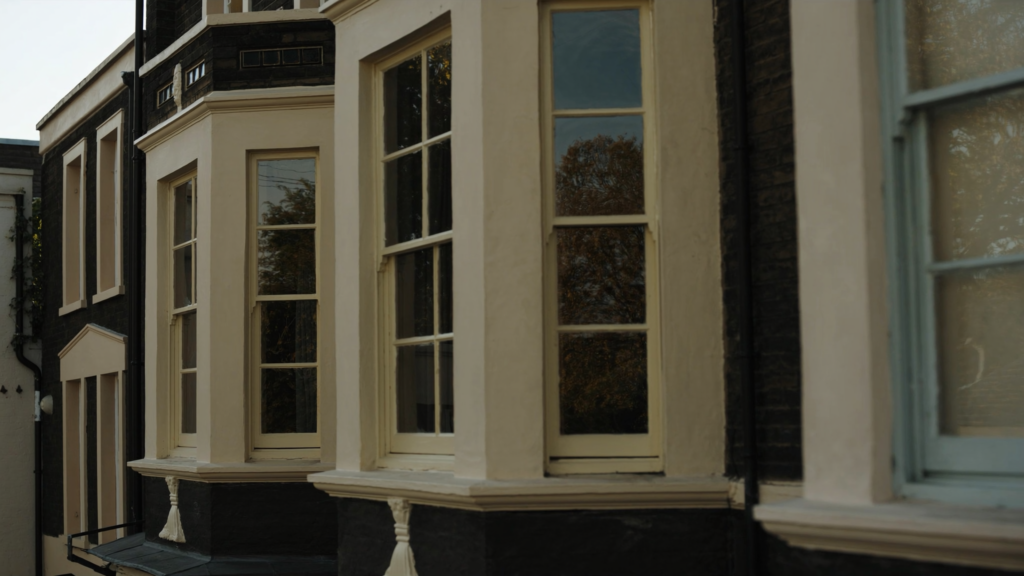
Edwardian and interwar properties (roughly 1900 to 1939) typically have larger window openings than modern homes, with elegant proportions that owners rightly want to preserve. The original timber frames are often still in place, and while some are in decent condition, many have degraded to the point where replacement is the sensible choice. The good news is that modern double glazed units can be manufactured to match original sightlines, so you’re not forced to choose between performance and appearance.
Detached homes from the 1950s, 1960s, and 1970s, well-represented across Tolworth, Hook, and Chessington, tend to have wider, more modern frame openings that accept standard double glazed units without complication. These are usually the most straightforward installations, and costs reflect that simplicity.
What can complicate things in Kingston specifically is access. Many streets in the older parts of town have limited parking, narrow driveways, and tight side passages. Installers often need to bring equipment through the house rather than around it, which adds time. If you’re in a road where a van can’t park close to the property, expect that to be factored into your quote, London installers are experienced at this, but it does affect pricing.
Upper-floor windows on larger detached homes will typically need scaffold towers or podiums rather than standard ladders, and some installers charge separately for this. Always clarify what’s included before signing anything.
How Much Double Glazing Costs in Kingston and the London Area in 2026
London pricing for double glazing runs roughly 15 to 25 percent above the national average, and Kingston is no exception. Even so, you’re in a well-served area, most major London glazing companies cover Kingston, and the competition from Wimbledon, Richmond, and Hounslow-based installers keeps prices from running completely out of control.
Here’s a realistic guide to what you should expect to pay in Kingston in 2026:
| Property Type and Scope | Kingston / London Price | UK National Average |
|---|---|---|
| Single casement window (standard size, uPVC) | £550 – £750 | £400 – £600 |
| Single bay window (uPVC, 3-section) | £1,200 – £1,800 | £900 – £1,400 |
| Full house, 3-bed Edwardian semi (6–8 windows) | £5,500 – £8,500 | £4,000 – £7,000 |
| Full house, 4-bed detached (8–12 windows) | £8,000 – £14,000 | £6,000 – £11,000 |
| Timber frame double glazing (full semi) | £9,000 – £16,000 | £7,000 – £13,000 |
| Aluminium slim-profile glazing (full semi) | £10,000 – £18,000 | £8,000 – £14,000 |
| Additional scaffold tower surcharge | £200 – £500 | £150 – £400 |
| Conservation area approved units (per window premium) | £150 – £300 extra | £100 – £250 extra |
These prices include VAT at 5 percent (the reduced rate that applies to energy-saving improvements in residential properties). Always check this is applied correctly in your quote, some less scrupulous operators quote ex-VAT and add the difference later.
Compared to neighbouring areas, Kingston prices sit mid-table for London. Richmond installations tend to run slightly higher due to conservation sensitivities. Wimbledon and Hounslow are broadly comparable. You’re unlikely to find significantly cheaper work by going further afield, the ULEZ and congestion charge make it uneconomical for installers outside the zone to offer genuinely competitive rates.
How Kingston’s Weather and Location Affect Your Double Glazing Choices
Kingston enjoys some of the best solar conditions in the UK. With 1,200 to 1,500 sunshine hours per year and solar irradiance of around 1,100 to 1,200 kWh per square metre annually, south and west-facing glazing can contribute meaningful passive solar gain in winter, something northern English towns simply can’t count on.
This means the choice of glass specification genuinely matters here. You want a glazing unit with a good Solar Heat Gain Coefficient (SHGC) on south-facing aspects, something that lets winter sun warm the room naturally, while also maintaining low U-values to prevent heat escaping at night. A standard low-emissivity (low-e) coating handles this well, but ask your installer specifically about the SHGC rating rather than just accepting whatever unit they suggest by default.
On the north and east aspects, it’s a different calculation. Kingston does get exposed to cold easterly winds in winter, that’s the Thames corridor geography at work, and east-facing windows can feel noticeably drafty if the specification is too basic. Here, triple glazing or a premium argon-filled double glazed unit with a U-value below 1.0 W/m²K makes a real difference in thermal comfort, even if the headline energy saving looks similar on paper.
Rainfall in this part of Surrey is relatively low at 500 to 700mm per year, so weathering isn’t the acute concern it is in, say, western England. Even so, the Thames-side humidity in areas like Hampton Wick and Teddington (just across the border) means frames need good drainage channels and quality weather seals. Don’t let an installer cut corners on the frame spec just because it doesn’t rain as heavily here as elsewhere.
The Products and Options That Work Best Here
For the majority of Kingston’s housing stock, here’s what genuinely performs well rather than what simply sells well:
- For Edwardian and interwar semis, Timber-look uPVC or actual engineered timber frames with a 28mm double glazed unit (argon-filled, low-e coating, warm-edge spacer bar). This preserves the visual character while delivering U-values around 1.2 to 1.4 W/m²K. Avoid budget 24mm units, the marginal cost saving isn’t worth the performance compromise.
- For postwar detached homes, Standard uPVC casement windows with A-rated or A+ energy ratings perform excellently and represent the best value. Look for units with a Window Energy Rating (WER) of A or above and a whole-window U-value at or below 1.4 W/m²K.
- For conservation areas or character properties, Slimline aluminium frames with thermally broken profiles (Schuco or similar) give the narrower sightlines that planning often requires while achieving surprisingly good thermal performance. Budget for it, these systems cost more but the aesthetic result in a listed or conservation property is worth it.
- For east and north-facing rooms with noise exposure to the A3 or rail lines, Acoustic laminated glass (6.8mm or 8.8mm acoustic interlayer) makes a dramatic difference to road and rail noise. You can specify this on specific aspects only, which keeps costs down while targeting the rooms where it matters most, typically bedrooms and living rooms facing the noise source.
- For south-facing aspects with good solar exposure, Consider a mid-range solar control glass with selective coating. This lets winter sun in while reducing summer overheating, relevant in Kingston given the high sunshine hours and the increasing frequency of warm summers.
On the frame colour front, anthracite grey has been popular across South West London for several years now, and Kingston is no different. It looks sharp on detached homes in Surbiton and Chessington, though for older properties in the conservation zones around Kingston town centre, a heritage colour or authentic timber finish will be more sympathetically received by neighbours and planners alike.
How to Find a Trustworthy Double Glazing Installer Near Kingston
Kingston is well-served by installers, with companies based in or covering the borough also regularly working in Richmond, Wimbledon, Hounslow, and out towards Epsom. That’s actually useful for you, an installer with a good track record across this cluster of similar South West London suburbs is likely experienced with exactly the kind of properties and planning sensitivities you’ll encounter here.
The credentials to look for specifically for double glazing work:
- FENSA registration, This is non-negotiable. FENSA-registered installers self-certify that their work complies with Building Regulations, which means you get a certificate of compliance automatically. Without this, you’ll need to pay for a separate Building Regulations inspection, and the paperwork headache when you come to sell is real.
- TrustMark accreditation, Government-endorsed quality scheme that adds a layer of consumer protection. Particularly useful for larger jobs.
- Insurance-backed guarantees, Most reputable installers offer 10-year guarantees, but the guarantee is only as good as the company backing it. An insurance-backed guarantee from a scheme like DGCOS or Certass means you’re protected even if the company folds.
Questions worth asking before committing:
- Are you FENSA registered, and will I receive a FENSA certificate on completion
- What U-value does the whole window unit achieve (not just the glass)
- What is the warm-edge spacer bar specification
- Is the guarantee insurance-backed, and with which provider
- How do you handle access issues if scaffolding is needed for upper floors
Red flags to watch for include unusually low initial quotes that balloon during the survey visit, pressure to sign on the day, and any reluctance to provide FENSA certification details upfront. Legitimate installers are comfortable with all of these questions.
Lead times in the London area currently run at four to eight weeks for standard orders, longer for bespoke timber or slim-profile aluminium units. Book early if you want work completed before autumn.
Grants and Funding That Could Reduce Your Costs in 2026
The funding landscape for double glazing is more limited than for insulation or heating upgrades, but there are still routes worth exploring for Kingston residents:
ECO4 (Energy Company Obligation), This scheme is targeted at lower-income households or those in properties with poor energy ratings. If your home is Band D or below and you receive qualifying benefits, you may be eligible for fully funded or heavily subsidised double glazing. Your first step is contacting the Royal Borough of Kingston upon Thames directly, they can refer you to an approved ECO4 assessor and advise on local delivery partners.
The Great British Insulation Scheme closed on 31 March 2026. It funded insulation measures only and never covered windows or glazing. Kingston Council administers local referrals.
Glazing is standard-rated for VAT at 20%. The zero rate for energy-saving materials covers insulation, heat pumps and solar panels; HMRC names secondary and double glazing as excluded (VAT Notice 708/6). On a £10,000 job, that’s a saving of around £1,500 compared to the standard rate, not a grant, but real money back in your pocket.
London-specific support, The Greater London Authority’s Warmer Homes programme has historically offered support for energy efficiency improvements for lower-income Londoners. Check the GLA website and Kingston Council’s dedicated energy advice pages for current 2026 availability, as schemes open and close on a rolling basis.
Realistically, most Kingston homeowners in Band C properties won’t qualify for fully funded glazing, the schemes prioritise the most inefficient homes and the most vulnerable households. But for the lower-band properties in areas like Norbiton or parts of New Malden, it’s absolutely worth making the call before paying full price.
Planning Permission and Regulations in Kingston
For most homeowners in Kingston, replacing double glazing or installing double glazing for the first time is covered by Permitted Development Rights, you don’t need planning permission as long as the replacement windows match the appearance of the existing ones in material, colour, and style.
However, Kingston has a significant number of Conservation Areas, and this changes the picture considerably. The town centre and surrounding historic streets, parts of Surbiton, and areas close to Richmond Park fall under Conservation Area status, where any window replacement must maintain the character of the building and the street. In practice this often means:
- You may need to use slim-profile frames that replicate original window proportions
- UPVC may be refused in favour of timber or aluminium with appropriate profiles
- Glazing bar patterns on original sash or casement windows must be replicated accurately
- Permitted Development Rights for windows may be removed by an Article 4 Direction in some streets
Before commissioning any work, check with the Royal Borough of Kingston upon Thames Planning Department whether your property sits in a Conservation Area or carries any Article 4 restrictions. This is a free check and takes minutes online. Getting it wrong and having to remove non-compliant windows at your own expense is an expensive mistake that does happen.
For listed buildings anywhere in the borough, you’ll need Listed Building Consent for any window changes, a more involved process that will require specialist glazing solutions. There are good companies in the