Why Margate Homeowners Are Paying More Than They Should on Heating Right Now
Here’s something worth knowing if you own a home in Margate. The average EPC rating across the town sits at Band E, that’s a full band below the national average of Band D. In practical terms, it means most homes here are leaking heat they’ve already paid to generate, and energy bills are higher than they need to be.
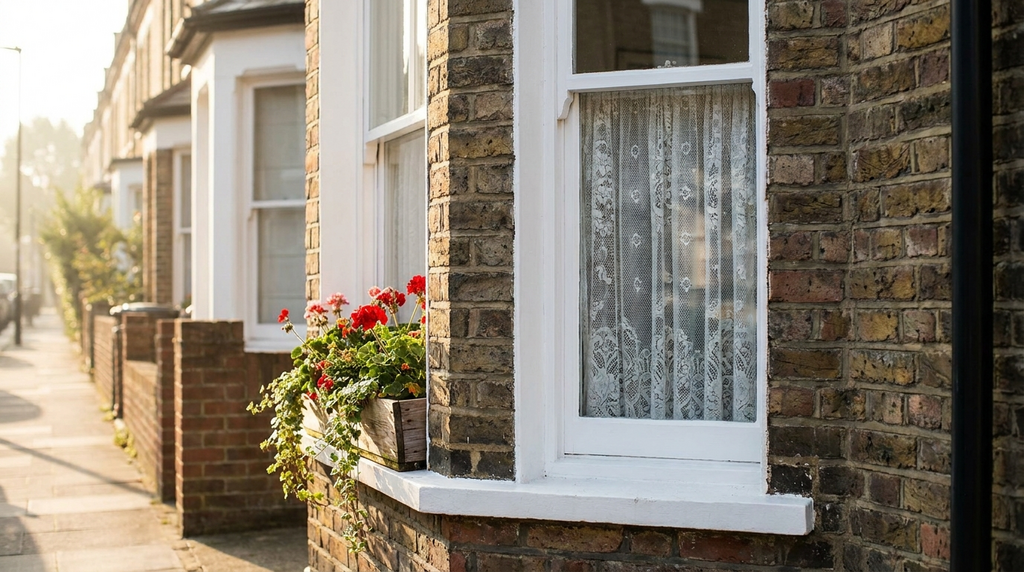
Double glazing is often the first upgrade that makes a real, noticeable difference. Not because it’s the most glamorous improvement you can make, but because Margate’s housing stock, a dense mix of Victorian and Edwardian terraces, seafront flats, and converted properties, tends to still be running on single-glazed windows that were installed decades ago. When you add in the cold easterly winds that blow in off the North Sea between November and March, draughty windows stop being a minor inconvenience and start being a genuine reason your gas bill is higher than your neighbour’s in Canterbury or Whitstable.
There’s also been a surge in renovation activity in Margate over recent years, particularly around the Old Town, Cliftonville, and the streets behind Dreamland. Homeowners who’ve invested in the town’s regeneration are now turning their attention to energy efficiency, and double glazing sits right at the top of that list.
What Double Glazing Actually Involves for a Typical Margate Home
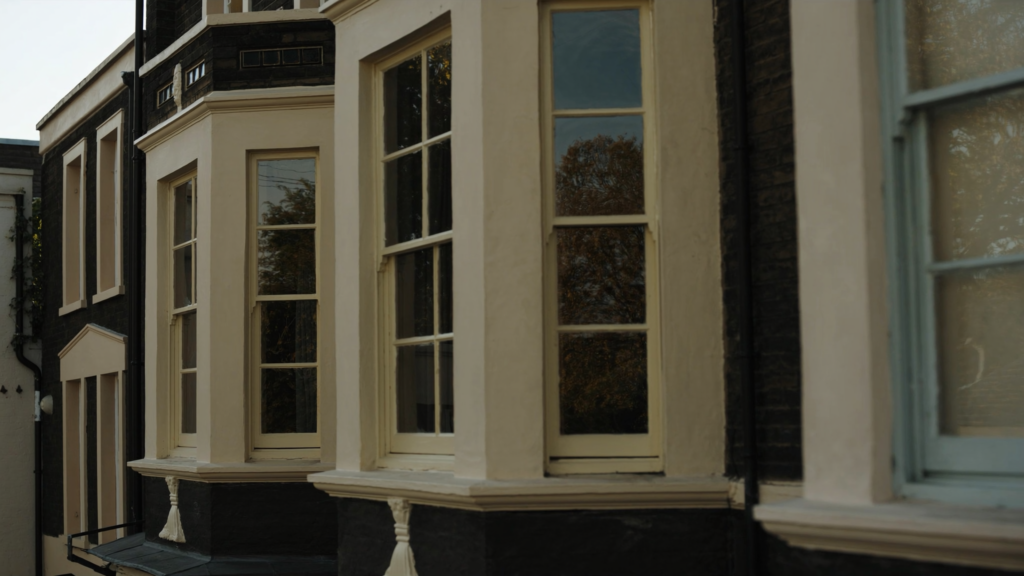
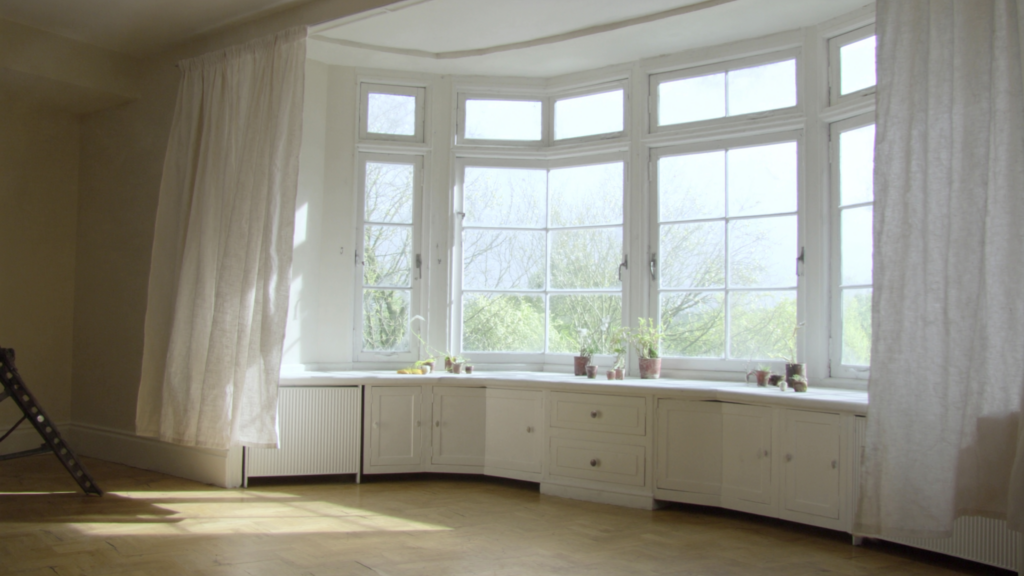
Most homes in Margate were built between the 1870s and the 1930s. That’s important, because Victorian and Edwardian window openings often have some quirks that newer builds don’t. Bay windows are common in the terraces along streets like Ethelbert Terrace and the roads running back from the seafront in Cliftonville West. These angled bays require more complex framing than a standard casement window, and that affects both price and lead time.
If you’re in a purpose-built or converted flat, and there are plenty of these across Margate, particularly in the clifftop areas and along the seafront, the first thing to check is whether you have a freeholder or a management company involved. You may need written consent before any window replacement can go ahead. That’s not unusual, but it’s worth sorting early so it doesn’t hold up your installation by weeks.
The other thing specific to Margate’s older housing stock is the window reveals. In properties built before the 1960s, reveals are often deeper than in modern homes. This isn’t a problem, but it does mean your installer needs to assess the fit properly rather than assuming standard depth cill and frame dimensions will work. Always ask for a home survey before any quote is confirmed.
- Bay windows require mitre joints and specialist frames, budget extra
- Sash window replacements are common in Victorian terraces and need specific profiles
- Flat conversions may require freeholder approval before work starts
- Deep reveals in older homes need careful measurement before ordering
- Solid stone or brick surrounds may need minor remedial work after frame removal
Access can also be a consideration in the denser parts of town. Streets in the Old Town and parts of Cliftonville can be narrow, and parking a van and getting large window units through a terraced hallway requires some planning. A good installer will flag this in their survey rather than discovering it on the day.
How Much Double Glazing Costs in Margate and the South East in 2026
Margate sits in an interesting position price-wise. You’re in the South East, where property values are high and installers are plentiful, but you’re not so close to London that you’re competing with the capital’s premium pricing. In practice, costs in Margate tend to run slightly above the national average but below what you’d pay in say, Tunbridge Wells or the commuter belt towns further west.
Here’s a realistic breakdown of what you should expect to pay in 2026, based on typical Margate property sizes and configurations.
| Property Type | Number of Windows | uPVC Double Glazing | Timber Double Glazing | Aluminium Double Glazing |
|---|---|---|---|---|
| One-bedroom flat | 3–5 | £1,800 – £2,800 | £2,800 – £4,200 | £2,500 – £3,800 |
| Two-bedroom terrace | 6–8 | £3,200 – £4,800 | £4,800 – £7,200 | £4,200 – £6,500 |
| Three-bedroom terrace | 8–11 | £4,500 – £6,500 | £7,000 – £10,500 | £6,000 – £9,000 |
| Three-bed semi (less common here) | 10–14 | £5,500 – £8,000 | £8,500 – £13,000 | £7,500 – £11,500 |
| Bay window supplement (per bay) | , | £400 – £700 | £700 – £1,200 | £600 – £1,000 |
Compared to Deal (around 18km away) and Whitstable (25km), prices in Margate are broadly similar. Dover, being a larger town with more commercial activity, can sometimes attract slightly lower quotes due to higher installer competition. Canterbury tends to run slightly higher, partly because of its conservation area premium.
The South East average for a three-bedroom terrace in uPVC sits at around £5,500–£6,800, so Margate is competitive. What can push your costs up locally is scaffolding on taller properties, particularly relevant if you’re in a seafront flat or a Victorian conversion with upper-floor windows that can’t be reached safely from inside.
How Margate’s Weather and Coastal Location Should Shape Your Choices
This is where living by the sea genuinely changes what you should be buying. Margate faces almost directly north-east across the Thames Estuary, and in winter the town gets a proper battering from cold continental air coming in off the North Sea. The cold is persistent rather than dramatic, and it is exactly the low-temperature, wind-driven kind that draughty single glazing struggles with most.
That wind exposure also means salt air. If you’re within about a kilometre of the seafront, which covers a substantial chunk of Margate’s housing, the frames you choose need to handle a mildly corrosive environment over the long term. uPVC handles this well with essentially no maintenance. Aluminium needs to be powder-coated to a good standard. Untreated steel (very rare in modern double glazing, but worth knowing) would be a poor choice.
The flip side of Margate’s coastal position is that it gets exceptional sunshine hours, among the highest in the UK. South and west-facing windows have real solar gain potential here. If you’re replacing windows in rooms that catch the afternoon sun, choosing glass with a higher solar factor (look for a g-value above 0.5) will let that free warmth in rather than blocking it. This is a detail many installers won’t raise unless you ask, but in a town with Margate’s solar irradiance of around 1,100–1,200 kWh per square metre per year, it genuinely adds up over a heating season.
Rainfall in Margate is actually lower than you might expect, typically 500–700mm per year, well below the UK average. That means condensation and damp issues are less severe than in wetter parts of the country, but the combination of salty air and occasional severe coastal storms means you still want solid seals and quality gaskets on anything you install.
The Products and Specs That Actually Perform Well Here
Based on Margate’s conditions, coastal exposure, cold easterly winds, strong solar potential, and predominantly Victorian or Edwardian housing stock, here’s what genuinely makes sense rather than a generic list of options.
For most Margate homes, uPVC with A-rated glazing is the practical sweet spot. It handles salt air without maintenance, the best modern profiles are genuinely attractive (including sash-style profiles for period terraces), and the cost is realistic for the savings on offer. Look for a U-value of 1.2 W/m²K or better on the whole window, not just the glass unit.
If you’re in the Old Town or another conservation area, you may need to use timber or slimline aluminium to satisfy planning requirements. In that case, engineered timber (rather than solid softwood) is worth the extra cost, it holds its shape better in coastal conditions where moisture fluctuations are common.
For the glass itself, the combination of Low-E coating and argon gas fill is now standard on anything worth buying. Triple glazing is available and reduces U-values further (down to around 0.7–0.8 W/m²K), but in Margate’s relatively mild winters, heating degree days of around 1,200–1,500, the payback period for the premium over double glazing is long. Double glazing with good specifications is the right call for most homes here.
- Target whole-window U-value of 1.2 W/m²K or better
- Argon gas fill as a minimum (krypton available but rarely worth the cost here)
- Low-E coating on inner pane to reduce heat loss on north and east-facing windows
- Higher solar g-value glass (0.5+) for south and west-facing rooms
- Powder-coated aluminium if choosing metal frames within 1km of the seafront
- Sash profile uPVC for Victorian terraces where planning allows
Finding a Trustworthy Installer in the Margate Area
The installer market around Margate is reasonably healthy. Because the town sits within easy reach of Deal, Canterbury, Whitstable, and Dover, most local companies cover the whole cluster, which means you have genuine options rather than being dependent on one or two local firms. That competition is good for you.
The certification to prioritise for double glazing is FENSA registration. This is the government-authorised scheme that means your installer can self-certify their work complies with Building Regulations, important for Building Control and essential when you sell your home. Always ask for the FENSA certificate after completion.
TrustMark registration is the broader government endorsement scheme and is worth looking for alongside FENSA. It covers workmanship standards and means the installer is signed up to a code of practice with a complaints process behind it.
Questions worth asking any installer before you commit
- Are you FENSA registered, and will you provide the certificate on completion
- Do you manufacture or sub-contract fabrication, and where from
- What is your guarantee on frames, glass units, and labour separately
- Have you worked on Victorian terraces in Margate before, specifically
- How do you handle access in narrow streets or with limited parking
- What’s your current lead time from survey to installation
Lead times in the South East in 2026 are running at around 4–8 weeks from survey to installation for most straightforward jobs. Conservation area work or bespoke timber frames can push this to 10–14 weeks. Don’t let anyone pressure you into a same-week decision, reputable installers have a workload, not a panic.
A red flag worth knowing about in this area specifically, some companies operating out of Canterbury or Ashford will quote low for Margate jobs and then add travel supplements or access charges after the survey. Get everything itemised in writing before you sign anything.
Grants and Funding Available to Margate Residents in 2026
Because Margate’s average EPC sits at Band E, below the national Band D average, a significant proportion of homeowners here will qualify for at least some support. That’s worth taking seriously before you spend any of your own money.
ECO4 (Energy Company Obligation, Phase 4) is the main government grant scheme delivered through energy suppliers. It’s available to households on qualifying benefits, or, importantly, to homes with an EPC of Band D or below where the household income falls below certain thresholds. Given how many Margate homes sit at Band E or below, this is worth checking. Grants can cover the full cost of double glazing in eligible homes. Apply through your energy supplier or via the government’s Simple Energy Advice service.
The Great British Insulation Scheme closed on 31 March 2026. It funded insulation measures only and never covered windows or glazing. Thanet District Council, which covers Margate, has engaged with the national scheme and can direct residents to approved suppliers.
The Warm Homes Local Grant, the successor to the previous Local Authority Delivery scheme, is running through 2026 via Kent County Council in partnership with Thanet District Council. This targets fuel-poor households and those in low EPC-rated properties. It’s worth contacting Thanet District Council directly to ask what’s currently active in your postcode, as funding rounds open and close through the year.
For households not on benefits but still keen to spread costs, some FENSA-registered installers in the area offer finance arrangements, but always compare the total cost against paying upfront if you have the funds available, as interest rates on home improvement finance can erode the savings significantly.
Planning Permission and Regulations for Margate Properties
For most homes in Margate, replacing windows with double glazing falls under Permitted Development, meaning you don’t need planning permission, as long as the replacement frames are of a similar appearance to the originals. This covers the majority of standard terraces and flats outside designated areas.
However, Margate has some significant conservation area coverage that changes the rules. Margate Old Town Conservation Area is the most notable, if your home sits within it, you’ll almost certainly need to either use like-for-like materials (typically timber) or apply for planning consent. The same applies to any listed buildings, of which there are a number in the older parts of town and along the seafront.
Thanet District Council handles all planning decisions for Margate. Their planning department will confirm whether your property is within a conservation area and what the specific requirements are, it’s a quick enquiry worth making before you get quotes, so you don’t end up committed to a uPVC installation that then needs retrospective permission.
For flats, Building Regulations still apply even when planning permission isn’t needed. Your installer’s FENSA certification covers this automatically, but if they’re not FENSA-registered you’ll need to notify Building Control yourself and pay for an inspection, another reason to use a FENSA-registered company.
- Standard terraces outside conservation areas, Permitted Development applies
- Margate Old Town Conservation Area, planning consent likely needed
- Listed buildings, full Listed Building Consent required regardless of location
- Flats, check lease and freeholder requirements before any work
- All installations, FENSA certification covers Building Regulations compliance
What You Will Realistically Save on Your Energy Bills
Let’s be honest with the