Why Faversham Homeowners Are Waking Up to Double Glazing Right Now
There’s something quietly significant happening on the streets around Faversham’s market square and along the older terraced rows near the town centre. More homeowners are calling up installers from Canterbury, Whitstable, and Ashford, and for very good reason.
Faversham sits in a sweet spot of Kent where the cold easterly winds that sweep in off the North Sea and across the Thames Estuary can make winter feel considerably sharper than the local temperature suggests. You might expect a South East coastal-adjacent town to be mild year-round, and largely it is, but those biting easterlies in January and February have a way of exposing every draughty window frame and poorly sealed sill in your home.
With the town sitting at an average EPC Band D, a huge proportion of Faversham’s housing stock, particularly the Victorian and Edwardian terraces that dominate the older parts of town, still has significant room for improvement. Double glazing is often the single most impactful upgrade you can make, and right now, with energy prices still elevated and several funding schemes active, the timing genuinely makes sense.
Add to this the fact that Faversham’s proximity to Canterbury and the wider Kent commuter belt has pushed property values steadily upward, meaning any improvement that boosts your EPC rating carries real financial weight when you eventually sell or remortgage.
What Double Glazing Actually Involves for a Typical Faversham Home
Most of Faversham’s housing stock falls into two main camps, the Victorian and Edwardian terraces in the older town centre streets, and the post-war semi-detached properties that expanded outward during the 1950s through 1980s on estates to the north and south of the town. Each comes with its own set of considerations.
Victorian and Edwardian Terraces
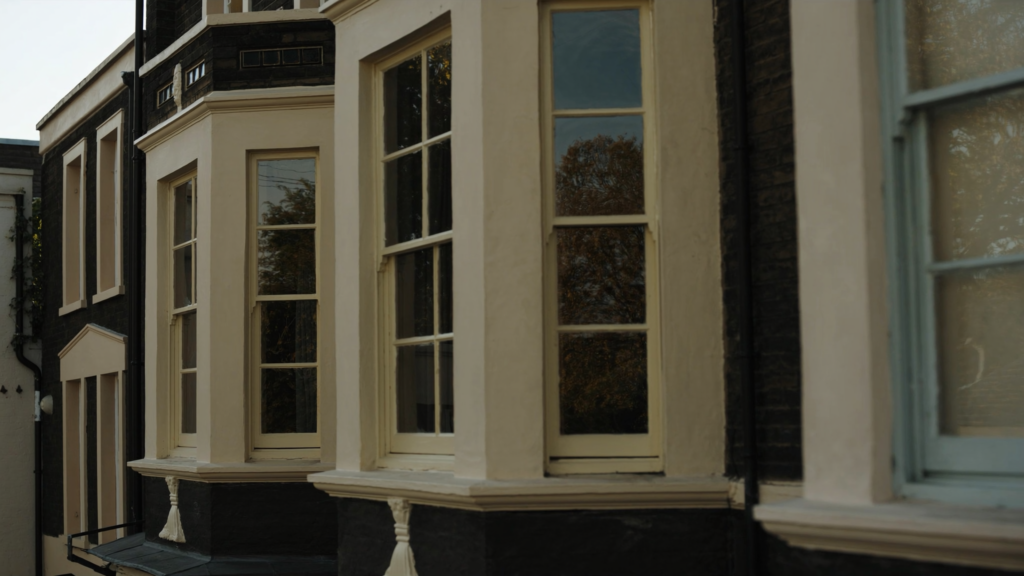
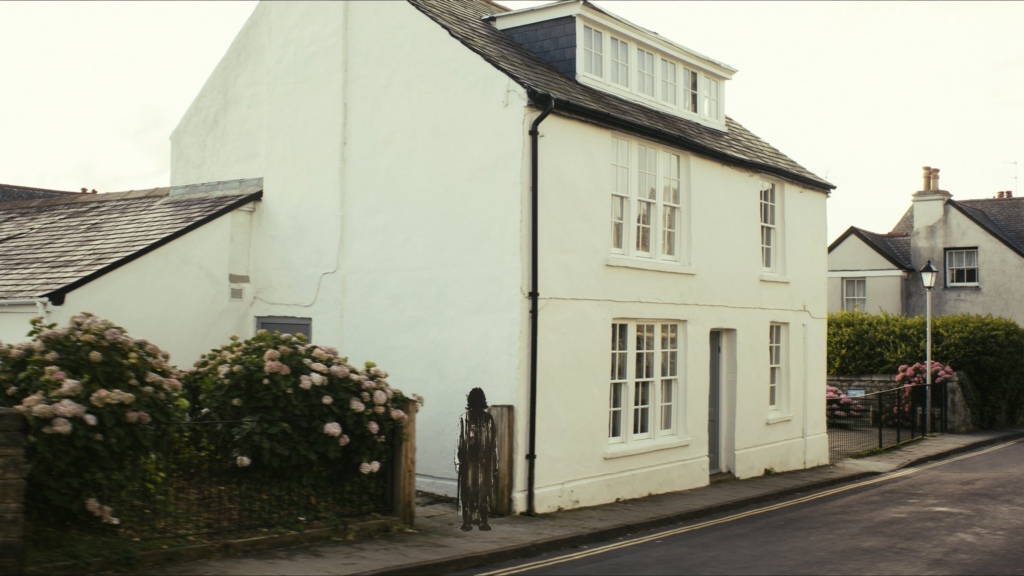
If you’re in one of the older streets close to the Abbey or the historic town centre, your home was almost certainly built with solid brick walls and timber sash or casement windows. These original frames are often around 100 years old or more, and while they have character, they lose heat at a rate that modern double glazing simply doesn’t.
Replacing windows in these properties involves removing the old timber frames entirely (or retrofitting secondary glazing if you’re in a conservation area, more on that shortly), fitting new uPVC, aluminium, or timber double-glazed units, and ensuring the surrounding brickwork and internal reveals are properly sealed. The narrower frontages of terraced houses actually make access relatively straightforward, most installations don’t require scaffolding unless you’re replacing upper-floor windows on a tall three-storey property.
Post-War Semis and 1960s–1980s Estates
The semi-detached properties on the edges of Faversham tend to have larger window apertures and were sometimes built with early single-glazed metal or uPVC frames. If yours are the original 1970s or 1980s units, they’re well past their effective lifespan, the seals fail, the gas fills (if there were any) long since dissipated, and the frames themselves may be warping. Replacement here is usually very clean and straightforward, with standard-sized apertures that fit off-the-shelf double glazed units well.
One practical consideration worth knowing, Faversham is a smaller town of around 19,000 residents, and while there are local traders, most of the larger installation companies covering this area are based in Canterbury (14km), Whitstable (11km), or Ashford (19km). This is worth factoring into your quotes, as some companies apply a small travel or logistics surcharge for jobs outside their core area.
How Much Double Glazing Costs in Faversham and the South East in 2026
Prices in the South East sit roughly 10–15% above the national average. This reflects higher labour rates and the regional cost of living. Here’s what you can realistically expect to pay across different property types and window specifications in 2026.
| Property Type | Number of Windows | Standard uPVC (A-rated) | Premium uPVC (A+ rated) | Aluminium or Timber |
|---|---|---|---|---|
| 2-bed terrace | 6–8 | £3,800–£5,200 | £5,000–£6,800 | £7,500–£10,000 |
| 3-bed semi-detached | 8–10 | £4,800–£6,500 | £6,200–£8,500 | £9,500–£13,000 |
| 4-bed detached | 10–14 | £6,500–£9,000 | £8,500–£11,500 | £13,000–£18,000 |
| Conservation area upgrade (secondary glazing) | Per window | £350–£600 per unit | £500–£800 per unit | £700–£1,200 per unit |
For context, the national average for a full house of double glazing runs around £4,200–£7,000. Faversham’s prices reflect South East labour rates, but you’re not paying London premiums, installers based in Canterbury or Whitstable tend to be more competitively priced than those working primarily in the capital.
Adding a front door as part of the same job typically costs an extra £900–£1,600, and you’ll usually get a better deal bundling it with a window installation than ordering separately.
Insider tip, get at least three quotes, and specifically ask whether the price includes frame removal and disposal. Some companies quote for the glazing only, leaving you with a disposal cost of £150–£300 on top.
How Faversham’s Weather and Location Shape Your Double Glazing Choices
This is where generic double glazing advice falls flat. Faversham’s specific climate and position in eastern Kent genuinely changes what you should prioritise.
The easterly wind exposure here is the big one. Cold, dry winds blowing in from continental Europe across the Thames Estuary and along the Swale don’t just feel cold, they create a significant wind-chill effect that drives heat out of any gaps around window frames far faster than still air would. This means draught sealing quality matters enormously. When comparing quotes, ask specifically about the quality of the weather seals and whether the frames use multi-chamber profiles, which provide far better thermal resistance than basic single-chamber uPVC.
The relatively low annual rainfall (500–700mm, notably less than much of the UK) is actually a practical benefit. Faversham doesn’t suffer the persistent damp that can cause premature frame deterioration in wetter western regions. Your installation is likely to last its full expected lifespan of 20–25 years with minimal maintenance if you choose quality products.
On the solar side, Faversham enjoys excellent solar irradiance for the UK, around 1,100–1,200 kWh per square metre per year. South-facing windows here genuinely contribute to passive solar gain in winter. This means you should think carefully before automatically opting for the highest solar control glass on south-facing elevations, in a UK climate, especially in an eastern Kent town with good sunshine hours, you actually want that winter sun coming in. Save solar control coatings for west-facing windows where late-afternoon summer sun can cause overheating.
The Products and Options That Actually Perform Well Here
Given Faversham’s combination of cold easterly winds, good sunshine, and predominantly older housing stock, here’s what we’d genuinely recommend rather than just listing options.
- For Victorian terraces in the town centre, timber-look uPVC in white or cream. This gets you the thermal performance of modern double glazing while keeping the aesthetic appropriate for older properties. Look for A+ Window Energy Rating (WER) units with warm-edge spacer bars, which prevent the cold bridging that causes condensation around the frame edges.
- For post-war semis, standard white uPVC with argon-filled units and a low-emissivity (low-e) coating. This combination gives you a U-value around 1.2–1.4 W/m²K, which is a significant improvement on single glazing’s 5.0+ W/m²K. You genuinely don’t need to spend more for triple glazing in Faversham’s relatively mild winters.
- For the cold east-facing elevations, specify a higher-spec warm-edge spacer and ensure the installer uses quality draught seals. This is where Faversham’s easterly exposure hits hardest.
- For south-facing windows, standard low-e glass rather than solar control glass, to maximise free winter heat gain from Kent’s above-average sunshine.
On triple glazing, it’s increasingly popular but honestly, in Faversham’s climate with 1,200–1,500 heating degree days per year, the extra cost over high-quality double glazing rarely makes financial sense. You’d be looking at an additional £1,500–£3,000 for a full house for a marginal gain in a relatively mild climate. Put that money toward quality double glazing and proper draught sealing instead.
How to Find a Trustworthy Installer Near Faversham
Because Faversham is a smaller town, you’re largely drawing from a pool of installers based in the surrounding area, Canterbury, Whitstable, Sittingbourne, and Ashford all have companies that regularly cover Faversham postcodes. This isn’t a problem in itself, but it means doing your homework matters.
Certifications to Look For
- FENSA registration, this is non-negotiable for window and door replacement in England. FENSA-registered installers self-certify that their work meets Building Regulations, saving you the cost of a separate building control inspection. Always ask for the FENSA certificate on completion.
- TrustMark accreditation, a government-endorsed quality scheme that provides additional consumer protection.
- CERTASS membership, an alternative to FENSA that covers the same self-certification pathway. Either is acceptable.
- Insurance-backed guarantees, a 10-year guarantee is standard, but only meaningful if backed by an insurance policy. If the installer goes out of business (which does happen), an insurance-backed guarantee protects you. Uninsured guarantees are essentially worthless.
Questions Worth Asking
- Are you FENSA or CERTASS registered and will I receive a certificate
- Is the guarantee insurance-backed and with which insurer
- Do you manufacture in-house or source frames from a third party
- What is your current lead time from order to installation
- Can I see examples of recent work in Faversham or the immediate area
Current lead times in the South East are typically 4–8 weeks from order to installation. Be wary of anyone promising installation within two weeks, this often indicates they’re using inferior stock units rather than made-to-measure frames.
Red flag to watch for, high-pressure sales tactics asking you to sign on the same day for a “today only” discount. Reputable installers don’t operate this way. Give yourself time to compare at least three written quotes.
Grants and Funding Available to Faversham Residents in 2026
Double glazing sits in an interesting position with funding, it’s not typically the primary measure funded through the largest schemes, but it can be covered in specific circumstances.
ECO4 Scheme
The Energy Company Obligation (ECO4) scheme is delivered through the major energy suppliers and targets lower-income households or those with an EPC rating of D or below. Since Faversham’s average sits right at Band D, a significant number of homes qualify on the property criterion. ECO4 can fund double glazing as part of a wider package of improvements, it’s rarely funded as a standalone measure, but if you’re also looking at insulation or heating upgrades, double glazing can be included in the same referral.
To apply, contact your energy supplier directly or use the government’s Simple Energy Advice service to check eligibility. Benefits-qualifying criteria include Universal Credit, Pension Credit, and several other means-tested benefits.
Great British Insulation Scheme (GBIS)
The Great British Insulation Scheme closed on 31 March 2026. It funded insulation measures only and never covered windows or glazing. As Faversham’s average sits at Band D, you may well qualify. GBIS focuses primarily on insulation measures, but check with your local authority whether window upgrades are being bundled under any local area flex provisions.
Swale Borough Council Schemes
Faversham falls under Swale Borough Council, which has historically offered supplementary retrofit funding alongside national schemes. Contact the council’s housing or energy team directly to ask about any current local authority delivery arrangements, these can sometimes unlock additional top-up funding that isn’t widely advertised.
Warm Homes Local Grant
The Warm Homes Local Grant, rolled out from 2026, targets owner-occupiers and private tenants with lower incomes and properties in EPC bands D–G. Faversham residents who qualify can receive contributions toward glazing as part of a broader home improvement package. Check eligibility through the GOV.UK Warm Homes portal.
Important note, most of these schemes require a whole-house assessment before works are approved. Don’t pay for double glazing upfront expecting to claim it back, the process generally works the other way around.
Planning Permission and Conservation Rules in Faversham
This is an area where Faversham homeowners genuinely need to pay attention, because the town has substantial conservation area coverage that changes the rules significantly.
Faversham’s historic core, particularly around the market place, Abbey Street, and the streets of the medieval and Georgian town, falls within a designated conservation area. If your home is within this area, replacing windows with double glazing is not automatically covered by permitted development rights. You will likely need to apply for planning permission, and the council will assess whether the proposed replacement windows are sympathetic to the character of the area.
What This Means in Practice
- Like-for-like replacements in traditional materials (timber, for example) are generally looked on favourably
- Standard white uPVC is often refused in conservation areas, slim-profile systems or timber-effect alternatives may be required
- Secondary glazing (fitting a second pane inside the existing frame) is frequently the recommended solution for listed buildings or conservation area properties, as it doesn’t alter the external appearance
- Swale Borough Council’s planning portal allows you to check your address’s conservation area status before commissioning any work
For properties outside the conservation area, which includes most of the post-war semi-detached estates, standard window replacement falls under permitted development and does not need a planning application, provided you’re replacing like-for-like in terms of position and approximate style.
Always check with Swale Borough Council’s planning department if you’re in any