Why Maidstone Homeowners Are Looking at Double Glazing Right Now
There’s a quiet revolution happening on the streets of Maidstone. From the Victorian terraces near the town centre to the sprawling post-war estates in Bearsted and Shepway, homeowners are waking up to the fact that their windows are one of the biggest leaks in their home’s energy performance. With the average Maidstone property sitting at EPC Band D and energy bills still uncomfortably high, double glazing has moved from a “nice to have” to a genuine priority.
What makes this particularly relevant right now is Maidstone’s unique position. You’re in one of the most property-valuable parts of England outside London, which means every improvement you make to your home pays back in ways it simply wouldn’t elsewhere. Double glazing improves comfort and protects a significant financial asset.
Then there’s the cold easterly wind problem. Maidstone sits in east Kent, and those biting easterlies that roll in from the North Sea in winter are notoriously harsh on older single-glazed or poorly sealed windows. Residents in places like Park Wood, Allington, and the older parts of Tovil know exactly what that draughty living room feels like in February. Double glazing tackles that head-on.
What Double Glazing Actually Involves for a Typical Maidstone Home
The majority of Maidstone’s housing stock falls into two broad camps, semi-detached and detached homes, and the installation experience differs meaningfully between them. Understanding what you’re actually getting into before you call anyone is half the battle.
Semi-detached homes, which dominate estates like Senacre Wood, Vinters Park, and large sections of Walderslade Road, were largely built between the 1930s and 1970s. These properties typically have standard casement window openings that make double glazing installation relatively straightforward. The main considerations are matching the existing brickwork reveals and getting the right frame depth so sills aren’t compromised.
Detached properties, particularly the larger homes around Bearsted, Detling, and the villages along the North Downs escarpment, often feature more architectural detail. Bay windows, original timber frames, and larger pane sizes all add complexity and cost. If your home was built pre-1930, you may also be dealing with irregular opening sizes that require made-to-measure units rather than off-the-shelf options.
Specific Challenges to Expect in Maidstone
- Conservation areas, Central Maidstone, parts of the riverside around Gabriel’s Hill, and several village settings near the borough boundary carry conservation restrictions. You may need to match existing window profiles or use specific materials
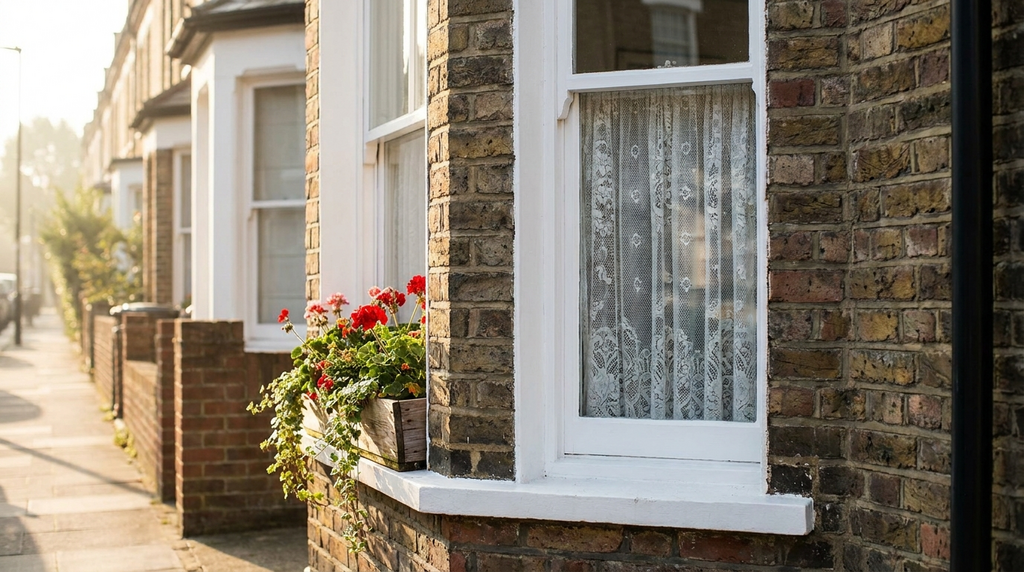
- Victorian and Edwardian sash windows, Common in older streets near the High Street and around Week Street. Replacing these requires specialist sash double glazing units, not standard casement frames
- Access and parking, Installers working in the denser parts of town sometimes face restricted van parking and narrow side passages on semi-detached plots, which can affect labour time and therefore cost
- Cavity wall interaction, Many mid-century homes in Maidstone were built with shallower window reveals. When upgrading to modern double glazed units, the depth of the new frame needs careful measurement to avoid weather-proofing problems
How Much Double Glazing Costs in Maidstone and the South East Area in 2026
Let’s talk real numbers. Maidstone sits in a sweet spot for pricing, labour costs are moderate compared to London but slightly above the national average. This reflects South East wage levels. You benefit from strong installer competition because local companies serve the Maidstone-Chatham-Tonbridge corridor, keeping quotes competitive.
The table below gives you a solid working budget for a typical Maidstone property in 2026. These figures assume uPVC frames, standard double glazed units, and straightforward access. Add 15-25% for timber frames, and 20-30% for aluminium.
| Property Type | Number of Windows | Basic uPVC (A-rated) | Premium uPVC (A+ rated) | Timber Frames |
|---|---|---|---|---|
| 2-bed semi-detached | 6-8 windows | £3,200 – £4,800 | £4,500 – £6,200 | £6,500 – £9,000 |
| 3-bed semi-detached | 8-10 windows | £4,200 – £6,000 | £5,800 – £8,000 | £8,500 – £12,000 |
| 3-bed detached | 10-12 windows | £5,500 – £7,500 | £7,200 – £10,000 | £10,500 – £15,000 |
| 4-bed detached | 12-16 windows | £7,000 – £10,500 | £9,500 – £13,500 | £13,000 – £20,000 |
| Front door (composite) | 1 door | £1,100 – £1,600 | £1,600 – £2,200 | £2,000 – £3,500 |
Compared to Tunbridge Wells (24km away), where installer demand pushes prices up by roughly 8-12%, Maidstone typically comes in cheaper. Against Chatham (11km), prices are broadly similar. The national average for a full house double glazing replacement currently sits around £5,500 for a three-bed semi, Maidstone prices are roughly in line with this, occasionally just above due to South East labour rates.
Insider tip, avoid booking in July and August. South East installers are often busy with summer conservatory work, and prices drift upward. January through March tends to bring sharper quotes as installers fill their schedules.
How Maidstone’s Weather and Location Affect Your Double Glazing Choices
Here’s where living in east Kent genuinely changes the equation. Maidstone receives only 500-700mm of rainfall per year, well below the UK average, which is good news for your frames and seals. Drier conditions mean less moisture stress on window joints, and uPVC performs especially well in these conditions over the long term.
But the easterly wind exposure is the real story. In winter, cold air masses tracking across from continental Europe funnel through the Thames Estuary and hit Maidstone with surprising ferocity. This is exactly the scenario where the gap between a basic double glazed unit and a proper high-performance one becomes tangible. A standard 4mm-12mm-4mm unit with air fill will do a job, but if you’re in an exposed position, on higher ground toward Detling Hill or on a corner plot in a suburban estate, upgrading to argon-filled units with a wider cavity makes a real difference to draughts and cold radiation from the glass.
On the upside, Maidstone enjoys exceptional solar irradiance, 1,100-1,200 kWh per square metre per year, among the best in the UK. South and south-west facing rooms genuinely benefit from solar heat gain through glass in winter. Choosing windows with a higher solar heat gain coefficient (SHGC) on your south-facing elevation can meaningfully contribute to passive solar warming during those cold easterly periods, reducing your heating demand naturally.
The Products and Options That Work Best Here
Given Maidstone’s climate profile, here’s an honest expert recommendation rather than a generic product list.
For the Majority of Maidstone Homes
uPVC frames with argon-filled double glazing are the workhorse choice and the right one for most properties. Look for units rated at least A on the BFRC Window Energy Rating scale, ideally A+. For the south-facing windows where solar gain matters, ask specifically about glass with a higher SHGC value rather than defaulting to the installer’s standard spec.
- Frame colour, White uPVC is cheapest and lowest maintenance, but anthracite grey and woodgrain foil finishes are increasingly popular on Maidstone’s newer detached homes. They cost 10-15% more but can look significantly better
- Glazing unit specification, Aim for a centre-pane U-value of 1.1 W/m²K or below. Units hitting 1.0 or below are worth the modest extra cost given those easterly winters
- Warm edge spacer bars, These replace the traditional aluminium bar around the edge of the glass with a thermally broken alternative. Reduces condensation on the glass edge and improves overall frame U-value. Ask every installer if these are included as standard, in 2026 they should be
- Trickle vents, Required under Part F of the Building Regulations for replacement windows. Some homeowners resist them, but in Maidstone’s drier climate they work well without causing excessive heat loss
For Older and Conservation Properties
If you’re in one of the conservation areas around central Maidstone or in a period property, slim-profile double glazed units that replicate the look of original single glazed windows are worth exploring. These use a narrower sealed unit (sometimes 8-10mm overall rather than the standard 24-28mm) that fits within original timber frames. They’re not as thermally efficient as full-depth units, but they’re far better than single glazing and may be the only option that gets approval.
How to Find a Trustworthy Double Glazing Installer Near Maidstone
Maidstone has strong installer coverage. Several well-established local companies serve the town directly, and because they also cover Chatham, Tonbridge, Sevenoaks, and Tunbridge Wells, they have high-volume operations that keep overheads, and prices, competitive. But the market also attracts less reputable operators, so knowing what to look for matters.
Certifications That Count
- FENSA, This is non-negotiable for replacement windows and doors. FENSA-registered installers self-certify their work complies with Building Regulations, which means you get a certificate you need when selling your home
- TrustMark, Government-endorsed quality scheme. A useful additional layer of confidence
- CERTASS, An alternative to FENSA that carries the same legal weight. Both are equally valid
- Which? Trusted Traders, Worth checking alongside the above
Questions to Ask Before You Sign Anything
- Are you FENSA or CERTASS registered, and will you provide a certificate on completion
- What is the U-value of the glazing units you’re quoting, and are argon fill and warm edge spacers included
- What is the exact frame profile brand and thickness
- How long is the guarantee on frames, sealed units, and hardware separately
- Who manufactures your sealed units, are they made in the UK
Red flags, pressure to sign on the day, “today only” discounts, no physical business address, and vague answers about U-values are all warning signs. Any installer who can’t immediately tell you the centre-pane U-value of what they’re quoting you either doesn’t know or doesn’t want you to know. Walk away.
Lead times in the South East currently run 4-8 weeks from order to installation for standard made-to-measure units. If someone quotes you less than two weeks, ask specifically whether the units are genuinely being made to measure or if they’re using stock sizes.
Grants and Funding That Could Reduce Your Costs in 2026
Funding for double glazing is available but requires careful navigation. Here’s the honest picture for Maidstone residents.
ECO4 (Energy Company Obligation)
The ECO4 scheme funds energy efficiency improvements for lower-income households and those in fuel poverty. Double glazing is an eligible measure under ECO4 when combined with other improvements (it’s rarely funded as a standalone measure). To qualify, you generally need to be receiving means-tested benefits and have a property at EPC Band D or below, which describes the Maidstone average exactly. Contact Maidstone Borough Council’s housing team or use the ECO4 eligibility checker on the government website. Work is delivered through energy suppliers’ approved installers.
Great British Insulation Scheme (GBIS)
The Great British Insulation Scheme closed on 31 March 2026. It funded insulation measures only and never covered windows or glazing. Eligibility centres on EPC rating and household income. Worth checking if you’re also considering other improvements.
Maidstone Borough Council Schemes
Maidstone Borough Council has participated in Kent-wide retrofit programmes. Check directly with the council’s environmental services team for any current local authority retrofit funding or referral schemes, these can change quarterly and aren’t always well publicised. Kent County Council has also historically run additional schemes alongside national programmes.
VAT on Energy-Saving Materials
Glazing is standard-rated for VAT at 20%. The zero rate for energy-saving materials covers insulation, heat pumps and solar panels; HMRC names secondary and double glazing as excluded (VAT Notice 708/6). Every legitimate installer should be applying this automatically.Glazing is standard-rated for VAT at 20%, so a quote showing 20% VAT is correct and should not be challenged. The zero rate for energy-saving materials covers insulation, heat pumps and solar panels; HMRC names secondary and double glazing as excluded (VAT Notice 708/6).
Planning Permission and Regulations in Maidstone
For most Maidstone homeowners, replacing like-for-like windows doesn’t require planning permission, it falls under permitted development rights. But there are important exceptions you need to know about.
When You Do Not Need Planning Permission
Standard replacement double glazing on a semi-detached or detached property in a standard residential area is permitted development. Your FENSA-registered installer handles Building Regulations compliance through self-certification, so you won’t need to make a separate application to Maidstone Borough Council.
When You Might Need Approval
- Conservation areas, Central Maidstone and several village conservation areas within the borough require that replacement windows maintain the character of the original. You may need to apply for planning permission, particularly if changing frame material (e.g., from timber to uPVC)
- Listed buildings, Full listed building consent is required. Standard double glazing is often not acceptable in a listed building, you’ll likely need specialist slim-profile units and may need English Heritage guidance
- Article 4 Directions, Some specific streets and estates in Maidstone borough have Article 4 Directions that remove permitted development rights. Check with Maidstone Borough Council’s planning department before proceeding if you’re unsure
- Flats and maisonettes, Permitted development rights don’t apply to flats. You’ll need both planning permission and potentially freeholder consent
The safest approach is a quick email to