Why Chatham Homeowners Are Turning to Double Glazing Right Now
There’s a particular kind of draught that Chatham residents know well, that sharp, cold easterly wind that cuts across the Medway valley in January and February, finding every gap around an ageing window frame. If you’ve ever sat in your front room watching your curtains move while the heating’s on full blast, you’ll understand exactly why double glazing is climbing up so many local to-do lists right now.
Chatham sits in an interesting position in 2026. The town’s housing stock, heavily weighted towards Victorian and Edwardian terraces along with 1950s and 1960s semi-detached estates, contains a huge number of properties still wearing their original single-glazed windows. With energy prices remaining stubbornly high and the average Chatham home sitting at EPC Band D, the gap between what these homes cost to run and what they could cost to run is genuinely significant.
There’s also the noise factor. Living close to the town centre, near Chatham railway station, or along busy routes like the A2 means traffic noise is a daily reality for thousands of residents. Modern double glazing does a remarkable job of cutting that out, something that matters as much as the heating bills for many families here.
The good news is that Chatham has solid installer coverage. Local companies regularly serve the whole Medway cluster as well as nearby towns like Maidstone, Sevenoaks, and Southend-on-Sea, which keeps competition healthy and prices reasonable compared to areas closer to London.
What Double Glazing Actually Involves for a Typical Chatham Home
Most Chatham properties fall into two broad categories for double glazing, and understanding which one you’re dealing with changes everything about the process.
The first is the Victorian and Edwardian terrace. You’ll find these all across the older parts of Chatham, from the streets near the Historic Dockyard up through Luton and into parts of Gillingham that border the town. These homes typically have large, tall sash windows with deep reveals. They’re beautiful, but they present a real installation challenge, standard casement double glazing rarely looks right, and the window openings often aren’t standard sizes, meaning frames need to be made to measure.
The second category is the post-war semi-detached. The estates built through the 1950s, 1960s, and into the 1970s, areas like Walderslade, Lordswood, and parts of Princes Park, generally have more straightforward rectangular windows that are much simpler to replace. Installation in these homes tends to be quicker and cheaper, and off-the-shelf frame sizes are more likely to fit.
Practical Challenges to Know About in Advance
- Terraced access, If you’re in a mid-terrace and the only access to your rear garden is through the house, getting large window frames in and out can be awkward and occasionally adds time to the job
- Bay windows, Very common in Chatham’s Edwardian stock and always more expensive than flat-fronted windows due to the angled frames required
- Non-standard reveals, Older homes often have brick reveals that are deeper than modern buildings, requiring specially ordered frames
- Existing frame condition, Many homes in the area still have wooden frames that look solid but have rotted sills underneath, which can add to the prep work
- Conservation considerations, Parts of central Chatham fall within conservation zones where what you install genuinely matters
How Much Double Glazing Costs in Chatham and the South East in 2026
Let’s talk real numbers. Chatham sits in a sweet spot for pricing, labour costs here are noticeably lower than in London or even parts of Surrey and west Kent, but higher than the Midlands or North. You’re looking at roughly 10 to 15 percent above the national average for installed costs, which is pretty typical for the South East outside the M25.
| Property Type | Number of Windows | Standard uPVC (installed) | Premium uPVC or Composite | Aluminium Slim-Frame |
|---|---|---|---|---|
| 2-bed terraced | 6–8 windows | £3,200 – £4,500 | £5,000 – £7,000 | £7,500 – £10,000 |
| 3-bed semi-detached | 8–10 windows | £4,200 – £5,800 | £6,500 – £9,000 | £9,500 – £13,500 |
| 4-bed semi or detached | 10–14 windows | £5,500 – £7,500 | £8,500 – £12,000 | £12,000 – £17,000 |
| Victorian terrace with bays | 6–8 windows + bay | £5,000 – £6,500 | £7,500 – £10,500 | £11,000 – £15,000 |
Prices for equivalent work in Maidstone run very similarly. Head north towards the Thames or east towards Sittingbourne and you’ll find slightly lower quotes from some installers covering those areas. Sevenoaks and the affluent parts of west Kent tend to run higher, partly because of conservation area complexity and partly because of the premium those installers charge.
One important tip, always ask whether VAT is included in any quote you receive. Glazing is standard-rated for VAT at 20%. The zero rate for energy-saving materials covers insulation, heat pumps and solar panels; HMRC names secondary and double glazing as excluded (VAT Notice 708/6).
How Chatham’s Weather and Location Shape the Best Double Glazing Choices
Chatham’s climate is genuinely distinctive in ways that should influence what you buy, and most generic double glazing guides completely miss this.
The town sits in the Medway valley and gets fewer heating degree days than northern England, somewhere in the 1,200 to 1,500 range annually. That means your windows don’t need to be absolute thermal fortresses the way they might in, say, Newcastle. But what Chatham does get is that cold easterly wind, particularly in late winter and early spring, blowing in across the North Sea and the Thames Estuary with very little to break it up before it reaches your front elevation.
This means the thermal performance of your windows’ edge seals and frame quality genuinely matters, cheap frames with poor corner welds will fail faster here than in calmer climates. Look for frames tested to British Standard BS 6375 for weather performance.
On the flip side, Chatham gets excellent solar irradiance, around 1,100 to 1,200 kWh per square metre per year, among the best in England. South-facing windows on Chatham homes are genuinely valuable assets for passive solar gain in winter. This is an argument for choosing glass with a higher Solar Heat Gain Coefficient (SHGC) on south-facing elevations rather than the heavily reflective glass some installers push as standard. On north-facing elevations, prioritise the lowest U-value you can afford.
Rainfall here is relatively low, around 500 to 700mm per year, so water infiltration through window seals is less of a daily battle than in wetter parts of the UK. Even so, the chalk and clay geology around Chatham means some areas see moderate ground movement, which over time can stress window frames and cause seals to fail. If your home has already had any subsidence history, mention this to your installer.
The Products and Options That Actually Perform Well in Chatham
Based on local conditions, here’s an honest expert view on what to buy, not a catalogue rundown, but actual recommendations for Chatham homes.
For Victorian and Edwardian Terraces
Timber-look uPVC sash windows are far and away the best option here. They maintain the character of the property, satisfy most conservation-adjacent requirements, and deliver genuine thermal performance. Look for a U-value of 1.4 W/m²K or below, achievable with modern double glazing without needing to go to triple glazing. Avoid bright-white uPVC in these situations; it looks completely wrong against Victorian brickwork.
For Post-War Semis and Estates
Standard white or grey uPVC casement windows represent excellent value. For a Walderslade or Lordswood semi, there’s no strong argument for spending extra on aluminium unless you specifically want the slimmer sightlines for aesthetic reasons. A good quality uPVC unit with A-rated energy performance and argon-filled glass will serve you well for 20 to 25 years.
Glass Specification, Don’t Skip This Bit
- Argon fill as standard, widely available and meaningfully better than air-filled units
- Low-E coating (soft coat) on all units, reduces heat loss without significantly affecting visible light
- Warm edge spacer bars, reduces condensation on the inner pane, particularly relevant during Chatham’s cold easterly spells
- U-value of 1.2 to 1.4 W/m²K, the sweet spot between performance and cost for this climate zone
- Triple glazing, probably not worth the premium here given milder winters, unless you’re on a very exposed north or east elevation
Acoustic Performance
If you’re near the A2, the railway line, or the town centre, ask specifically for acoustic glass, typically a laminated inner pane. It adds around £50 to £80 per window but genuinely transforms liveability in affected properties.
How to Find a Trustworthy Double Glazing Installer Near Chatham
Chatham has good installer coverage, there are established local firms based in the Medway area itself, and companies from Maidstone and Sittingbourne frequently cover Chatham jobs too. The challenge isn’t finding someone, it’s finding someone good.
Certifications That Actually Matter
- FENSA registration, this is essential, not optional. FENSA-registered installers self-certify that their work meets Building Regulations, saving you the cost and hassle of applying for council inspection. Always check the FENSA register online before signing anything
- CERTASS, an alternative to FENSA that carries the same weight; equally valid
- TrustMark, a government-endorsed quality scheme; a useful additional indicator of a legitimate business
- GGF membership, the Glass and Glazing Federation; members have access to a deposit protection scheme and dispute resolution, which matters if things go wrong
Questions to Ask Before You Commit
- Are you FENSA or CERTASS registered and will you provide a certificate on completion
- What is the U-value of the glass units you’re quoting
- What warranty do you offer on frames and on the sealed glass units separately
- Who manufactures your frames and where are they made
- Can you provide references from recent jobs in the Medway area
Red Flags to Walk Away From
- High-pressure sales tactics, same-day-only pricing, or “manager’s discount” theatrics
- No physical address or only a mobile number
- Quotes that don’t specify the glass U-value or frame specification in writing
- Asking for more than a 25% deposit upfront
Lead times in the South East currently run at around four to eight weeks for standard orders. If anyone promises you a job done in under two weeks, ask why, it usually means they’re using stock frames rather than made-to-measure units.
Grants and Funding Available to Chatham Residents in 2026
Funding for double glazing specifically has tightened compared to a few years ago, but there are still routes worth exploring, and Chatham residents do have some local options beyond the national schemes.
ECO4 (Energy Company Obligation)
This is the main national scheme for lower-income households. If your home is EPC Band D or below (which describes the average Chatham property exactly) and you receive qualifying benefits such as Universal Credit, Pension Credit, or Child Benefit with a household income below the threshold, you may be eligible for fully-funded or heavily subsidised glazing work. Your installer or an ECO4 broker can carry out a quick eligibility check, it costs nothing to find out.
Great British Insulation Scheme (GBIS)
The Great British Insulation Scheme closed on 31 March 2026. It funded insulation measures only and never covered windows or glazing. Eligibility is broader than ECO4, it’s based partly on your EPC rating and partly on local deprivation data. Chatham’s mix of income levels means a reasonable proportion of residents qualify. Medway Council has participated in referral arrangements with energy suppliers under this scheme.
Medway Council Local Support
Medway Council, the local authority covering Chatham, has run targeted retrofit support schemes and may offer additional top-up funding or referral pathways for qualifying households. It’s always worth calling the council’s housing or energy team directly to ask what’s current, as these schemes open and close throughout the year.
What Grants Won’t Cover
Be realistic, if you own a mid-market property and don’t receive benefits, you’re unlikely to get free windows in 2026. What you may get is a 0% finance arrangement through a reputable installer, which at least spreads the cost without adding to it. Always compare the total cost of a finance deal against simply saving up, and never sign a credit agreement on the same day as a sales visit.
Planning Permission and Building Regulations in Chatham
The good news first, for the vast majority of Chatham homeowners in standard terraced or semi-detached properties, replacing windows with double glazing is permitted development. You don’t need to apply for planning permission as long as the new windows are of a similar appearance to those they’re replacing.
However, there are important exceptions specific to this area.
Conservation Areas
Parts of central Chatham and areas around the Historic Dockyard sit within conservation zones managed by Medway Council. In these areas, permitted development rights for window replacement are removed or restricted. You’ll typically need to apply for planning permission, and the council will require the new windows to match the character of the existing building, which usually means timber-look frames or genuine timber rather than standard white uPVC. Contact Medway Council’s planning department before ordering anything if you think you might be in a conservation area, you can check online via their planning portal.
Listed Buildings
If your property is listed, there are listed buildings around the Dockyard and parts of the historic town centre, you’ll need Listed Building Consent before changing any windows. Standard double glazing is sometimes refused on listed properties entirely; secondary glazing is often the preferred solution in these cases.
Frequently Asked Questions About Double Glazing in Chatham
In Chatham, most homeowners are paying between £400 and £600 per window for uPVC double glazing, with a full house installation typically ranging from £3,500 to £8,000 depending on property size and frame style. Given that the average Chatham home sits at EPC Band D, upgrading from single glazing could save you around £150 to £300 annually on energy bills. Always get at least three quotes from local Kent installers to make sure you're getting a fair price for your area.
The Great British Insulation Scheme closed on 31 March 2026. It funded insulation measures only and never covered windows or glazing. Medway Council also signposts residents toward ECO4 funding if you receive certain benefits, which can significantly reduce or even eliminate upfront costs. It's worth checking the government's Simple Energy Advice service or contacting Medway Council directly to find out exactly what you're entitled to.
Absolutely, the majority of Chatham's housing stock includes Victorian and Edwardian terraces that lose a significant amount of heat through older windows, making double glazing one of the most impactful upgrades you can make. As well as lower energy bills, you'll notice a real reduction in noise from nearby roads and the town centre, which is a big bonus for many Chatham streets. Most homeowners in Medway find the investment pays back within 10 to 15 years purely through energy savings, not counting added property value.
Look for installers who are registered with FENSA or Certass, as this means they can self-certify the work meets building regulations without you needing a separate inspection, this is a legal requirement in England. There are several well-reviewed local glazing companies operating across Medway and the wider Kent area in 2026, and checking reviews on Checkatrade or Trustpilot for specifically Chatham-based jobs will give you a good sense of reliability. Always ask for a written guarantee on both the frames and the sealed glass units, ideally 10 years or more.
Yes, replacing single glazing with A-rated double glazing can push a typical Chatham Band D home up by one or even two EPC bands, which matters a lot if you're planning to sell or let the property. From 2026 onward, energy efficiency ratings are increasingly scrutinised by mortgage lenders and buyers across the South East, so the improvement has real financial value beyond just bill savings. An updated EPC from a registered assessor in Medway will reflect the new windows and give you an official record of the improvement.
From your initial survey to completion, most Chatham installations take between three and six weeks, with the actual fitting of a full house usually completed within one to three days depending on the number of windows. Lead times can stretch a little longer during busy spring and summer periods when demand across Kent is high, so booking early in the year is a smart move. A reputable installer will confirm exact timescales in writing before you commit.
Most Chatham homeowners do not need planning permission for double glazing, as it falls under permitted development rights, but there are important exceptions worth checking before you proceed. If your home is in a conservation area or is a listed building, you'll need to contact Medway Council's planning department first, as restrictions apply to the style and materials used. Your FENSA-registered installer will be able to advise you on whether your specific property or street in Chatham has any special requirements.
For the Victorian and Edwardian properties common across Chatham, many homeowners opt for uPVC in a traditional sash or casement style, which balances cost-effectiveness with period-appropriate appearance. If your home is in one of Chatham's heritage streets, timber or timber-effect composite frames may be a better fit aesthetically and could be required if you're near a conservation zone. In all cases, look for units with a low-emissivity (low-e) coating and argon gas fill, as these deliver the best thermal performance for the South East's climate in 2026.
Windows & Doors Companies Near Chatham
Latest Guides on Windows & Doors

Wooden sash windows, cost and care (UK, 2026)
Wooden sash windows cost more upfront than any other sash material, but the total cost of ownership depends on your maintenance commitment and energy targets. Are you considering wooden sash windows for your home in 2026 and wondering how they compare on price and upkeep? The upfront cost is higher than other materials, but the […]
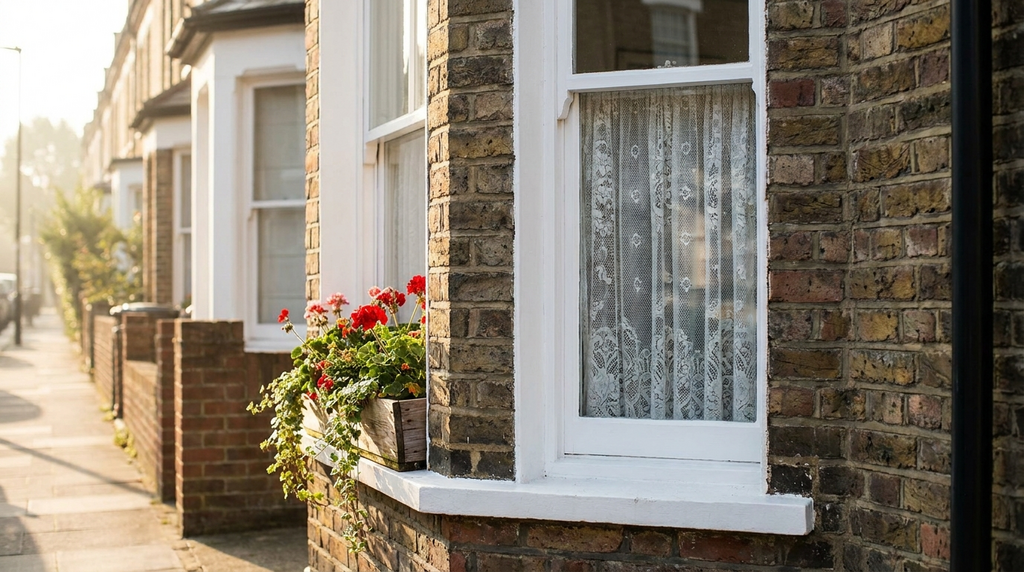
uPVC sash windows, A UK Buying Guide
The most important thing to know before you buy uPVC sash windows in 2026 uPVC sash windows have become a mainstream choice for homeowners who want the classic vertical-sliding look without the annual painting and rot risk of timber. The core question is whether the lower maintenance and lower upfront cost justify the trade-offs in […]

How to clean sash windows correctly
Cleaning sash windows starts with the right tools and a no-scratch method Many homeowners assume that cleaning sash windows is the same as cleaning any other window type. The key difference is that sash windows have moving parts, painted or uPVC frames, and often older glass that can be easily damaged by the wrong cleaning […]
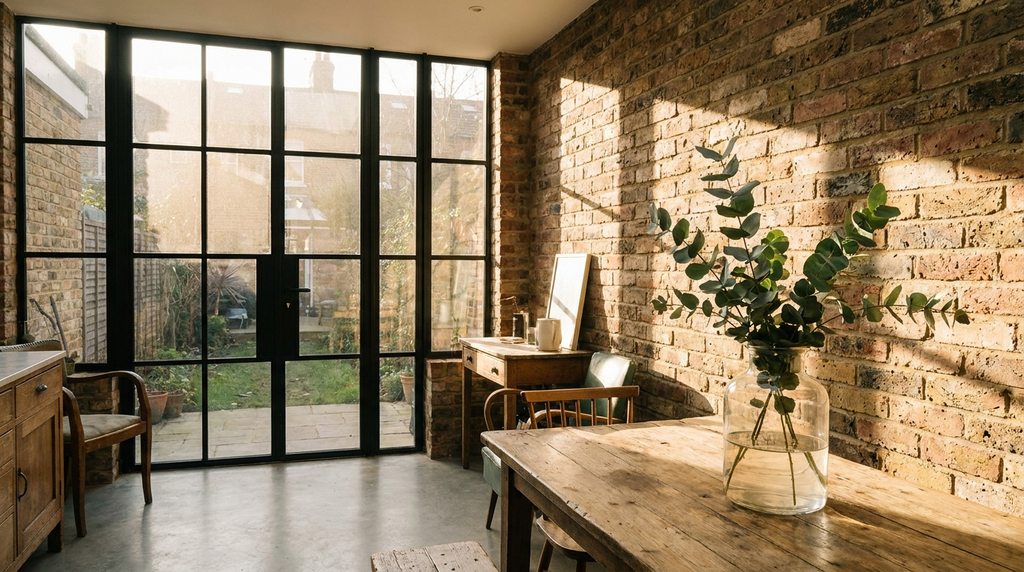
Sash windows costs UK 2026
The average cost to install sash windows in a UK home in 2026 is £2,400–£6,800 per window (including fitting and VAT) Poorly performing single-glazed sash windows can account for up to 18% of a home’s total heat loss, according to 2026 GOV.UK Energy Price Guarantee data. Replacing them is one of the most effective ways […]
Verified resources for Chatham
Use these official UK sources to check installer credentials, grant eligibility and planning rules before you commit.
Find a verified installer
Grants you may qualify for
In-depth windows & glazing reading.
Triple glazing is becoming the UK standard
Triple glazing now costs from £400 to £800 per window – here is what the 2026 data shows The average cost for a triple-glazed uPVC window in a standard size, installed, now falls between £400 and £800. This figure comes from the Glass and Glazing Federation (GGF) 2026 market report (GGF, 2026). This price covers […]
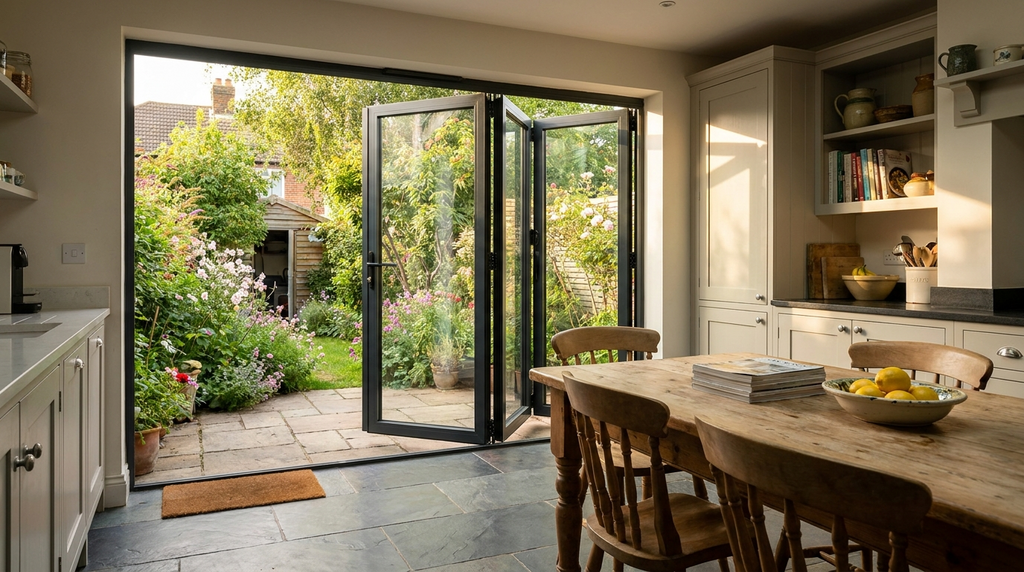
Slim frame aluminium windows for period homes
The defining trade-off with slim aluminium windows is thermal efficiency for sightline width Homeowners restoring a period property often face a difficult choice between preserving the original aesthetic and meeting modern energy standards. Slim aluminium windows offer a way to keep the slender frame profile that matches historic steel or timber designs. The central compromise […]
Warm edge spacers, the tiny fix for steamed up windows
Why warm edge spacers stop condensation forming on window edges Condensation on windows is a persistent problem in UK homes, particularly during winter. It forms where the glass meets the frame because that edge is the coldest point on the window surface. Warm edge spacers solve this by raising the temperature at the glass edge, […]
New window rules in 2026
New window rules in 2026 came into force on 15 June 2026 If you are planning to replace windows or build a new home in 2026, the rules changed on 15 June. The 2026 update to Part L of the Building Regulations for England took effect on that date, as confirmed by the Ministry of […]
Window prices are rising in 2026, buy now or wait
Average window replacement cost in the UK in 2026 – £3,000 to £8,000 for a standard semi-detached home If you are planning to replace your windows this year, the first question is likely what it will cost. The answer depends heavily on the materials you choose and the size of your property. For a standard […]
How messy is having new windows fitted?
How messy is having new windows fitted? Homeowners considering replacement windows often worry about the disruption to their daily life. Dust, noise, and debris are unavoidable when old frames are removed and new ones installed. For a typical 3–5 window replacement, expect moderate dust and noise for 1–3 days, with clean-up taking 30–90 minutes per […]
Get Double Glazing Quotes in Chatham
Compare quotes from trusted local eco home installers. No obligation.
Get a Free Quote