Why Basildon Homeowners Are Paying Serious Attention to Double Glazing Right Now
There’s something telling about the fact that Basildon consistently ranks among the windier spots in Essex during winter. Those cold easterly winds that sweep in across the flat Thames Estuary corridor don’t just feel unpleasant, they drive heat out of poorly glazed homes at a rate that really shows up on your energy bills.
Basildon was largely built in the postwar new town era, which means a huge proportion of its 107,000 residents are living in homes that were originally fitted with single-glazed steel or timber casement windows. Many have been upgraded piecemeal over the decades, but there’s still a significant chunk of the town’s terraced and semi-detached housing stock running on ageing double glazing that’s well past its best. Seals that have failed, condensation trapped between panes, draughty frames, it’s a familiar story on estates across Fryerns, Barstable, Lee Chapel, and Vange.
With Basildon sitting at an average EPC Band D rating, the town is right at the national average, which sounds fine until you realise it means there’s enormous room for improvement. Upgrading to quality double or triple glazing is one of the most visible, immediate ways to push that rating upward, and it’s something most homeowners can actually do without major structural work.
The other driver right now is the cost of gas. Basildon’s average gas consumption sits around 10,800 kWh per year, close to the national median, and every unit of heat that escapes through inefficient windows costs you money. When you pair that with Basildon’s genuinely excellent solar irradiance (among the best in the UK at around 1,100 to 1,200 kWh per square metre per year), getting your glazing sorted becomes the foundation for any serious energy upgrade, if you’re thinking about solar panels or a heat pump down the line.
What Double Glazing Actually Involves for a Typical Basildon Home
Most of the homes you’ll find across Basildon’s residential estates, if you’re in Pitsea, Wickford’s outskirts, or the older streets around Laindon, follow a pretty consistent pattern. You’re looking at two or three-bedroom semi-detached or terraced properties, built anywhere from the late 1940s through to the 1980s, with brick cavity walls and relatively standard window openings.
The good news is that these homes are genuinely well-suited to double glazing upgrades. The window openings tend to be standard sizes, which keeps costs down and speeds up the job. A typical semi-detached in Basildon might have eight to twelve window units plus a front door, a straightforward two-day installation for an experienced team.
Where it gets more interesting is in the older stock. Pre-1965 homes in areas like Laindon and parts of Billericay (on the borough’s edge) sometimes have non-standard window sizes and original features worth preserving. Here, you’ll want to discuss your options carefully with the installer, slim-profile double glazing can replicate the look of original casements without sacrificing thermal performance.
A few practical realities for Basildon’s street layouts worth knowing about:
- Many terraced streets have no front-garden access, meaning scaffolding or access equipment for upper floors needs to come from the road, this can add a small premium depending on parking restrictions
- Homes on corner plots (common in the town’s grid-style estate planning) often have more exposed elevations, making quality frame sealing even more important
- Flat-roofed extensions common in 1970s Basildon homes sometimes have unusual glazing requirements that need specialist measurement
- Some homes in Basildon borough still have original steel-framed windows, removing these requires care and occasionally asbestos awareness checks on surrounding materials
How Much Double Glazing Costs in Basildon and the East of England Area in 2026
Let’s talk actual numbers, because vague “it depends” answers don’t help you budget. Basildon sits in a reasonably competitive installer market, you’ve got local firms covering the town directly, plus companies from Southend-on-Sea (16km away), Chelmsford (18km), and even Havering (19km) all competing for work here. That competition generally keeps prices slightly below London rates but on a par with or marginally above the East of England average.
| Property Type and Scope | Basildon Estimate | East of England Average | National Average |
|---|---|---|---|
| 2-bed terrace, full house (8 windows) | £3,800 – £5,200 | £3,600 – £5,000 | £3,400 – £4,800 |
| 3-bed semi-detached, full house (10–12 windows) | £5,000 – £7,500 | £4,800 – £7,200 | £4,500 – £7,000 |
| Single casement window replacement | £450 – £700 | £420 – £680 | £400 – £650 |
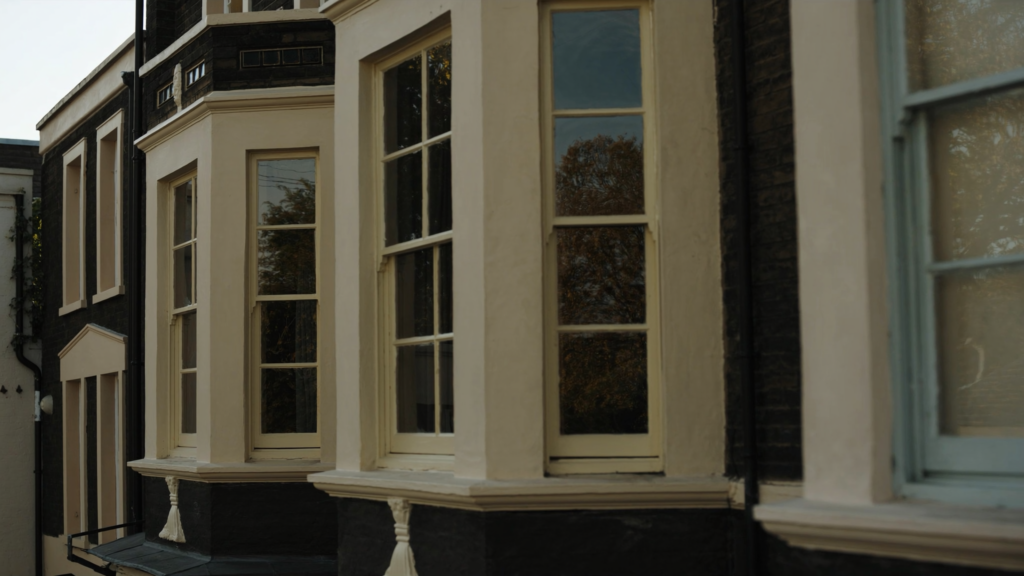
| Bay window unit (front of semi) | £900 – £1,600 | £850 – £1,500 | £800 – £1,400 |
| Composite front door with glazing | £1,200 – £1,800 | £1,100 – £1,700 | £1,000 – £1,600 |
| Upgrade to triple glazing (full semi) | £7,500 – £11,000 | £7,200 – £10,500 | £7,000 – £10,000 |
The slight premium in Basildon compared to the national average reflects labour costs in the South East, plus the fact that access challenges on some tighter estate roads can add a couple of hours to a job. However, you won’t pay anywhere near the London premium, Basildon is genuinely one of the more affordable spots in the region to get quality glazing work done.
Insider tip: Getting three quotes is standard advice, but in Basildon’s market specifically, always ask whether any of the firms are based in Southend or Chelmsford and whether they charge a call-out supplement. Some do, some don’t, and it’s worth knowing before you sign anything.
How Basildon’s Weather and Location Shape the Right Glazing Choice
Basildon’s climate is genuinely distinctive, and it should directly influence the glazing specifications you choose. Being in the eastern Thames corridor means you get less rainfall than much of England, typically 500 to 700mm per year, so moisture-driven issues like rot and seal failure from external damp are less of a concern than they are in, say, the north-west. That’s good news for frame longevity.
What you do get, and what many people underestimate, is wind. Cold easterly winds in winter funnel across the flat Essex landscape with very little to slow them down. A thermally inefficient window on an east-facing elevation of a Pitsea or Vange semi can feel genuinely brutal on a January morning. This is the argument for specifying a lower U-value than the minimum required by building regulations, aim for 1.2 W/m²K or better rather than accepting the basic 1.6 W/m²K that some budget installers quote.
The solar angle is the other big factor. Basildon’s irradiance levels are exceptional for England, around 1,150 kWh per square metre per year. South-facing windows in particular can contribute meaningful passive solar gain in winter, so the glazing specification for your south elevation matters differently to your north elevation. A good installer will discuss solar control coatings with you and help you understand when you want heat coming in (winter, north-facing rooms) versus when you want to limit glare and overheating (south-facing living rooms in summer).
The Glazing Products That Actually Perform Well in Basildon Homes
Given everything above, here’s an honest expert view on what to specify for a typical Basildon property rather than a generic product list.
Frames
uPVC remains the most cost-effective choice for Basildon’s standard estate housing and performs excellently. Modern multi-chamber uPVC profiles are thermally very efficient and stand up well to the coastal-adjacent conditions. For period properties or homes in Billericay’s more characterful streets, timber composite frames give a better aesthetic without the maintenance overhead of pure timber.
Glazing Specifications
- Standard double glazing, aim for at least a 16mm argon-filled cavity with a warm-edge spacer bar. U-values of 1.2 W/m²K are achievable at reasonable cost and represent a significant upgrade over older units
- Low-E glass coating, essential on north and east-facing windows to reflect heat back into the room during winter winds
- Solar control glass, worth considering on south-facing glazing, particularly in open-plan living spaces that may overheat in summer given Basildon’s high sunshine hours
- Triple glazing, genuinely worth considering if you’re also planning a heat pump installation, as it reduces fabric heat loss to the point where a smaller, cheaper heat pump unit can do the job
Energy Ratings
Look for Window Energy Ratings (WER) of A or A+ as a minimum. An A-rated window will have a WER score of zero or above, meaning it gains more energy from solar radiation than it loses through conduction. In Basildon’s sunny climate, this is a real-world benefit on south-facing elevations, not just a marketing claim.
Finding a Trustworthy Double Glazing Installer Near Basildon
The Basildon installer market is reasonably healthy. You’ll find local firms based in the town itself, and the surrounding cluster of Southend, Chelmsford, and Havering means there’s genuine competition. But as with any home improvement sector, quality varies enormously.
The certifications that actually matter for double glazing work in England are straightforward:
- FENSA registration, this is the key one. FENSA-registered installers can self-certify that their work meets building regulations, which saves you the hassle and cost of a council building control inspection. Always check your installer is FENSA registered
- CERTASS membership, an alternative to FENSA, equally valid and worth accepting
- TrustMark accreditation, a government-endorsed quality scheme that adds an extra layer of consumer protection, particularly important if you’re applying for any grant funding
- Which Trusted Trader or Checkatrade profiles, not a certification as such, but local reviews from verifiable Basildon and Essex postcodes carry real weight
Questions worth asking any installer before you commit:
- Are you FENSA or CERTASS registered, and will you provide a certificate on completion
- What is included in your guarantee, and is it backed by an insurance-backed warranty (IBW)
- Do you manufacture your own frames or use a third-party fabricator, this affects lead times and who handles warranty claims
- What is your current lead time from deposit to installation
Lead times in the East of England currently run at four to eight weeks for most reputable installers, be wary of anyone promising installation within a week unless it’s a genuine cancellation slot.
Red flag to watch for in Basildon specifically: Some national glazing firms use high-pressure same-day discount tactics. Walk away from any salesperson who tells you the price will increase if you don’t sign that evening. Reputable local firms don’t operate that way.
Grants and Funding That Could Reduce Your Costs in 2026
The honest truth about glazing grants in 2026 is that standalone double glazing grants are harder to access than they were a few years ago, but there are still real routes to funding for many Basildon households.
ECO4 Scheme
The Energy Company Obligation (ECO4) can cover double glazing as part of a wider package of energy efficiency measures. To qualify, you typically need to be receiving means-tested benefits such as Universal Credit, Pension Credit, or similar, and your home needs to be EPC Band D or below, which covers the majority of Basildon’s housing stock. Basildon Borough Council can refer eligible households to the scheme via their energy advice service. The glazing work must be installed alongside other measures (not as a standalone installation) to qualify.
Great British Insulation Scheme (GBIS)
GBIS continues in 2026 and can support glazing upgrades where they form part of a broader insulation improvement plan. Again, eligibility is means-tested for the full grant, but there’s also a general group that includes properties in lower Council Tax bands, worth checking if your Basildon home falls into bands A to D.
Basildon Borough Council Local Support
Basildon Borough Council has periodically run warm homes schemes in partnership with Essex County Council and local energy charities. Contact the council’s housing or environmental health team directly to ask what’s currently available, schemes come and go and the most current information will always be held locally rather than on national websites.
Flexible Finance
If grants don’t apply to your situation, many reputable installers offer 0% or low-interest finance over 24 to 60 months. On a £6,000 job, spreading over three years at 0% means around £167 per month, often less than your current monthly energy overspend from inefficient glazing.
Planning Permission and Building Regulations in Basildon
Most double glazing replacements in Basildon are covered by permitted development rights, meaning you don’t need to apply for planning permission. This applies to standard window replacements where you’re fitting double glazing in the same opening, using similar materials, and not materially altering the appearance of the property.
However, there are important exceptions specific to Basildon Borough that you need to be aware of before you proceed:
Conservation Areas
Basildon Borough does contain conservation areas, including parts of Billericay town centre and some older settlement areas. If your home is within a designated conservation area, you may need to apply for planning permission even for like-for-like window replacements. The local planning authority is Basildon Borough Council, their planning portal allows you to check whether your address falls within a conservation area, and it’s worth doing this before commissioning any quotes.
Listed Buildings
If your property is listed (uncommon in most of Basildon’s postwar estates, but relevant in older parts of the borough), full listed building consent is required for any window changes. Standard double glazing is often refused for listed buildings, slim-profile secondary glazing is frequently the approved route instead.
Building Regulations (Always Required)
Regardless of whether planning permission is needed, replacement windows in England must comply with current building regulations for thermal performance. This is where your FENSA or CERTASS installer