Why Tunbridge Wells Homeowners Are Finally Taking Double Glazing Seriously
There’s something quietly urgent happening across Tunbridge Wells right now. With energy bills still biting hard and the town’s famously eclectic housing stock, everything from grand Victorian detached villas in Ferndale to post-war semis in Sherwood, sitting on an average EPC Band D rating, a growing number of residents are realising that draughty single-glazed or tired old double-glazed units are costing them real money every winter.
The town’s geography plays a bigger role here than most people realise. Tunbridge Wells sits in a valley bowl, but the surrounding high ground and the Weald beyond channel cold easterly winds straight through residential streets from late autumn onwards. Those easterlies are the silent culprit behind the chilly mornings that linger in older properties, and properly specified double glazing is one of the most effective ways to fight back.
Add to that the fact that South East property values remain the highest outside London, and the financial case stacks up quickly. Spending £4,000–£8,000 on new double glazing on a detached home in Tunbridge Wells adds demonstrable value in a market where buyers are increasingly scrutinising EPC ratings. This is a comfort upgrade and a genuinely smart financial decision for this town specifically.
What Getting Double Glazing Actually Means for a Tunbridge Wells Home
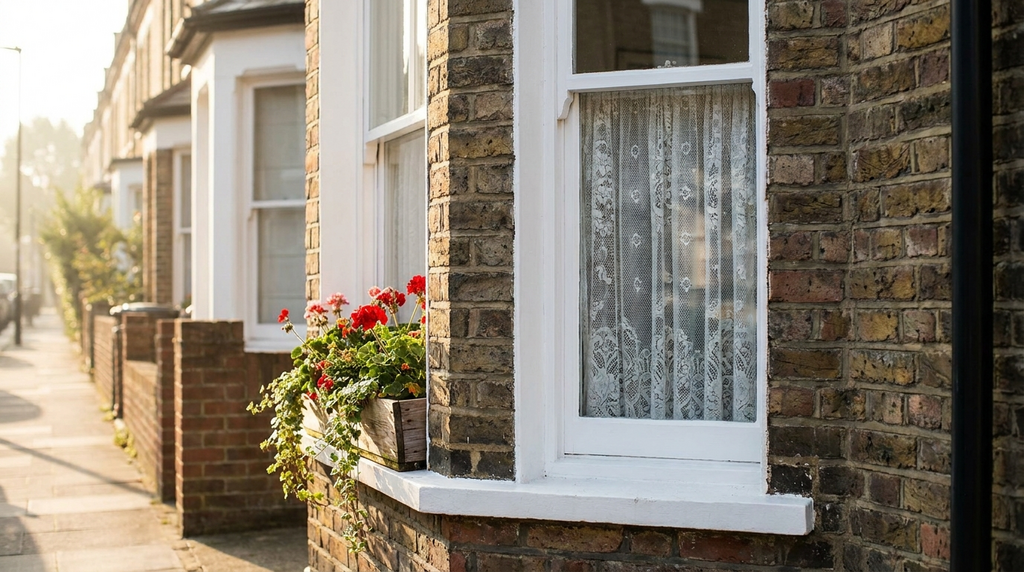
Most homes in Tunbridge Wells fall into two broad camps: the Victorian and Edwardian terraces and detached villas in areas like Sandhurst Road and the Camden Road corridor, and the mid-20th century semis that spread across the eastern and northern residential areas built between the 1930s and 1970s. Each era brings its own quirks for double glazing installation.
Victorian and Edwardian Properties
If you’re in one of the older parts of town, your windows are likely to have ornate timber frames, sash configurations, or Bay fronts with multiple panes. Original frames in these homes often need careful measurement, no two window openings are exactly the same size after a century of settlement. You’ll also face the question of whether to opt for timber-look uPVC, actual timber double glazed units, or aluminium alternatives to match the period character.
In conservation areas (more on that below), frame material and style choices can be tightly controlled, so it’s worth knowing your constraints before you fall in love with a white uPVC catalogue price.
Mid-Century Semis and Detached Homes
1930s–1970s semis in areas like St John’s or the residential streets around Sherwood Park are generally more straightforward to glaze. Standard-sized openings, often already holding older double glazing that’s now misting or draughty, mean installations are quicker and less bespoke. These homes tend to benefit most from a full upgrade to modern A-rated or A+ units, since the original double glazing fitted in the 1980s and 1990s is now well below current performance standards.
One practical challenge across the whole town is access and parking. Tunbridge Wells streets can be tight, especially around the town centre and the older residential grid roads. Installers often need to factor in parking permits or restricted-hours deliveries, which occasionally adds a small premium compared with more open suburban locations.
How Much Double Glazing Costs in Tunbridge Wells in 2026
Prices in Tunbridge Wells sit broadly in line with the South East average, which runs about 10–15% above the national median. You’re not paying London prices, but you’re not getting Midlands prices either. The good news is that the competitive installer market, with companies covering the Tunbridge Wells, Tonbridge, Sevenoaks, and Maidstone corridor, keeps pricing reasonably sharp.
| Property Type | Windows Replaced | uPVC A-Rated | Timber or Timber-Effect | Aluminium |
|---|---|---|---|---|
| 2-bed semi-detached | 6–8 windows | £3,200–£4,800 | £5,500–£8,000 | £5,000–£7,500 |
| 3-bed semi-detached | 8–10 windows | £4,200–£6,200 | £7,000–£10,500 | £6,500–£9,500 |
| 3-bed detached | 10–14 windows | £5,500–£8,000 | £9,000–£14,000 | £8,500–£13,000 |
| 4-bed detached | 14–18 windows | £7,500–£11,000 | £12,000–£18,500 | £11,500–£17,000 |
| Victorian bay-fronted terrace | 8–12 windows (bespoke) | £5,500–£8,500 | £9,500–£15,000 | £8,500–£13,500 |
Compared to the national average, you’re typically paying around £500–£1,500 more for equivalent work here than in, say, the East Midlands. Compared to nearby Sevenoaks (which attracts some premium installer pricing), Tunbridge Wells costs are actually fairly competitive. Tonbridge and Maidstone-based installers frequently quote for Tunbridge Wells jobs, which helps keep things honest.
A quick insider tip, always get at least three quotes and check whether they include scaffold costs if you have first-floor bay windows or hard-to-reach upper-storey openings. Some quotes leave this out and add it later, which can push the final bill up by £400–£700.
How Tunbridge Wells’s Weather Actually Changes What You Should Buy
The climate here is genuinely different from many UK towns, and it should influence your product choice in ways that most generic double glazing websites don’t tell you.
Winters in Tunbridge Wells are milder than northern England, the town sees around 1,200–1,500 heating degree days per year, which is noticeably lower than, say, Leeds or Manchester. That means your heating bill is already somewhat lower than the national average, but the cold easterly winds that funnel across the High Weald during January and February are brutal in a specific way. They don’t bring extreme cold as much as persistent draughts that overwhelm even reasonably efficient windows if the seals aren’t good.
This matters for your choice of glazing unit. Here’s what the local climate suggests you should prioritise:
- Warm-edge spacer bars, these reduce cold bridging at the edge of the glass, which is where condensation and heat loss concentrate during those easterly wind events
- Argon-filled double glazing as a minimum, krypton-filled units offer better performance for a modest premium and are worth considering if you face open aspects to the east or north-east
- Low-E coatings, essential for south and west-facing rooms given that Tunbridge Wells enjoys excellent solar irradiance (1,100–1,200 kWh/m² per year). A good Low-E coating lets solar heat in during winter while reducing summer overheating
- Acoustic glazing for specific rooms, properties near the A26, the London Road, or the railway line benefit from laminated acoustic inner panes, which add meaningful sound reduction on top of thermal performance
The relatively low annual rainfall (500–700mm, drier than the UK average) is actually good news for your frames. uPVC and aluminium both handle this climate well with minimal maintenance. Timber frames are a lovely choice aesthetically but do need repainting every 5–7 years in this climate, so factor that into your long-term cost thinking.
The Products That Actually Perform Well Here
Given everything above, here’s an honest assessment of what works best for Tunbridge Wells’s housing mix and climate, not a generic spec sheet, but genuine recommendations shaped by local conditions.
Best All-Round Choice for Most Homes
A-rated or A+ uPVC double-glazed units with argon fill, warm-edge spacers, and a soft-coat Low-E glass on the inner pane. Look for a U-value of 1.2 W/m²K or lower, this is the current Building Regulations Part L standard and should be a minimum, not a target. For south-facing windows in particular, specify a g-value (solar heat gain coefficient) of around 0.6 to make the most of the town’s excellent solar resource.
For Victorian and Conservation Properties
Slim-profile double-glazed timber sash units, or high-quality timber-effect uPVC where the conservation officer approves it. Some installers working in the Tunbridge Wells area specialise in heritage glazing and offer unit thicknesses as slim as 12–14mm, which fits the narrower rebates typical of Victorian frames without structural alteration.
For Modern Detached Homes
Aluminium frames with thermally broken profiles offer a sleek contemporary look and outstanding longevity. They cost more upfront but come with 25–30 year guarantees on frame performance. For large picture windows or bi-fold configurations, popular in the newer detached estates, aluminium is genuinely the better long-term choice.
Triple Glazing, Worth It Here?
Honestly, in Tunbridge Wells’s relatively mild climate, triple glazing is hard to justify purely on energy saving grounds. The payback period stretches considerably, and the marginal improvement over high-quality A+ double glazing is modest given that heating demand here is below the national average. Triple glazing makes more sense in exposed northern or Scottish locations. The exception might be a north-facing bedroom in a detached home with a lot of glass area, in that specific case, the comfort improvement can justify the premium.
Finding an Installer You Can Actually Trust Near Tunbridge Wells
The installer market serving Tunbridge Wells is reasonably healthy, you have local companies based in the town itself alongside firms covering the Tonbridge–Sevenoaks–Maidstone triangle who regularly quote here. That competition is your friend, but it does mean the quality range is wide.
Here’s what to look for and what to avoid:
- FENSA registration, this is non-negotiable for double glazing. FENSA-registered installers self-certify that work meets Building Regulations, saving you the cost of a separate local authority inspection. Always ask for the FENSA certificate on completion
- CERTASS membership, an alternative competent person scheme to FENSA, equally valid
- TrustMark registration, particularly important if you’re using any grant funding, as most schemes require it
- Which? Trusted Traders or Checkatrade profiles with recent, local reviews, look specifically for reviews from Tunbridge Wells, Tonbridge, or nearby areas, not just generic South East reviews
Questions worth asking any installer before you commit:
- What U-value will my completed windows achieve, and can you show me the spec sheet
- Who manufactures the sealed units you use (the glass itself, not just the frame)
- What guarantee covers the sealed unit against misting, and is it backed by the manufacturer or just the installer
- Are you FENSA or CERTASS registered, and will I receive a certificate
- Do your quotes include removing and disposing of old frames
Red flags to watch for: pressure to sign on the same day, “today only” pricing, guarantees backed only by the installing company with no manufacturer warranty, and quotes that don’t specify U-values or glazing specifications in writing.
Typical lead times in the South East in 2026 run 4–8 weeks from deposit to installation for standard orders, stretching to 10–14 weeks for bespoke or heritage units. Factor this in if you’re trying to get work done before winter.
Grants and Funding Available to Tunbridge Wells Residents in 2026
Double glazing funding is more limited than cavity wall or loft insulation, but there are genuine routes to financial help worth exploring.
ECO4 Scheme
The Energy Company Obligation 4 scheme can cover double glazing costs for eligible households, typically those on qualifying benefits (including Universal Credit, Pension Credit, or Child Tax Credit) with an EPC rating of D or below. Given that the Tunbridge Wells average is exactly Band D, a meaningful proportion of homes here qualify on the EPC criterion. The benefit eligibility requirement is the tighter hurdle for most residents. Apply through your energy supplier or through Tunbridge Wells Borough Council’s referral route.
Great British Insulation Scheme (GBIS)
The Great British Insulation Scheme closed on 31 March 2026. It funded insulation measures only and never covered windows or glazing. The scheme is means-tested but also has a general group for homes in the least energy-efficient bands. Worth checking if your home is rated E or below, some properties in the older parts of Tunbridge Wells do fall into this category.
Tunbridge Wells Borough Council
The Borough Council has historically participated in South East-wide retrofit referral programmes connecting residents with funded energy efficiency measures. Contact the council’s housing team directly to ask what’s currently live, schemes change, and the retrofit landscape in 2026 is still evolving. Their warm homes service can sometimes facilitate quotes under supplier-funded schemes even if a national grant isn’t directly available to you.
Cashback and Finance
Several FENSA-registered installers operating in the Tunbridge Wells area offer 0% finance over 12–24 months, which effectively spreads the upfront cost without adding to it. Not a grant, but worth factoring into your planning if the upfront figure feels daunting.
Honest caveat: full grant funding for double glazing as a standalone measure is genuinely hard to access unless you’re on specific benefits. Most funding routes work better when window replacement is part of a wider home energy upgrade package.
Planning Permission, Conservation Areas, and What Tunbridge Wells Borough Requires
This is where Tunbridge Wells homeowners face more complexity than average, and where getting the wrong advice can be costly.
For most semi-detached and detached homes in Tunbridge Wells, replacing like-for-like double glazing falls under Permitted Development rights. You do not need planning permission provided:
- The replacement windows are similar in appearance to the originals
- The property is not in a conservation area or listed
- You are not altering the opening size or configuration significantly
However, Tunbridge Wells has substantial conservation area coverage. The Royal Tunbridge Wells Conservation Area covers a large swathe of the central town, taking in much of the historic Pantiles area, the Calverley Estate, and surrounding Victorian streets. Additional designated areas cover parts of Rusthall and other historic pockets.
If your home is in a conservation area,