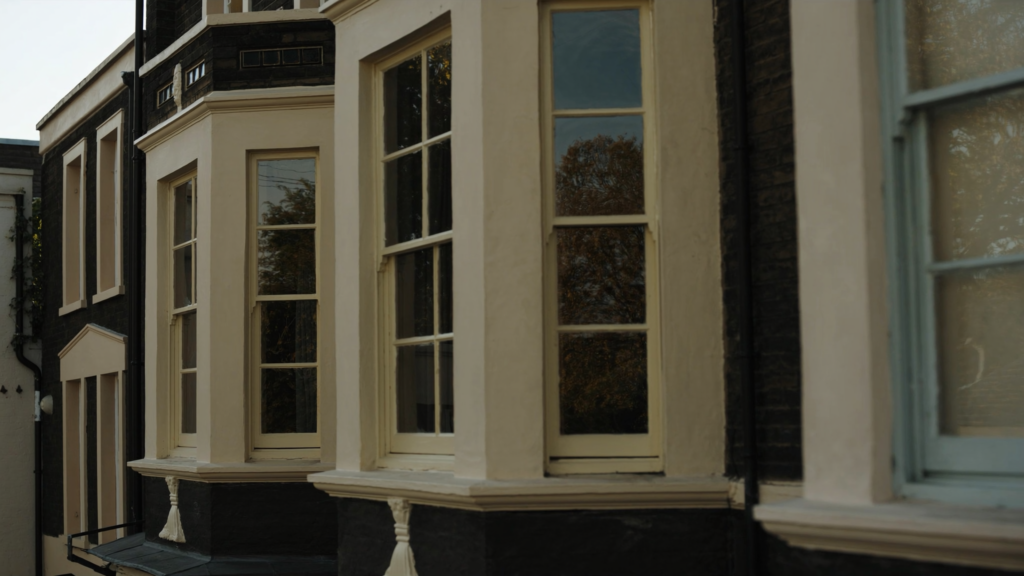
Why Dover Homeowners Are Rushing to Upgrade Their Windows Right Now
There’s something particular about living on the Kent coast that makes single glazing feel more than just an inconvenience. Dover sits exposed to those biting north-easterly winds that sweep in off the Channel, and if you’ve spent a winter morning in a Buckland or Maxton terrace with draughts cutting through ageing window frames, you already know exactly what we mean.
Demand for double glazing in Dover has been climbing steadily, and it’s not hard to see why. The town’s housing stock leans heavily on Victorian and Edwardian terraces, along with a wave of 1950s-to-1970s semi-detached builds, many of which either still have their original single-glazed windows or were fitted with early-generation double glazing that’s now well past its best. That older double glazing, thin frames, poor seals, steamed-up units, isn’t doing much better than single glazing at this point.
With the average Dover home sitting at EPC Band D and gas bills still painful despite the energy price changes, upgrading to modern double glazing is one of the most cost-effective first steps a homeowner here can take. You don’t need a full retrofit to feel the difference, new windows alone can make a meaningful dent in your heating bills and make your home genuinely comfortable on a February morning.
What Double Glazing Actually Involves for a Typical Dover Home
Let’s get practical. Most homes in Dover fall into two broad camps, the terraced Victorian and Edwardian properties you’ll find throughout the town centre, River, and Temple Ewell, and the post-war semis that dominate areas like Whitfield and Buckland. Each comes with its own set of considerations for fitting new windows.
Older terraced homes, particularly those built before 1920, often have non-standard window sizes. Your frames may be slightly irregular, which means bespoke manufacturing rather than off-the-shelf units. That adds a small premium to the cost, but it’s unavoidable and worth paying for a proper fit. Many of these properties also have wooden subframes that need inspection before new units go in. A good installer will flag rot or movement before it becomes your problem post-installation.
Post-war semis typically have larger picture windows and wider bays, which can actually make installation more straightforward, but the sheer glazed area means you need to think carefully about your U-value specification (more on that below). Cavity walls in these homes also interact differently with window reveals than solid-walled Victorian properties, so the depth of your frame choice matters.
Access can be a genuine challenge in Dover’s tightly packed residential streets. Some terraced rows near the town centre have limited kerb access, which affects how installers bring in large glass units and how they dispose of old frames. Always confirm your installer has scoped your specific street, a quick Google Maps check tells you a lot, but a pre-survey visit tells you everything.
Conservation Area Considerations
Dover has a number of designated conservation areas, including parts of the town centre and sections around the castle. If your home sits within one of these zones, you may face restrictions on uPVC frames or certain glazing styles. Dover District Council takes conservation compliance seriously, and permitted development rights for windows can be restricted in these areas. We cover this in more detail in the planning section below.
How Much Double Glazing Costs in Dover and the South East in 2026
Pricing for double glazing in Dover sits broadly in line with the South East average, though you’ll sometimes pay a slight premium compared to inland towns like Canterbury purely because of access and logistics. Here’s a realistic breakdown for 2026.
| Property Type and Scope | Dover Estimate | South East Average | UK National Average |
|---|---|---|---|
| 1-bed flat, full replacement (4-6 windows) | £2,800 – £4,200 | £2,700 – £4,000 | £2,400 – £3,600 |
| 2-bed terraced, full replacement (6-8 windows) | £3,800 – £5,500 | £3,600 – £5,200 | £3,200 – £4,800 |
| 3-bed semi-detached, full replacement (8-10 windows) | £4,800 – £7,000 | £4,500 – £6,800 | £4,000 – £6,200 |
| 4-bed detached, full replacement (10-14 windows) | £6,500 – £10,000 | £6,200 – £9,500 | £5,500 – £8,500 |
| Single window replacement (standard casement) | £450 – £750 | £420 – £700 | £380 – £650 |
| Bay window replacement (3-section) | £1,400 – £2,200 | £1,300 – £2,100 | £1,200 – £1,900 |
Why is Dover slightly above the national average? A few reasons. First, the South East generally commands higher labour costs than the Midlands or North. Second, installers working across the Dover-Folkestone-Deal triangle are sometimes pulled toward larger commercial projects in the port area, which means residential lead times can stretch. Third, those bespoke frame sizes in older town centre homes add to the manufacturing cost.
One insider tip, getting quotes from installers based in Folkestone (12km away) or Deal (12km) as well as Dover-based companies often gives you the best competitive tension. Many firms serving this cluster of towns will travel freely between them, and a Folkestone-based installer won’t necessarily charge more to work in Dover.
How Dover’s Weather and Location Change What Double Glazing You Actually Need
Dover’s position matters here more than you might think. This is one of the most exposed coastal locations in southern England. You’re not just dealing with cold, you’re dealing with salt-laden air, high wind loading, and those Channel easterlies that can make a damp 5°C feel considerably more brutal than an inland 3°C.
Salt air is genuinely tough on window hardware and seals over time. If your home is within a mile or so of the seafront or the Eastern Docks area, you should specifically ask about marine-grade hardware. Standard hinges and handles will corrode faster in these conditions. This is chemistry, not a scare tactic. Stainless steel hardware adds a modest cost but easily pays back over a 20-year window lifespan.
Wind loading is another real factor. Dover regularly sees gusts that would be unremarkable in Scotland but surprise people who think “south coast” means sheltered. Look for windows tested to at least Class 3 wind resistance under the EN 12210 standard, most reputable suppliers offer this as standard, but it’s worth confirming rather than assuming.
On the positive side, Dover’s sunshine hours are genuinely excellent, among the best in the UK. This is worth thinking about when you’re considering low-e coatings. Some low-e glass is optimised purely for heat retention and can reduce the useful solar gain you’d otherwise get through a south-facing window. A good installer will help you balance U-value performance with solar heat gain coefficient (SHGC), particularly important for south and south-west-facing rooms where passive solar warming can meaningfully offset your heating bills.
The Products and Specifications That Genuinely Perform Well Here
Given everything above, here’s what we’d actually recommend for a typical Dover home rather than a generic spec sheet.
- Frame material, For most homes, high-quality uPVC remains the best value-for-money choice. In conservation areas, timber or flush-sash uPVC profiles that mimic timber aesthetics are worth the extra cost to avoid planning complications. Aluminium is excellent for larger picture windows in post-war semis, slim sightlines and excellent rigidity.
- Glazing specification, Aim for a whole-window U-value of 1.2 W/m²K or better. This is achievable with standard A-rated double glazing and is meaningfully better than older units, which typically perform at 2.8 or worse. Triple glazing is an option but given Dover’s relatively mild winter temperatures (1,200–1,500 heating degree days, not the cold north), the payback period stretches considerably, we’d save that budget for insulation elsewhere.
- Gas fill, Argon-filled units are now standard and expected at this price point. Krypton-filled units offer marginally better performance but aren’t worth the premium for most Dover homes.
- Warm-edge spacer bars, Often overlooked, but these reduce condensation at the glass edge and improve overall thermal performance. Look for anything described as “warm-edge” or “super spacer” rather than traditional aluminium spacers.
- Hardware finish, As noted above, stainless steel or marine-grade hardware for any property within reasonable distance of the seafront or harbour.
For south-facing aspects specifically, ask your installer about glass with a solar heat gain coefficient above 0.5, this maximises the free heat gain from Dover’s generous sunshine hours rather than blocking it out.
Finding a Trustworthy Double Glazing Installer Near Dover
The South East installer market is competitive, which is mostly good news for you. But it also means there are more operators here, ranging from excellent to best avoided. Here’s how to filter confidently.
The absolute minimum credential to look for is FENSA registration. FENSA installers self-certify that their work meets Building Regulations requirements, which saves you getting a Local Authority Building Control (LABC) certificate separately. Using an unregistered installer means you’ll need to apply for LABC approval yourself, an unnecessary hassle and cost when selling your home.
Beyond FENSA, look for TrustMark registration, which indicates the installer has been vetted against quality and trading standards. For any additional work touching heating or ventilation systems, relevant HETAS or Gas Safe registration applies separately.
Questions Worth Asking Any Dover Installer
- Are you FENSA-registered, and will you provide a certificate on completion
- Do you manufacture frames yourselves or use a trade supplier, and where
- What U-value will the installed units achieve as a whole-window figure
- Have you worked in this specific street or road type before
- What does your guarantee cover, and who backs it if your company closes
- Do you use subcontractors for installation, and are they also FENSA-registered
Lead times in the Dover area currently run at around 4 to 8 weeks from survey to installation for most residential jobs. If an installer quotes 2 weeks, that’s worth probing, it may indicate they’re using stock sizes rather than made-to-measure units.
Several well-regarded installers operate across the Dover-Folkestone-Deal-Hythe corridor and will serve any of these towns as part of their standard patch. Canterbury-based companies (24km) also regularly quote for Dover jobs, which gives you more competitive options than you might expect for a town of 39,000 people.
Grants and Funding Available to Dover Residents in 2026
Let’s be honest about what’s available, because this area does have genuine options, but also some limitations worth understanding.
ECO4 (Energy Company Obligation 4), This is the big one for lower-income or benefits-receiving households. Under ECO4, energy companies are obligated to fund energy efficiency measures for eligible households. Window upgrades can be included as part of a broader package, though they’re typically secondary to insulation measures. Eligibility is means-tested, households receiving qualifying benefits (Universal Credit, Pension Credit, certain disability benefits) are the primary target group. Contact your energy supplier or an ECO4 broker to check eligibility.
Great British Insulation Scheme (GBIS), This scheme focuses on single-measure insulation upgrades but can run alongside window improvements. Dover District Council has been actively engaging with GBIS delivery, so it’s worth contacting them directly to ask about current referral routes.
Warm Homes Local Grant, From 2026, the government’s expanded Warm Homes Local Grant reaches through local authorities. Dover District Council administers local allocation, contact their energy efficiency team directly to check current availability and criteria. Funding tends to move quickly when new rounds open, so early enquiry pays off.
Dover District Council Discretionary Assistance, The council has historically run additional retrofit support schemes for owner-occupiers and private renters in fuel poverty. These vary year by year, so a direct call to Dover District Council’s housing or environmental health team is the best way to confirm what’s live right now.
One honest note, standalone window replacement rarely qualifies for grant funding on its own. The schemes above prioritise a “fabric first” whole-home approach. If you’re considering windows alongside loft insulation or cavity wall work, your chances of support increase considerably.
Planning Permission, Conservation Areas, and What Dover District Council Requires
For most Dover homeowners, replacing like-for-like windows falls under Permitted Development rights, meaning no planning permission is needed. This applies to the majority of terraced and semi-detached homes across Whitfield, Buckland, Maxton, and most of the wider town.
However, the rules change in several important situations specific to Dover.
- Conservation areas, Dover has designated conservation zones covering parts of the historic town centre and the area around Dover Castle. Within these, you cannot alter the appearance of a window (style, material, or colour) without applying for planning permission or, in some cases, prior approval. uPVC frames in white are often refused in conservation areas, timber or sympathetic flush-sash profiles are typically required.
- Listed buildings, Dover has a number of listed properties, particularly in the older town centre. Listed building consent is required for any changes to windows, full stop. This is a separate process from standard planning permission.
- Flats and maisonettes, Permitted development rights for window changes don’t apply to flats. You’ll need planning permission regardless of conservation status.
- Article 4 Directions, Some streets in Dover have Article 4 Directions removing permitted development rights. Always check with Dover District Council’s planning department before assuming PD applies.
The practical advice is simple, before signing any contract, take five minutes to check the Dover District Council planning portal or call their duty planning officer. It’s free, quick, and prevents the miserable scenario of fitting new windows and then receiving a notice requiring you to remove them.
What You Will Actually Save, Honest Numbers for a Dover Home
Using Dover’s actual energy profile, 11,000 kWh of gas per year, 3,200 kWh of electricity, average EPC Band D, here’s what realistic savings look like for a typical upgrade from poor double glazing or single glazing to modern A-rated double glazing.
Windows typically account for around 18–25% of a home’s heat loss. Upgrading from single glazing to modern double glazing addresses that loss directly. Upgrading from early double glazing (U-value around 2.8) to modern units (U-value