Why Peterhead Homeowners Are Finally Getting Serious About Double Glazing
If you’ve stood in your living room on a January morning and felt that familiar icy draught seeping in around the window frames, you already know why this conversation matters. Peterhead sits exposed on the north-east tip of Aberdeenshire, where North Sea winds don’t just nip, they bite. The town regularly records some of the coldest and windiest conditions in mainland Scotland, and your heating bill tells the story every winter.
With average gas consumption in Peterhead running at around 14,500 kWh per year, well above the Scottish median of roughly 12,000 kWh, local homeowners are burning through significantly more fuel than people in softer climates down south. Double glazing won’t solve everything, but replacing draughty single-pane or tired old sealed-unit windows is one of the most impactful upgrades you can make to a Peterhead home. The cold simply demands it.
There’s also a broader push happening right now. Scotland’s Heat in Buildings Strategy is driving a wave of home improvement activity across Aberdeenshire, and Aberdeenshire Council has been actively signposting residents toward Home Energy Scotland’s advice and loan services. Many homeowners in streets like Merchant Street, Longate, and the newer builds around Howe of Buchan are reassessing their windows as part of bigger energy efficiency projects, often as a precursor to switching to a heat pump, where good insulation and airtight windows are essential to the system working efficiently.
What Double Glazing Actually Involves for a Typical Peterhead Home
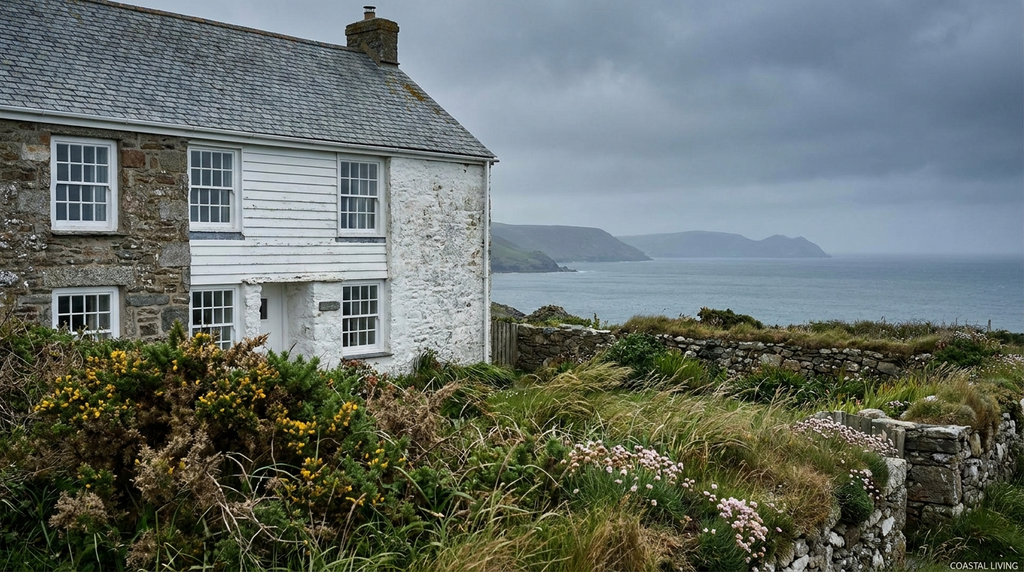
Most of Peterhead’s housing stock falls into two broad eras. You’ve got a significant number of solid granite terraced and semi-detached homes built between the late Victorian period and the 1960s, these are the grey-stone properties that give the town its distinctive character. Then there are the post-1970s council and private builds, including the large estates to the west of the town centre, where uPVC replacement windows have already become common but often need upgrading after 20-plus years of coastal exposure.
For the granite-built terraces and semis, the main challenge is that original window openings were designed for single-glazed timber sash or casement frames. Modern double-glazed units are thicker, so your installer will need to check that the existing reveal (the depth of the window opening) can accommodate the new frame without compromising the internal reveal board or the external stonework. In many cases it works fine, but it pays to get a surveyor in to check before you order anything.
For the post-war council properties, particularly those around Meethill and Blackhouse areas, the windows are often in standard sizes, which makes replacement more straightforward and can keep costs down. The irony is that many of these homes have older sealed units that have long since failed and gone foggy, so the improvement in clarity alone feels dramatic.
Access can be a practical issue in the tighter terraced streets closer to the harbour area. Some narrow lanes mean installers need to carry frames by hand over longer distances, which adds labour time. It’s worth mentioning your access situation when getting quotes, a good installer will factor this in rather than spring a surcharge on you on the day.
How Much Double Glazing Costs in Peterhead and Across Aberdeenshire in 2026
Costs in Peterhead sit slightly above the Scottish average, largely because there are fewer specialist double glazing installers based in the town itself. Most companies serving the area travel from Fraserburgh (around 25km away), Inverurie (43km), or Aberdeen (44km), and that call-out distance gets factored into your quote. It’s reasonable, but worth knowing so you’re not surprised.
Below is a realistic guide to what you can expect to pay in 2026 for a typical Peterhead semi-detached or terraced property.
| Window Type and Property Size | Estimated Cost (Supply and Fit) | Notes |
|---|---|---|
| Standard uPVC casement, 2-bed terrace (6–8 windows) | £3,800 – £5,200 | Most common upgrade for older council-era homes |
| Standard uPVC casement, 3-bed semi-detached (8–10 windows) | £5,000 – £7,000 | Typical for Meethill and Howe of Buchan estates |
| Timber-look uPVC, 3-bed semi (sympathetic finish) | £6,200 – £8,500 | Better suited to granite stone properties |
| Aluminium frames, 3-bed semi | £7,500 – £10,500 | Slim sightlines, very durable in coastal conditions |
| Triple glazing upgrade (per window, additional cost) | £80 – £150 extra per window | Strongly worth considering for north-facing rooms |
| Like-for-like single window replacement | £400 – £700 per window | If only one or two windows need replacing |
Comparing these figures to the Scotland-wide average, you’d typically expect to pay around 8–12% more in Peterhead than in Aberdeen itself, primarily due to installer travel. If you’re happy to be flexible on installation dates and can wait for an installer who has other jobs in your area on the same trip, you can sometimes negotiate that premium down.
One insider tip, some companies based in Fraserburgh or Inverurie actively look to batch jobs in Peterhead on the same week. If you’re not in a rush, ask whether they have other customers in town and whether that affects pricing. It often does, favourably.
How Peterhead’s Weather and Location Change What You Should Buy
This isn’t a town where you can get away with the budget end of the market and expect it to last. Peterhead’s climate accumulates over 2,200 heating degree days annually, that’s the technical measure of how hard your heating system has to work, and it’s 20–30% above the UK national average. Combined with strong north-easterly winds that come straight off the North Sea, your windows take a serious battering compared to almost anywhere else in Britain.
Wind-driven rain is a particular concern here. In a typical year Peterhead sees 700–900mm of rainfall, but the way it arrives, often horizontally in gusting winter storms, means window seals and frame joints are under constant stress. Cheap uPVC frames from catalogue suppliers can degrade faster in these conditions, with seals failing and frames warping within a decade. You want to be looking at frames with good weather rating certifications and solid gasket seals.
The orientation of your windows matters more here than it does further south. North and east-facing rooms in Peterhead get minimal direct sun from October through to February, the town only averages 700–900 sunshine hours per year in total. This means your windows need to do the heavy lifting on thermal retention rather than relying on solar gain. A low U-value (ideally below 1.2 W/m²K for the whole window unit) should be non-negotiable.
South and west-facing windows are worth treating differently. They’ll catch the long summer daylight hours that characterise northern Scotland, so a slightly higher solar heat gain coefficient (g-value) won’t do any harm on those aspects.
The Products That Actually Perform Well in Peterhead’s Conditions
Based on what genuinely holds up in this climate, here’s where the smart money goes for a Peterhead home.
- Triple glazing on north and east elevations, The extra cost per window (around £80–£150) pays back faster here than almost anywhere in England because the heating demand is so much higher. Look for a centre-pane U-value of 0.5 W/m²K or below, and a whole-window U-value under 1.0 W/m²K.
- Argon or krypton gas-filled units, Don’t accept air-filled sealed units. The gas fill significantly improves thermal performance and the cost difference is minimal. Krypton performs better but argon is fine for most applications.
- A-rated or A+ energy-rated window units, BFRC (British Fenestration Rating Council) rated windows give you a clear benchmark. Aim for A-rated as a minimum across all elevations.
- Warm-edge spacer bars, These replace the traditional aluminium spacer between the glass panes with a less conductive material. They reduce cold edge condensation, a real issue in Peterhead winters, and add a meaningful improvement to the overall U-value.
- Solid uPVC profiles with multi-chamber design, For most homes in Peterhead, a good quality multi-chamber uPVC frame remains the best value choice. Look for profiles from established manufacturers with 10-year or longer guarantees and test results demonstrating performance in PAS 24 security and BS 6375 weather resistance standards.
- Aluminium frames for exposed gable-end windows, If your home has a gable wall facing east or north, aluminium frames with a polyamide thermal break offer superior rigidity and weather resistance compared to uPVC in persistently hostile conditions.
One thing to avoid, solar control glass on north-facing windows. It’s sold as a premium upgrade but actively reduces heat gain on elevations that need all the passive warmth they can get in a Peterhead winter. Reserve solar control coatings for south-facing glazing only, or skip them entirely.
Finding a Trustworthy Double Glazing Installer Near Peterhead
There’s no getting around it, Peterhead isn’t big enough to have a deep pool of specialist glazing contractors based in the town itself. You will most likely be working with a company travelling from Fraserburgh, Inverurie, or Aberdeen. That’s absolutely fine, but it does mean doing a bit more homework.
The first thing to check is FENSA registration. Any installer fitting replacement windows in Scotland must either be FENSA-registered or work through a local authority building warrant process. FENSA registration means the installer self-certifies that work complies with Scottish Building Regulations Section 6 (Energy), which is Scotland’s equivalent of Part L in England, and it’s slightly different, so an English-only certified company working here needs to know which standards apply.
Look for the following when vetting installers.
- FENSA or CERTASS registration, Essential for compliance certification
- TrustMark accreditation, Government-endorsed quality scheme, increasingly important if you’re using grant funding
- Membership of the Glass and Glazing Federation (GGF), Provides deposit protection and dispute resolution
- Aberdeenshire-based reviews, Ask specifically for references from customers in Peterhead, Fraserburgh, or Ellon rather than just Aberdeen city, coastal and rural conditions differ
Red flags to watch for include pressure to sign on the same day (a classic tactic), quotes that don’t specify the U-value or energy rating of the products, and unusually low prices from companies you can’t verify online. Always get three written quotes and make sure they all specify the same products before comparing prices.
Lead times in Aberdeenshire currently run at around 6–10 weeks from survey to installation for most companies. If someone offers to fit next week, ask why they have availability, it might be fine, but it’s worth understanding.
Grants and Funding Available to Peterhead Residents in 2026
Scotland has genuinely better support for home energy improvements than most parts of the UK, and Peterhead homeowners should make the most of it.
Home Energy Scotland (HES) is your first port of call. Run by the Scottish Government, it offers free impartial advice and, importantly, interest-free loans of up to £15,000 for energy efficiency improvements including windows. There’s no income threshold for the loan, it’s open to all Scottish homeowners. You repay it over up to 12 years and pay no interest. For a full-house double glazing project costing £6,000, that’s a very manageable monthly repayment. Call them on 0808 808 2282 or apply via the Home Energy Scotland website.
Warmer Homes Scotland provides free measures (not loans) for households on qualifying low incomes or benefits. If you or someone in your household receives Universal Credit, Pension Credit, Child Tax Credit, or certain disability benefits, you may qualify for fully funded window upgrades. Aberdeenshire Council’s housing team can also refer eligible residents directly.
ECO4 (Energy Company Obligation) also runs in Scotland alongside the Scottish schemes. Your energy supplier may be obligated to fund improvements if you meet the income or EPC criteria. With Peterhead’s average EPC sitting at Band D, many properties qualify on energy efficiency grounds alone, check with your energy supplier or via the ECO4 eligibility checker.
The Great British Insulation Scheme (GBIS) includes window upgrades in some cases, particularly where replacing single glazing. Eligibility is means-tested or EPC-based. Worth applying even if you’re not certain you qualify.
A practical tip, Home Energy Scotland advisers can assess which combination of schemes you’re eligible for in a single call and help you sequence applications. Don’t try to navigate multiple schemes alone; let them do it for you.
Planning Permission and Building Regulations for Peterhead Windows
For most Peterhead homeowners, replacing like-for-like windows in a standard semi-detached or terraced property does not require planning permission under permitted development rights. You can simply proceed with your FENSA-registered installer, who will handle the building regulation compliance certificate on your behalf.
However, there are important exceptions specific to this area that you need to be aware of.
Peterhead has a designated Conservation Area covering parts of the historic town centre, including sections around Marischal Street and the older harbour-adjacent streets. If your property falls within this area, you will need to apply to Aberdeenshire Council for planning permission before replacing windows, even on a like-for-like basis. The council’s planning team, based at Woodhill House in Aberdeen and reachable through the Aberdeenshire Council portal, can confirm whether your address falls within the conservation boundary.
Within conservation areas, Aberdeenshire Council typically expects replacement windows to match the original style, material, and profile of historic frames. In practice, this often means timber windows or very high-quality timber-effect uPVC, plain white uPVC casements are unlikely to receive consent in these streets. Budget accordingly if this applies to you.
Listed buildings (there are a small number in and around Peterhead town centre) require Listed Building Consent in addition to planning permission. If your property is listed, speak to Aberdeenshire Council’s Historic Environment team before doing anything.
For properties outside conservation areas and on standard estates, the majority of Peterhead homes, the process is simple. Your FENSA installer completes the work, self-certifies compliance with Scottish Building Regulations Section 6, and you receive a certificate that you should keep with your property deeds. When you sell, solicitors will ask for this, so don’t lose it.
What You Will Actually Save, Honest Numbers for a Peterhead Home
Let’s be straight with you. Double glazing alone won’t cut your bills in half. But