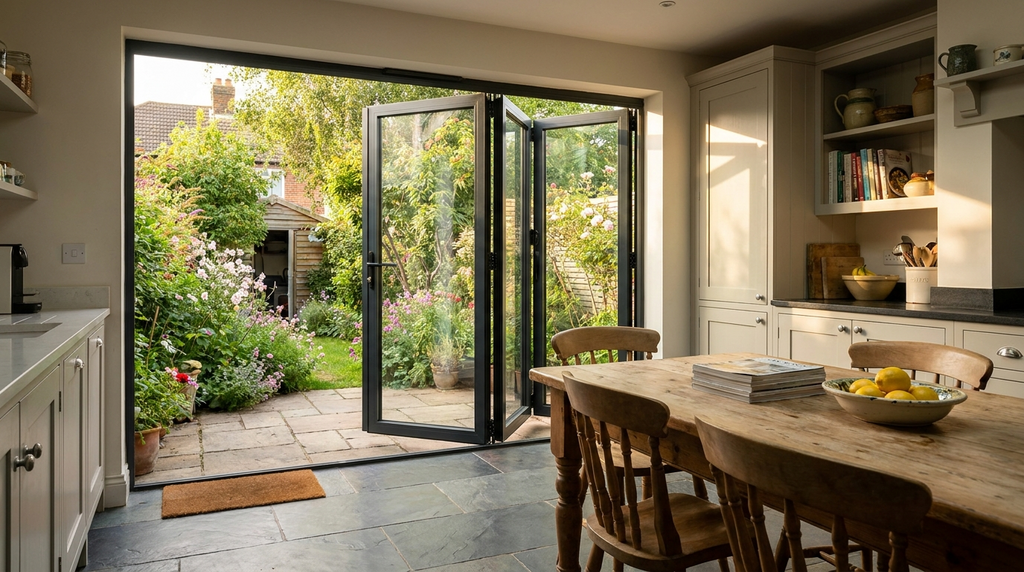
No, you cannot write off windows and doors on your personal income taxes as a standard homeowner. The cost of replacing windows and doors is considered home improvement, not a deductible expense, according to HMRC guidance. However, there is a specific exception for landlords who replace windows and doors in a rental property as a repair or maintenance.
The key variable is whether the windows and doors are being replaced as part of a repair or as an improvement. HMRC distinguishes between repairs that restore the property to its original condition and improvements that add value or extend its life. For landlords, replacing broken windows with like-for-like units is typically deductible, while upgrading to double glazing or installing larger windows is not. Homeowners never qualify for a deduction on personal residences.
Landlords can claim replacement as a repair
If you are a landlord, you may be able to claim the cost of replacing windows and doors as a revenue expense under the repairs and maintenance allowance. HMRC states that replacing a single window like-for-like is usually allowable as a repair (HMRC BIM46800). This applies only when the replacement is necessary due to damage or wear, not as part of an upgrade. For example, replacing a broken single-glazed window with an identical unit qualifies. You must keep receipts and evidence of the condition before replacement.
Improvements are not deductible for anyone
If you replace windows and doors as part of a renovation or upgrade, such as fitting double glazing or installing larger windows, the cost is treated as a capital improvement. HMRC clarifies that improvements add to the property’s value or extend its life, so they are not deductible as a repair (HMRC BIM46950). For landlords, the cost is instead added to the property’s base cost for capital gains tax purposes when you sell. For homeowners, there is no tax benefit at all, the cost is simply a personal expense.
Energy efficiency grants are tax-free
While you cannot write off windows and doors on taxes, you may receive tax-free financial support for energy-efficient upgrades. The Energy Company Obligation (ECO4) scheme provides grants for low-income households to install double or triple glazing, and these grants are not taxable income (GOV.UK, 2026). The Great British Insulation Scheme closed on 31 March 2026. It funded insulation measures only and never covered windows or glazing. Check eligibility via Ofgem or your energy supplier. These grants reduce your upfront cost but do not create a tax deduction.
A worked example
A landlord replacing a broken single-glazed window in a 1930s semi-detached rental property with a like-for-like unit can claim the full £650 cost as a deductible repair expense. This assumes the window was damaged by a storm and the replacement is identical in size and material, not an upgrade to double glazing. HMRC BIM46800 confirms like-for-like replacements due to wear and tear qualify as repairs. The landlord saves £130 at the 20% basic tax rate, or £260 at the 40% higher rate, reducing their overall tax bill. If the same landlord instead upgrades the entire house to double glazing at £4,500, that cost is capital improvement and not deductible. The gov.uk guidance is clear on this distinction. Energy Saving Trust figures show double glazing saves around £195 yearly on a semi-detached home, but those savings do not affect the tax treatment.
| Item | Figure |
|---|---|
| Upfront cost after grants | £650 |
| Yearly savings | £130 (tax saved at 20% rate) |
| Payback period | Immediate via tax return |
| 25-year lifetime savings | £3,250 (if window lasts 25 years) |
What homeowners often get wrong
The most common mistake is assuming that any energy-efficient window or door replacement qualifies for a tax write-off, when in fact only landlords replacing like-for-like due to damage qualify. Here are three frequent errors homeowners make.
- Believing energy-saving upgrades are deductible Many homeowners think installing double glazing reduces their tax bill because it saves energy. The right answer is that HMRC treats all home improvements to your own home as capital spending, never a deductible expense. Glazing is standard-rated for VAT at 20%. The zero rate for energy-saving materials covers insulation, heat pumps and solar panels; HMRC names secondary and double glazing as excluded (VAT Notice 708/6).
- Glazing is standard-rated for VAT at 20%. The zero rate for energy-saving materials covers insulation, heat pumps and solar panels; HMRC names secondary and double glazing as excluded (VAT Notice 708/6). Glazing is standard-rated for VAT at 20%. The zero rate for energy-saving materials covers insulation, heat pumps and solar panels; HMRC names secondary and double glazing as excluded (VAT Notice 708/6). You still cannot claim the cost against your earnings on a self-assessment return.
- Thinking the Green Homes Grant is a tax deduction Homeowners sometimes believe the now-closed Green Homes Grant voucher was a tax write-off. The right answer is that grants like the current BUS scheme for heat pumps are direct cash payments, not tax deductions. You must report grant income on your tax return only if you are a landlord claiming the cost as a business expense.
Quick reference
- Homeowners cannot deduct window or door replacement costs from their personal income tax under any circumstance.
- Landlords can claim like-for-like replacements as a repair expense if the old window or door was damaged or worn out.
- Upgrading to double glazing or installing larger windows counts as capital improvement and is not tax deductible for landlords.
- Glazing is standard-rated for VAT at 20%. The zero rate for energy-saving materials covers insulation, heat pumps and solar panels; HMRC names secondary and double glazing as excluded (VAT Notice 708/6).
- If you receive a BUS grant for a heat pump, you do not need to declare it as income on your personal tax return unless you are a landlord.
Frequently Asked Questions
No, homeowners cannot claim new windows on their tax return. HMRC classifies window replacement as a home improvement, not a deductible expense.
Yes, but only for like-for-like replacements due to damage or wear. Upgrades, such as double glazing, are capital improvements and not deductible. Ofgem and HMRC confirm this distinction.
A repair restores the property to its original condition, like replacing a broken window. An improvement adds value or extends life, such as upgrading to double glazing. HMRC BIM46800 provides guidance.