Why Romsey Homeowners Are Suddenly Talking About Double Glazing
There’s a quiet but noticeable shift happening across Romsey’s streets right now. From the Victorian terraces near the town centre to the newer estates pushing out towards the Test Valley countryside, homeowners are taking a long, hard look at their windows, and deciding it’s finally time to do something about them.
Part of this is financial. With the average Romsey home sitting at EPC Band D, there’s meaningful room for improvement, and double glazing is one of the most visible, immediately impactful upgrades you can make. Part of it is also comfort, Romsey’s mild but damp Hampshire winters might not be brutal, but draughty single-glazed windows still make rooms feel cold and cause condensation problems that drive people mad through December and January.
There’s also the property angle. The South East consistently holds the highest property values outside London, which means energy-efficient improvements here carry genuine weight for resale. A Band D to Band C jump on your EPC can meaningfully affect buyer interest in a market like this.
And then there’s the conservation factor, Romsey has a significant historic core, with Test Valley Borough Council keeping a close eye on changes to period properties. Getting double glazing right here isn’t always as simple as picking a frame from a brochure, which is exactly why local, specific advice matters.
What Double Glazing Actually Involves for a Typical Romsey Home
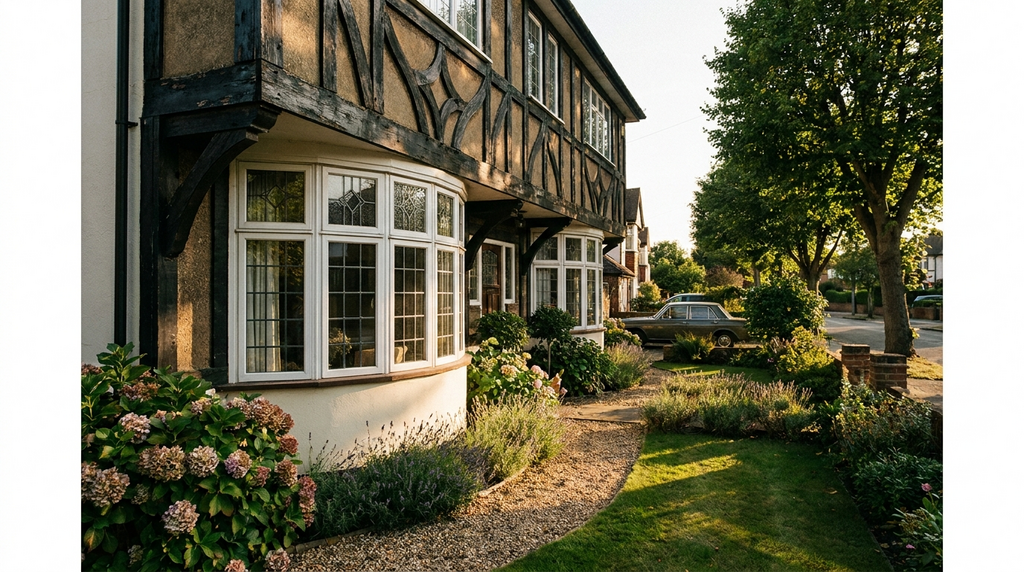
Most homes in Romsey fall into two broad categories, semi-detached properties built between the 1930s and 1970s, particularly in areas like Crampmoor, Cupernham, and the streets fanning out from Middlebridge, and detached homes in the newer developments on the town’s edges. Each presents its own installation picture.
For the 1930s to 1960s semis, the original window openings were often designed for metal Crittal frames or simple timber casements. Replacing these with modern double-glazed units means a surveyor needs to carefully measure the reveals and check the condition of the surrounding masonry, older lime mortar can crumble if frames are removed carelessly. It’s not a reason to panic, but it is a reason to use an installer who knows what they’re doing with period properties.
For detached homes in Romsey’s newer areas, installation is generally more straightforward. Standard uPVC or aluminium frames usually drop in cleanly, and access around the property is typically easier. You’re unlikely to face scaffolding requirements unless you have a particularly tall gable end.
A few specific considerations worth knowing about for Romsey homes:
- Chimney breast proximity, Many older Romsey homes have chimney stacks adjacent to window openings, and movement over decades can affect the squareness of frames. A good installer will check this before ordering units.
- Timber window restoration as an alternative, In conservation-sensitive streets near the Abbey, secondary glazing or slim-profile double glazing in timber frames may be required rather than uPVC. This affects cost significantly.
- Access logistics, Romsey is a compact town. Some older streets near the Market Place have limited parking and narrow access, which can add time (and therefore cost) to installations in those areas.
- Installer travel, Romsey doesn’t have a large pool of glazing companies operating exclusively within the town. Most reputable firms cover the Southampton to Romsey to Winchester corridor, which is a manageable working area but does mean scheduling can sometimes stretch.
How Much Double Glazing Costs in Romsey and the South East in 2026
Let’s get straight to the numbers, because this is always the first question. Romsey sits in a pricing bracket slightly above the UK national average, you’re in the South East, installer costs reflect that, and fuel and materials logistics for a smaller town add a marginal premium. Here’s a realistic breakdown for common property types in the area:
| Property Type | Number of Windows | Standard uPVC Double Glazing | Aluminium Frames | Timber or Slim-Profile (Conservation) |
|---|---|---|---|---|
| 2-bed semi (e.g. Cupernham area) | 6–8 | £3,800 – £5,200 | £5,500 – £7,200 | £6,500 – £9,000 |
| 3-bed semi (e.g. Crampmoor) | 8–10 | £4,800 – £6,800 | £7,000 – £9,500 | £8,500 – £12,000 |
| 3-bed detached | 10–12 | £5,800 – £8,000 | £8,500 – £11,500 | £10,000 – £14,500 |
| 4-bed detached | 12–16 | £7,500 – £10,500 | £11,000 – £15,000 | £13,000 – £18,000 |
These figures include supply, fitting, and disposal of old frames. They assume standard residential windows, bay windows, shaped units, and composite doors will each add to the total. The South East average runs roughly 8–12% above the national UK median, and Romsey specifically adds a small installer travel premium compared to doing the same job in Southampton or Winchester.
One insider tip, getting quotes from firms that cover the Southampton–Winchester–Romsey triangle tends to bring more competitive pricing than using companies who drive in from further afield. Firms based in Totton, Chandler’s Ford, or Eastleigh typically offer the best combination of local knowledge and competitive rates for Romsey jobs.
How Romsey’s Weather and Location Shape Your Double Glazing Decisions
Romsey sits in a genuinely favourable climate pocket. Sheltered from the worst coastal winds by the terrain between here and the Solent, and tucked into the Test Valley, you’re not dealing with the kind of salt-laden battering that coastal Hampshire towns like Fareham or Gosport face. That’s good news for frame longevity, even standard uPVC will last well here without the accelerated weathering that coastal locations bring.
Rainfall sits in the moderate band at 700–1,000mm annually. That’s not nothing, Romsey windows need to handle steady autumn and winter rain reliably, so proper drainage channels in window frames and quality sealing matter. Poorly fitted frames can allow water ingress at the sill, which is a common complaint with cheaper installations in this kind of persistently damp climate.
The sunshine picture is actually a significant factor that many homeowners overlook. Romsey benefits from some of the best solar irradiance in the UK at 1,100–1,200 kWh/m2/year. If your south or southwest-facing windows use glass with a high solar gain rating (a high g-value), you can passively collect meaningful warmth through winter months, reducing your heating load without doing anything at all. Given Romsey’s gas consumption sits around 10,500 kWh per year, that passive solar benefit is worth optimising for.
Conversely, in summer those same south-facing windows can cause overheating. A low-e coating with a moderate g-value of around 0.4–0.5 tends to strike the right balance for Hampshire homes, warm in winter, manageable in summer.
The Products and Specifications That Actually Perform Well Here
Given Romsey’s climate and housing stock, here’s an honest breakdown of what works and what’s genuinely worth paying extra for:
Frame Materials
uPVC remains the sensible default for most Romsey homes, particularly the 1950s to 1980s semis and detached properties. It handles the moderate rainfall and temperature swings well, requires minimal maintenance, and the quality difference between budget and mid-range uPVC has narrowed considerably. Avoid the absolute cheapest profile, look for a multi-chambered frame with at least 70mm depth for proper thermal performance.
Aluminium is worth serious consideration for newer detached homes where slim sightlines are aesthetically important. Modern thermally broken aluminium performs well and lasts exceptionally well in Hampshire’s conditions. Yes, it costs more, but for a property where kerb appeal matters, the premium is defensible.
Timber or slim-profile double glazing is often non-negotiable for properties in or adjacent to Romsey’s conservation areas. The historic core around the Abbey and Church Street is covered by specific design guidance from Test Valley Borough Council, and getting the right product here is as much about compliance as performance.
Glass Specifications Worth Asking For
- U-value of 1.2 W/m2K or better, This is the current minimum for new windows under Building Regulations, but pushing to 1.0 or even 0.8 is achievable with triple or advanced double glazing and makes a real difference.
- Warm-edge spacer bars, These reduce condensation at the edge of the pane significantly. Given Romsey’s damp autumns, this is not optional in our view.
- Argon gas fill, Standard now on most decent units. Krypton fill is available for slimmer units where it matters.
- Solar control low-e coating, Especially relevant for your south and southwest-facing rooms. Balances winter gain with summer comfort.
Finding a Trustworthy Double Glazing Installer Near Romsey
Romsey’s relatively small size means you’re unlikely to find a dedicated glazing company operating solely within the town. What you will find is good coverage from firms based in the Southampton–Winchester corridor who include Romsey as a core working area. Firms that regularly work across Andover, Salisbury, and Winchester will be familiar with the mix of period and modern properties you find here.
When evaluating any installer, check for these specifically:
- FENSA registration, This is the big one for window replacement in England. FENSA-registered installers self-certify that their work complies with Building Regulations, saving you from needing a separate building control application. Always verify the registration number on the FENSA website, don’t just take a business card at face value.
- TrustMark accreditation, Government-endorsed quality mark that provides additional consumer protection, particularly useful when accessing ECO4 or grant-funded work.
- Manufacturer-backed warranties, A ten-year guarantee on frames and sealed units is the standard to expect. Be sceptical of any company offering less, or one whose warranty is only as good as the company’s survival.
Red flags to watch out for in the Romsey area specifically:
- Companies who quote very quickly without a detailed survey visit, window openings in older Romsey properties need measuring carefully
- Pressure selling or “today only” pricing, this is never legitimate in the glazing industry
- No fixed address or solely operating via a mobile number
- Inability to provide FENSA registration details upfront
Lead times in 2026 for the South East currently run at around four to eight weeks from survey to installation for standard uPVC, and up to twelve weeks for aluminium or bespoke timber units. If anyone promises much faster without explanation, probe why.
Grants and Funding Available to Romsey Residents in 2026
The funding landscape for glazing improvements has evolved, and it’s worth understanding what’s genuinely available rather than what was on offer a few years ago.
ECO4 (Energy Company Obligation) remains the most significant route for lower-income households. If your home is EPC Band D or below, which the average Romsey property is, and you receive qualifying benefits (Universal Credit, Pension Credit, income-related benefits), you may be eligible for fully or heavily subsidised glazing as part of a wider retrofit package. The Great British Insulation Scheme closed on 31 March 2026. It funded insulation measures only and never covered windows or glazing.
The Great British Insulation Scheme closed on 31 March 2026. It funded insulation measures only and never covered windows or glazing. The scheme funds insulation measures including glazing in certain circumstances. Contact Test Valley Borough Council’s housing team for guidance on local delivery partners.
Test Valley Borough Council has historically offered supplementary retrofit support through its climate action programmes. It’s worth checking with the council directly for any current 2026 schemes, smaller local top-up grants do emerge periodically and tend not to be widely advertised.
Glazing is standard-rated for VAT at 20%. The zero rate for energy-saving materials covers insulation, heat pumps and solar panels; HMRC names secondary and double glazing as excluded (VAT Notice 708/6). Glazing is standard-rated for VAT at 20%, so a quote showing 20% VAT is correct and should not be challenged. HMRC names secondary and double glazing as excluded from the energy-saving materials zero rate (VAT Notice 708/6).
For households not eligible for grants, some local installers in the Southampton area offer finance packages, typically interest-free over 12–24 months for installations above £5,000. This isn’t a grant but does ease the upfront burden.
Planning Permission and Romsey’s Conservation Rules, What You Need to Know
For most Romsey homeowners in standard semi-detached and detached properties, replacing like-for-like windows falls under permitted development rights. This means no planning application is needed, just a FENSA-registered installer who can self-certify compliance with Building Regulations.
However, Romsey has areas where it isn’t quite that simple. Test Valley Borough Council administers a conservation area that covers a significant portion of the historic town centre, including streets around the Abbey, the Market Place, Church Street, and adjacent areas. If your property falls within this boundary:
- Permitted development rights may be restricted or removed
- Changes to the appearance, material, or profile of windows may require a formal application
- The council’s Conservation and Design guidance specifically addresses window replacement and will typically require timber frames or slim-profile alternatives to standard uPVC
Before doing anything, check whether your property is in the conservation area using Test Valley Borough Council’s online planning map. If there’s any doubt, call the council’s planning team, they’re generally helpful for pre-application queries, and a quick conversation can save you significant expense and stress.
If your property is a listed building, the rules are stricter still. Consent is required for any alterations to windows, and secondary glazing is often the only approved route for improving thermal performance without compromising historic fabric.
What You Will Realistically Save, Honest Numbers for Romsey Homes
Let’s work with your actual situation. The average Romsey household uses around 10,500 kWh of gas per year, which at current rates of approximately 5.5p per kWh gives an annual gas bill in the region of £578. Upgrading from single glazing to quality double glazing can reduce heat loss through windows by 50–70%, but windows typically account for around 10–25% of a home’s total heat loss depending on the property.
Here are realistic annual savings figures based on Romsey conditions:
- Replacing single glazing in a 3-bed semi, Realistic annual saving of £95–£160, with a conservative estimate of £110 being the most defensible figure for