Why Ringwood Homeowners Are Turning to Double Glazing Right Now
There’s something quietly significant happening on the streets around Ringwood town centre, out towards Poulner, and in the detached homes lining the roads toward the New Forest. Homeowners are replacing old single-glazed and early double-glazed units at a rate that’s noticeably picked up in recent years, and it’s not hard to understand why.
Ringwood sits in a genuinely enviable position for home improvement returns. South East property values are the highest in England outside London, which means every upgrade you make to your home carries more financial weight here than almost anywhere else in the country. Double glazing doesn’t just cut your energy bills, in this market, it directly supports the value of your property.
Then there’s the housing stock itself. A significant chunk of Ringwood’s homes were built between the 1960s and 1990s, an era when double glazing was either not installed at all or fitted with early units that are now well past their useful life. If your home has that characteristic timber or aluminium single-glazed look, you’re far from alone, and the upgrade potential is enormous.
Ringwood’s average EPC rating is Band D, right in line with the national average. That tells a clear story about where the heat is going. Poorly performing windows can account for up to 25% of a home’s heat loss, and in a town where gas usage runs at around 10,800 kWh per year, that’s a meaningful chunk of your annual energy bill slipping out through the glass.
What Double Glazing Actually Involves for a Typical Ringwood Home
Let’s be practical about what you’re actually signing up for when you go through this process. For most Ringwood homeowners in semi-detached or detached properties, a full double glazing installation typically takes between one and three days depending on the number of windows and the complexity of the frames.
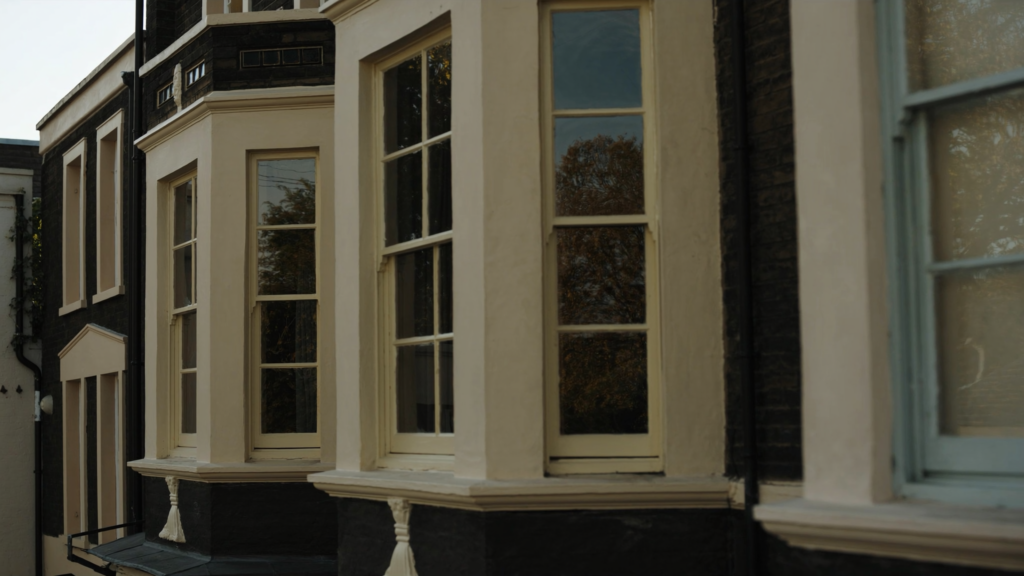
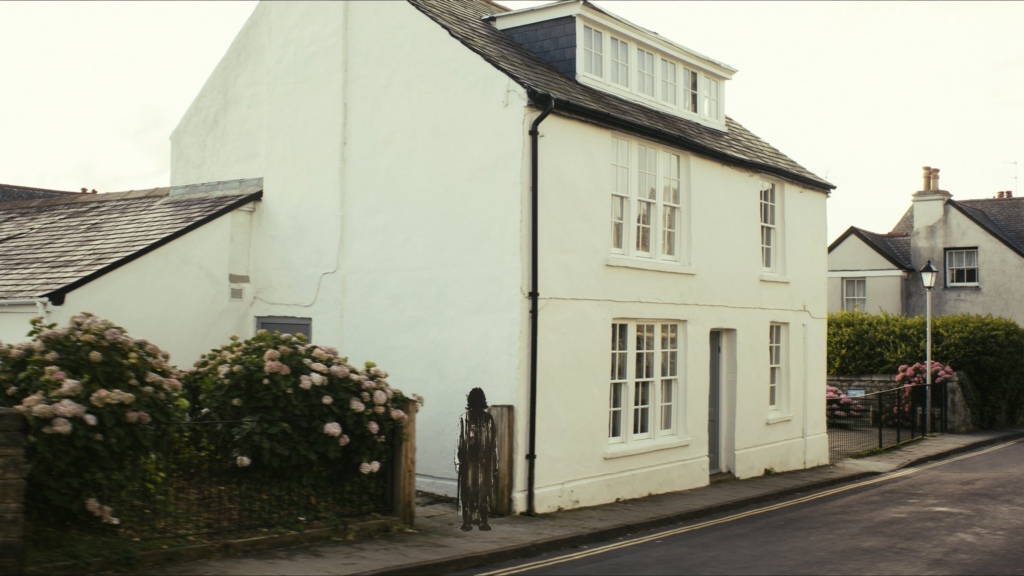
The semi-detached homes common in areas like Poulner and Hightown Road tend to be straightforward to work with, good access from the front, manageable window counts, and standard frame configurations. Detached properties, particularly the larger ones on the outskirts toward Avon or along the Bournemouth Road, sometimes involve a wider variety of window shapes including bay windows, fanlights, and feature windows that require custom manufacturing and add to installation time.
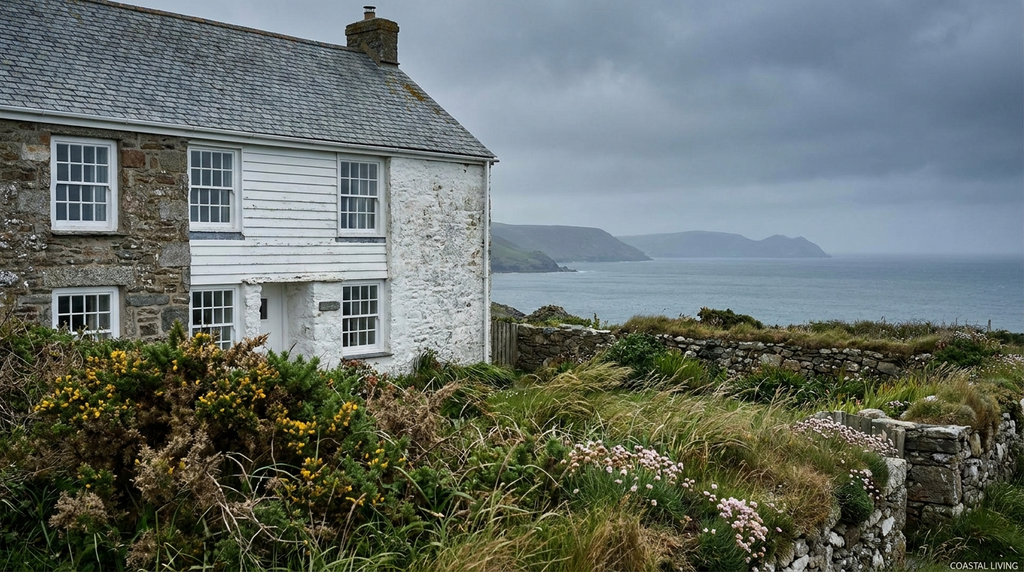
Homes built in the 1930s and 1940s, and there are a number of these in and around Ringwood, present their own quirks. The original wooden frames in older properties may be structurally tied to the surrounding brickwork in ways that make removal more involved. A good installer will survey this carefully before quoting.
Key practical considerations for Ringwood properties
- Parking and access along the busier residential streets near the town centre can limit the size of delivery vehicles, which occasionally affects logistics and cost
- Properties close to the River Avon flood plain may have experienced damp that affects frame condition, worth checking before installation
- Period homes in and around the conservation area in the town centre will face additional restrictions (more on that below)
- Homes backing onto the New Forest boundary may face prevailing south-westerly winds that make draught-proofing performance especially important
- Extension and conservatory combinations, which are common on the larger detached homes here, sometimes require careful matching of new windows to existing glazing profiles
How Much Double Glazing Costs in Ringwood and the South East Area in 2026
Let’s talk real numbers. Prices in the South East generally run around 10–15% above the national average, largely due to higher labour costs and stronger demand. Ringwood itself is a small town of around 14,000 people, which means most installers are coming from Bournemouth, Poole, or occasionally Salisbury, and that travel time gets factored into quotes, especially for smaller jobs.
The table below gives you a solid working guide for budgeting purposes. These are fully installed prices including frames, glass, and fitting, but excluding any scaffold requirements or listed building work.
| Property Type | Number of Windows | uPVC Double Glazing | Aluminium Double Glazing | Triple Glazing Upgrade |
|---|---|---|---|---|
| Mid-terraced / small semi | 6–8 windows | £3,800–£5,200 | £5,500–£7,500 | Add £1,200–£1,800 |
| Semi-detached (average) | 8–12 windows | £5,000–£7,000 | £7,200–£10,000 | Add £1,800–£2,800 |
| Detached (mid-size) | 12–16 windows | £7,000–£10,500 | £10,500–£15,000 | Add £2,500–£4,000 |
| Larger detached | 16–22+ windows | £10,500–£15,000+ | £15,000–£22,000+ | Add £3,500–£6,000 |
| Single replacement window | 1 window | £450–£750 | £700–£1,200 | Add £150–£300 |
For context, the national average for a full semi-detached double glazing installation sits around £4,500–£6,000. Ringwood’s positioning in the South East means you should expect to be toward the upper end of that range or slightly beyond, particularly if your installer is based in Bournemouth or Poole and pricing in the drive time.
One thing worth knowing, if you’re on the edge of Ringwood toward the more rural roads around Ellingham or Harbridge, some installers add a small fuel surcharge or minimum order value. Always ask about this upfront.
How Ringwood’s Weather and Location Shape Your Double Glazing Decisions
Ringwood’s climate is genuinely one of the more favourable in the UK, and it shapes what you need from your windows in some interesting ways. Winters here are mild by UK standards, the town sits in southern Hampshire with New Forest shelter to the north and east, which takes the edge off the worst cold snaps. Heating degree days run between 1,200 and 1,500 per year, noticeably lower than northern England.
That means your primary driver for double glazing might actually be solar gain management as much as heat retention. Ringwood receives excellent solar irradiance, between 1,100 and 1,200 kWh/m² per year, among the best in the UK. South-facing rooms on detached homes, particularly those with generous window sizes, can overheat in summer if you’re not careful about glass specification.
Rainfall is moderate at around 700–900mm per year, and while Ringwood isn’t exposed to coastal winds in the way that Lymington or Bournemouth seafront properties are, the town does sit in a river valley that funnels south-westerly winds. This makes quality seals and weatherstripping genuinely important, a poorly fitted window will let you know about it in January.
What Ringwood’s climate means for your glass spec choices
- South and west-facing windows benefit from solar control glass, it reduces summer glare and overheating without noticeably affecting winter warmth
- The relatively mild winters mean triple glazing offers a longer payback period here than in Scotland or northern England, though it’s still worth considering for north-facing rooms
- The river valley setting and moderate rainfall make good drainage channels in window frames worth specifying explicitly
- Properties close to the Avon flood plain should look for frames with strong capillary drainage to handle occasional water ingress from extreme weather events
The Products and Options That Actually Perform Well in Ringwood
Given the combination of mild-but-variable winters, strong solar potential, and a mix of period and modern homes, here’s an honest steer on what works well for properties in this area.
For uPVC frames, a well-specified multi-chamber uPVC profile with a U-value of 1.2 W/m²K or better is the practical sweet spot for most Ringwood homes. It’s cost-effective, durable, and low maintenance, which suits the semi-detached properties in Poulner and Hightown particularly well. Look for profiles with at least five chambers for the best thermal performance.
For aluminium frames, if you have a more contemporary detached home or have invested in a modern extension, thermally broken aluminium is worth the premium. It gives you slimmer sight lines, better longevity, and a higher-end finish that supports property values in the South East market. U-values of around 1.4–1.6 W/m²K are standard; push for 1.2 W/m²K if budget allows.
Glass specification recommendations for Ringwood
- As standard, specify low-E (low emissivity) glass with argon gas fill, this gives you a centre-pane U-value of around 1.0–1.1 W/m²K
- For south and west-facing windows, ask specifically for solar control low-E glass with a g-value (solar factor) of around 0.35–0.45, this blocks excess heat gain without killing winter warmth
- Acoustic glass is worth considering if your property is near the A31 or town centre, a 6.4mm laminated inner pane makes a noticeable difference to road noise
- For north-facing windows where you want maximum heat retention, a warm-edge spacer bar (rather than the standard aluminium type) will meaningfully improve edge-of-glass performance
If your home is a 1930s or post-war property with decorative glazing, ask about double-glazed units that incorporate a heritage-style internal bar rather than stick-on Georgian bars, it looks far more authentic and performs better.
How to Find a Trustworthy Double Glazing Installer Near Ringwood
Here’s something that’s genuinely worth knowing about Ringwood specifically, because the town is relatively small, you won’t find a large number of double glazing companies based here directly. The majority of reputable installers serving Ringwood are headquartered in Bournemouth, Poole, or occasionally Salisbury, and operate across the whole cluster of South Hampshire and Dorset towns.
That’s not a problem in itself, these companies are experienced and well-established, but it does mean you should be slightly more careful about which company you choose, as not all of them will be equally familiar with Ringwood’s local planning requirements or conservation area rules.
What to look for and ask
- FENSA registration is non-negotiable for window replacement work, it self-certifies compliance with Building Regulations and is required for conveyancing when you sell
- TrustMark accreditation is a strong secondary signal of quality for any installer working on retrofits
- Ask specifically whether they have experience working within New Forest District Council’s conservation area guidelines, not every installer does
- Request references from jobs in Ringwood, Fordingbridge, or Verwood, similar housing stock and planning context
- Check that the quoted lead time includes manufacturing time (typically 4–6 weeks for custom frames in the South East market), be wary of anyone promising installation within two weeks
- A reputable company will carry out a full survey before providing a final quote, not a ballpark over the phone
Red flags to watch for, high-pressure same-day discount tactics, quotes that don’t include a written specification of U-values and glass type, and any company that can’t provide their FENSA number immediately on request.
Lead times from the better Bournemouth and Poole-based companies currently run at around 6–10 weeks from survey to installation for most Ringwood jobs. Budget an extra couple of weeks if you’re in a conservation area and need approval in advance.
Grants and Funding Available to Ringwood Residents in 2026
The honest picture with grants for double glazing is that standalone window replacements are harder to fund than whole-house retrofit packages. But there are still genuine routes to financial help for Ringwood homeowners.
ECO4 (Energy Company Obligation 4), this scheme requires energy suppliers to fund home improvements for low-income and vulnerable households. Double glazing can be included as part of a broader package of measures. Eligibility typically requires receipt of qualifying benefits and an EPC below Band C. Given Ringwood’s average Band D rating, a significant number of local households will qualify on the property performance side, it’s the benefits criterion that narrows the field.
The Great British Insulation Scheme closed on 31 March 2026. It funded insulation measures only and never covered windows or glazing. Eligibility is split between a means-tested group (benefit recipients) and a general group targeting EPC Band D or below homes. Ringwood’s average Band D rating means many homes fall within scope for the general group.
New Forest District Council schemes, the local authority has historically supported retrofit activity through Hampshire-wide programmes. It’s worth contacting the council directly to ask about any current locally administered schemes, these change through the year and are often undersubscribed relative to the available budget.
Glazing is standard-rated for VAT at 20%. The zero rate for energy-saving materials covers insulation, heat pumps and solar panels; HMRC names secondary and double glazing as excluded (VAT Notice 708/6). This is not a grant but it’s a genuine saving, on a £7,000 installation that previously would have attracted 20% VAT, you’re saving £1,400 directly.
The Great British Insulation Scheme closed on 31 March 2026. It funded insulation measures only and never covered windows or glazing. Simple Energy Advice (the government-backed service) is a good starting point.
Planning Permission and Regulations Specific to Ringwood
For the majority of Ringwood homeowners, double glazing falls under permitted development rights, meaning you don’t need planning permission as long as the replacement windows are in a similar style and materials to what’s already there.
However, there are important exceptions that are very relevant to Ringwood specifically.
Ringwood Conservation Area, the town centre conservation area covers a meaningful part of older Ringwood, particularly around the Market Place, Meeting House Lane, and the streets of historic character running off the High Street. If your property falls within this area, you’ll need to apply for planning permission before replacing windows, and there are likely to be requirements around materials (sometimes timber rather than uPVC), sightline profiles, and glazing bar patterns. New Forest District Council’s planning team can confirm whether your specific address is within the conservation area boundary.
Listed buildings, if your home is listed (and there are several in the older parts of Ringwood), window replacement requires listed building consent regardless of what you’re replacing them with. This is a more complex process and will typically require specialist advice.
Building Regulations, all replacement windows must comply with Part L of the Building Regulations, which sets minimum energy performance standards. FENSA-registered installers self-certify this compliance, which is why FENSA