Why Poole Homeowners Are Looking at Double Glazing Right Now
There’s something quietly urgent happening across Poole’s housing stock right now. With energy bills stubbornly high and the average home sitting at EPC Band D, thousands of homeowners in areas like Canford Heath, Parkstone, and Hamworthy are realising that ageing single-glazed or tired old double-glazed windows are one of the most straightforward things they can fix, and one of the most impactful.
Poole is a fascinating town for home improvement. You’ve got Victorian terraces in Parkstone rubbing shoulders with 1970s detached estates in Broadstone, post-war semis across Canford Heath, and newer builds out towards Upton. Each of those eras comes with its own window story, and for most, that story ends with “it’s time for an upgrade.”
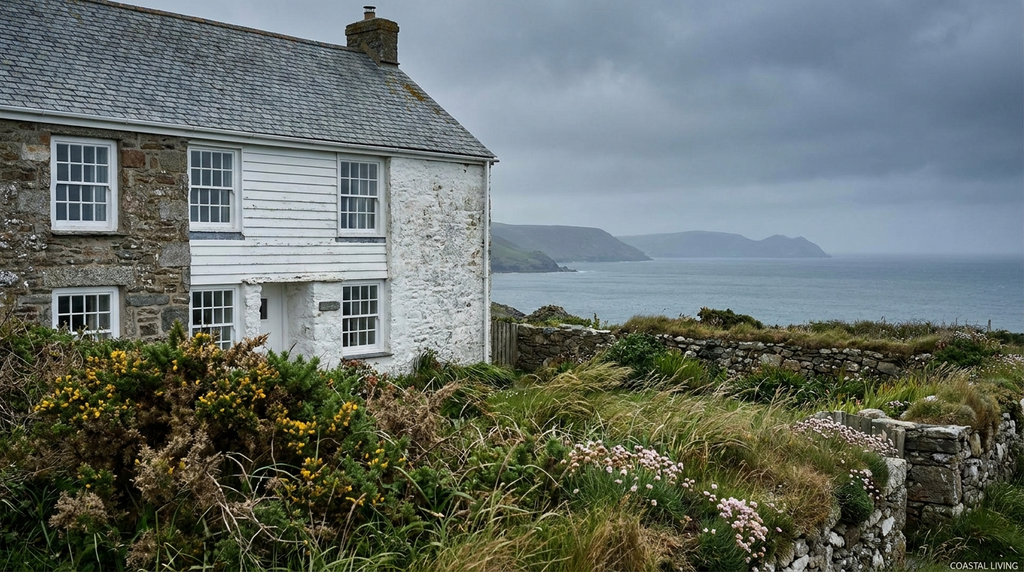
There’s also a distinctly Poole-shaped reason why glazing matters here more than in, say, Ringwood or Dorchester. The harbour, the inlets, the Old Town waterfront, properties close to the water face a damper, salt-tinged atmosphere that accelerates the degradation of older window frames and seals. Even a few kilometres inland, the coastal proximity makes quality glazing a genuinely practical investment, not just a comfort upgrade.
And with Poole’s reputation as a popular retirement destination, energy running costs matter enormously to a large portion of the town’s 155,000 residents. Cutting your heating bill by a meaningful amount each year is not abstract, it’s real money back in your pocket, year after year.
What Double Glazing Actually Involves for a Typical Poole Home
For most Poole homeowners, double glazing means replacing existing windows, whether that’s updating genuinely old single glazing or swapping out tired double-glazed units from the 1990s whose seals have long since failed. That familiar misty, foggy appearance between the panes is a clear sign the argon gas fill has gone and the insulation value has dropped significantly.
The most common property types here, semi-detached and detached homes, tend to have a reasonably generous window count. A typical three-bedroom semi on the Canford Heath estate might have ten to twelve window openings, while a detached four-bedroom in Broadstone or Merley could easily have fifteen or more. That scale matters when you’re budgeting.
What the Different Building Eras Mean for Your Installation
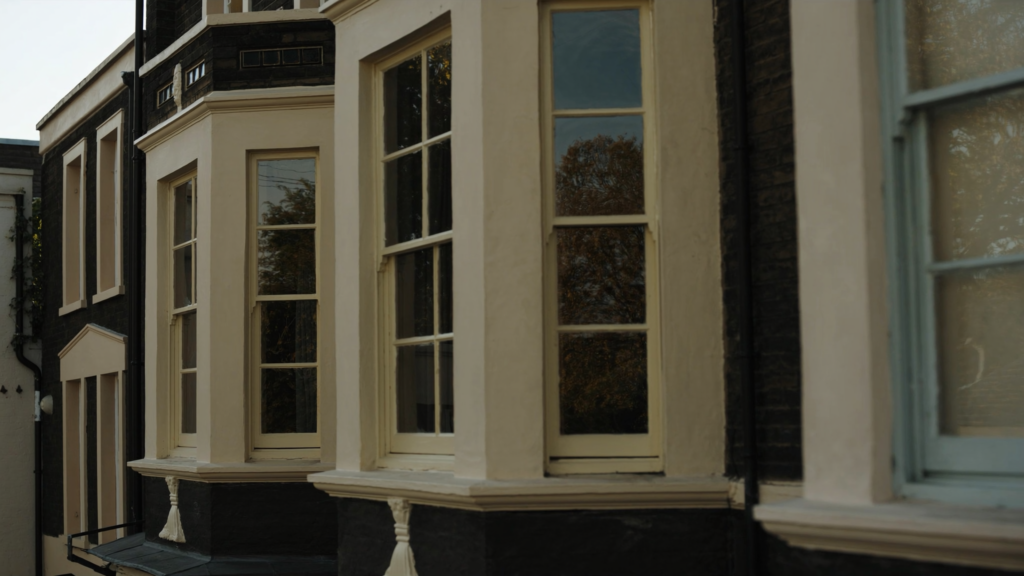
- Victorian and Edwardian properties (pre-1919), Found mainly in Parkstone, Branksome, and parts of Lower Parkstone. These homes often have wider reveals, non-standard opening sizes, and original timber frames that require careful measurement. Some will need frame replacement rather than just glass unit swaps.
- Interwar and post-war homes (1930s–1960s), Common across much of suburban Poole. Generally more straightforward to retrofit, though steel or early aluminium frames from this era can complicate things.
- 1970s and 1980s estates, The bulk of Canford Heath, Turlin Moor, and Alderney. Original double glazing from this period is almost certainly past its best. Replacement is usually very clean and cost-effective because openings tend to be standardised.
- Post-2000 builds, Often already have decent glazing, but upgrading to A-rated or triple glazing can still improve comfort and EPC scores meaningfully.
One thing worth knowing about Poole specifically, properties near the Old Town and the Quay sit within or adjacent to conservation areas, and that changes the rules around what you can install. We’ll come to that in the planning section below.
How Much Double Glazing Costs in Poole and the South West in 2026
Let’s talk real numbers. Costs in Poole sit slightly below the UK national average, labour rates in the South West are generally more competitive than London or the South East, and there’s a healthy cluster of installers serving Poole, Bournemouth, and the surrounding towns, which keeps pricing honest. Even so, access issues on certain properties, conservation area requirements, or a particularly large home can push costs up.
| Property Type | Number of Windows | uPVC Double Glazing | Aluminium Double Glazing | Triple Glazing Upgrade |
|---|---|---|---|---|
| 2-bed semi (eg Turlin Moor) | 8–10 | £3,200–£4,800 | £4,500–£6,500 | £5,500–£7,500 |
| 3-bed semi (eg Canford Heath) | 10–13 | £4,500–£6,500 | £6,000–£8,500 | £7,000–£10,000 |
| 3-bed detached (eg Broadstone) | 12–15 | £5,500–£8,000 | £7,500–£11,000 | £9,000–£13,000 |
| 4-bed detached (eg Merley) | 15–20 | £7,500–£11,000 | £10,000–£14,500 | £12,000–£17,000 |
| Victorian terrace (Parkstone) | 8–12 (non-standard sizes) | £5,000–£8,500 | £7,000–£12,000 | £9,000–£14,500 |
These figures include supply, fitting, and disposal of old frames. They assume standard access, if scaffolding is required for upper-floor windows on a larger detached home, add roughly £400–£900 to your total. Compared to the South West regional average, Poole pricing tends to come in around 5–10% lower than Bristol or Exeter, largely thanks to installer competition between Poole and neighbouring Bournemouth.
A quick note on getting quotes, always get at least three, and make sure each one specifies the exact U-value and energy rating of the units being installed. Vague quotes are a red flag.
How Poole’s Weather and Location Shape the Right Glazing Choice
Poole’s climate is genuinely mild by UK standards. You’re looking at around 1,200 to 1,500 heating degree days per year, that’s notably lower than somewhere like Leeds or Edinburgh, meaning your heating demand is already on the lower end. But that doesn’t mean glazing quality doesn’t matter, it absolutely does, just for slightly different reasons than further north.
Here’s what makes Poole’s conditions distinctive for glazing choices:
- Solar gain is your friend, Poole benefits from some of the best solar irradiance in the UK, around 1,100 to 1,200 kWh per square metre per year. South-facing windows in particular can contribute meaningful passive heat during autumn and spring, the right glazing specification maximises this rather than blocking it out entirely.
- Moisture and harbour proximity, Properties within a kilometre or two of Poole Harbour, the Old Town, or the water at Hamworthy face a noticeably damper microclimate. This accelerates condensation issues and frame degradation, warm-edge spacer bars and quality seals are more important here than almost anywhere inland.
- Rainfall is moderate, At 700–1,000mm annually, Poole isn’t the wettest place in the South West (that title belongs further west in Devon and Cornwall), but sustained damp conditions still mean you want frames and seals that handle moisture well over the long term.
- Noise matters in the town centre and near the port, Properties near the A35, the Poole Bridge approaches, or the commercial port areas benefit significantly from acoustic glazing, laminated glass or wider airspace units make a real difference in these locations.
The mild winter climate means triple glazing is less of a slam-dunk financial decision here than it would be in Scotland, but for north-facing rooms or properties very close to the harbour where cold draughts and condensation are persistent problems, it’s still worth considering.
The Products and Options That Actually Perform Well in Poole
Given everything above, here’s honest, experience-based guidance on what works well for Poole’s housing stock specifically:
For Most Homes, uPVC with A-Rated Units
For the majority of Poole properties, particularly the 1970s and 1980s estates across Canford Heath, Alderney, and Turlin Moor, well-specified uPVC remains the sensible choice. Look for frames with multi-chambered profiles and units carrying an A or A+ Window Energy Rating (WER). A U-value of 1.2 W/m²K or better is the minimum to aim for in 2026.
For Coastal and Harbour-Adjacent Properties
If you’re within a kilometre of the water, invest in warm-edge spacer bars (look for ones rated “super spacer” or equivalent) and consider frames with a higher weather rating. Some homeowners near Hamworthy and the Old Town find that composite or aluminium frames outlast uPVC in persistently damp conditions, though they cost more upfront.
For Victorian and Period Homes
In Parkstone and Branksome’s older streets, slim-profile double-glazed units in timber or timber-effect frames tend to sit much better aesthetically, and if you’re in or near a conservation area, slim-line units (often just 20–24mm wide) may be a requirement rather than a choice. These are available with perfectly respectable U-values of around 1.4–1.6 W/m²K.
For Noise Reduction Near Busy Roads
Acoustic laminated glass (typically 6.4mm or 8.8mm laminate) makes a significant difference on properties near the A35, Ashley Road, or the Holes Bay Road. The extra cost over standard units, usually £30–£60 per window, is genuinely worth it for comfort and sleep quality.
Triple Glazing, Worth It Here?
Given Poole’s mild winters, pure heat-loss savings from triple glazing over A-rated double glazing are modest, perhaps an additional 5–10% on window-related heat loss. However, for north-facing rooms prone to cold spots, or for households with young children or elderly residents sensitive to draughts, the comfort improvement is real. If your budget allows and you’re doing a full replacement, it’s worth pricing up.
How to Find a Trustworthy Double Glazing Installer Near Poole
The good news is that Poole has solid installer coverage. Because companies based here typically serve the whole cluster of Poole, Bournemouth, Ringwood, Lymington, and Dorchester, you’re not short of options, and genuine competition keeps standards up and prices honest.
Certifications to Look For
- FENSA registered, This is non-negotiable for replacement windows in England. A FENSA-registered installer self-certifies that work meets Building Regulations, saving you the need for a separate Building Control application. Always verify registration on the FENSA website directly.
- TrustMark accredited, The government-endorsed quality scheme. The Great British Insulation Scheme closed on 31 March 2026. It funded insulation measures only and never covered windows or glazing.
- CERTASS registered, An alternative to FENSA for self-certification. Both are equally valid, what matters is that one of them is in place.
Questions Worth Asking Before Signing Anything
- What is the exact U-value and Window Energy Rating of the units you’re quoting for?
- Are you FENSA or CERTASS registered, and will you issue a certificate after completion?
- What is the guarantee period on frames, glass units, and hardware separately?
- Are your installers employed directly or subcontracted?
- Do you have any experience with properties in Poole’s conservation areas?
Red Flags to Avoid
- High-pressure “today only” pricing, a legitimate company will give you time to decide
- No fixed address or only a mobile number
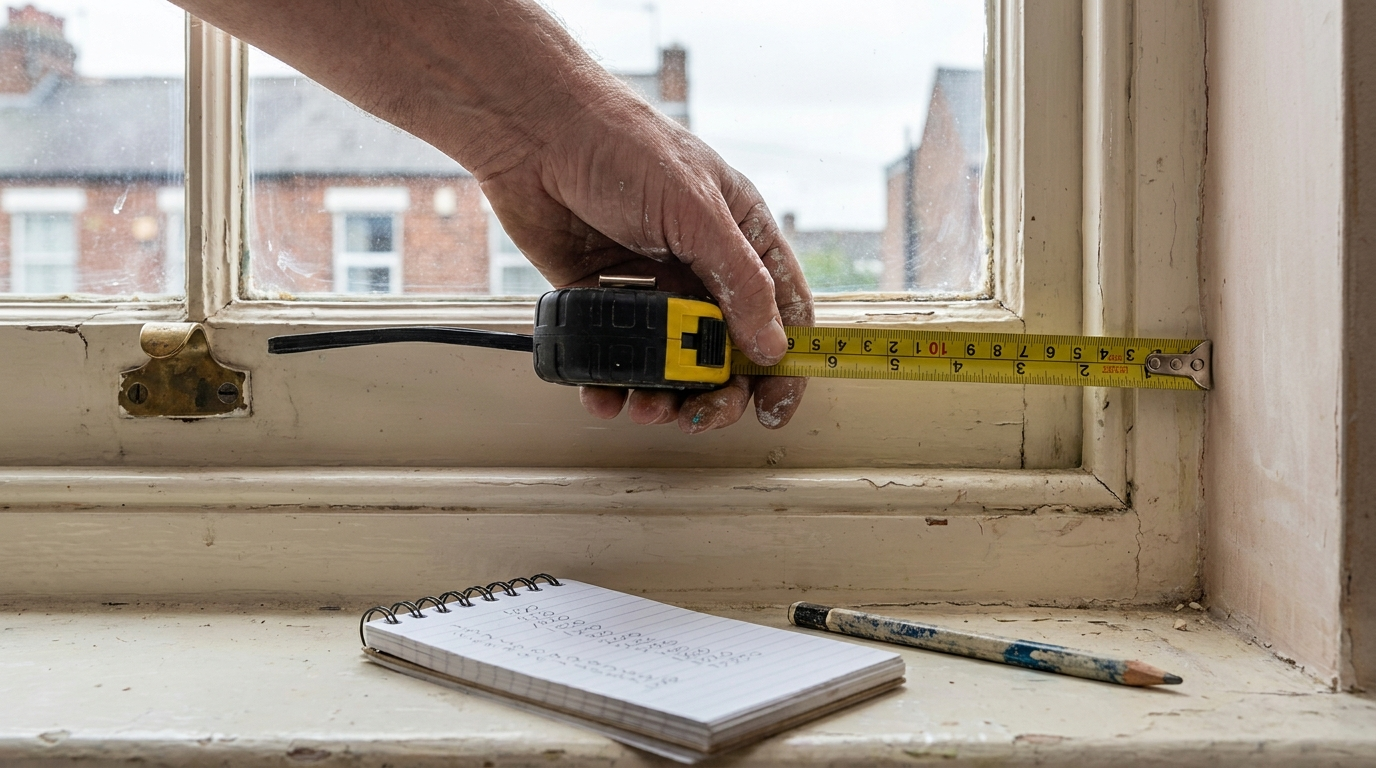
- Quoting without measuring your windows in person first
- Unable to show you examples of their FENSA registration
- Guarantees that are backed by the company itself rather than an insurance-backed warranty
Lead times in the South West currently run at around four to eight weeks from order to installation for most standard jobs, longer for bespoke sizes or heritage-style units. Plan accordingly if you’re trying to complete work before the colder months.
Grants and Funding That Could Cut Your Costs in 2026
Funding for double glazing in 2026 is more targeted than it used to be, it’s primarily aimed at lower-income households or those on certain benefits. Here’s an honest breakdown of what’s available to Poole residents:
ECO4 (Energy Company Obligation)
ECO4 is the main national scheme and it can cover the full cost of window upgrades for eligible households. To qualify, you generally need to be receiving a means-tested benefit (such as Universal Credit, Pension Credit, or Housing Benefit) and your home needs to be below EPC Band C. Given that the Poole average is Band D, a significant number of households could qualify. Your energy supplier administers this, contact them directly or use the government’s ECO4 referral process.
Great British Insulation Scheme (GBIS)
The Great British Insulation Scheme closed on 31 March 2026. It funded insulation measures only and never covered windows or glazing. It covers households in lower council tax bands (A–D in England) as well as those on qualifying benefits. Glazing is within scope as part of a broader fabric improvement package. BCP Council (the authority covering Poole as part of Bournemouth, Christchurch and Poole) participates in this scheme, contact the council’s housing energy team for a referral.
Warm Homes – Local Grant
This scheme, part of the broader Warm Homes Plan, provides funding through local authorities for low-income owner-occupiers and private renters. BCP Council administers allocations in the Poole area. Eligibility is income-based and funding is limited, so applying early in the financial year gives you the best chance.
VAT
Glazing is standard-rated for VAT at 20%. The zero rate for energy-saving materials covers insulation, heat pumps and solar panels; HMRC names secondary and double glazing as excluded (VAT Notice 708/6). This applies to qualifying double and triple glazing installations and is a meaningful saving, roughly £600–£1,200 off a mid-sized job compared to standard rated work. Make sure any quote you receive already reflects this.
Glazing is standard-rated for VAT at 20%. The zero rate for energy-saving materials covers insulation, heat pumps and solar panels; HMRC names secondary and double glazing as excluded (VAT Notice 708/6).