Why Exeter Homeowners Are Rushing to Look at Double Glazing Right Now
There’s something of a quiet revolution happening in Exeter’s housing stock. With the city sitting at an average EPC Band D rating, and energy bills still biting hard despite milder South West winters, thousands of homeowners across St Thomas, Heavitree, Pinhoe, and Topsham are realising their windows might be the most obvious weak spot they’ve been ignoring.
Exeter is a city of older homes. Victorian and Edwardian terraces dominate huge swathes of the city, particularly around the St James area and along the Heavitree Road corridor. Many of these properties still have single-glazed windows or aging early-generation double glazing that’s well past its best. When you’re dealing with Exeter’s prevailing south-westerly winds hammering wet Atlantic air against your front elevation, a drafty window frame is uncomfortable and costs you real money every month.
Add to that the proximity to the coast. Exmouth is just 14 kilometres away, and the salt-laden air that rolls in from the Exe Estuary affects everything from frame corrosion to seal degradation. Homeowners here face a specific challenge that someone in, say, the Midlands simply doesn’t have to think about. Getting the right product for these conditions matters enormously.
The good news is that Exeter has excellent installer coverage. Local companies regularly serve the wider cluster of towns including Crediton, Tiverton, Sidmouth, and Exmouth, which keeps competition healthy and prices reasonable compared to more isolated parts of Devon.
What Double Glazing Actually Involves for a Typical Exeter Home
Most Exeter homes fall into two categories, terraced properties and semi-detached houses, and the installation experience differs depending on which you own.
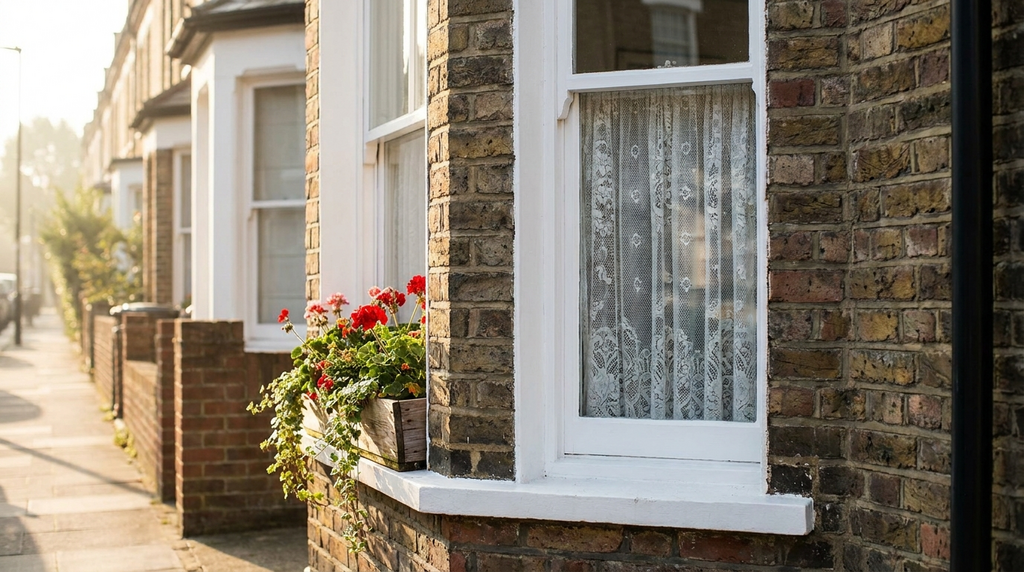
For the Victorian and Edwardian terraces that line streets in areas like St Leonard’s, Newtown, and Polsloe, the original window openings are often narrow sashes or casements set into solid brick walls. These can be trickier to reglaze than modern construction because the reveals are deeper and the structural surrounds may have settled or shifted over 100-plus years. You’ll want an installer who has genuine experience with period properties, not just new-builds.
What the Installation Process Looks Like Day to Day
- Survey and measure, A proper surveyor visits to take precise measurements, check frame condition, and assess any structural concerns around the reveal
- Frames manufactured to order, Standard lead time is 3 to 6 weeks for most uPVC options; timber or aluminium frames can run longer
- Removal of old frames, Old single glazing or failed units are taken out, and the reveal is inspected for rot, damp, or damage
- Frame fitting, New frames are fitted, sealed, and checked for square before glazing units are installed
- Mastic sealing and finishing, Particularly important in Exeter given the rainfall levels; a poor external seal here will fail within a couple of years
For post-war semi-detached homes in areas like Whipton, Alphington, and Countess Wear, installation is generally more straightforward. Standard-sized openings, cavity wall construction, and easier access mean a full house of windows can typically be done in one or two days.
One Exeter-specific consideration is parking and access. Many of the terraced streets in the city centre and inner suburbs are narrow, with no off-road parking. Installers may need to request temporary parking dispensations from Exeter City Council to park their van and materials near your property, it’s worth discussing this at the quote stage.
How Much Double Glazing Costs in Exeter and the South West in 2026
Let’s get into actual numbers, because vague “ranges” are no help when you’re trying to budget. Costs in Exeter sit slightly below the national average thanks to moderate labour rates and good installer competition across the Exeter-Tiverton-Exmouth triangle. Even so, marine-grade specification requirements and the premium for working on period properties can push prices up for certain homes.
| Property Type | Specification | Number of Windows | Estimated Cost (Exeter 2026) | National Average |
|---|---|---|---|---|
| 2-bed terraced | Standard uPVC, double glazed | 5–6 | £3,200 – £4,500 | £3,500 – £5,000 |
| 3-bed semi-detached | Standard uPVC, double glazed | 8–10 | £4,800 – £6,500 | £5,200 – £7,500 |
| 3-bed semi-detached | A-rated uPVC, triple glazed | 8–10 | £7,500 – £10,000 | £8,000 – £11,500 |
| Victorian terrace (period) | Timber sash, double glazed | 6–8 | £7,000 – £12,000 | £8,000 – £14,000 |
| 4-bed detached | Aluminium, double glazed | 12–14 | £12,000 – £18,000 | £13,000 – £20,000 |
| Conservatory replacement roof + windows | uPVC, double glazed | Full unit | £5,500 – £9,000 | £6,000 – £10,500 |
Compared to nearby towns, Exeter prices tend to be 5–10% lower than Sidmouth (where access to older coastal properties adds complexity) and broadly similar to Tiverton. Exmouth installers sometimes charge a small premium for marine-grade specifications when they’re working close to the seafront.
Insider tip, Always get three quotes, and make sure each one specifies the exact frame material, glazing unit specification (including gas fill type and low-E coating), and warranty terms. A cheap quote that doesn’t include argon fill or a 10-year seal guarantee is rarely the bargain it appears to be.
How Exeter’s Weather and Location Change the Double Glazing Decisions You Need to Make
Exeter’s climate is genuinely different to most of England, and it genuinely changes which products make sense for your home. The city sits at the head of the Exe Estuary and receives around 1,000 to 1,200mm of rainfall annually, significantly above the UK average. Westerly and south-westerly winds are the norm, often driving rain hard against west and south-facing elevations.
What this means in practice is that your external window seals, frame joints, and cill detailing are under far more stress than they would be in, say, Cambridge or Leicester. A window that’s “fine” in a drier climate can develop water ingress issues here within a few years if the mastic work isn’t properly done or the drainage slots in the frame are inadequate.
The Salt Air Factor
The proximity to the Exe Estuary and the wider Devon coast means salt-laden air is a real and consistent issue for Exeter homes. For standard uPVC frames this isn’t a major problem, uPVC itself doesn’t corrode. But the hardware matters enormously. Hinges, handles, locking mechanisms, and any exposed metal components should be specified in marine-grade stainless steel or equivalent if your home is within a couple of miles of the estuary or coast. Ask your installer specifically about hardware specifications, it’s a question that separates the knowledgeable ones from those just shifting standard stock.
Aluminium frames need powder coating that’s been tested to a marine-grade standard. Cheaper powder-coated aluminium can show oxidation and pitting within five years when exposed to regular salt air. For homes in Topsham or close to the Quayside, this is a very real concern.
Winter Heating Demand and Glazing Performance
Exeter’s winters are genuinely mild by UK standards, the city typically records 1,200 to 1,500 heating degree days per year, which is notably lower than the UK average of around 2,000. This matters for how quickly your double glazing investment pays back in heating savings. You’re not going to save as dramatically on gas bills as a homeowner in Newcastle would for the same window upgrade, and it’s honest to acknowledge that.
However, Exeter’s excellent solar irradiance, the South West enjoys the best solar resource in the UK at 1,100 to 1,200 kWh per square metre per year, means south-facing windows with appropriate low-E coatings can deliver meaningful passive solar gains in winter. This is a genuine local advantage worth discussing with your installer.
The Products and Options That Actually Perform Well in Exeter Conditions
Here’s an honest expert take on what makes sense for most Exeter homes, rather than a generic product list.
For Victorian and Edwardian Terraces
Timber-look uPVC or genuine timber double-glazed sashes are the most sensible choice for the period streets around St Leonard’s, Heavitree, and St James. Genuine timber offers the best aesthetics and can be specified with slim glazing bars to maintain period character, but requires regular maintenance. High-quality timber-look uPVC with a run-through colour (not just foil) offers a good compromise for homes where planning or conservation requirements allow it.
For Post-War and Modern Semis
Standard A-rated uPVC casement windows with argon-filled units and a low-E coating (such as Pilkington K Glass or equivalent) represent the best value-for-money option. Look for a U-value of 1.2 W/m²K or better, the current Building Regulations minimum for replacement windows is 1.4 W/m²K, but it’s worth pushing for better.
Is Triple Glazing Worth It in Exeter
Honestly, given Exeter’s mild winters, triple glazing is harder to justify on pure payback grounds than it would be further north. Even so, if you’re renovating anyway, upgrading to triple glazing on north-facing or exposed west-facing elevations makes good long-term sense, particularly as energy prices remain volatile. The acoustic benefits are also real if your home faces a busy road, the Heavitree Road, Topsham Road, or Sidmouth Road corridors would all benefit from the noise reduction triple glazing provides.
Hardware Specification Summary
- Hinges, Grade 316 stainless steel for any home within 3km of the Exe Estuary
- Handles and locks, Marine-grade specification for coastal proximity; standard spec is fine for inland areas
- Glazing units, Argon fill minimum; krypton fill if budget allows for north-facing rooms
- Frame drainage slots, Check these are unobstructed and face downward to shed Exeter’s considerable rainfall
- External mastic, Use a high-quality flexible sealant rated for UV and wet exposure
How to Find a Trustworthy Double Glazing Installer Near Exeter
Exeter has good installer coverage, with a healthy mix of large regional companies and smaller independent glaziers. The city’s size means you’re not short of choice, but that also means there are operators to avoid as well as excellent local firms.
Certifications That Actually Matter
- FENSA registered, This is the key one for double glazing. FENSA-registered installers self-certify that work meets Building Regulations without you needing a separate building notice from Exeter City Council. Always check this.
- CERTASS, An alternative competent person scheme to FENSA; equally valid
- TrustMark, A government-endorsed quality mark; good to have alongside FENSA
- GGF membership, The Glass and Glazing Federation offers a deposit indemnity scheme and dispute resolution; worth asking about
Questions to Ask Before Signing Anything
- Are you FENSA or CERTASS registered, and will you provide the certificate after completion
- What is the U-value of the glazing units you’re proposing
- What hardware grade are you specifying, and is it suitable for coastal proximity
- What is the warranty on frames, sealed units, and hardware separately
- Can you provide references from similar period properties in Exeter
- How do you handle parking and access on restricted terraced streets
Many Exeter-based installers also cover the surrounding towns of Crediton, Tiverton, Exmouth, and Sidmouth as part of their standard service area. A company with real local experience across this geography will understand the specific challenges of Devon’s older housing stock far better than a national call-centre operation subcontracting to whoever is available.
Red flags to watch for, pressure to sign on the day, no physical address in the region, quotes that don’t specify U-values or frame materials in writing, and warranties backed only by the installer rather than an independent insurance-backed guarantee.
Grants and Funding Available to Exeter Residents in 2026
Funding for double glazing specifically has tightened in recent years, but there are still meaningful routes to financial support depending on your circumstances.
ECO4 (Energy Company Obligation)
ECO4 is the main national scheme and runs through 2026. It funds energy efficiency measures including double glazing for households on certain means-tested benefits or with a low EPC rating. Given that Exeter’s average EPC is Band D, many properties here are in the right territory, though Band D alone isn’t sufficient, you typically need to be on qualifying benefits or have a household income below a defined threshold.
Qualifying benefits include Universal Credit, Pension Credit, Child Tax Credit, and others. If you’re eligible, ECO4 can cover the full cost of double glazing as part of a whole-house retrofit, contact your energy supplier or a TrustMark-registered ECO assessor to check eligibility.
Great British Insulation Scheme (GBIS)
The Great British Insulation Scheme closed on 31 March 2026. It funded insulation measures only and never covered windows or glazing. For a Band D home in Exeter, this scheme is worth investigating even if you’re not on benefits. The focus is primarily on insulation, but window upgrades can sometimes be included within a broader package.
Warm Homes Plan (Forthcoming National Scheme)
The government’s Warm Homes Plan, rolling out further in 2026, is aimed at low-income and fuel-poor households and includes provision for window upgrades as part of whole-home retrofit packages. Exeter City Council